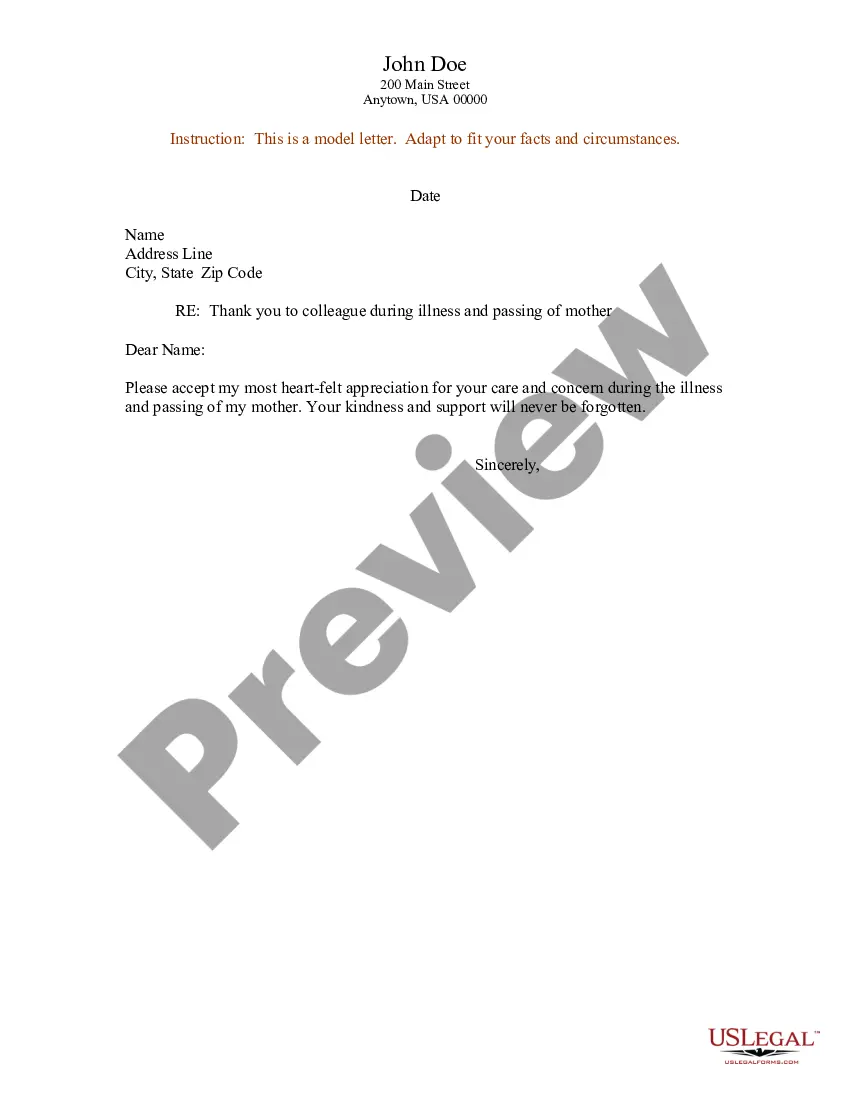
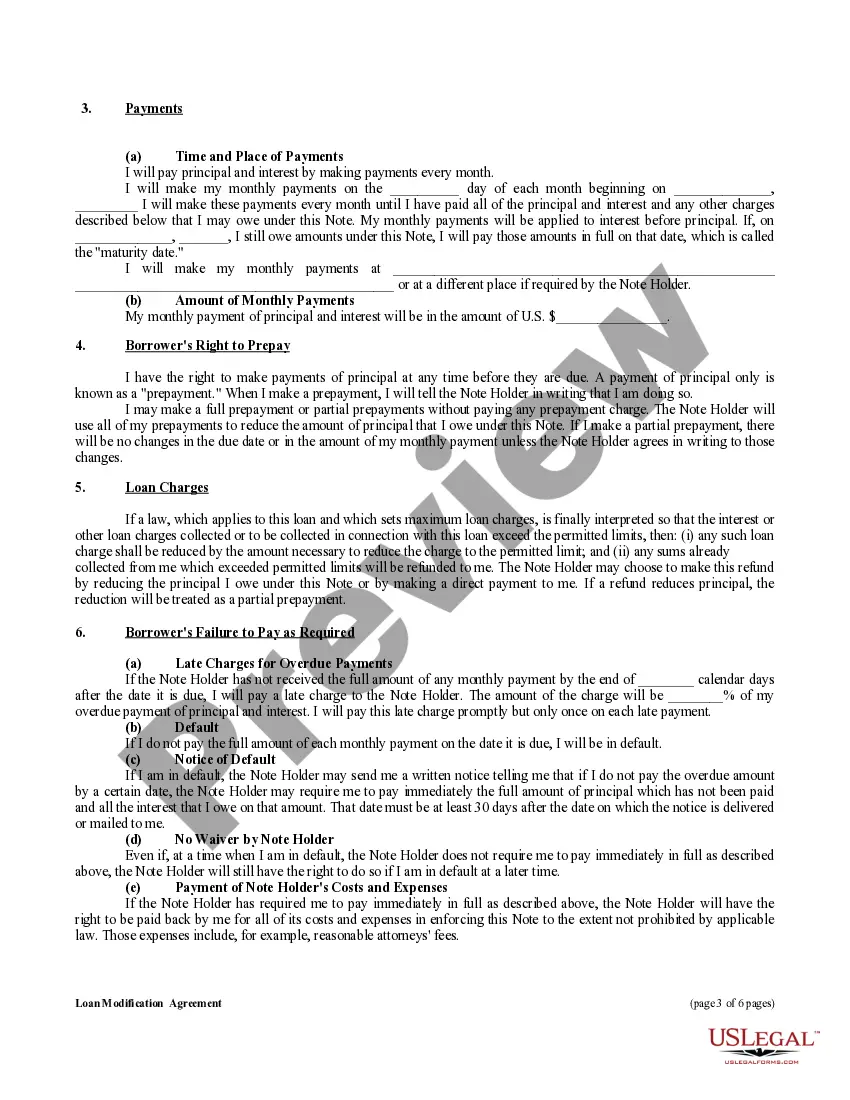
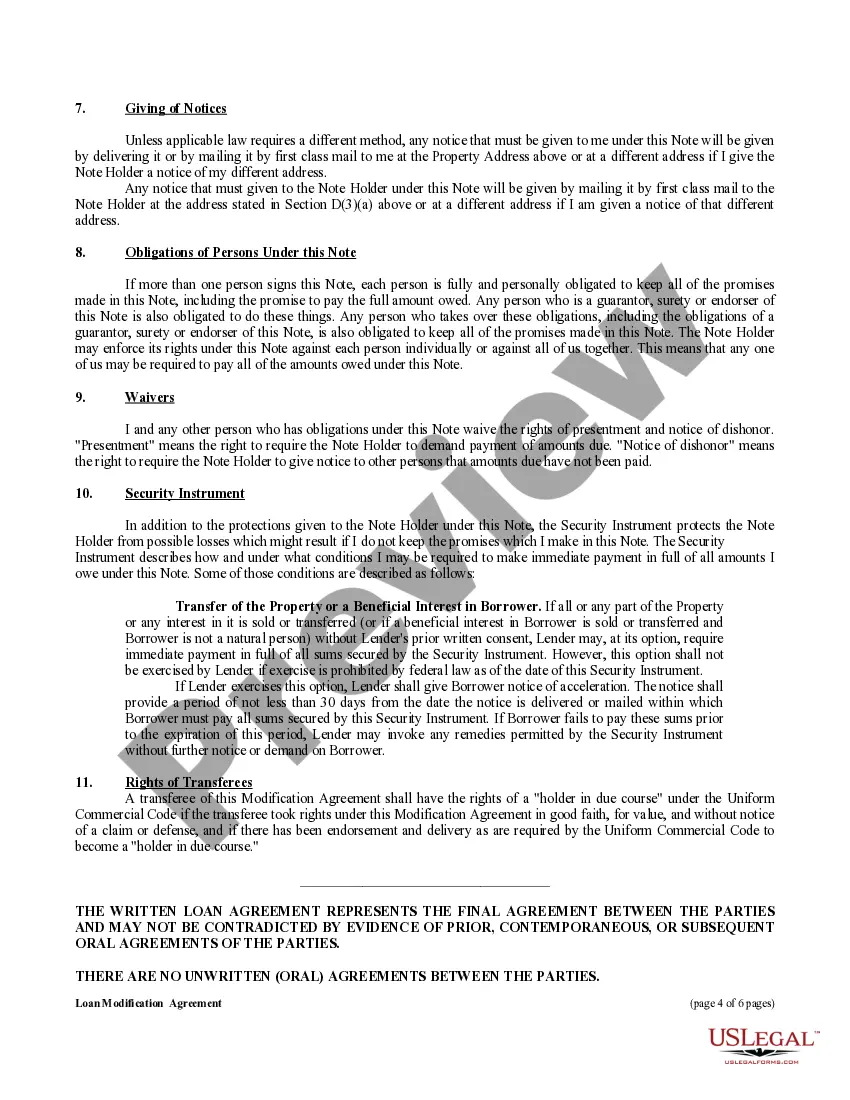
Deed Of Trust Without Promissory Note In Florida
Description

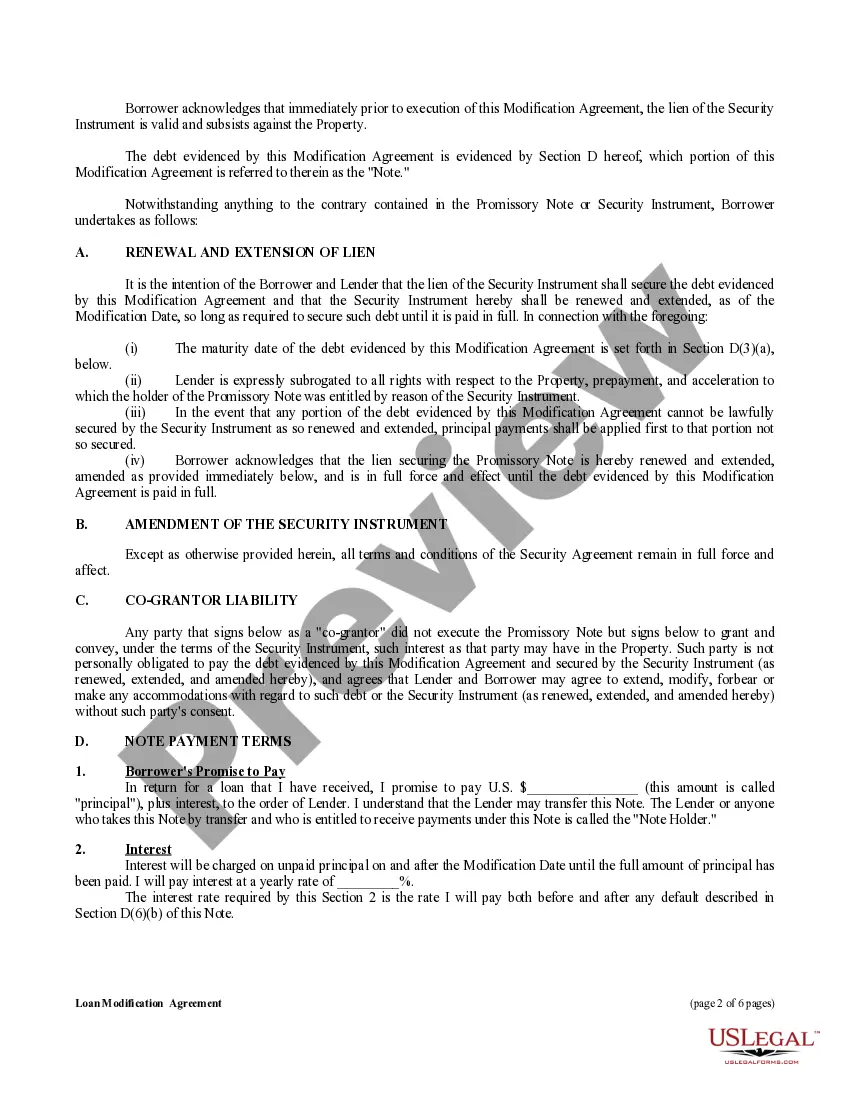
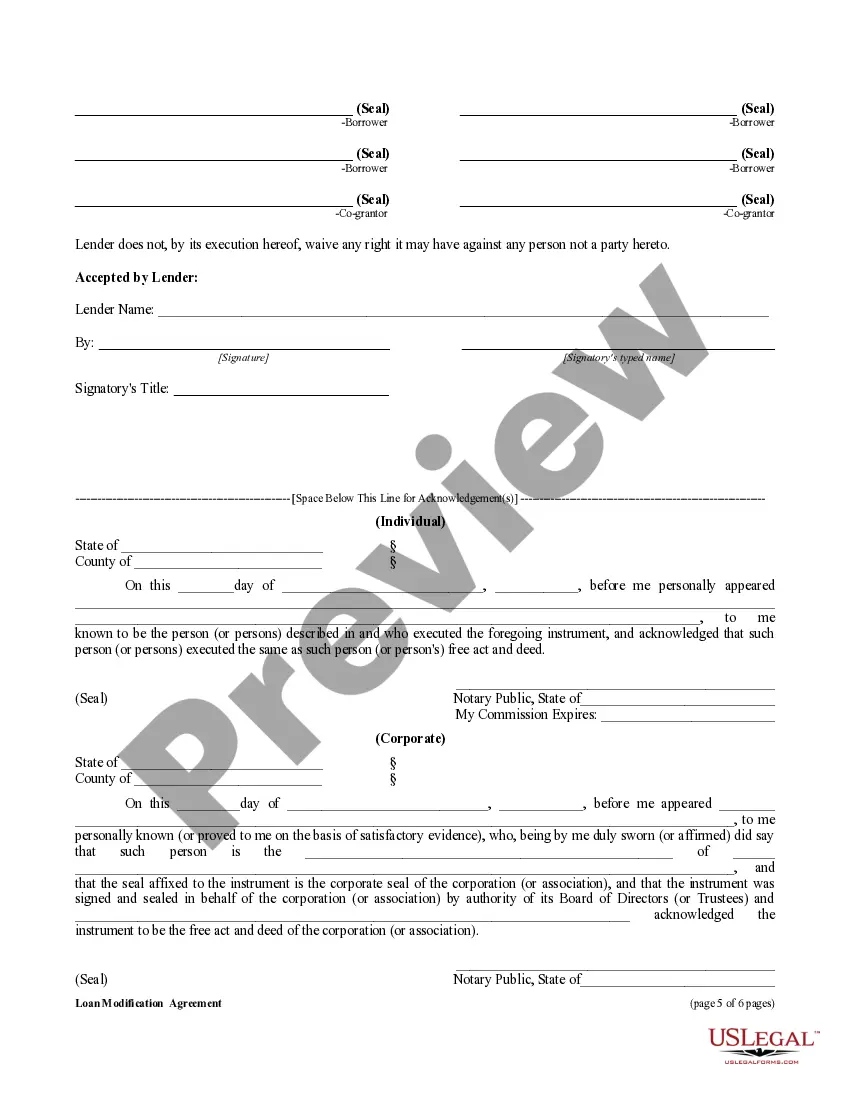

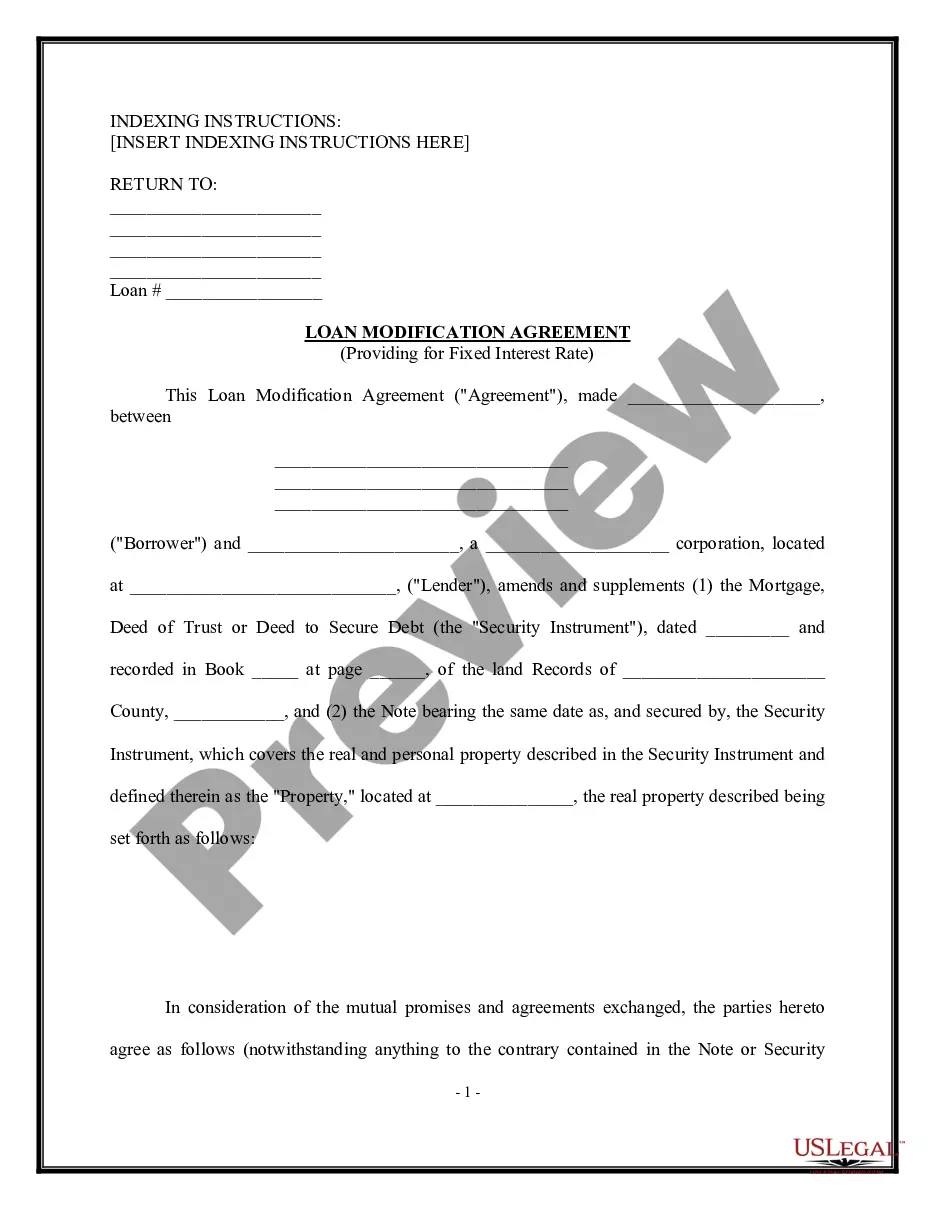
Get your form ready online
Our built-in tools help you complete, sign, share, and store your documents in one place.
Make edits, fill in missing information, and update formatting in US Legal Forms—just like you would in MS Word.
Download a copy, print it, send it by email, or mail it via USPS—whatever works best for your next step.
Sign and collect signatures with our SignNow integration. Send to multiple recipients, set reminders, and more. Go Premium to unlock E-Sign.
If this form requires notarization, complete it online through a secure video call—no need to meet a notary in person or wait for an appointment.
We protect your documents and personal data by following strict security and privacy standards.

Make edits, fill in missing information, and update formatting in US Legal Forms—just like you would in MS Word.

Download a copy, print it, send it by email, or mail it via USPS—whatever works best for your next step.

Sign and collect signatures with our SignNow integration. Send to multiple recipients, set reminders, and more. Go Premium to unlock E-Sign.

If this form requires notarization, complete it online through a secure video call—no need to meet a notary in person or wait for an appointment.

We protect your documents and personal data by following strict security and privacy standards.
Looking for another form?









Form popularity
FAQ
Florida law stipulates that a deed must be signed by the parties involved and witnessed by two individuals. If a deed lacks the requisite witnesses, it faces legal challenges. This can result in difficulties during property transfers and land record disputes.
1) Competent grantor. 2) Execution by the grantor(s) 3) Identifiable grantee. 4) Delivery to and acceptance by the grantee(s) 5) Legal description of the land (property description) 6) Consideration. 7) Words of conveyance (granting clause)
3 legal requirements for a valid deed in Florida The signatures of the owners. The most important component of any deed is the signature of the current owner. Notarization. Given the power that deeds have and the value of real estate, there is plenty of incentive for fraud. Two witness signatures.
What can be construed as a VOID deed? A forged deed. A deed signed by a person determined to be mentally incapacitated. A deed signed by someone who totally does not understand what they are signing. A deed in which the Grantee was typed in without the Grantor's authorization.
Forgeryand fraud A forged deed is void under Florida law and is a third-degree felony. The term covers the fraudulent production of a legal document or making alterations to a legal document which may render it void. These forged documents can make their way into public records and be treated like legitimate documents.
This Deed of Trust (the “Trust Deed”) sets out the terms and conditions upon which: Settlor Name (the “Settlor”), of Settlor Address, settles that property set out in Schedule A (the “Property”) upon Trustee Name (the “Trustee”), being a Company duly registered under the laws of state with registered number ...
Yes you can complete and record your own deed. It must b properly signed, witnessed, and notarized.
Example: When used in a real estate transaction, the promissory note covers the promise to repay the amount owed, interest, and maturity date — while the deed of trust or mortgage outlines the other responsibilities of the parties involved more precisely.
All parties must sign the promissory note. Florida law does not require that the promissory note be notarized, but parties often take this extra step.
An attorney licensed to practice law in Florida must prepare deeds, powers of attorney, and other instruments that are to be recorded. General closing documents that will not be recorded can be prepared by a non-attorney provided they are not contractual in nature.