Secured Debt Shall For Loan In Washington
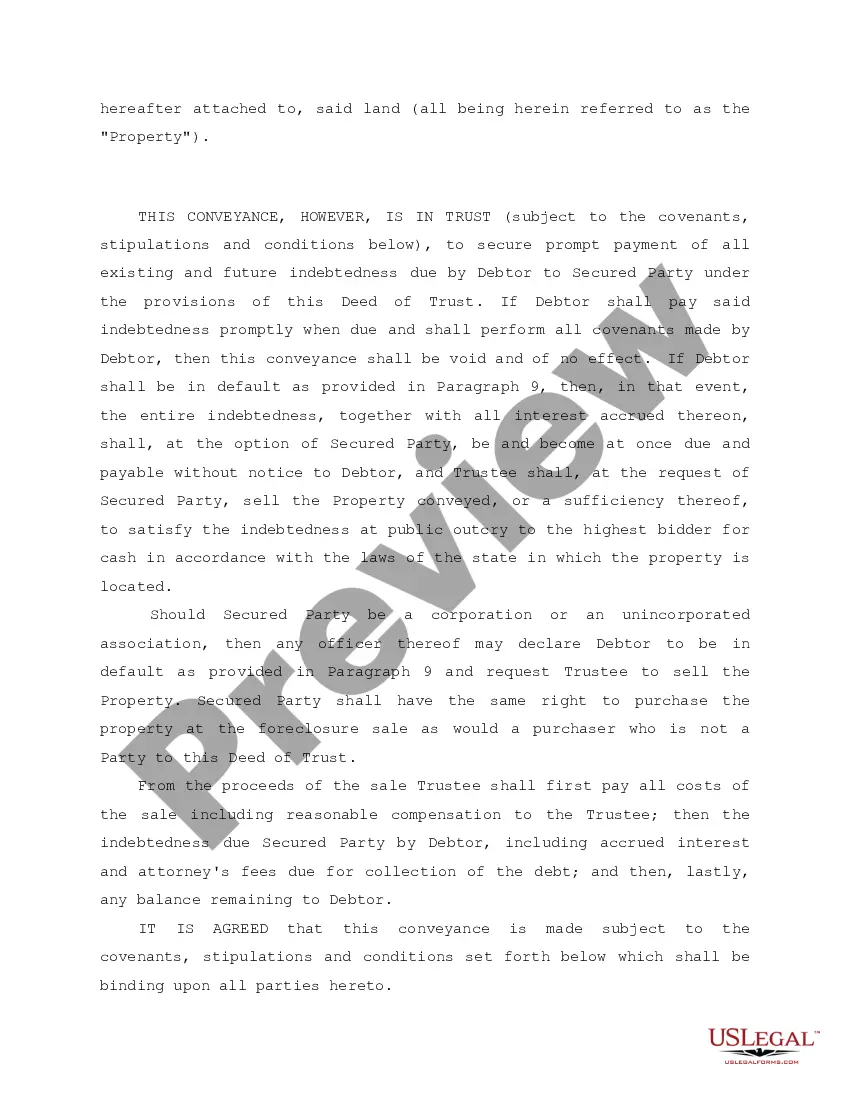
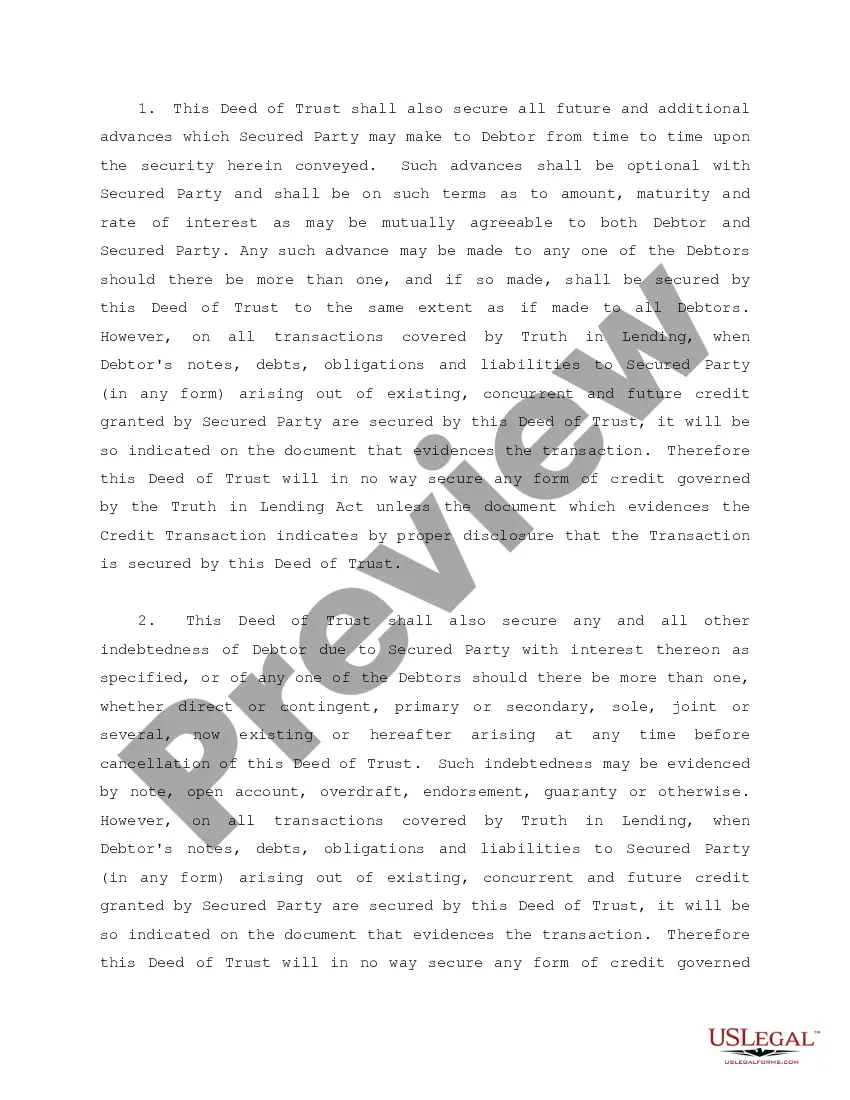
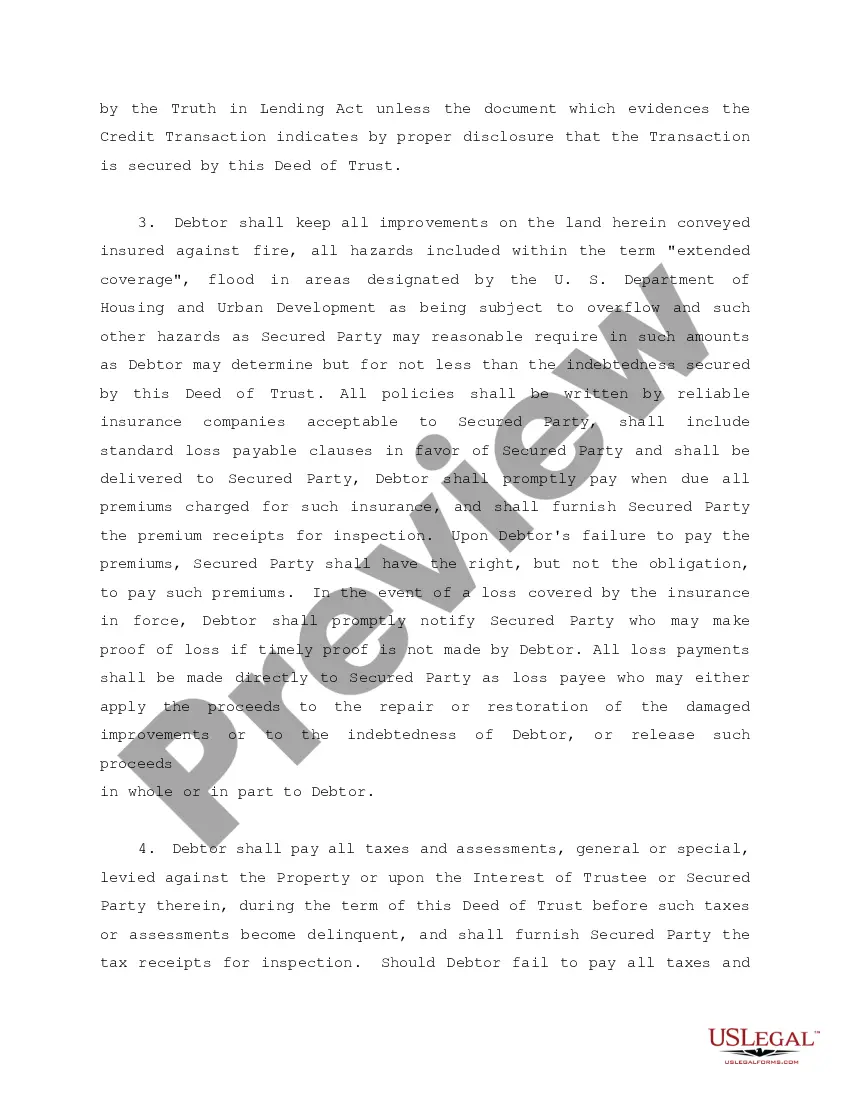
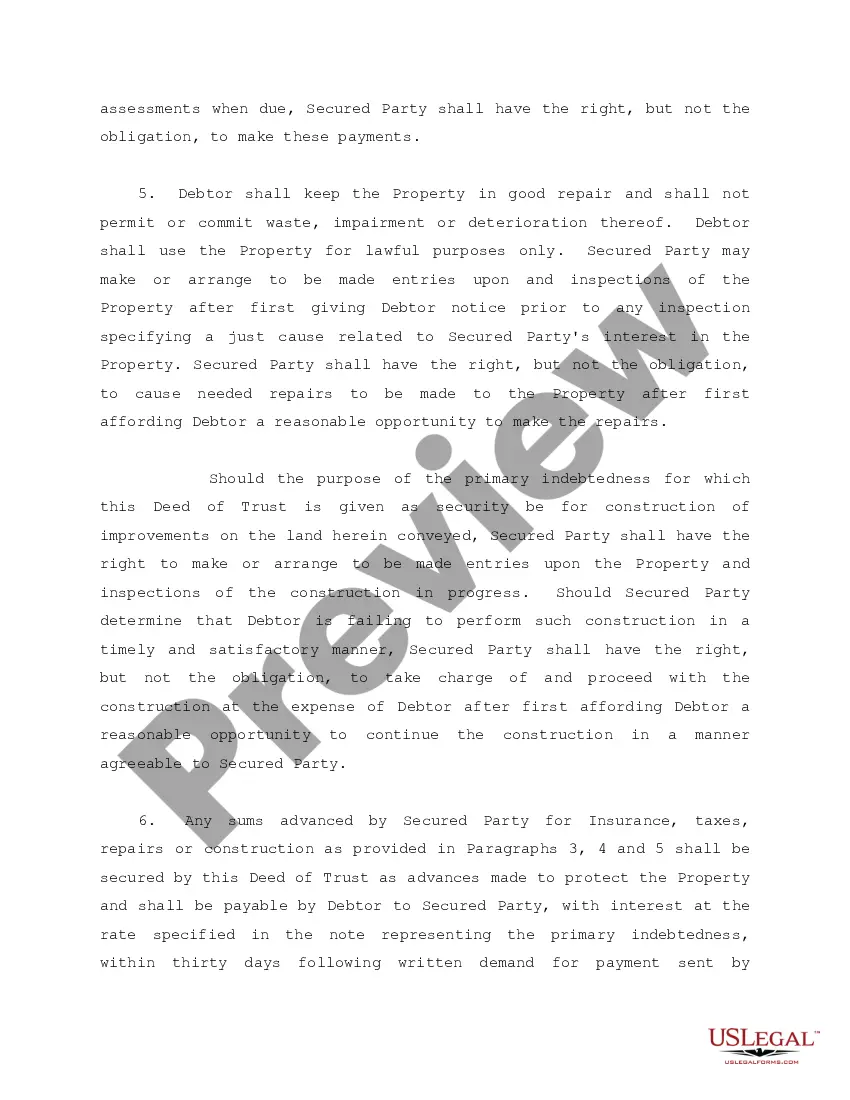
Description

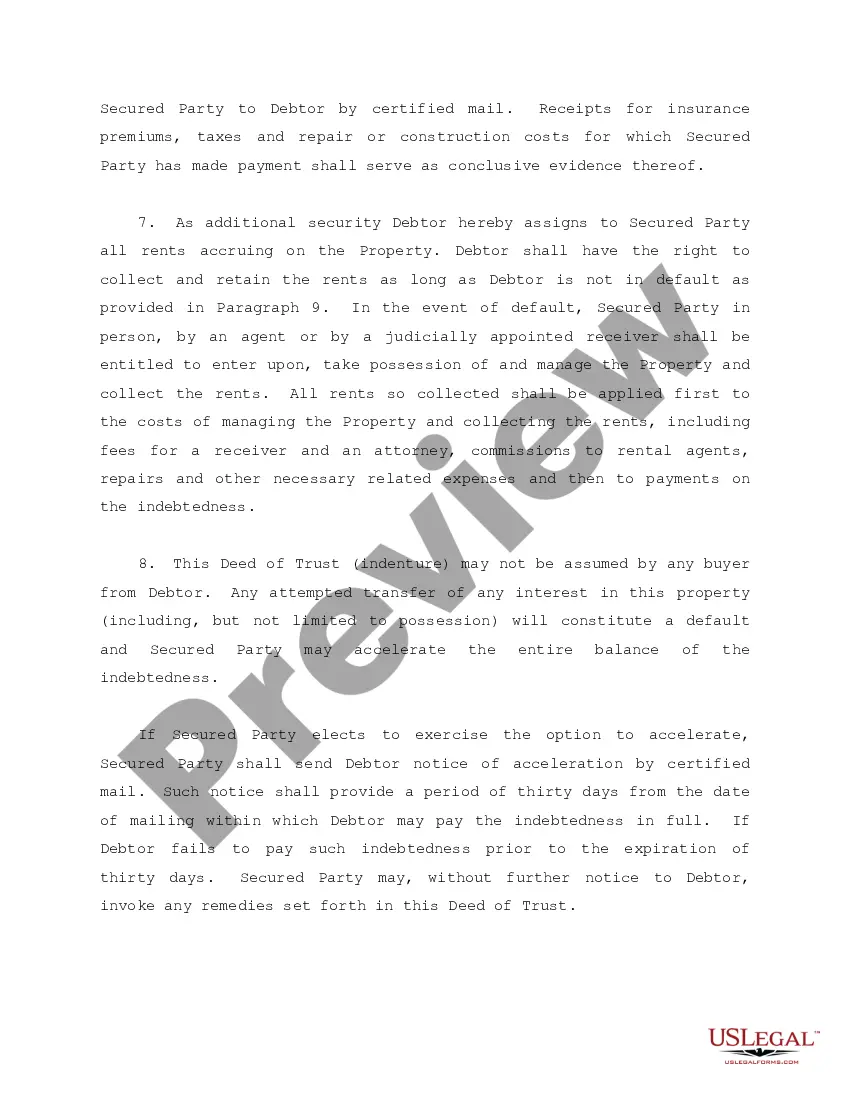
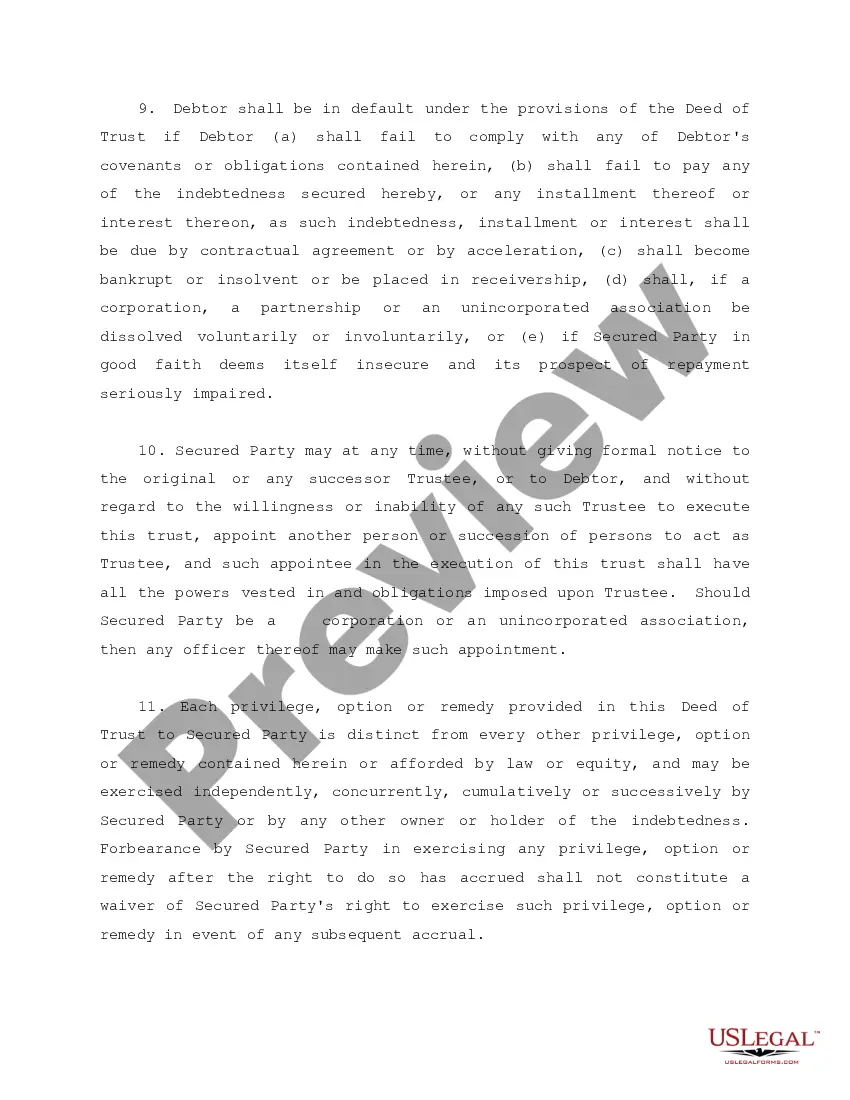
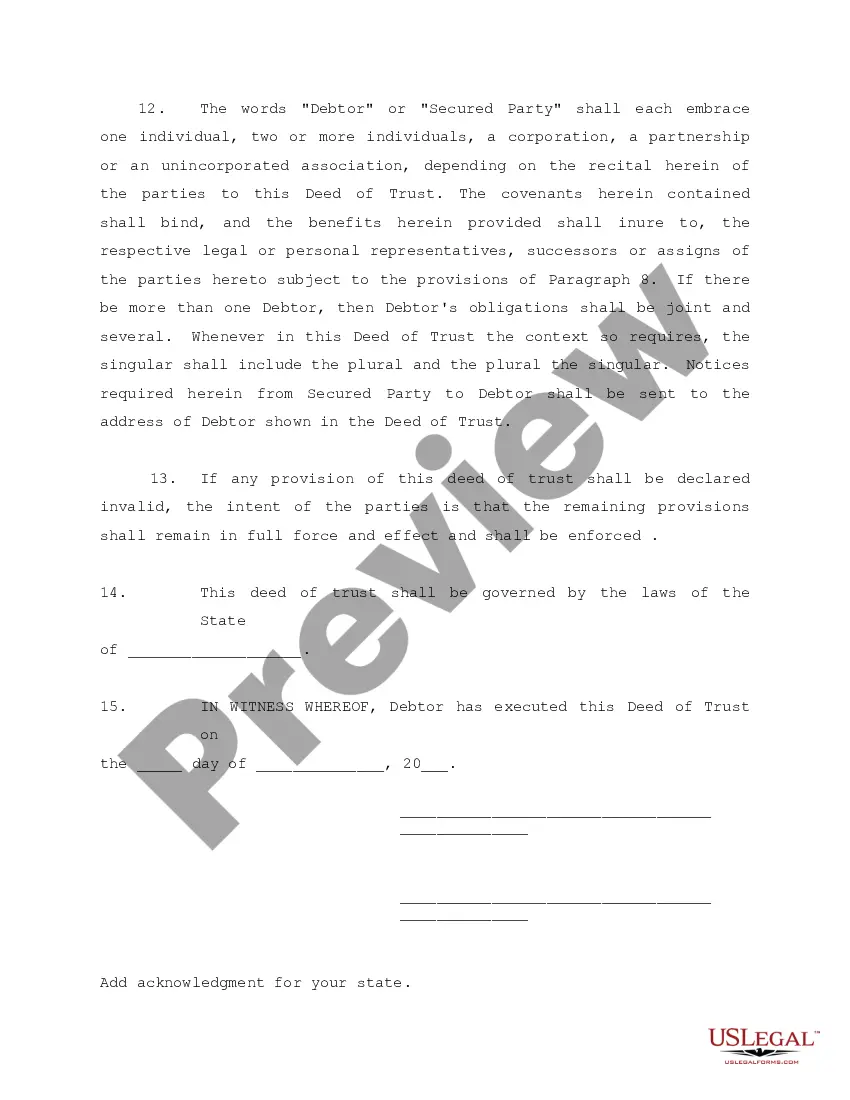


Get your form ready online
Our built-in tools help you complete, sign, share, and store your documents in one place.
Make edits, fill in missing information, and update formatting in US Legal Forms—just like you would in MS Word.
Download a copy, print it, send it by email, or mail it via USPS—whatever works best for your next step.
Sign and collect signatures with our SignNow integration. Send to multiple recipients, set reminders, and more. Go Premium to unlock E-Sign.
If this form requires notarization, complete it online through a secure video call—no need to meet a notary in person or wait for an appointment.
We protect your documents and personal data by following strict security and privacy standards.

Make edits, fill in missing information, and update formatting in US Legal Forms—just like you would in MS Word.

Download a copy, print it, send it by email, or mail it via USPS—whatever works best for your next step.

Sign and collect signatures with our SignNow integration. Send to multiple recipients, set reminders, and more. Go Premium to unlock E-Sign.

If this form requires notarization, complete it online through a secure video call—no need to meet a notary in person or wait for an appointment.

We protect your documents and personal data by following strict security and privacy standards.
Looking for another form?








Form popularity
FAQ
Promissory notes and deeds of trust are subject to Washington's six-year statute of limitations. Installment notes have two separate six-year limitations periods. The first applies to each payment and begins on the day it becomes overdue; the second applies to the entire debt and begins on the note's maturity date.
Promissory notes and deeds of trust are subject to Washington's six-year statute of limitations. Installment notes have two separate six-year limitations periods. The first applies to each payment and begins on the day it becomes overdue; the second applies to the entire debt and begins on the note's maturity date.
Debt collectors cannot harass or abuse you. They cannot swear, threaten to illegally harm you or your property, threaten you with illegal actions, or falsely threaten you with actions they do not intend to take. They also cannot make repeated calls over a short period to annoy or harass you.
When it comes to credit card debt relief, it's important to dispel a common misconception: There are no government-sponsored programs specifically designed to eliminate credit card debt. So, you should be wary of any offers claiming to represent such government initiatives, as they may be misleading or fraudulent.
The phrase in question is: “Please cease and desist all calls and contact with me, immediately.” These 11 words, when used correctly, can provide significant protection against aggressive debt collection practices.
When a Collection Agency Contacts You A collection agency cannot call or write to you more than three times a week. A collection agency cannot harass, intimidate, threaten, or embarrass you; A collection agency cannot threaten violence, criminal prosecution, or use offensive language; and.
The Debt Collection Rule prohibits a debt collector from communicating or attempting to communicate with a person, in connection with the collection of a debt, through a social media platform if the communication or attempt to communicate is viewable by the general public or the person's social media contacts.
(i) All household goods, appliances, furniture, and home and yard equipment, not to exceed $6,500 in value for the individual, said amount to include provisions and fuel for comfortable maintenance; (ii) In a bankruptcy case, any other personal property, except personal earnings as provided under RCW 6.15.
Maybe. A Judgment Creditor may try to have the sheriff sell your real property (land, house, and other buildings). The homestead law protects up to $125,000 of equity in your home from most Judgment Creditors. If you live on the property claimed as a homestead, the exemption is automatic.
In Washington, the homestead exemption is $40,000 and includes land, mobile homes, and improvements. If you have a life insurance policy where the beneficiary is not yourself, the proceeds and avails are exempt from creditor claims.
