Secure Debt Shall Forget The Day Lyrics In Washington
Description

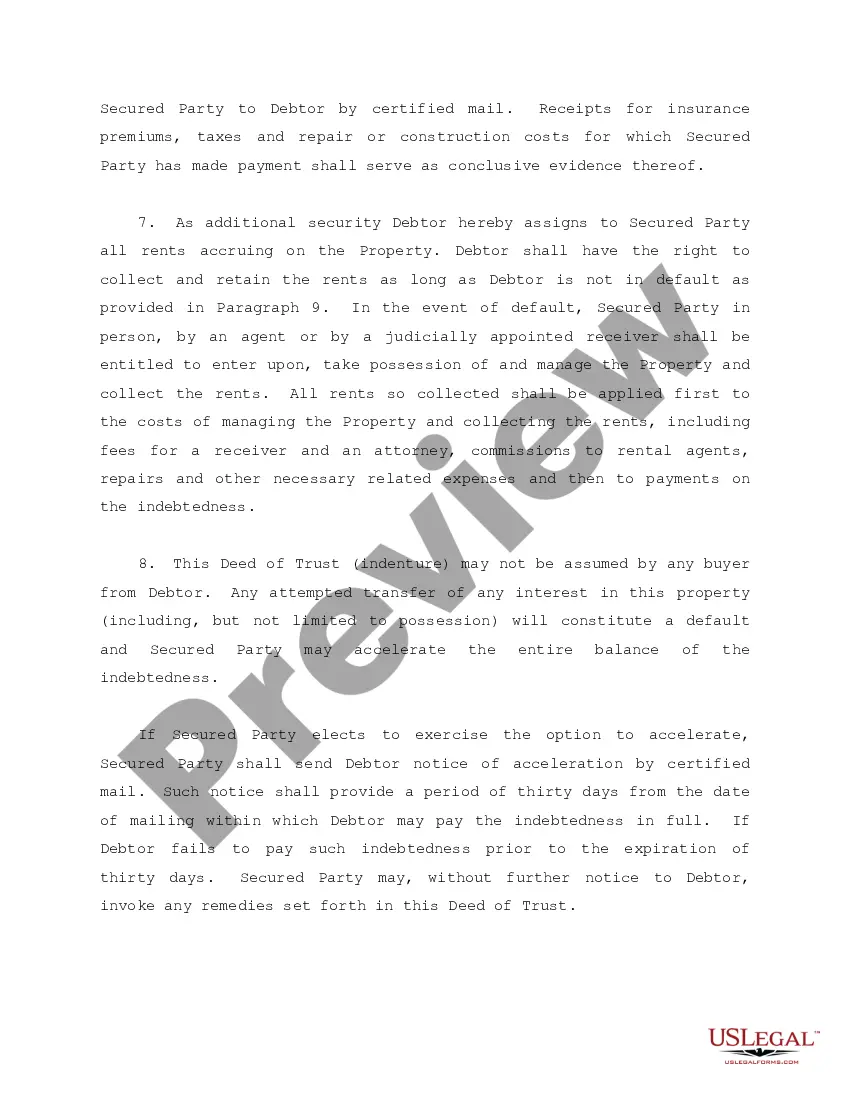
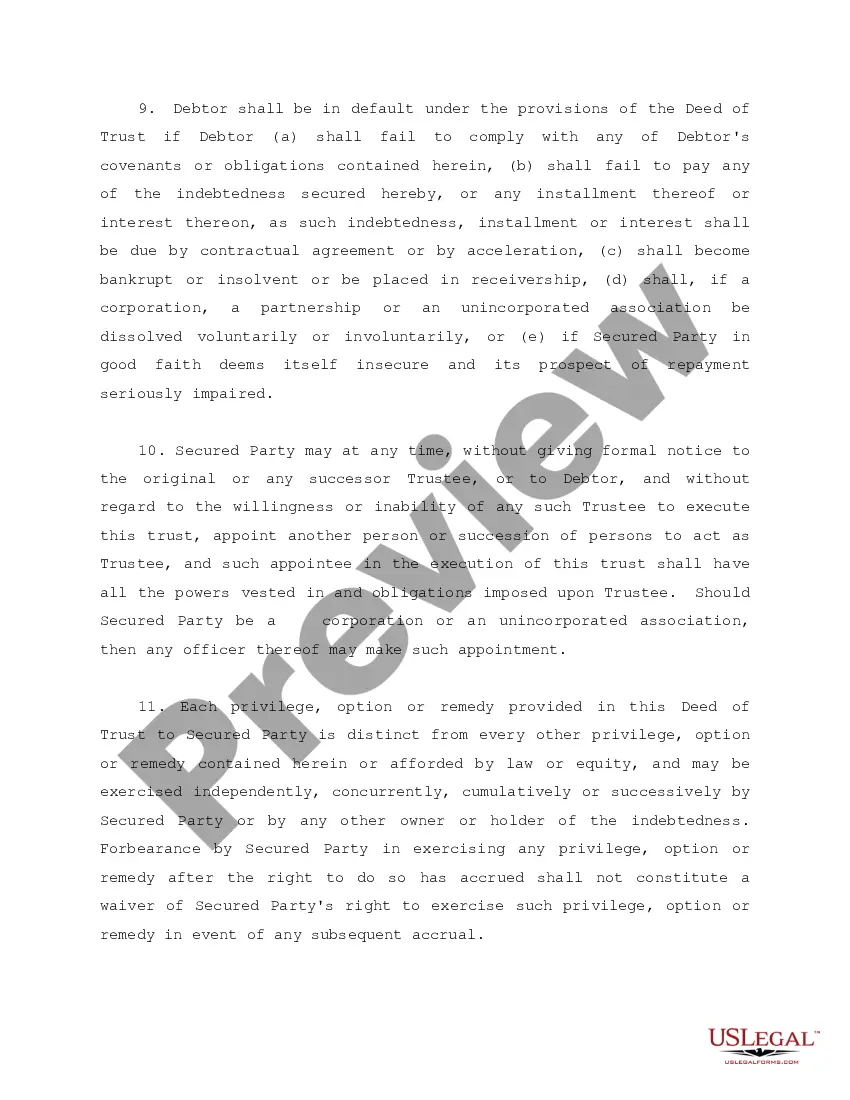
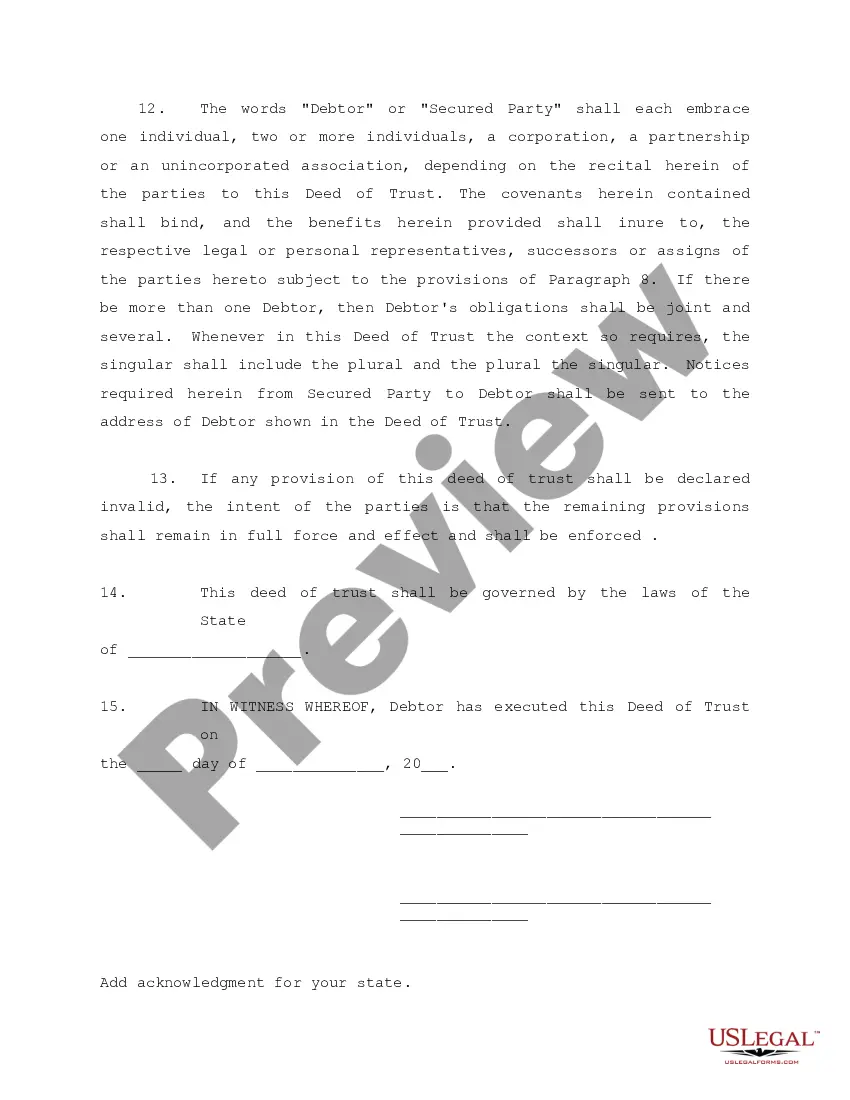
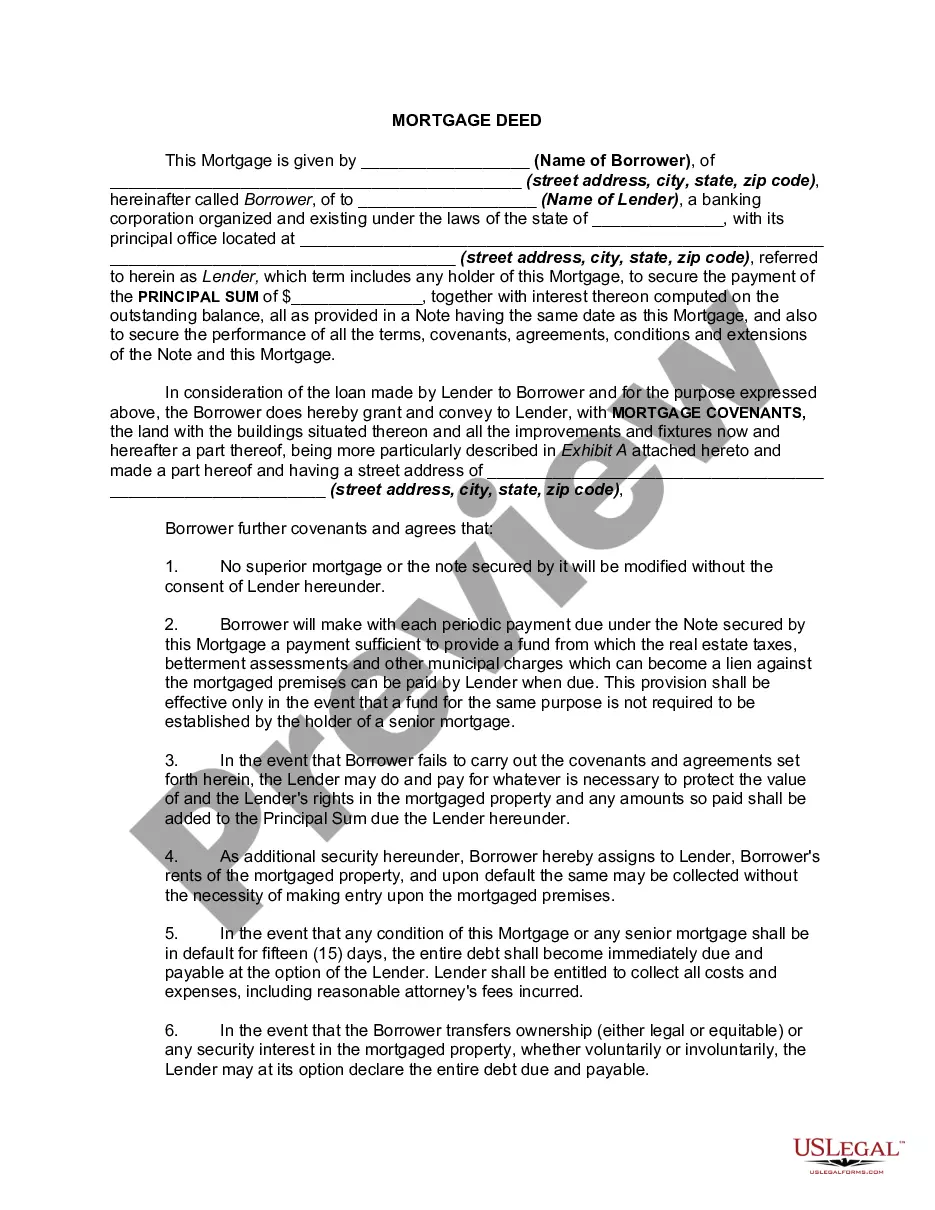

Get your form ready online
Our built-in tools help you complete, sign, share, and store your documents in one place.
Make edits, fill in missing information, and update formatting in US Legal Forms—just like you would in MS Word.
Download a copy, print it, send it by email, or mail it via USPS—whatever works best for your next step.
Sign and collect signatures with our SignNow integration. Send to multiple recipients, set reminders, and more. Go Premium to unlock E-Sign.
If this form requires notarization, complete it online through a secure video call—no need to meet a notary in person or wait for an appointment.
We protect your documents and personal data by following strict security and privacy standards.

Make edits, fill in missing information, and update formatting in US Legal Forms—just like you would in MS Word.

Download a copy, print it, send it by email, or mail it via USPS—whatever works best for your next step.

Sign and collect signatures with our SignNow integration. Send to multiple recipients, set reminders, and more. Go Premium to unlock E-Sign.

If this form requires notarization, complete it online through a secure video call—no need to meet a notary in person or wait for an appointment.

We protect your documents and personal data by following strict security and privacy standards.
Looking for another form?





Form popularity
FAQ
When a Collection Agency Contacts You A collection agency cannot call or write to you more than three times a week. A collection agency cannot harass, intimidate, threaten, or embarrass you; A collection agency cannot threaten violence, criminal prosecution, or use offensive language; and.
The Debt Collection Rule prohibits a debt collector from communicating or attempting to communicate with a person, in connection with the collection of a debt, through a social media platform if the communication or attempt to communicate is viewable by the general public or the person's social media contacts.
The Washington Collection Agency Act and federal Fair Debt Collection Practices Act prohibit harassment, false or misleading statements and unfair practices by collection agencies. If you believe a collection agency has unreasonably harassed or misled you, you can sue them. You could win damages and lawyer fees.
Debt collectors cannot harass or abuse you. They cannot swear, threaten to illegally harm you or your property, threaten you with illegal actions, or falsely threaten you with actions they do not intend to take. They also cannot make repeated calls over a short period to annoy or harass you.
He warned against sectionalism, the practice of people putting regional and local politics above the good of the nation as a whole. Second, he warned against political parties, stating that they were divisive. Lastly, he warned against becoming too involved in the affairs of foreign nations.
In his farewell address, Washington exhorted Americans to set aside their violent likes and dislikes of foreign nations, lest they be controlled by their passions: “The nation which indulges toward another an habitual hatred or an habitual fondness is in some degree a slave.” Washington's remarks have served as an ...
Washington's Farewell Address spoke to contemporary concerns that the Union was weak and vulnerable to attacks from internal and external enemies. But even after the uncertainty of the early national period had passed, his message of unity remained powerful.
The two most famous statements in the Farewell Address are comments about political parties and foreign alliances. Washington didn't like the idea of political parties (which he called “baneful”) and made that clear in a concluding statement in a passage about factions.
Frustrated by French meddling in U.S. politics, Washington warned the nation to avoid permanent alliances with foreign nations and to rely instead on temporary alliances for emergencies.
Your answer should include the court name, case name, case number, and your affirmative defenses. Print three copies of your answer. File one with the clerk's office and mail (or “serve”) one to the plaintiff or plaintiff's attorney. The plaintiff is the debt collector, creditor, or law firm suing you.
