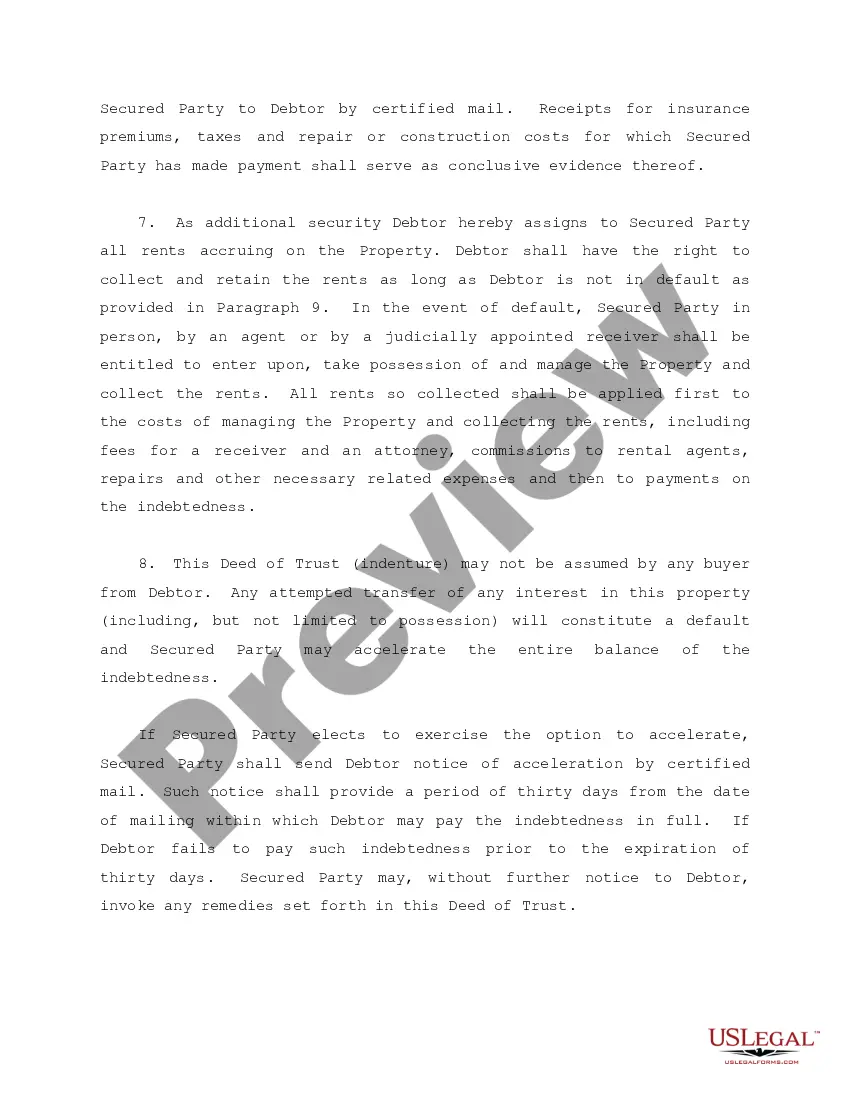
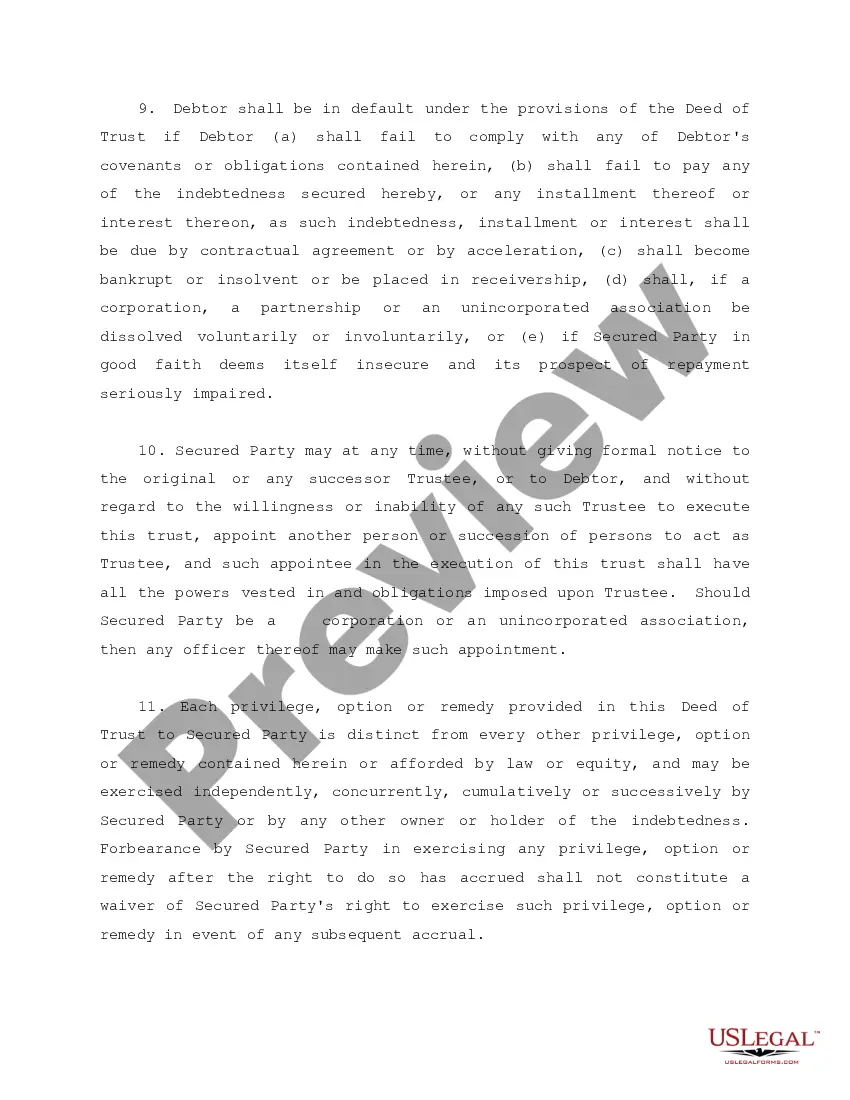
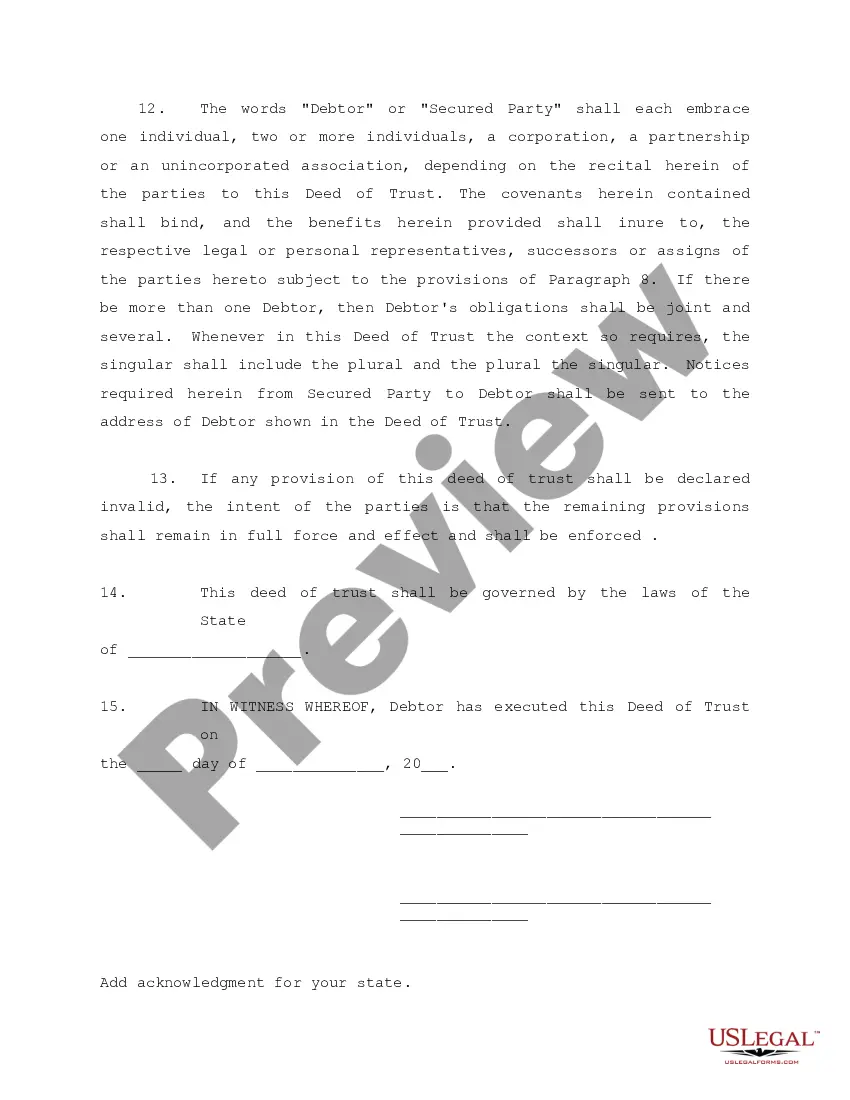
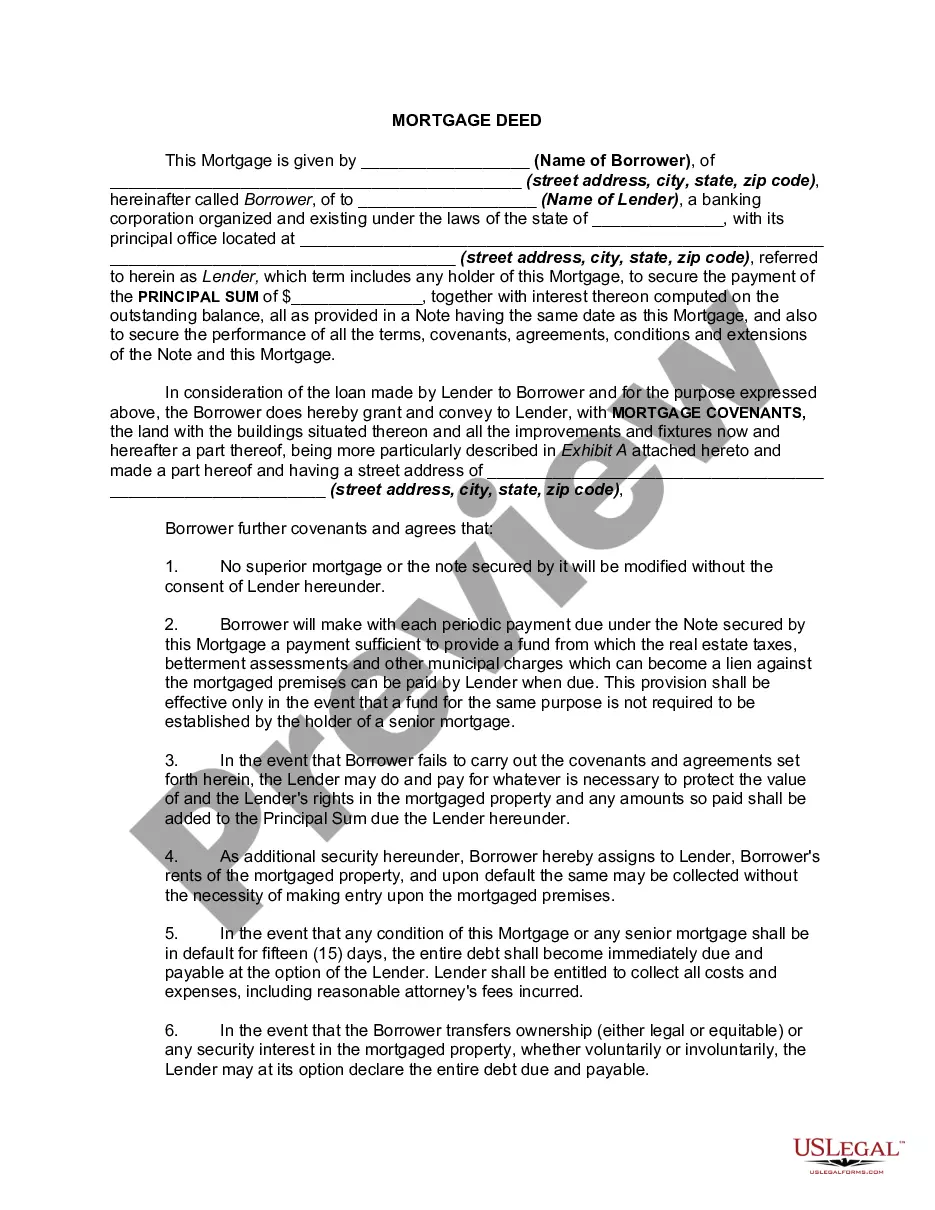
Secured Debt Shall For Loan In Travis
Description

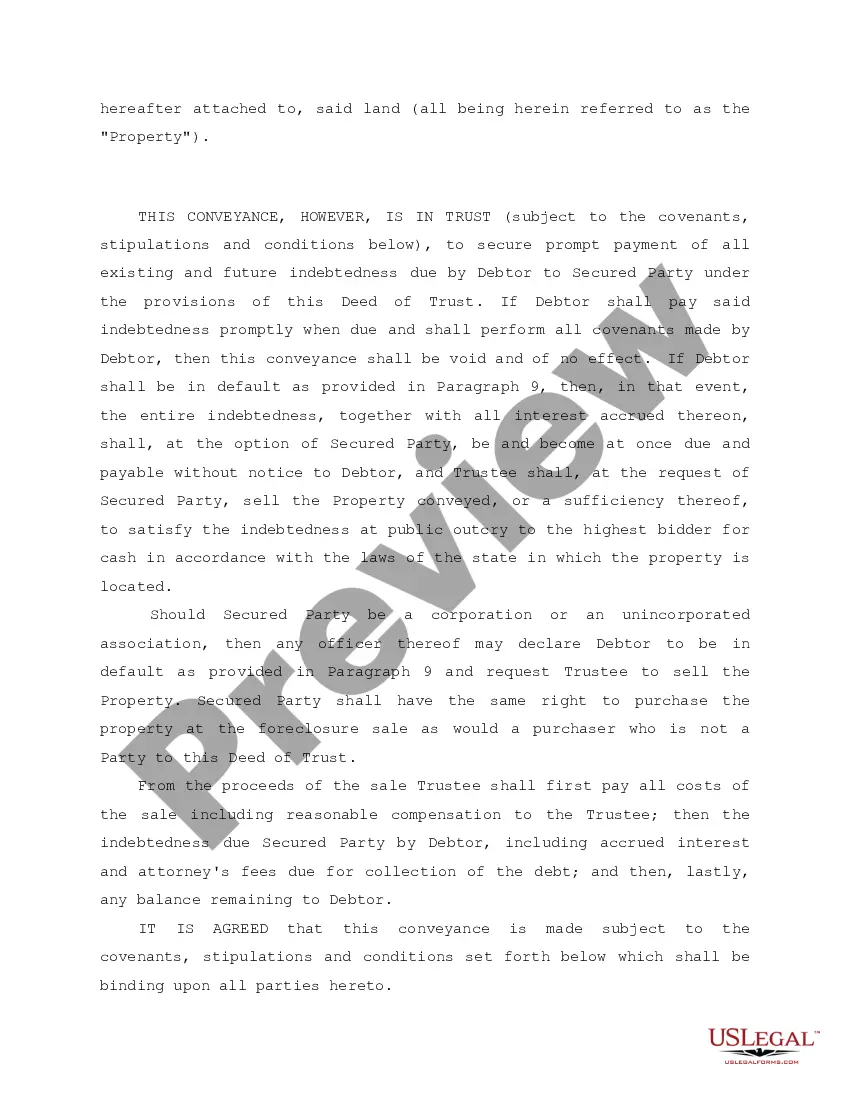
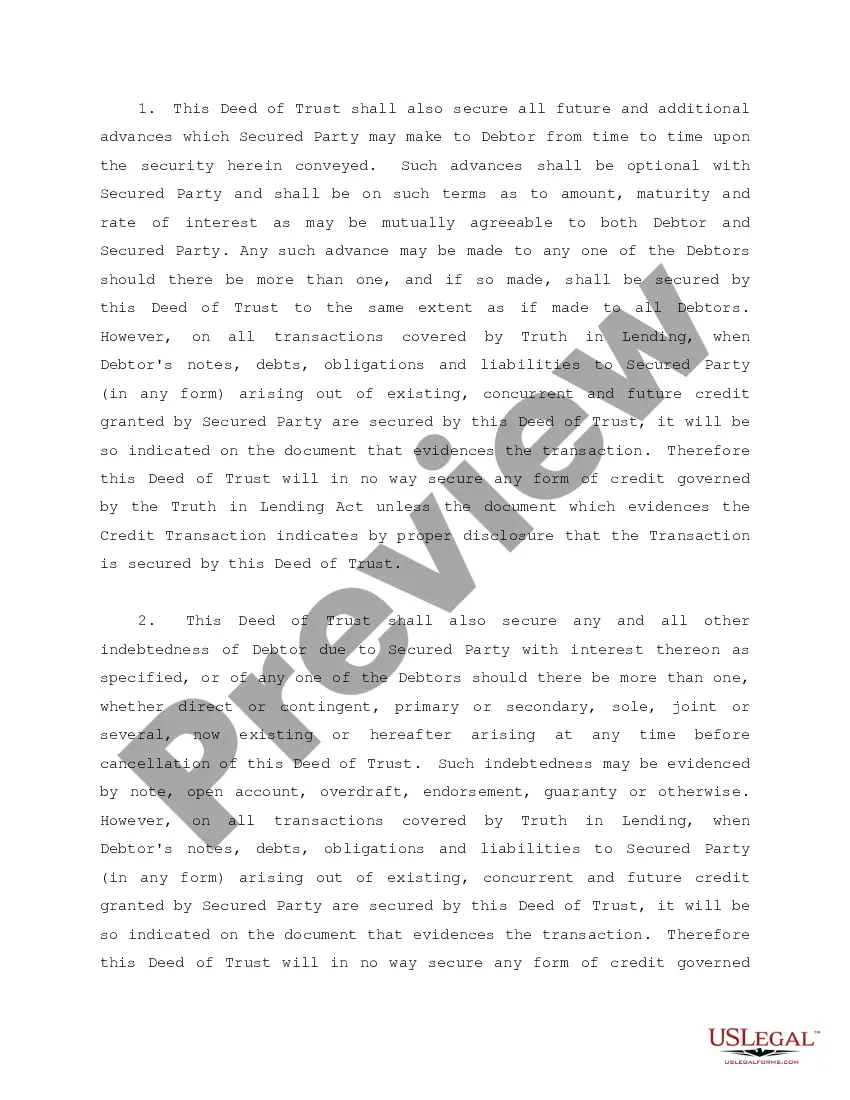
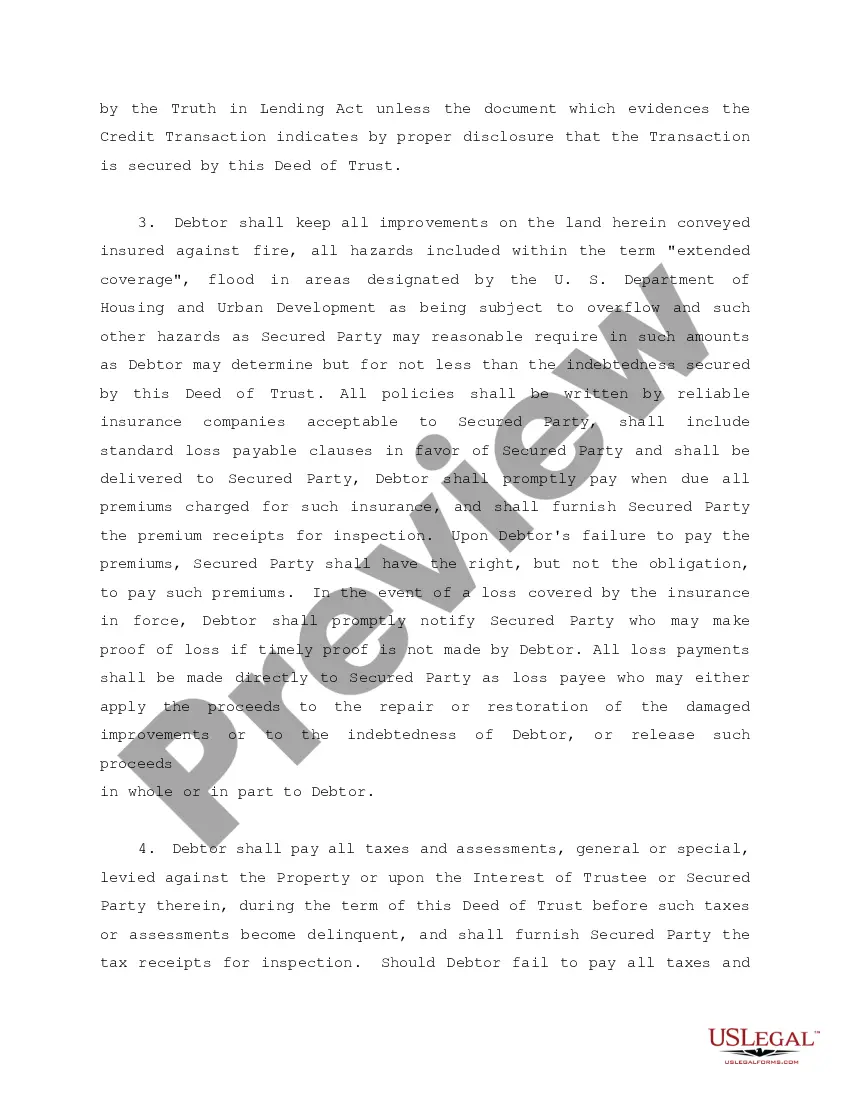
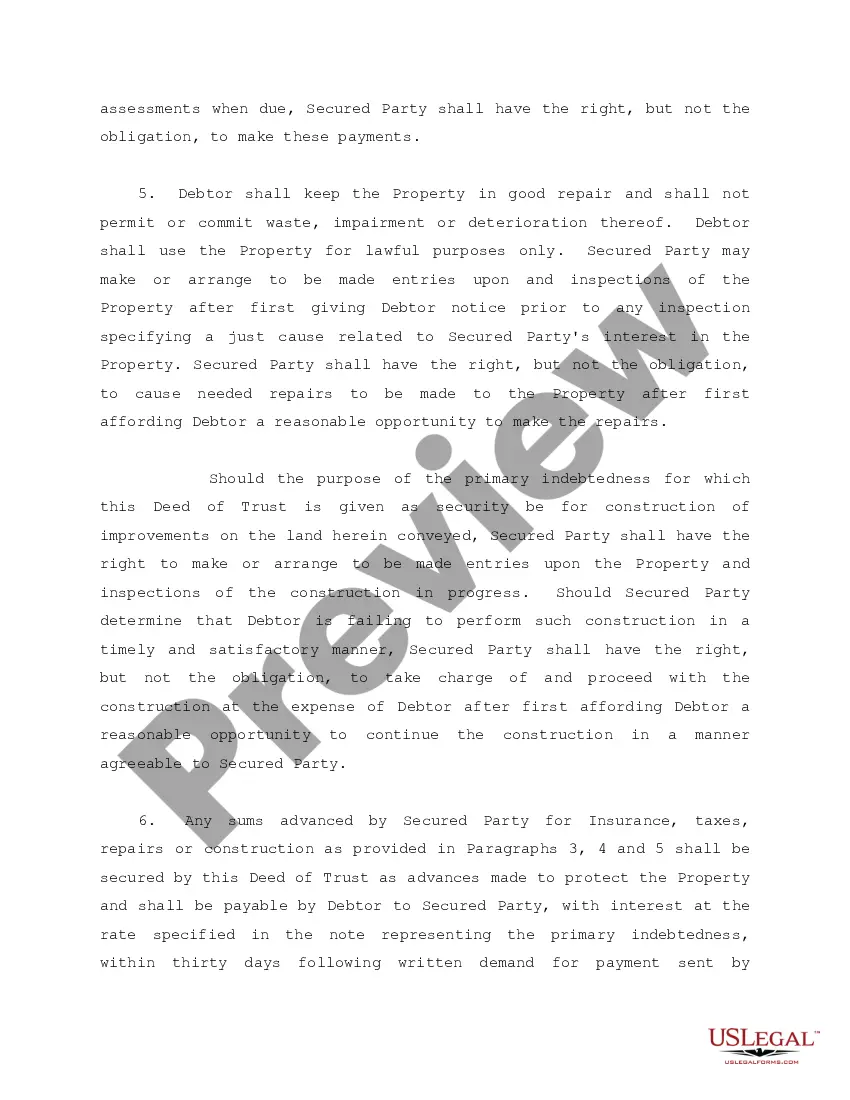

Get your form ready online
Our built-in tools help you complete, sign, share, and store your documents in one place.
Make edits, fill in missing information, and update formatting in US Legal Forms—just like you would in MS Word.
Download a copy, print it, send it by email, or mail it via USPS—whatever works best for your next step.
Sign and collect signatures with our SignNow integration. Send to multiple recipients, set reminders, and more. Go Premium to unlock E-Sign.
If this form requires notarization, complete it online through a secure video call—no need to meet a notary in person or wait for an appointment.
We protect your documents and personal data by following strict security and privacy standards.

Make edits, fill in missing information, and update formatting in US Legal Forms—just like you would in MS Word.

Download a copy, print it, send it by email, or mail it via USPS—whatever works best for your next step.

Sign and collect signatures with our SignNow integration. Send to multiple recipients, set reminders, and more. Go Premium to unlock E-Sign.

If this form requires notarization, complete it online through a secure video call—no need to meet a notary in person or wait for an appointment.

We protect your documents and personal data by following strict security and privacy standards.
Looking for another form?







Form popularity
FAQ
If you can't or don't want to keep paying the secured debt, you have the option to surrender the collateral. This means you give the property back to the lender, and you're no longer responsible for the debt.
Take Inventory of What You Owe. Make a Budget. Avoid New Debt. Use a Debt Repayment Strategy. Reach Out to a Credit Counselor. Consider Debt Relief. Look Into Other Financial Assistance Programs.
Secured debt is explicitly collateralized, placing a lien on specific assets, which facilitates enforcement. Unsecured debt is backed by unencumbered assets and thus implicitly collateralized. The explicit col- lateralization of secured debt entails costs but enables higher leverage.
Examples of secured debt include mortgages, auto loans and secured credit cards.
If you file for a Chapter 7 bankruptcy, your secured debt may be discharged, but the lender is also able to repossess the property that secured the debt. In other words, if you have a mortgage on your home and file a Chapter 7 bankruptcy, the mortgage debt may be discharged but the lender can take back your home.
We help people of every socioeconomic status achieve financial wellness, especially our youth, the military and the underserved.
A wire transfer is the direct movement of funds between credit unions and other financial institutions. Upon receipt, funds are typically made available immediately. Members may initiate a wire transfer in a branch by visiting one of our four locations or via remote channels.
If your TCU card is lost or stolen, or you suspect unauthorized use of your card, immediately call Travis Credit Union at (707) 449-4000 or (800) 877-8328 during normal business hours.
Individuals can use wire transfer services at their financial institution or through an entity like Western Union. Wire transfers can be used for domestic or international transactions. Western Union. "What Documents Are Suitable and Why Does Western Union Need Them?"
Call the Member Service Center at (800) 877-8328 with any questions. Note: Neither branch staff nor security are authorized to accept service of process.
