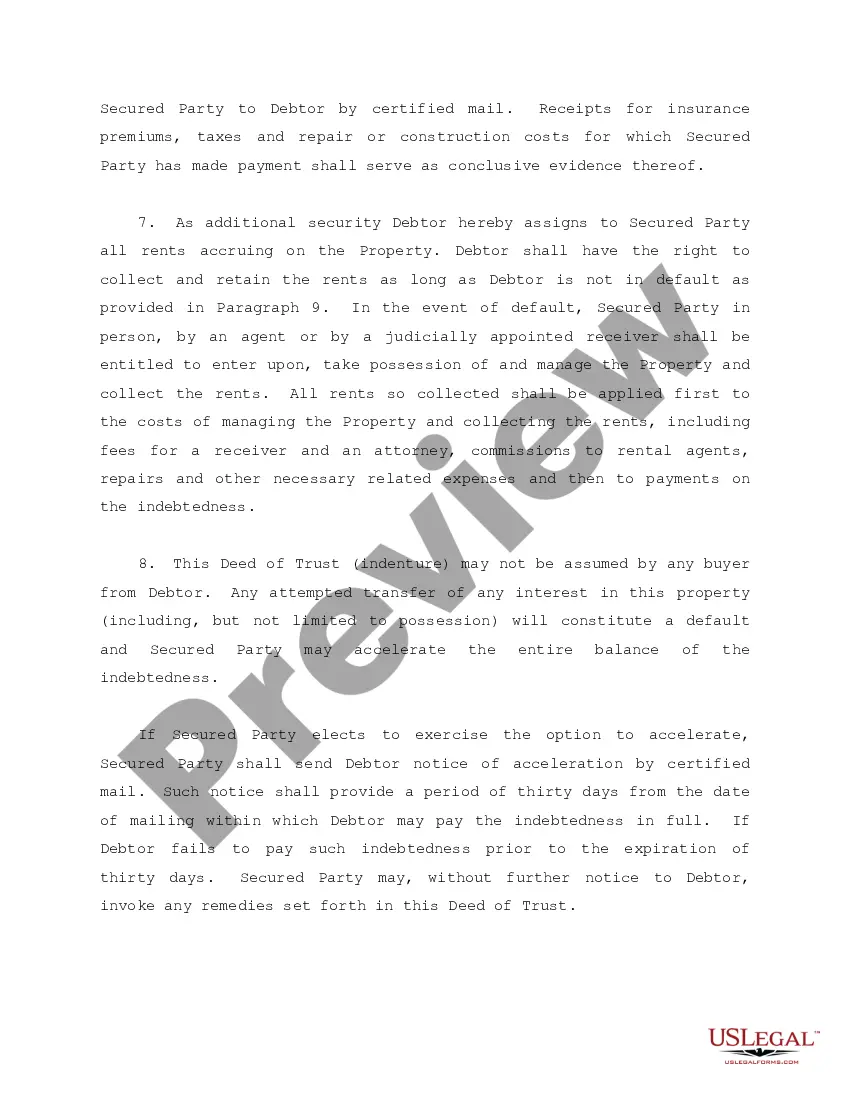
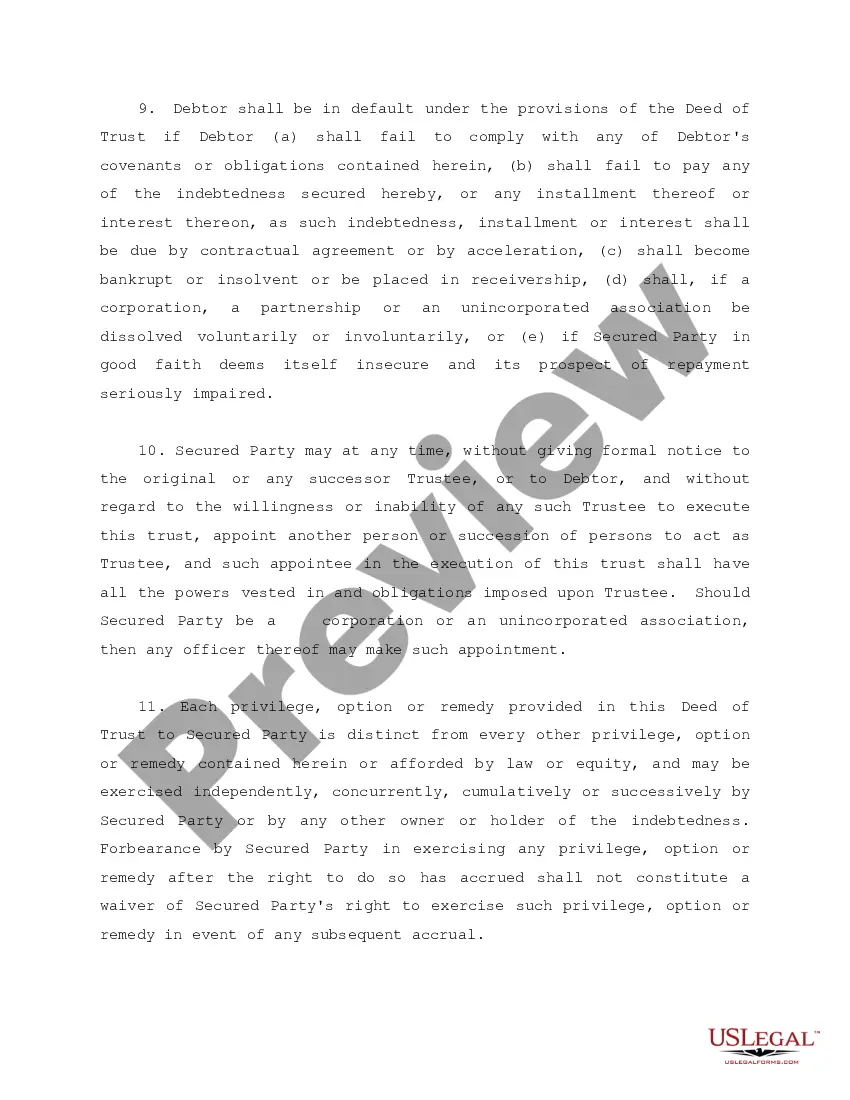
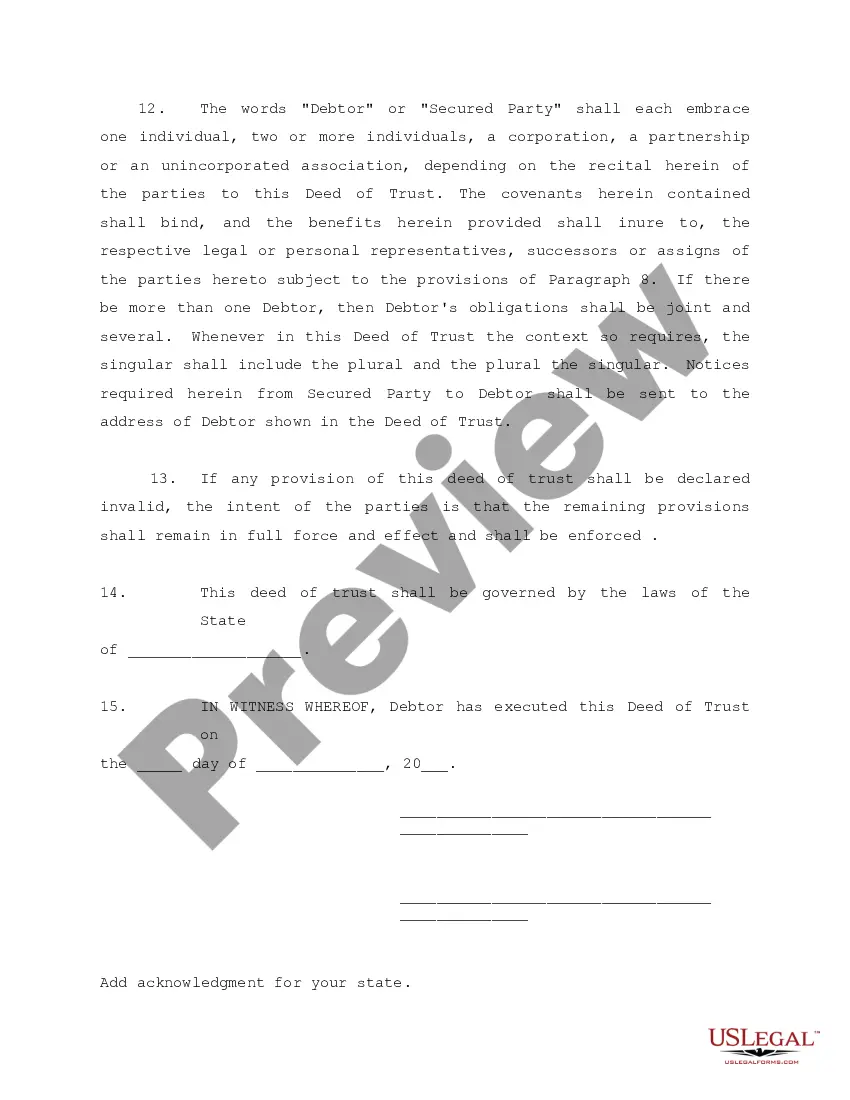
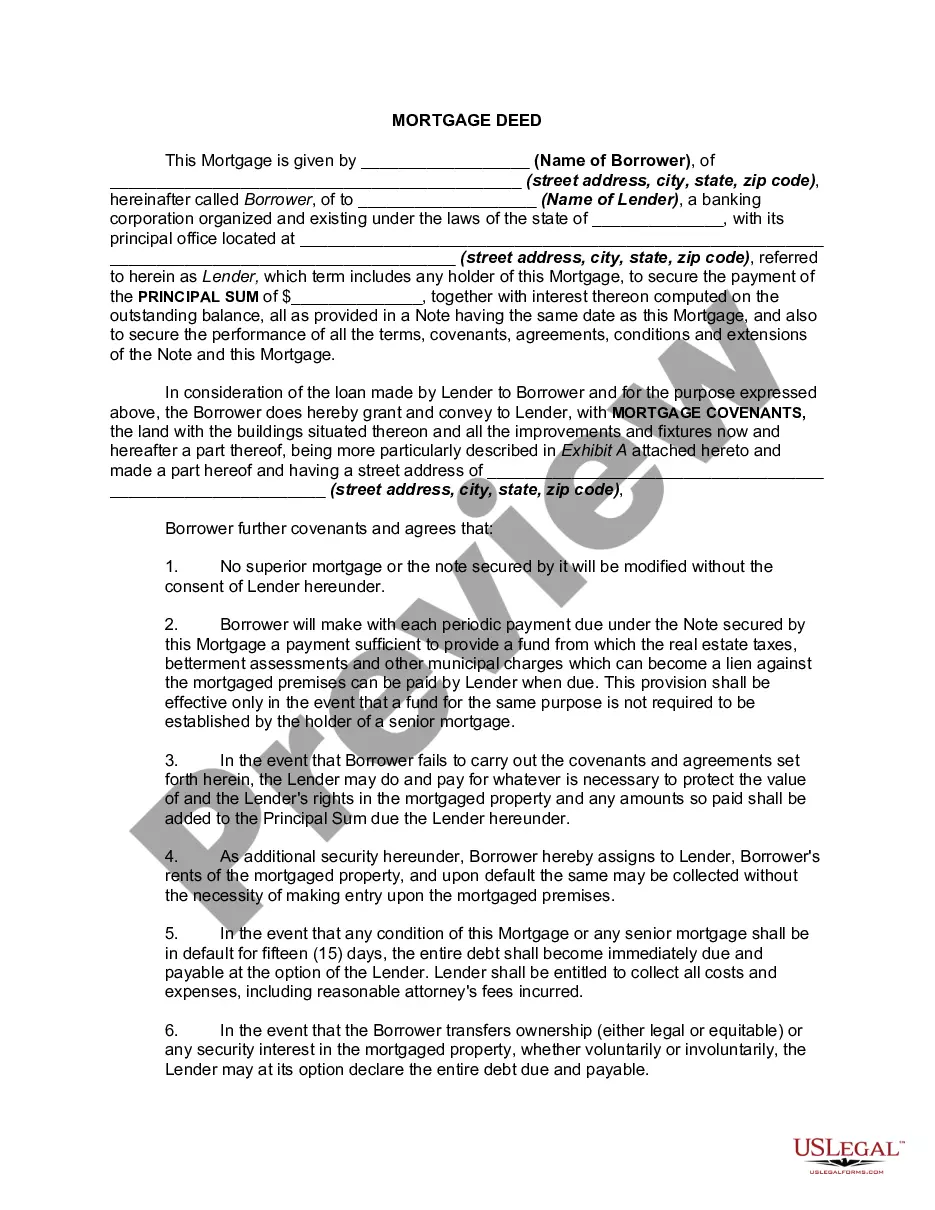
Security Debt Shall With Example In San Jose
Description

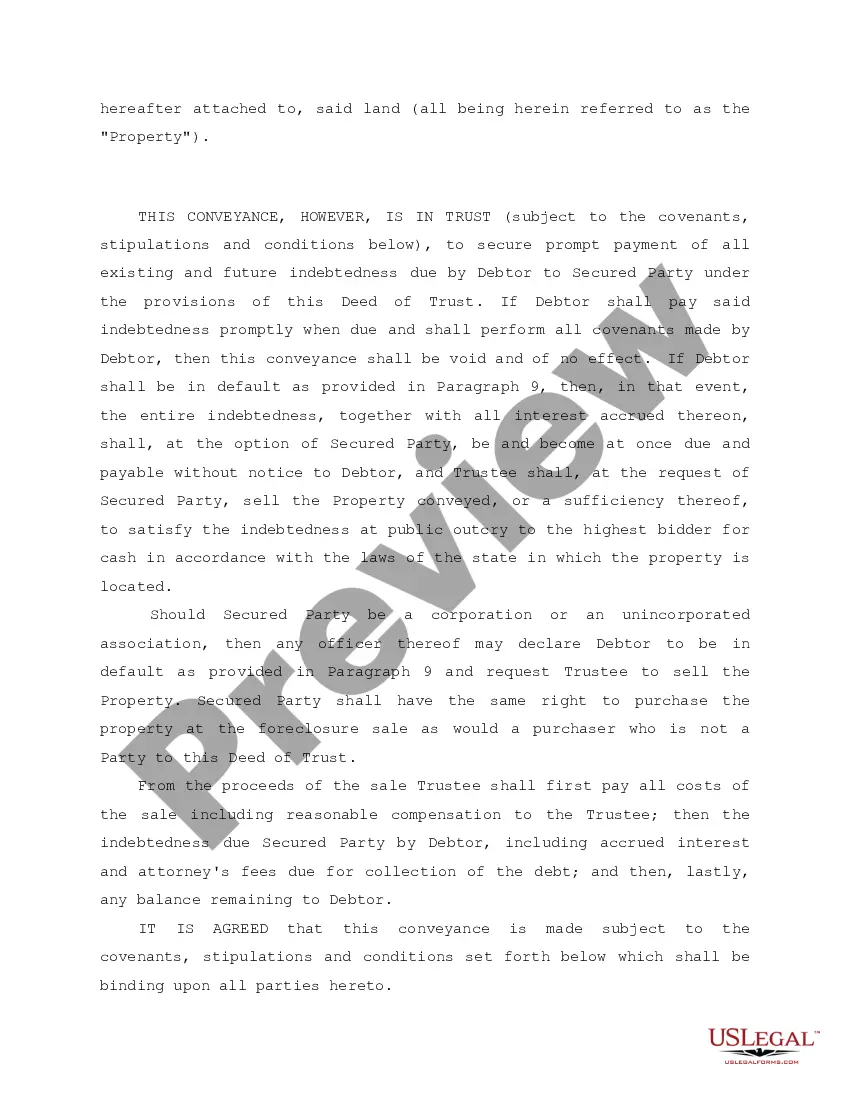
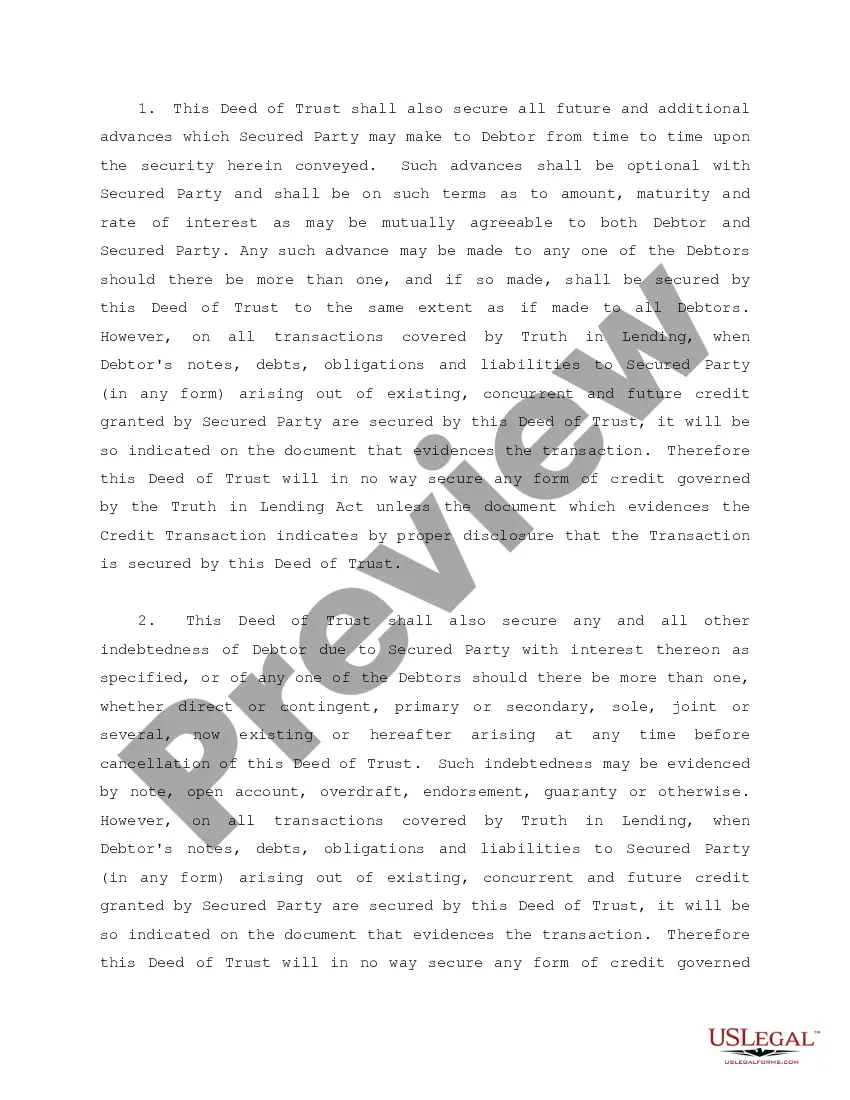
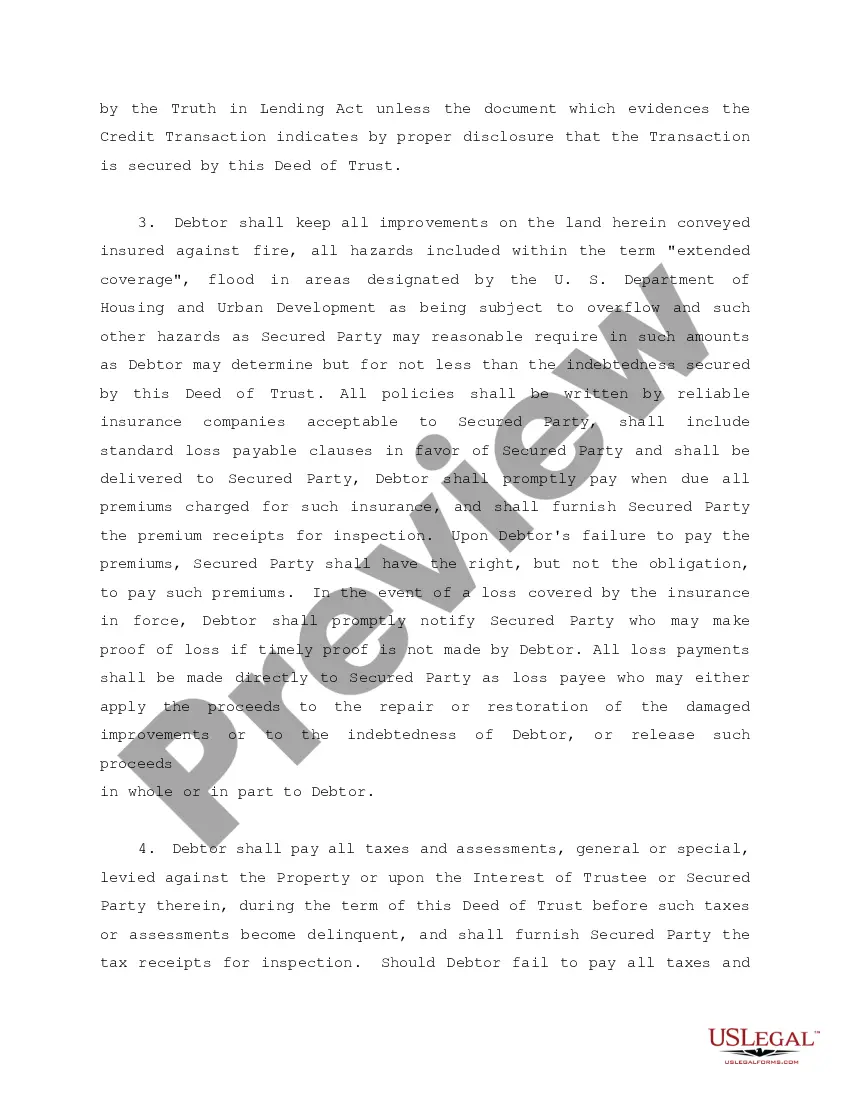
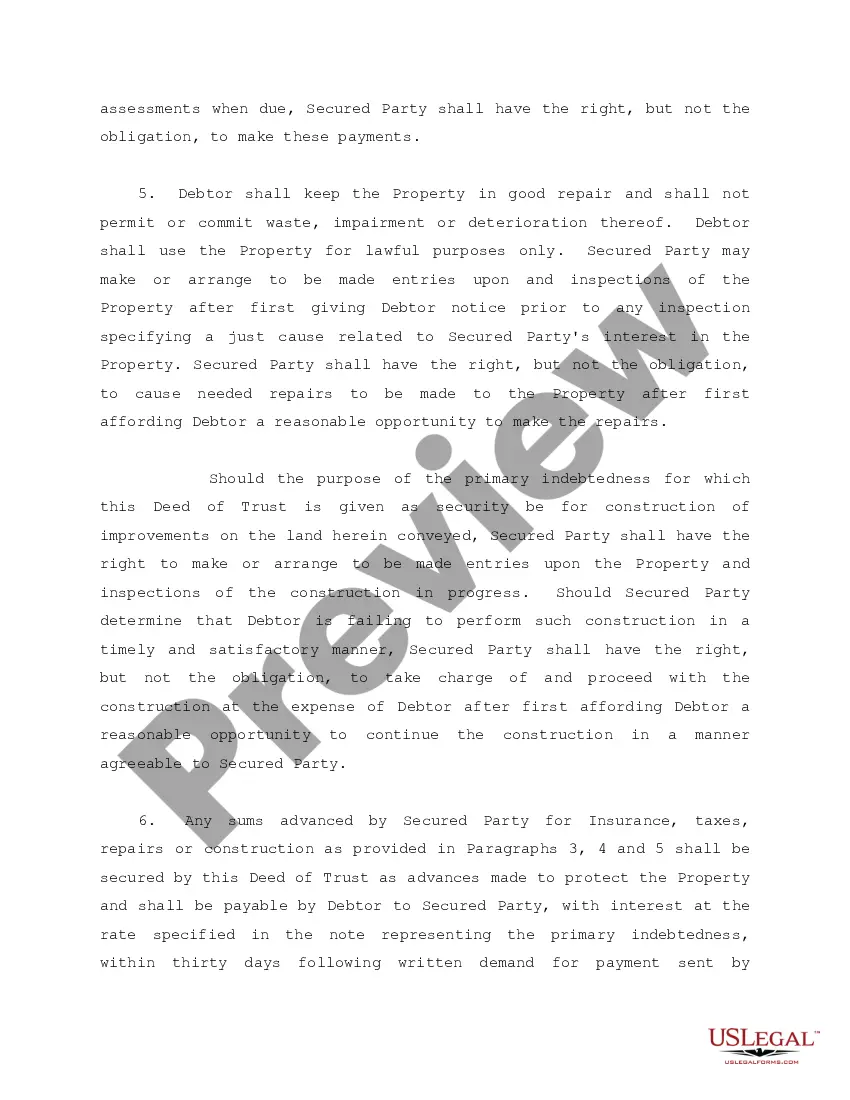

Get your form ready online
Our built-in tools help you complete, sign, share, and store your documents in one place.
Make edits, fill in missing information, and update formatting in US Legal Forms—just like you would in MS Word.
Download a copy, print it, send it by email, or mail it via USPS—whatever works best for your next step.
Sign and collect signatures with our SignNow integration. Send to multiple recipients, set reminders, and more. Go Premium to unlock E-Sign.
If this form requires notarization, complete it online through a secure video call—no need to meet a notary in person or wait for an appointment.
We protect your documents and personal data by following strict security and privacy standards.

Make edits, fill in missing information, and update formatting in US Legal Forms—just like you would in MS Word.

Download a copy, print it, send it by email, or mail it via USPS—whatever works best for your next step.

Sign and collect signatures with our SignNow integration. Send to multiple recipients, set reminders, and more. Go Premium to unlock E-Sign.

If this form requires notarization, complete it online through a secure video call—no need to meet a notary in person or wait for an appointment.

We protect your documents and personal data by following strict security and privacy standards.
Looking for another form?








Form popularity
FAQ
Normal wear and tear generally refers to the expected deterioration of a rental unit as a result of the tenant's everyday use. This can include things like loose doorknobs, worn out carpet, and minor scratches on the walls and floors.
Steps to Take to Become a Secured Creditor Prepare a security agreement with your customer. File a UCC-1 form or financing statement with the appropriate state office. Search for and notify other secured creditors that you have "perfected" or established priority.
A lien is a security interest or legal claim against property that is used as collateral to satisfy a debt. In other words, liens enable creditors to assert their rights over property.
A landlord can only deduct certain items from a security deposit. The landlord can deduct for: Cleaning the rental unit when a tenant moves out, but only to make it as clean as when the tenant first moved in. Repairing damage, other than normal wear and tear, caused by the tenant and the tenant's guests.
Some of the most common types of unsecured creditors include credit card companies, utilities, landlords, hospitals and doctor's offices, and lenders that issue personal or student loans (though education loans carry a special exception that prevents them from being discharged).
Follow these steps to respond to a debt collection case in California Answer each claim listed in the complaint. Assert your affirmative defenses. File the Answer with the court and serve the plaintiff.
That might mean writing a timely response and showing up to court on the date stated in the court papers, even if you think you don't owe the debt. Responding or showing up in court might help you settle the debt because some collectors would rather settle than go through a long (and expensive) lawsuit.
You must fill out an Answer, serve the other side's attorney, and file your Answer form with the court within 30 days. If you don't, the creditor can ask for a default. If there's a default, the court won't let you file an Answer and can decide the case without you.
