Security Debt Any For Dummies In San Antonio
Description

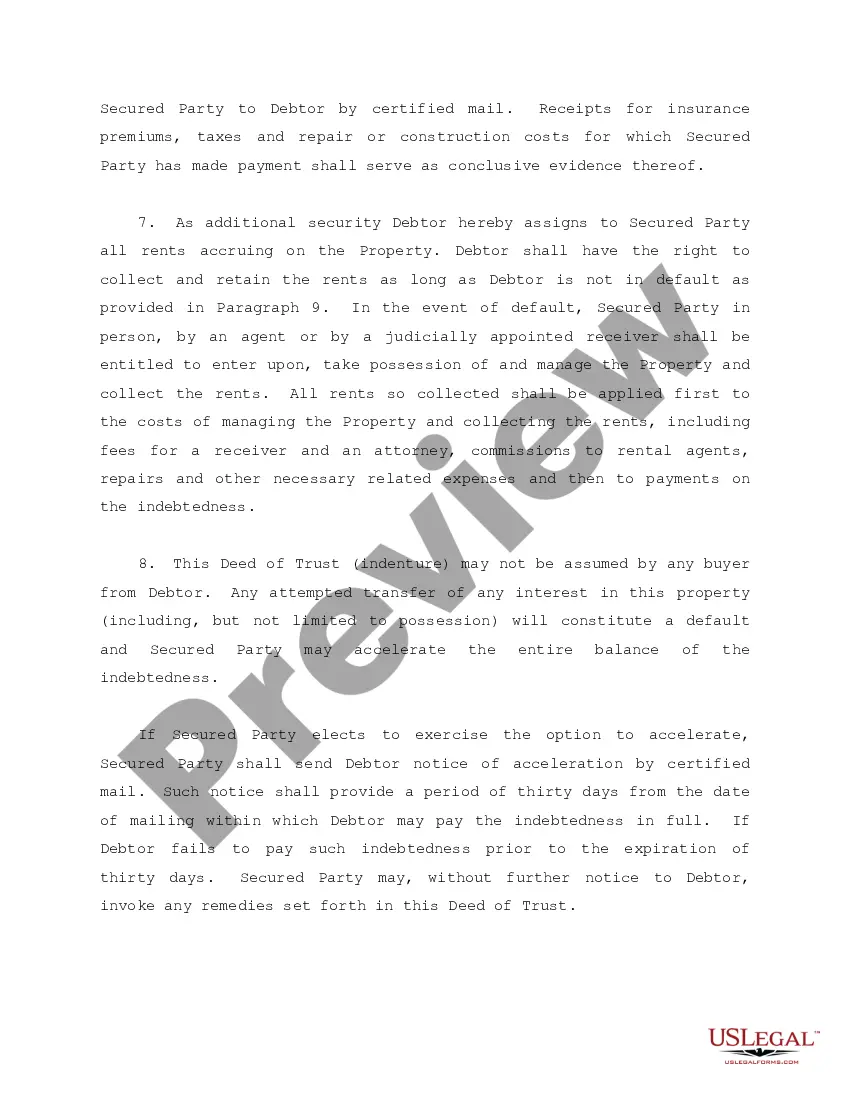
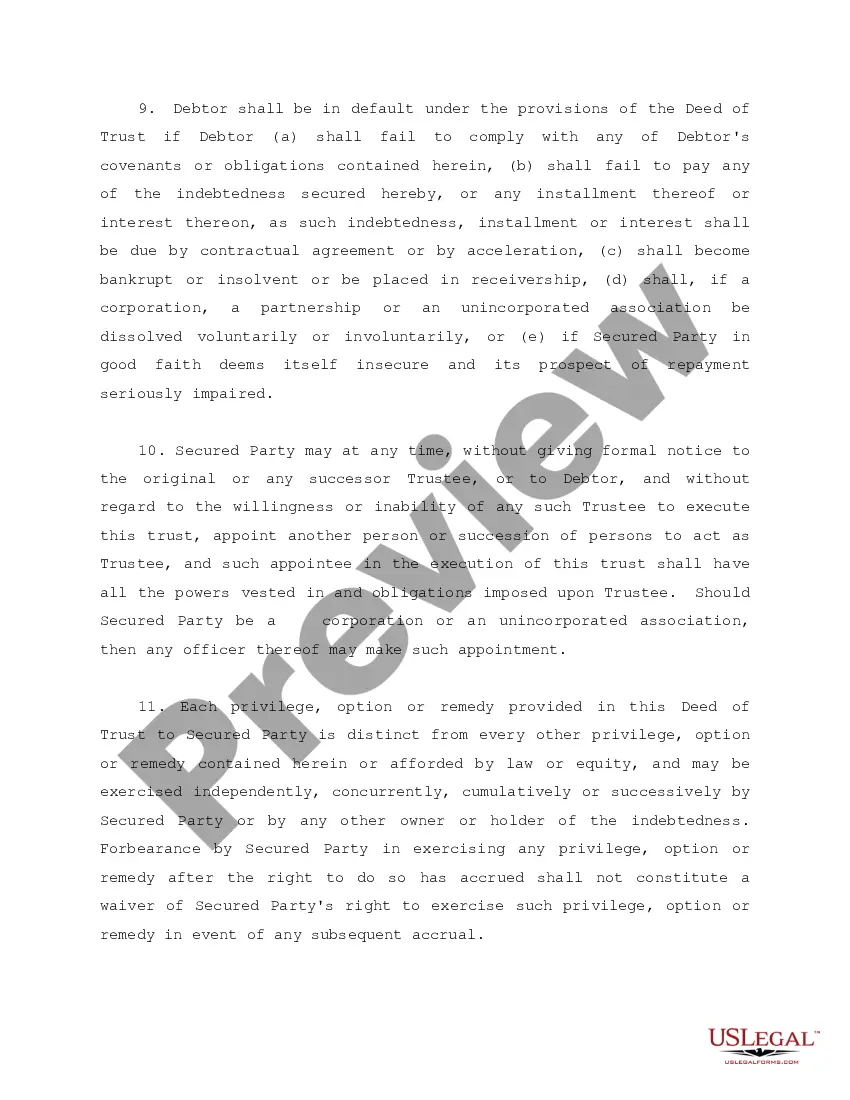
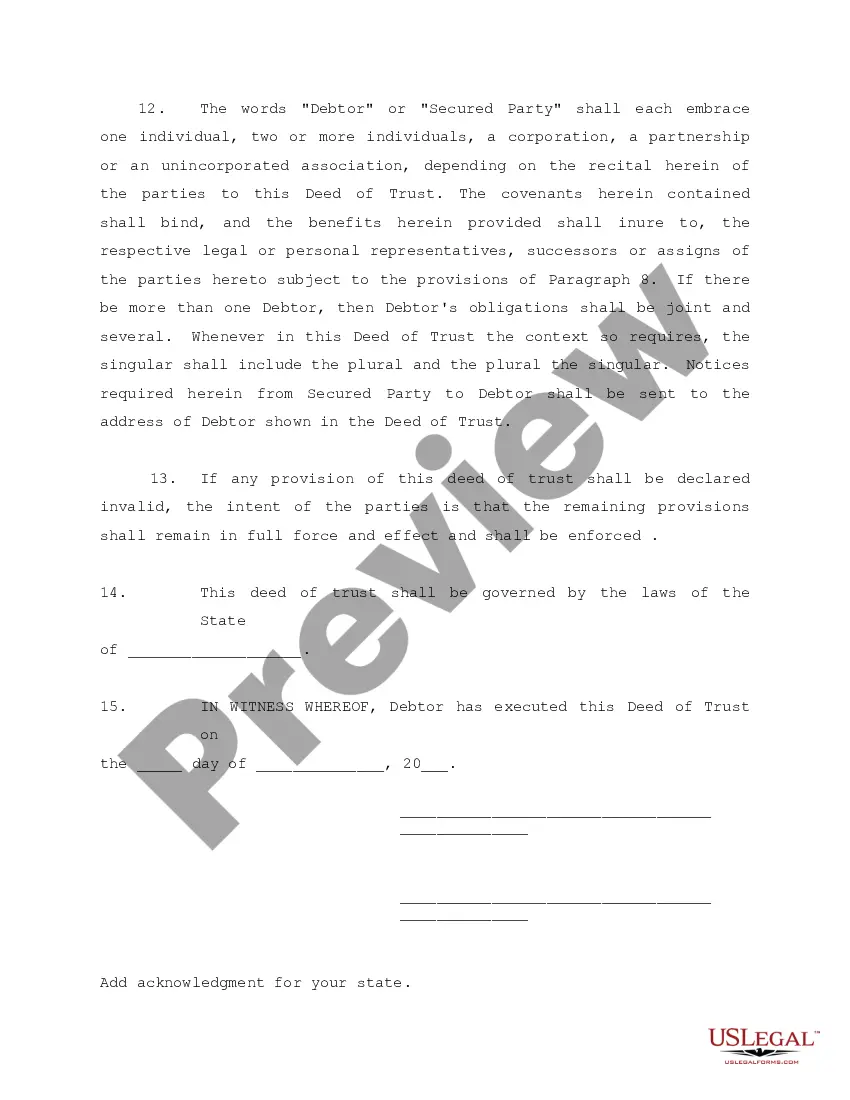
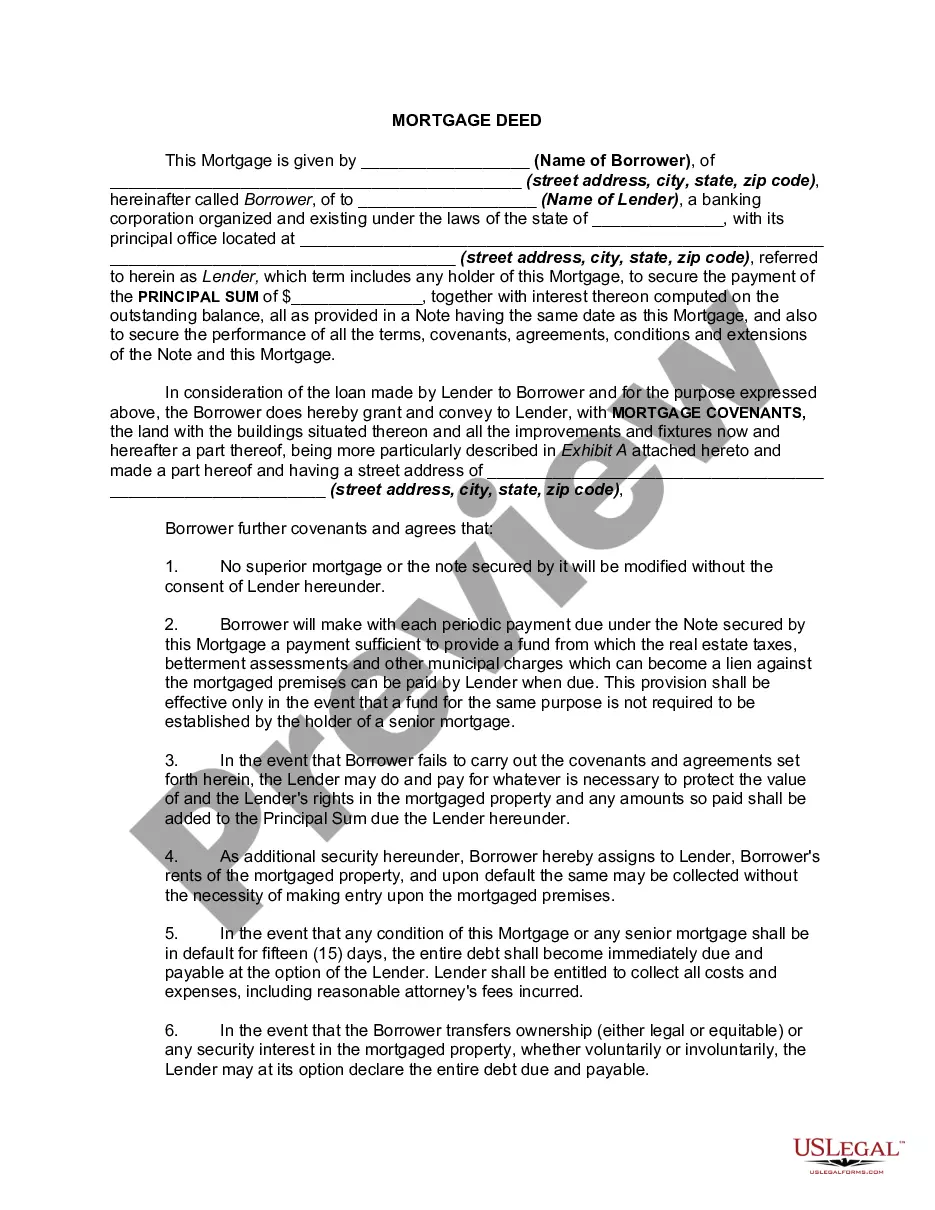

Get your form ready online
Our built-in tools help you complete, sign, share, and store your documents in one place.
Make edits, fill in missing information, and update formatting in US Legal Forms—just like you would in MS Word.
Download a copy, print it, send it by email, or mail it via USPS—whatever works best for your next step.
Sign and collect signatures with our SignNow integration. Send to multiple recipients, set reminders, and more. Go Premium to unlock E-Sign.
If this form requires notarization, complete it online through a secure video call—no need to meet a notary in person or wait for an appointment.
We protect your documents and personal data by following strict security and privacy standards.

Make edits, fill in missing information, and update formatting in US Legal Forms—just like you would in MS Word.

Download a copy, print it, send it by email, or mail it via USPS—whatever works best for your next step.

Sign and collect signatures with our SignNow integration. Send to multiple recipients, set reminders, and more. Go Premium to unlock E-Sign.

If this form requires notarization, complete it online through a secure video call—no need to meet a notary in person or wait for an appointment.

We protect your documents and personal data by following strict security and privacy standards.
Looking for another form?








Form popularity
FAQ
Many experts recommend using the 50/30/20 budget for getting out of debt. This method has you earmark 50% of your net income for just essentials—that's things like housing, bills and basic groceries. Then, you allocate 30% toward discretionary spending and the remaining 20% toward savings and debt repayment.
You can either do the job yourself or go through a third-party debt-settlement company that negotiates with creditors on your behalf. Depending on the terms of the agreement, you could end up paying less than what you owe (through a lump sum) or see interest rates and fees reduced or waived.
During the call you should never say it's your debt, your account, that you ever had an account, and any other personal financial information. Don't lie if they ask you point-blank questions; just don't answer them by reiterating the first paragraph... several times if necessary.
Specifically, the rule states that a debt collector cannot: Make more than seven calls within a seven-day period to a consumer regarding a specific debt. Call a consumer within seven days after having a telephone conversation about that debt.
Texas law gives someone 4 years to bring a lawsuit for unpaid debt.
The phrase in question is: “Please cease and desist all calls and contact with me, immediately.” These 11 words, when used correctly, can provide significant protection against aggressive debt collection practices.
Typically, debt collectors will only pursue legal action when the amount owed is in excess of $5,000, but they can sue for less. “If they do sue, you need to show up at court,” says Lewis-Parks.
The truth is that there are no magic words to stop a debt collector from collecting the debt. In case you are wondering what the 11 word phrase to stop debt collectors is supposed to be its “Please cease and desist all calls and contact with me immediately.”
If a property owner owes a debt to a creditor, contractor, or collection agency, that party may place a court-ordered lien against the property with the goal of collecting on the debt.
In many states, including California, unsecured creditors can become secured creditors and place a lien on your home.
