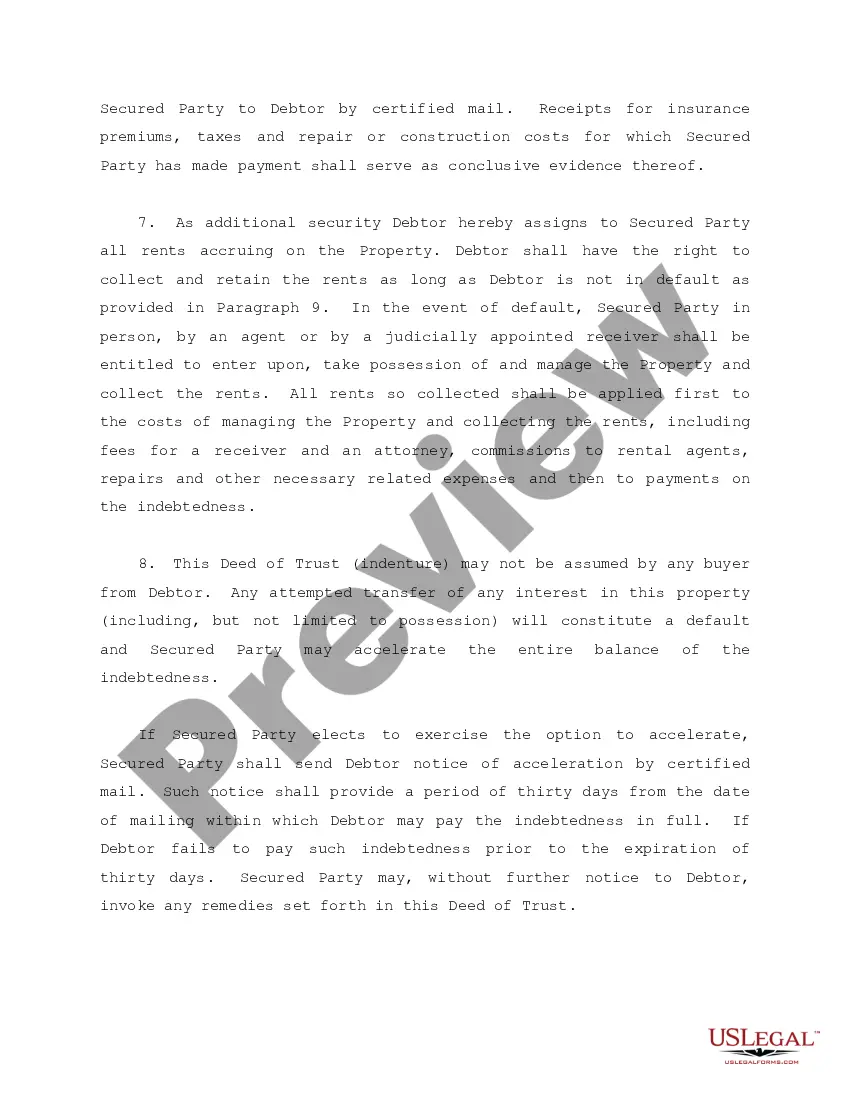
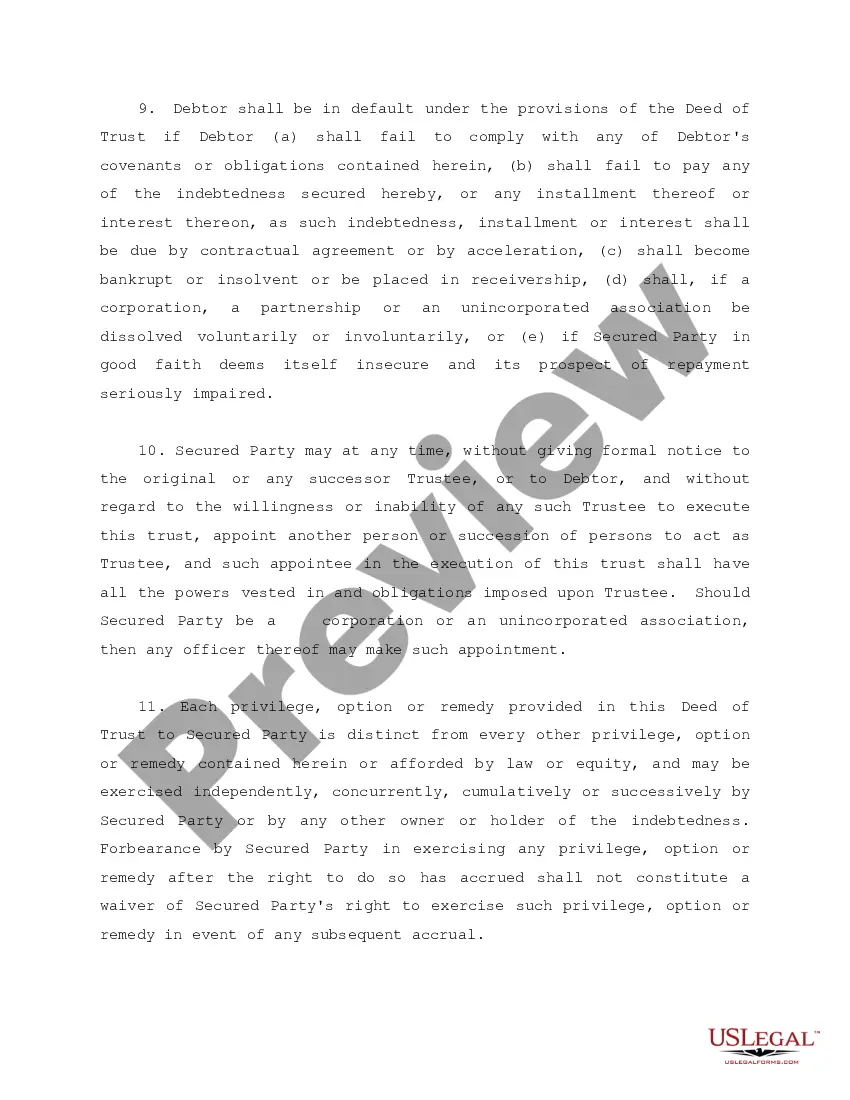
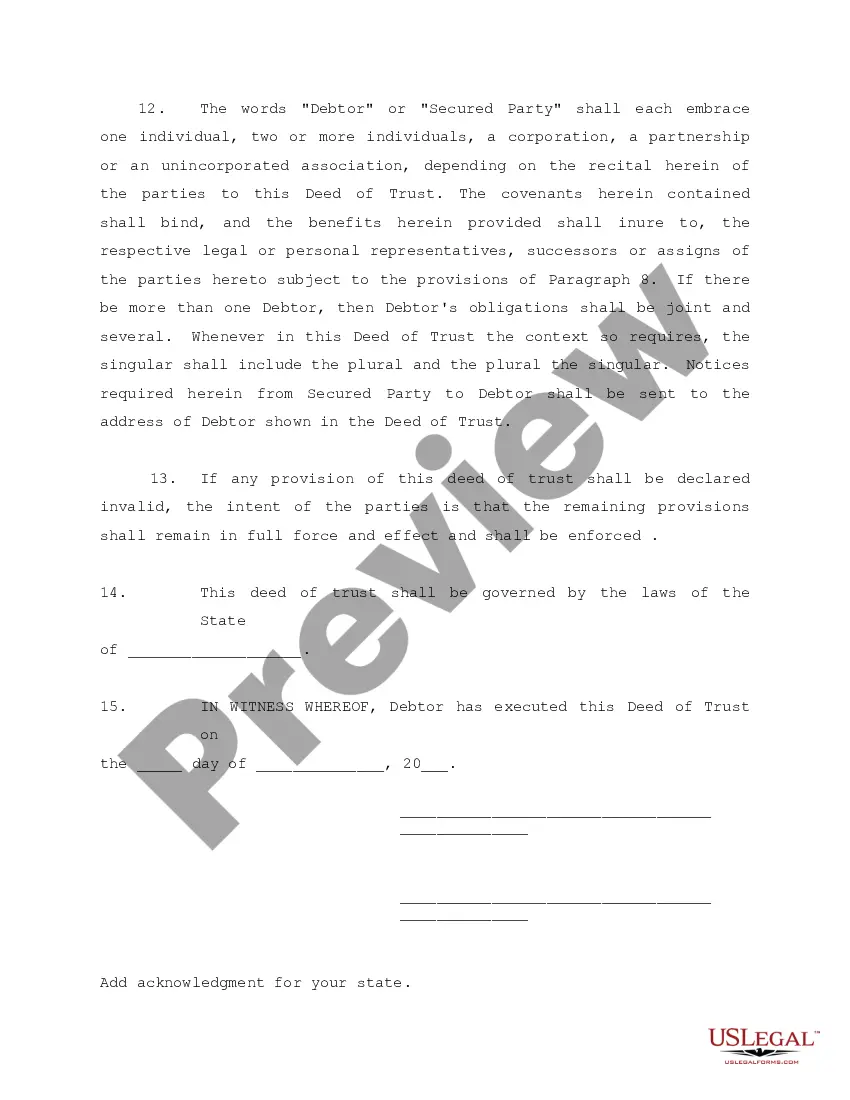
Secured Debt Shall For Loan In Sacramento
Description



Get your form ready online
Our built-in tools help you complete, sign, share, and store your documents in one place.
Make edits, fill in missing information, and update formatting in US Legal Forms—just like you would in MS Word.
Download a copy, print it, send it by email, or mail it via USPS—whatever works best for your next step.
Sign and collect signatures with our SignNow integration. Send to multiple recipients, set reminders, and more. Go Premium to unlock E-Sign.
If this form requires notarization, complete it online through a secure video call—no need to meet a notary in person or wait for an appointment.
We protect your documents and personal data by following strict security and privacy standards.

Make edits, fill in missing information, and update formatting in US Legal Forms—just like you would in MS Word.

Download a copy, print it, send it by email, or mail it via USPS—whatever works best for your next step.

Sign and collect signatures with our SignNow integration. Send to multiple recipients, set reminders, and more. Go Premium to unlock E-Sign.

If this form requires notarization, complete it online through a secure video call—no need to meet a notary in person or wait for an appointment.

We protect your documents and personal data by following strict security and privacy standards.
Looking for another form?



Form popularity
FAQ
If you can't or don't want to keep paying the secured debt, you have the option to surrender the collateral. This means you give the property back to the lender, and you're no longer responsible for the debt.
Under the Fair Credit Reporting Act (FCRA), most negative information, including unpaid credit card debt, must be removed from your credit report after seven years.
However, any threat of legal action after the statute expires is illegal. Once the four-year period expires, creditors lose their right to take you to court. If you are contacted about an old debt, verifying the date of your last payment is crucial to ensure the statute of limitations has passed.
California's Fair Debt Collection Practices Act has long been a critical framework for protecting consumers from abusive or unfair debt collection practices. Recently, however, Governor Gavin Newsom signed into law SB 1286 on September 24, 2024, expanding these protections to certain commercial debts.
Since secured loans are backed by collateral, they're typically easier to qualify for even with bad credit — however, approval isn't guaranteed as lenders may have additional eligibility criteria borrowers must meet.
Also, if you have a court judgment against you and there is a lien on your home, that may be considered a secured debt. Unsecured debts are those debts for which collateral has not been pledged. Unsecured debts include medical debts and most credit card debts.
Debt collectors may not be able to sue you to collect on old (time-barred) debts, but they may still try to collect on those debts. In California, there is generally a four-year limit for filing a lawsuit to collect a debt based on a written agreement.
Both secured and unsecured debt can be discharged in Chapter 13 bankruptcies, but non-dischargeable unsecured debts cannot be discharged in California.
If you have secured credit cards, where you've deposited a security deposit as collateral, you may be able to keep using them during and after bankruptcy, especially in Chapter 13. These cards are treated differently because they are backed by your deposit and do not represent new credit extended to you.
If you file for a Chapter 7 bankruptcy, your secured debt may be discharged, but the lender is also able to repossess the property that secured the debt. In other words, if you have a mortgage on your home and file a Chapter 7 bankruptcy, the mortgage debt may be discharged but the lender can take back your home.
