Employee Leasing Agreement Template For Company In Santa Clara
Description





Form popularity
FAQ
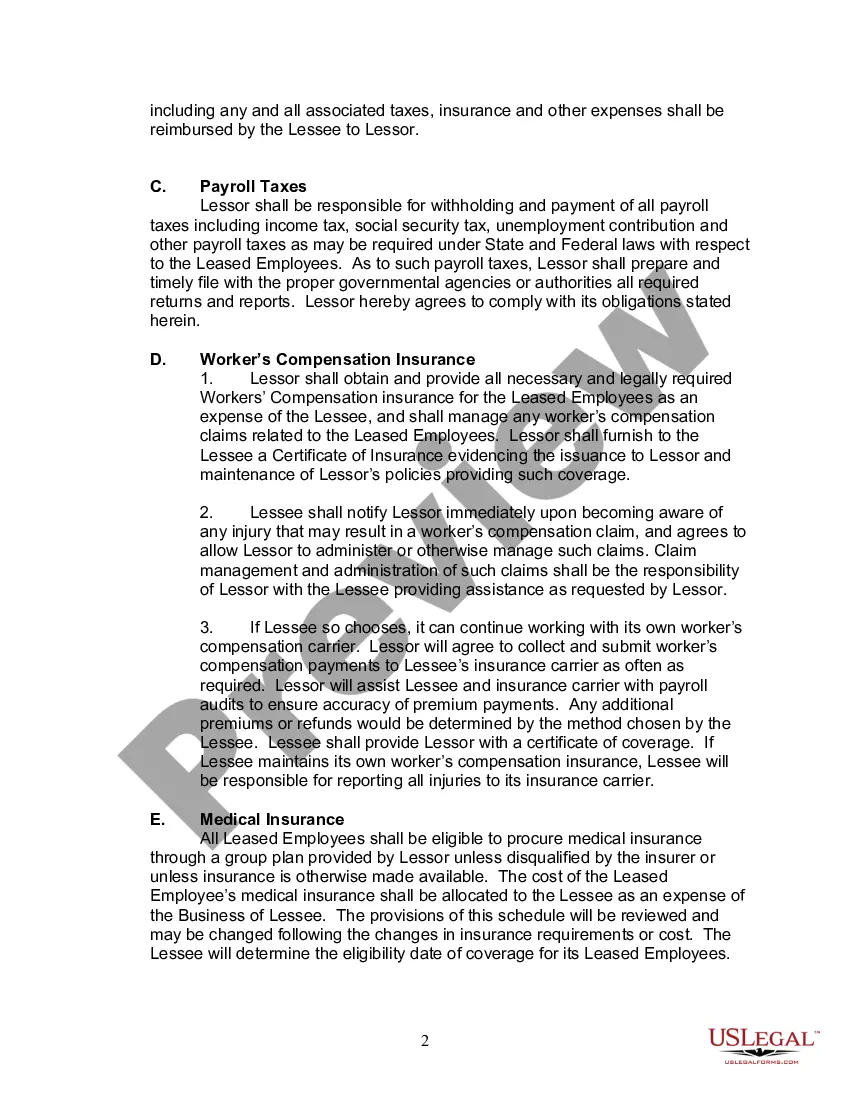
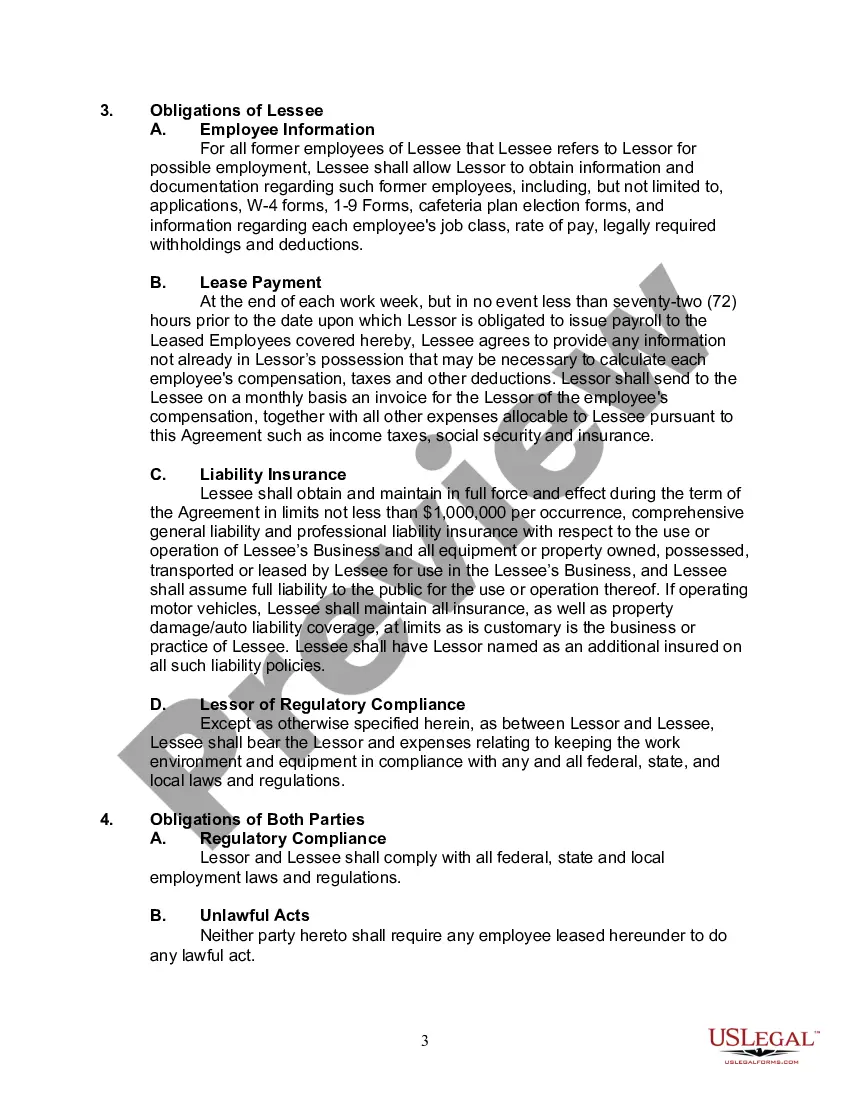
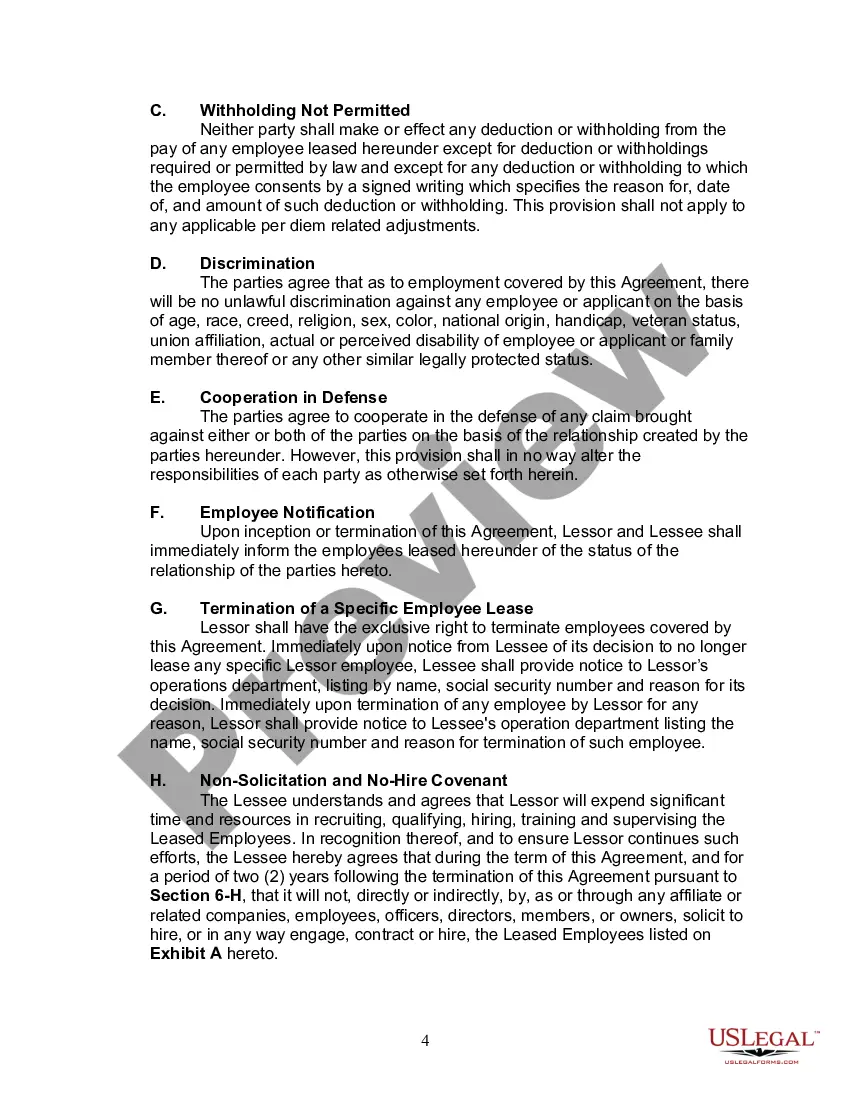
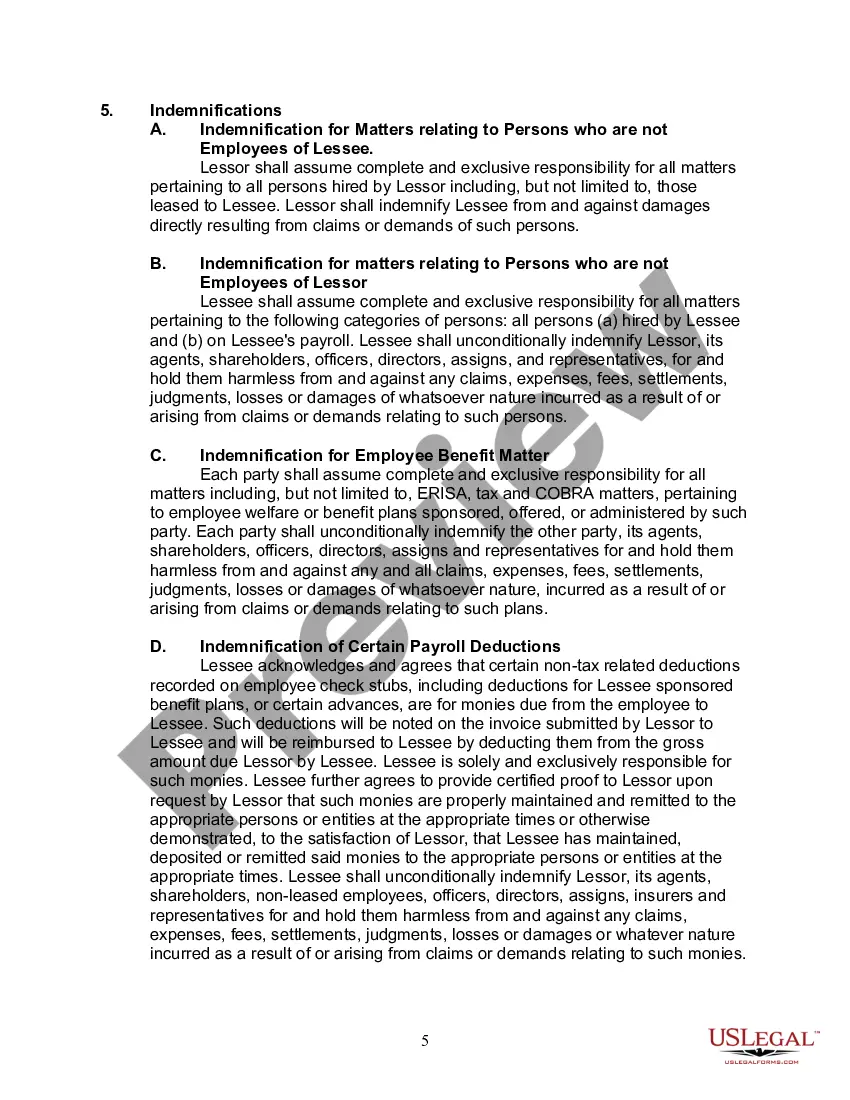
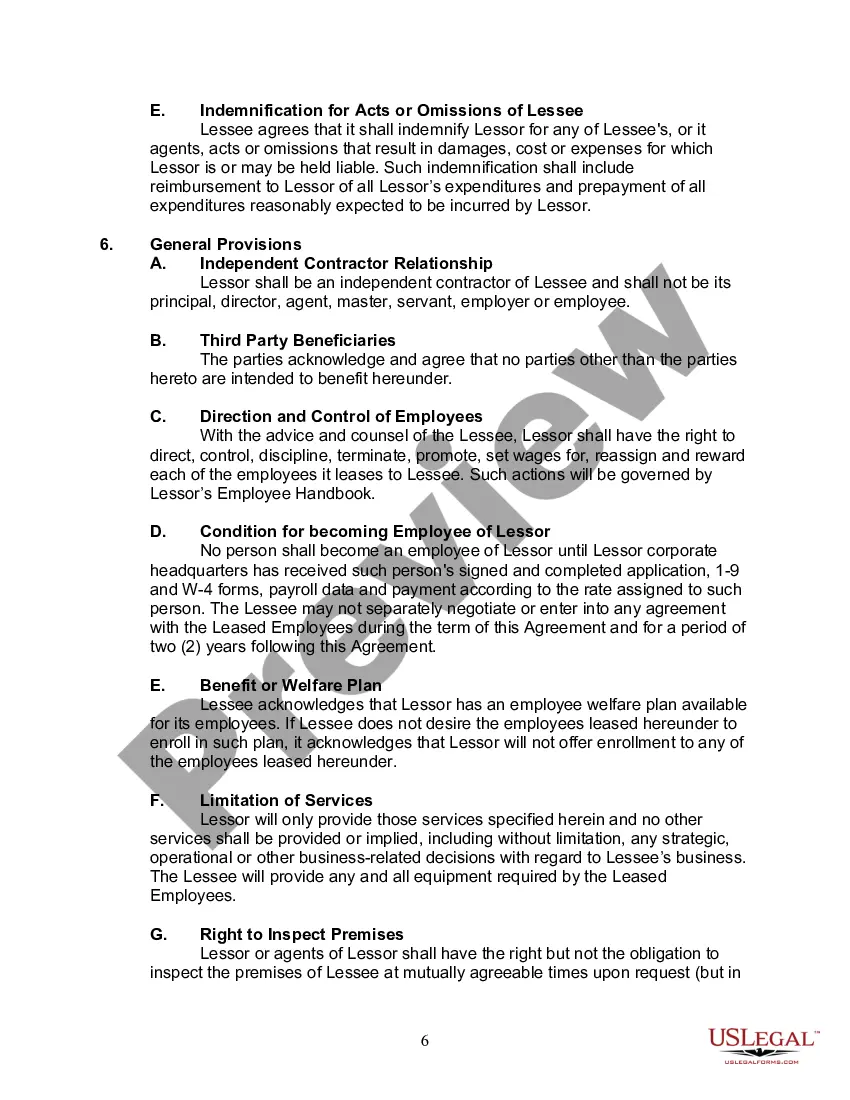
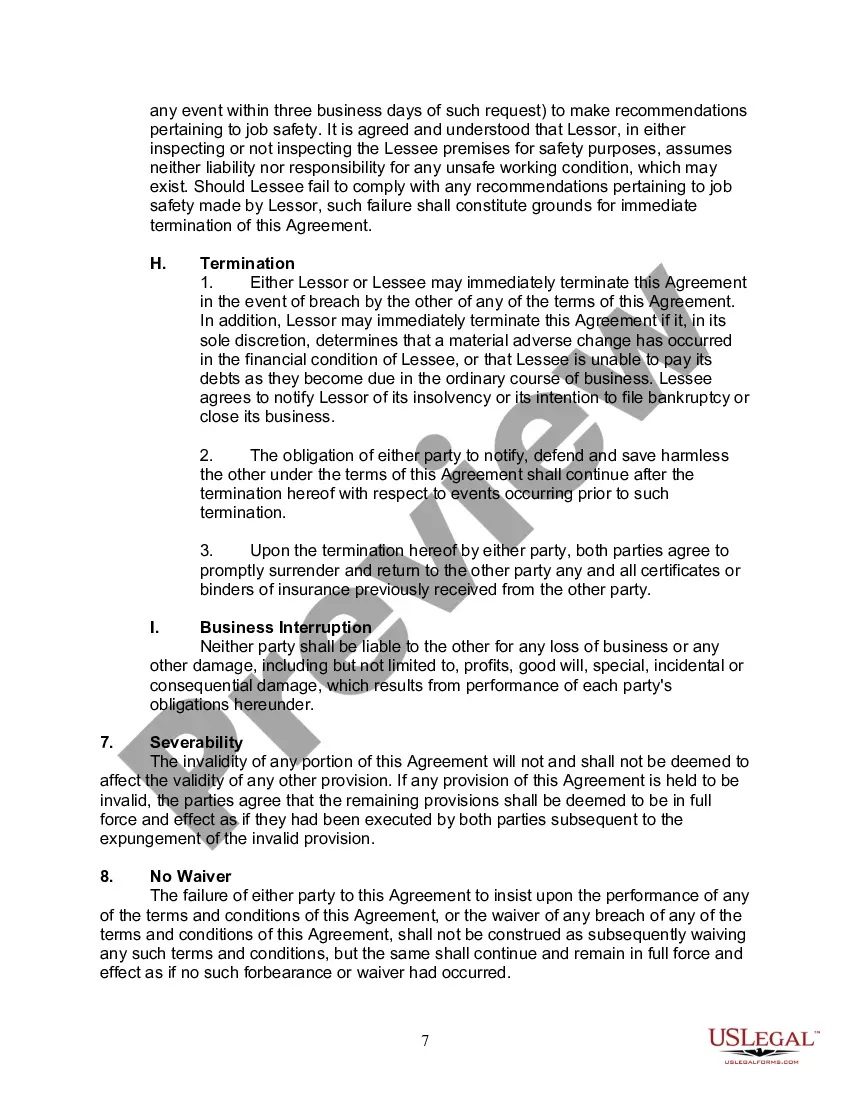
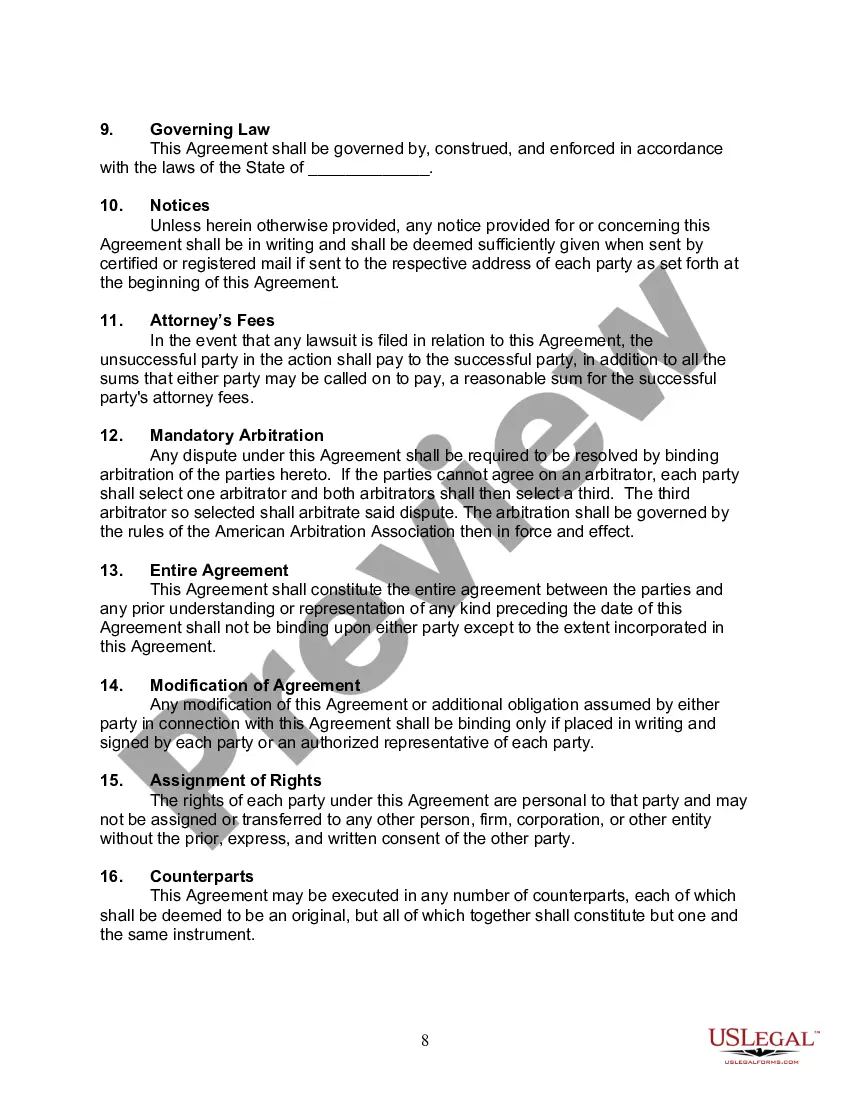
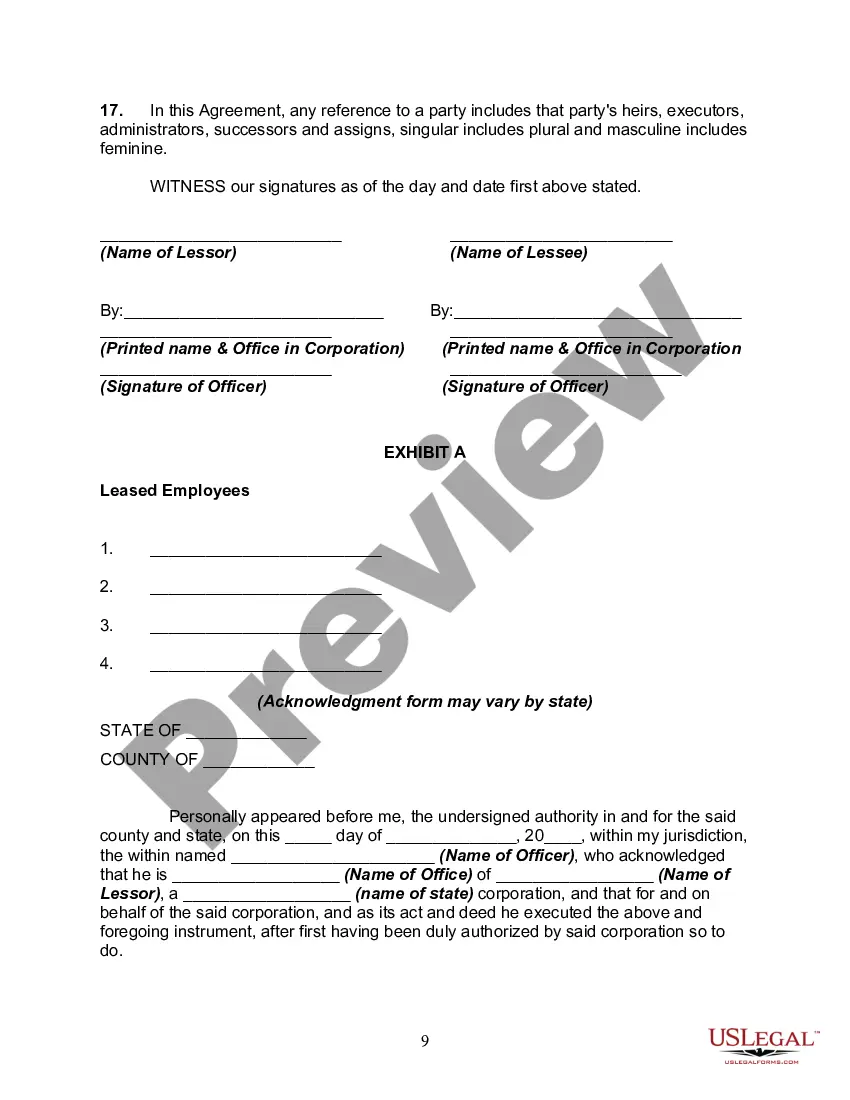
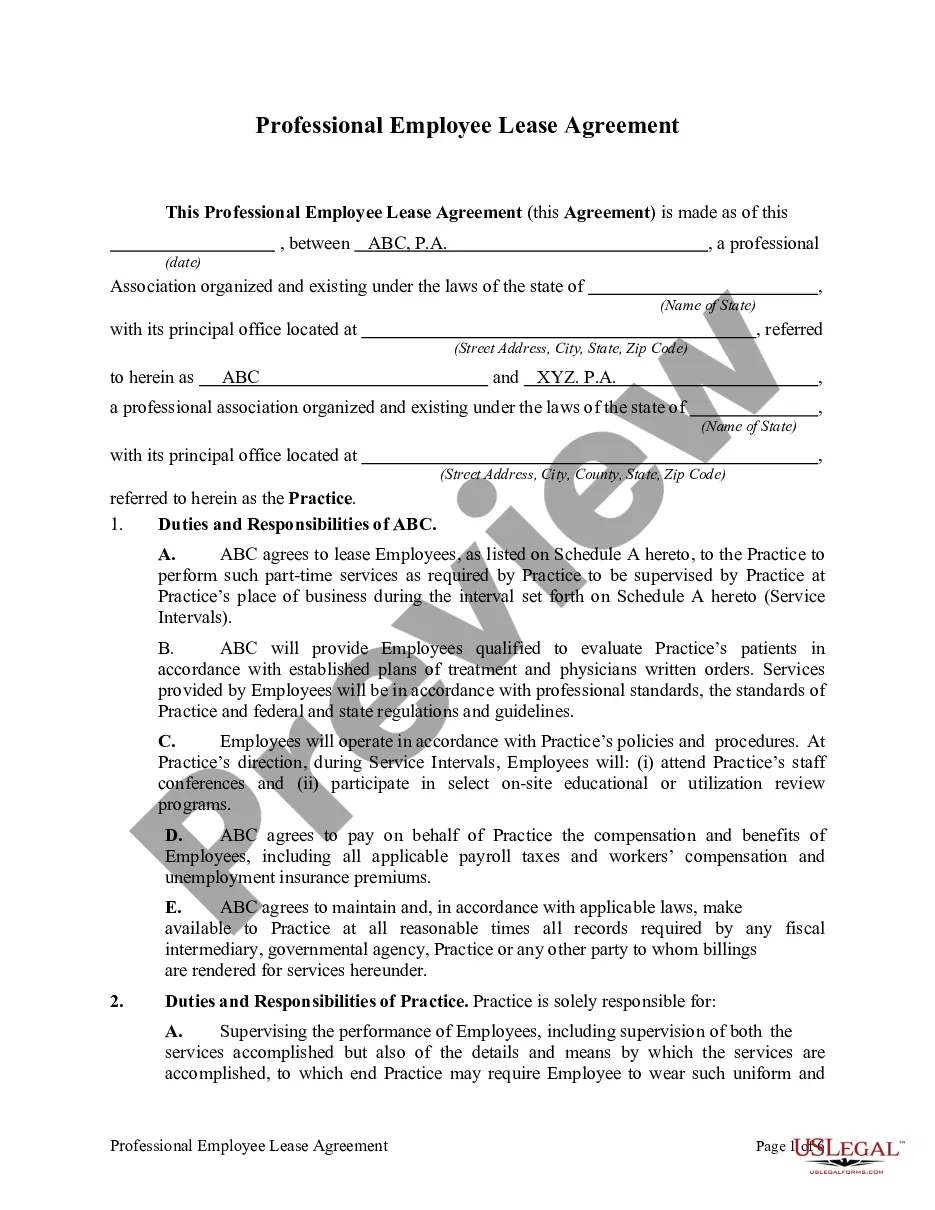
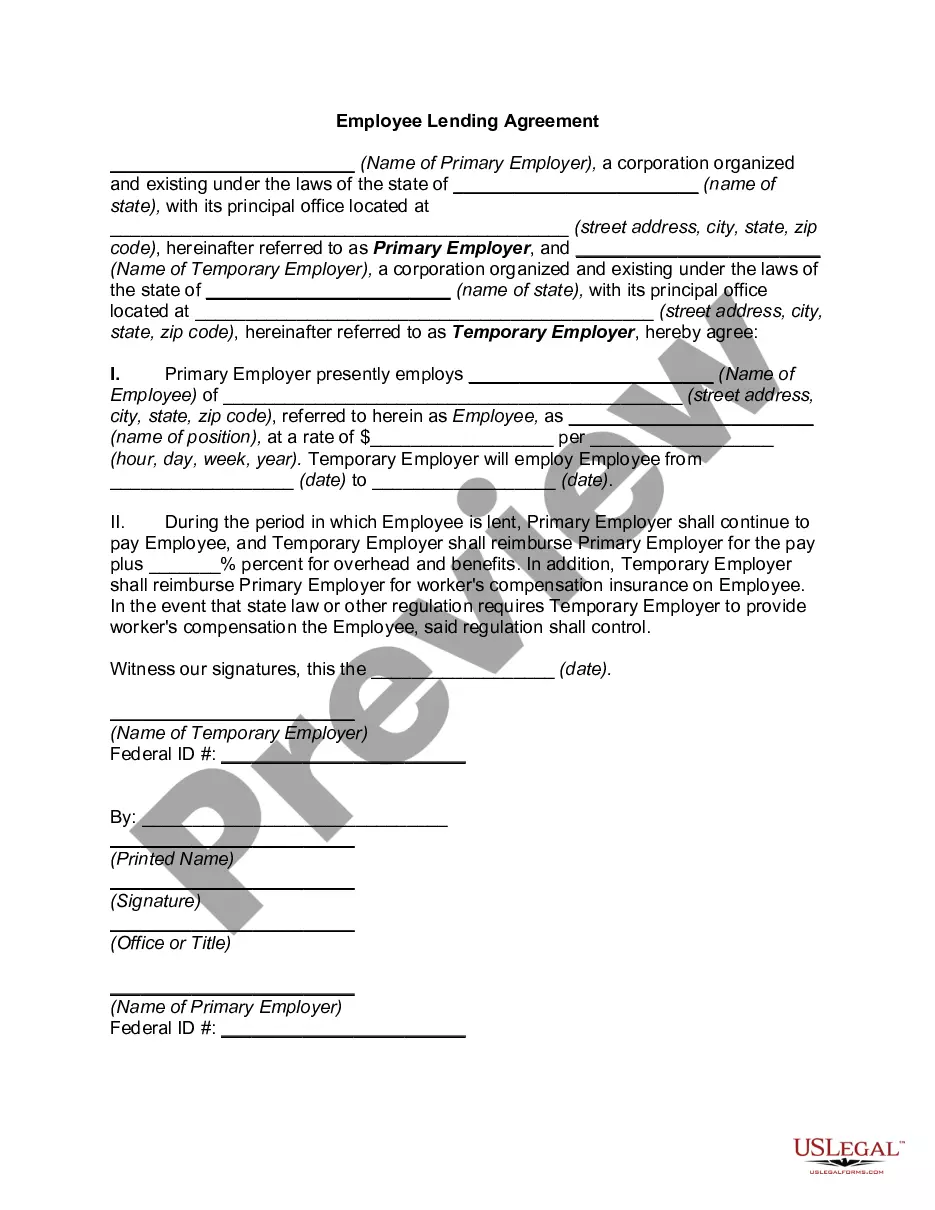
Employee leasing is an arrangement between a business and a staffing firm, who supplies workers on a project-specific or temporary basis. These employees work for the client business, but the leasing agency pays their salaries and handles all of the HR administration associated with their employment.
Employee leasing and working with a PEO are not the same thing. PEOs operate under a co-employment model, which is different from the typical employee leasing arrangements. During a co-employment arrangement, the PEO is listed as a co-employer.
A PEO, or professional employer organization, has a different relationship with client companies. Instead of being a firm that leases employees to their clients, a PEO becomes an employer of record for the client's employees. This is known as a co-employment agreement.
Outsourcing means you hire another company do the work for you instead of having your own employees do it — like writing custom software for you or providing the platform and managing the system. Leasing means you lease existing software from another company but your own staff uses and manages it.
Staffing agencies can help you source workers with skills in highly-specialized areas, like health care. Leasing employees alleviates many aspects of recruitment, such as the need to advertise job openings, review resumes, interview candidates or run background checks.
EL – An “employee leasing company” means a sole proprietorship, partnership, corporation, or other form of business entity engaged in an arrangement whereby the entity assigns its employees to a client and allocates the direction of and control over the leased employees between the leasing company and the client.
While leased employees are legally employed by a PEO, they work under the day-to-day management and supervision of the leasing business — much like any other employee. This generally gives the leasing business control over how they spend their time, which tools they use to perform their work, their deadlines, and more.
California law has stipulated the requirements for classifying an employee as a temporary agency employee. These requirements include the right of the agency to assign and reassign a worker, but the workers have the right to refuse an assignment and remain on the agency's hiring list.
What are the most important steps for drafting a commercial lease agreement? Identify the parties and the property. Determine the rent and the term. Negotiate the improvements and the maintenance. Allocate the taxes and the insurance. Include the clauses and the contingencies. Review and sign the agreement.
