Secured Debt Shall With A Sinking Fund In Pennsylvania
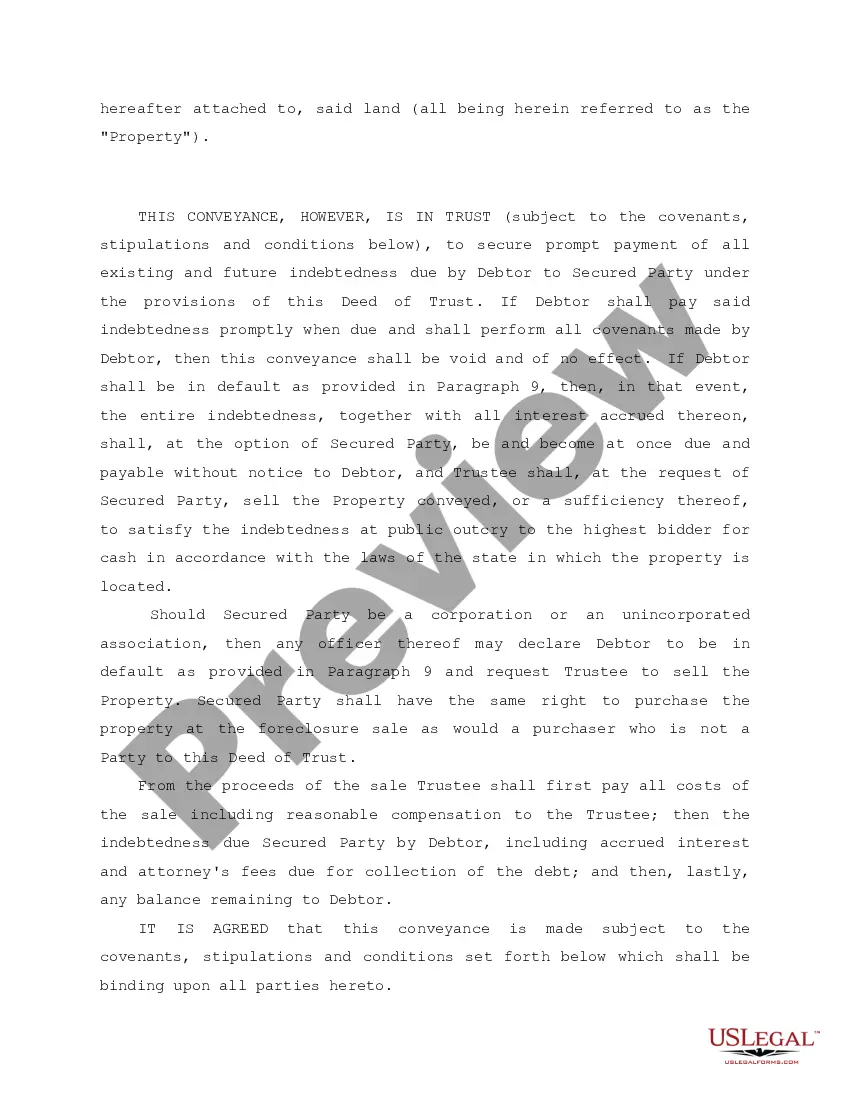
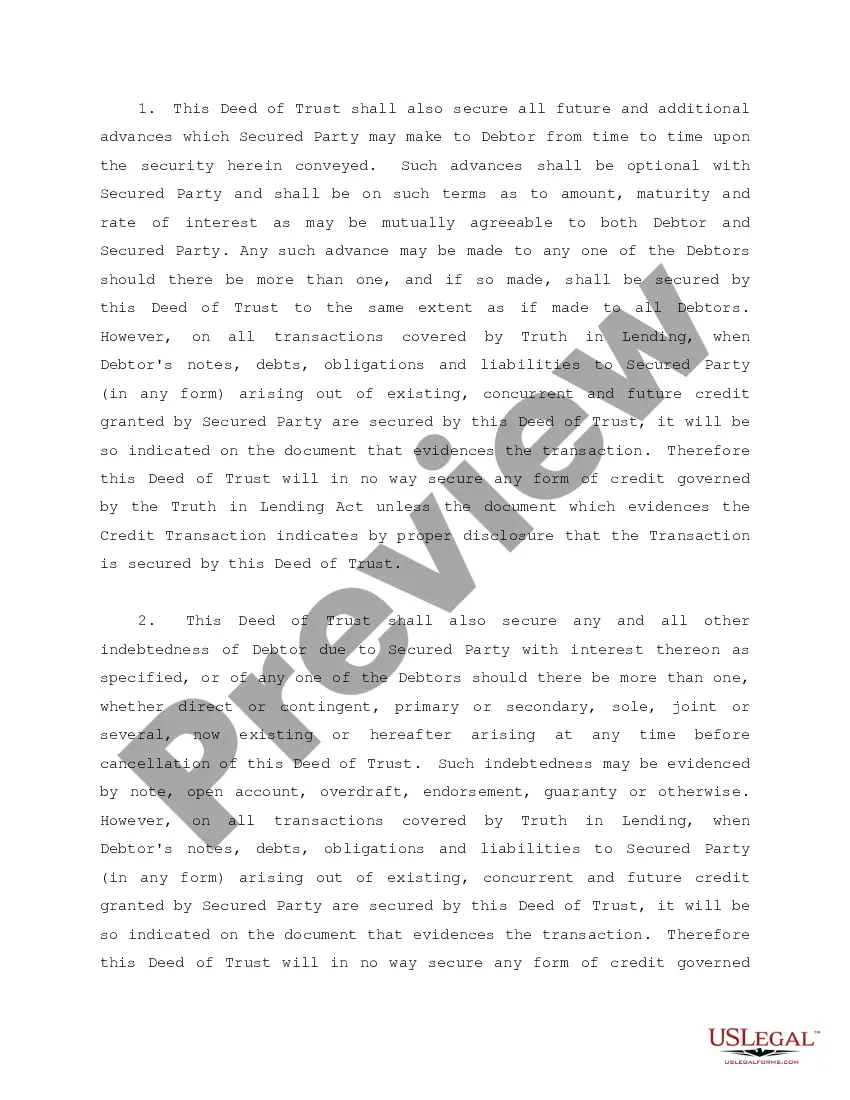
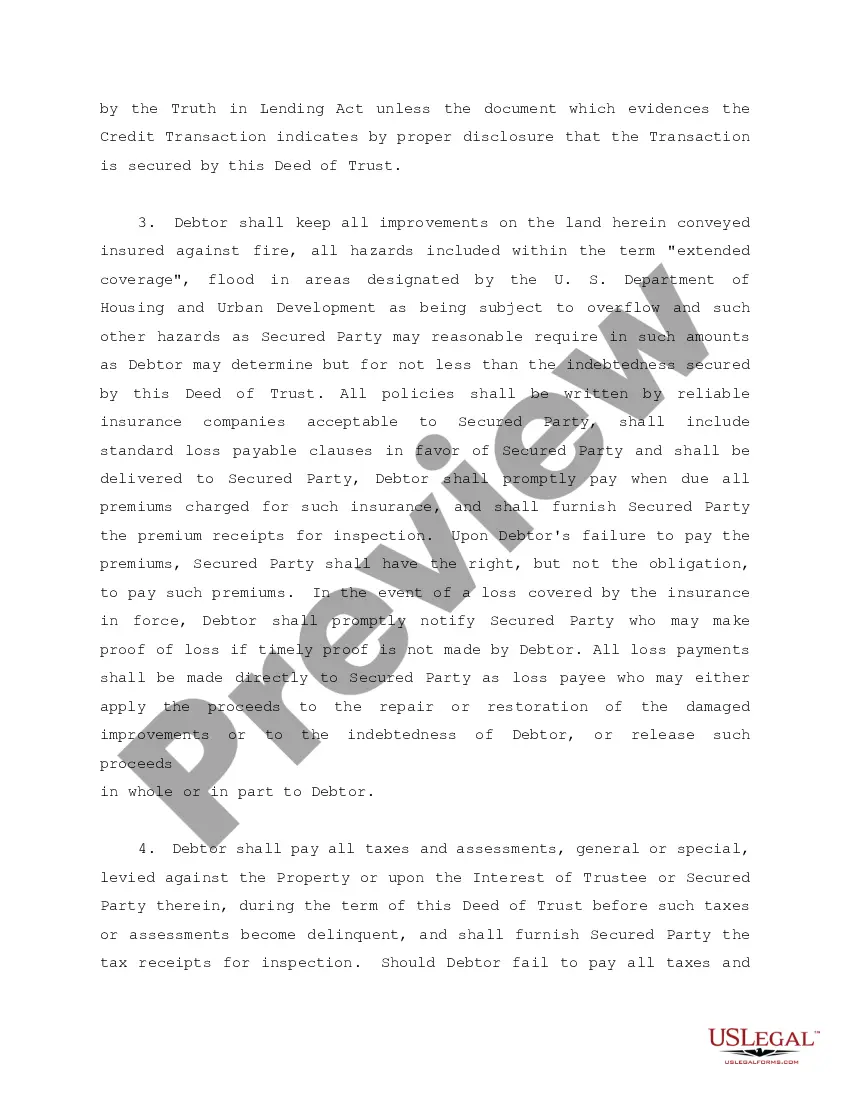
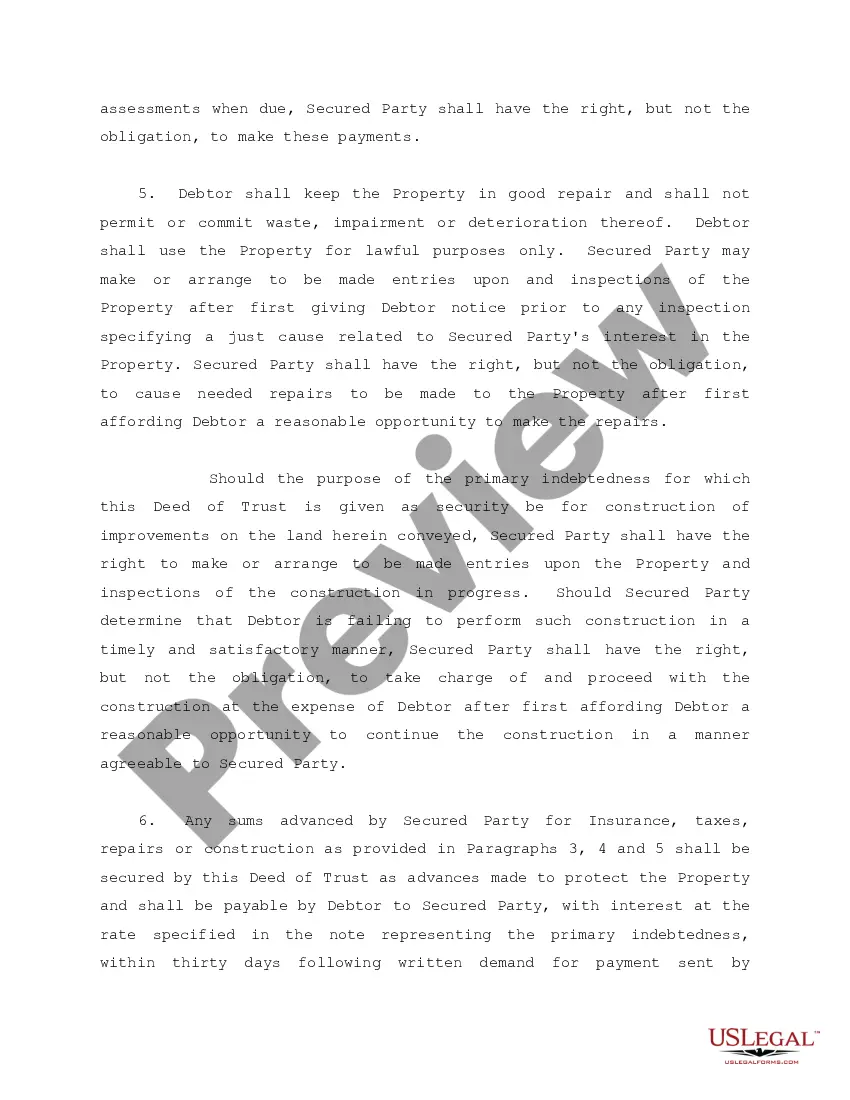
Description



Get your form ready online
Our built-in tools help you complete, sign, share, and store your documents in one place.
Make edits, fill in missing information, and update formatting in US Legal Forms—just like you would in MS Word.
Download a copy, print it, send it by email, or mail it via USPS—whatever works best for your next step.
Sign and collect signatures with our SignNow integration. Send to multiple recipients, set reminders, and more. Go Premium to unlock E-Sign.
If this form requires notarization, complete it online through a secure video call—no need to meet a notary in person or wait for an appointment.
We protect your documents and personal data by following strict security and privacy standards.

Make edits, fill in missing information, and update formatting in US Legal Forms—just like you would in MS Word.

Download a copy, print it, send it by email, or mail it via USPS—whatever works best for your next step.

Sign and collect signatures with our SignNow integration. Send to multiple recipients, set reminders, and more. Go Premium to unlock E-Sign.

If this form requires notarization, complete it online through a secure video call—no need to meet a notary in person or wait for an appointment.

We protect your documents and personal data by following strict security and privacy standards.
Looking for another form?







Form popularity
FAQ
Sinking funds are in 'trust' for the scheme and should not be returned to lessees upon assignment, or at any time. Interest earned on funds should be added to the funds unless the lease states otherwise. If funds are held in 'trust' then a tax will be charged on the interest earned.
(a)What is a sinking fund requirement in a bond issue? Corporate bond indentures may require the issuer to retire a specified portion of an issue each year. This is referred to as a sinking fund requirement.
Example of a Sinking Bond decides to issue $20 million in bonds with a maturity of 20 years. The business creates a $20 million sinking fund and a call schedule for the next 20 years. On the anniversary date of each bond being issued, the company withdraws $1 million from the sinking fund and calls 5% of its bonds.
How It Works Step 1: Draw a timeline. Step 3: Fill in the present value of the annuity (PV). Step 4: Fill in the rounded annuity payment (PMT) all the way down the column, including the final payment row. Step 5: Calculate the interest portion of the sinking fund's current balance (INT) using Formula 13.1.
Sinking funds are in 'trust' for the scheme and should not be returned to lessees upon assignment, or at any time. Interest earned on funds should be added to the funds unless the lease states otherwise. If funds are held in 'trust' then a tax will be charged on the interest earned.
Bonds issued under a SINKING FUND agreement, which requires the debtor organization (obligor) to periodically set aside out of earnings a sum which, with interest, will be sufficient to redeem the issue in whole or part of maturity.
