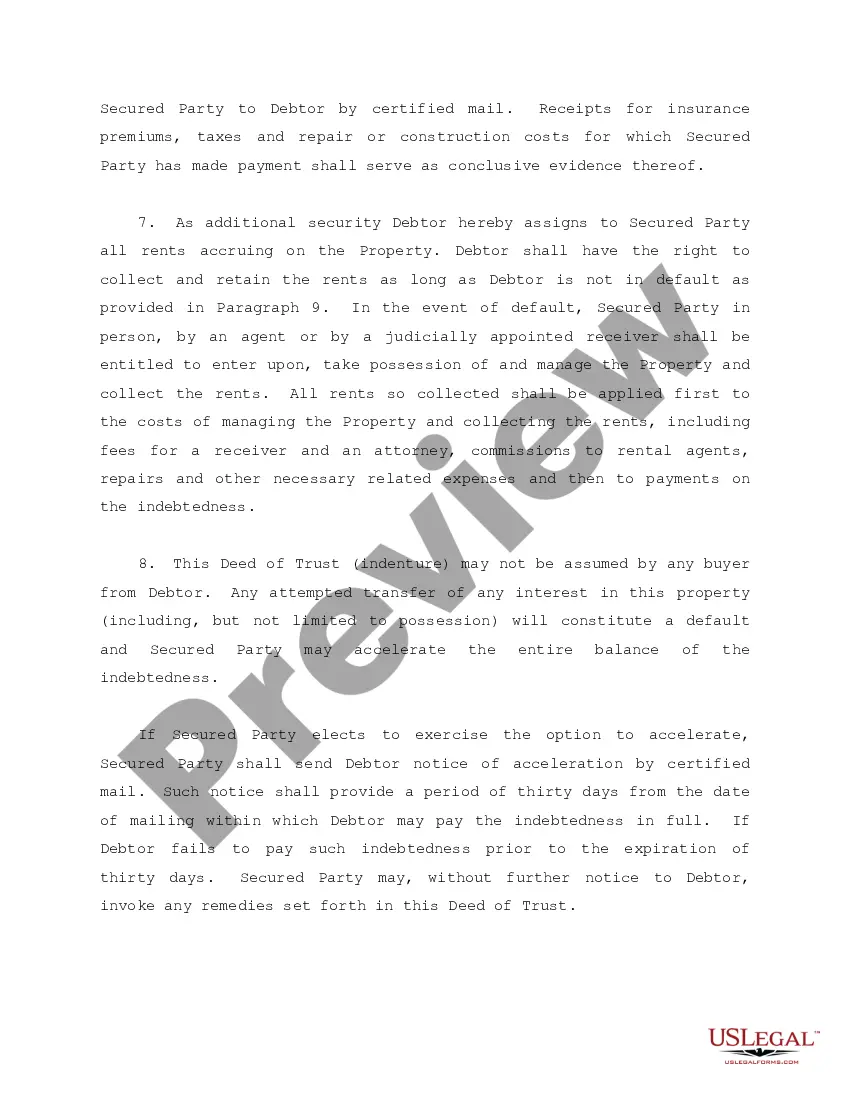
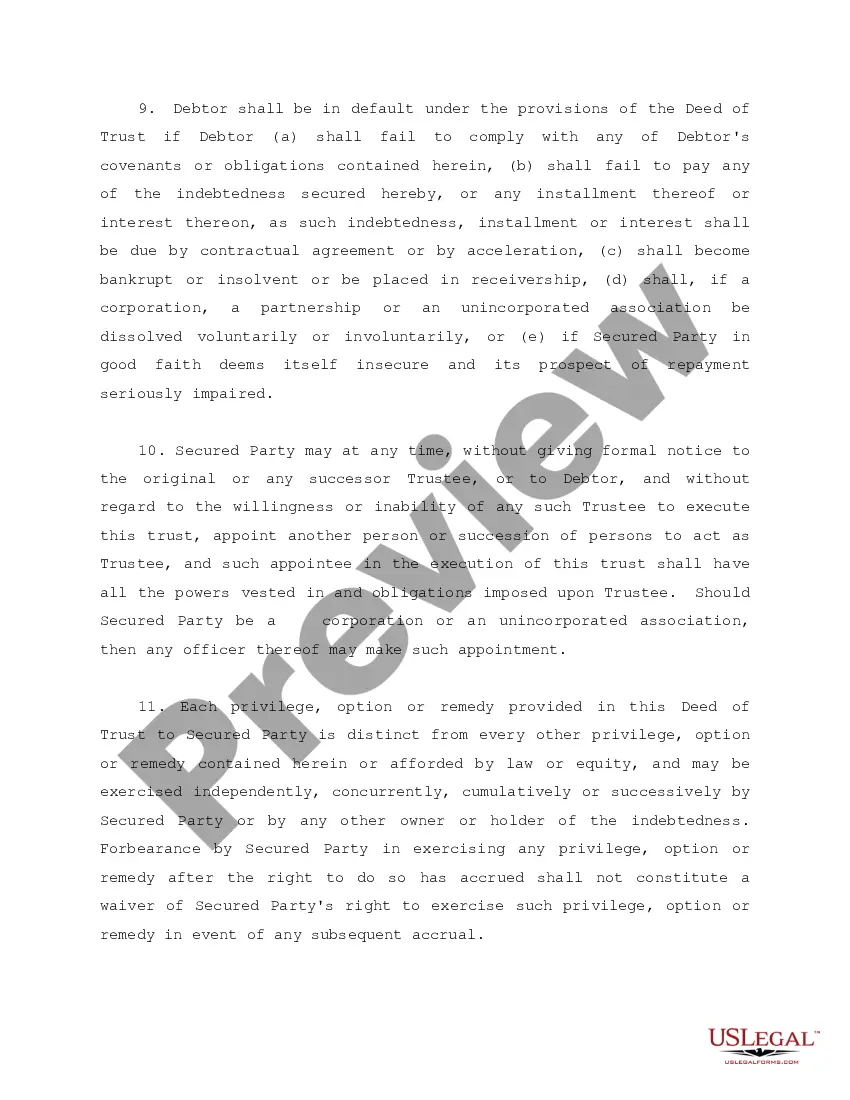
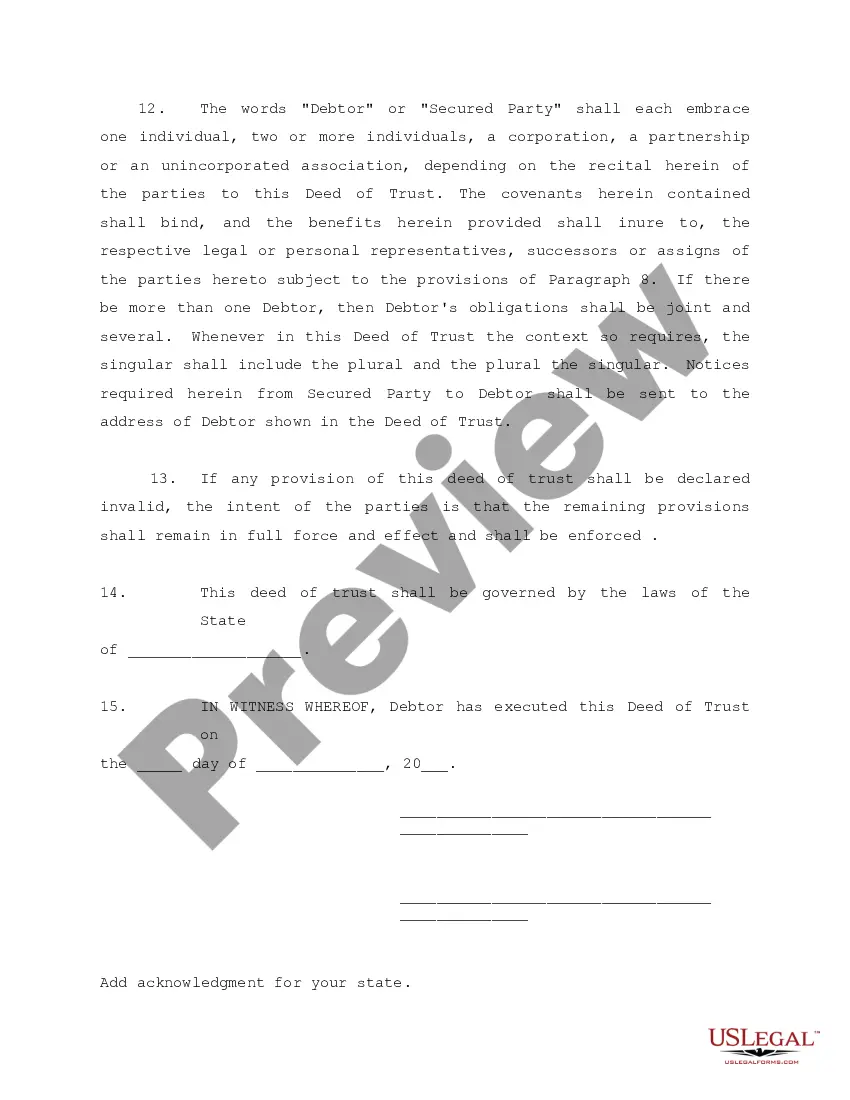
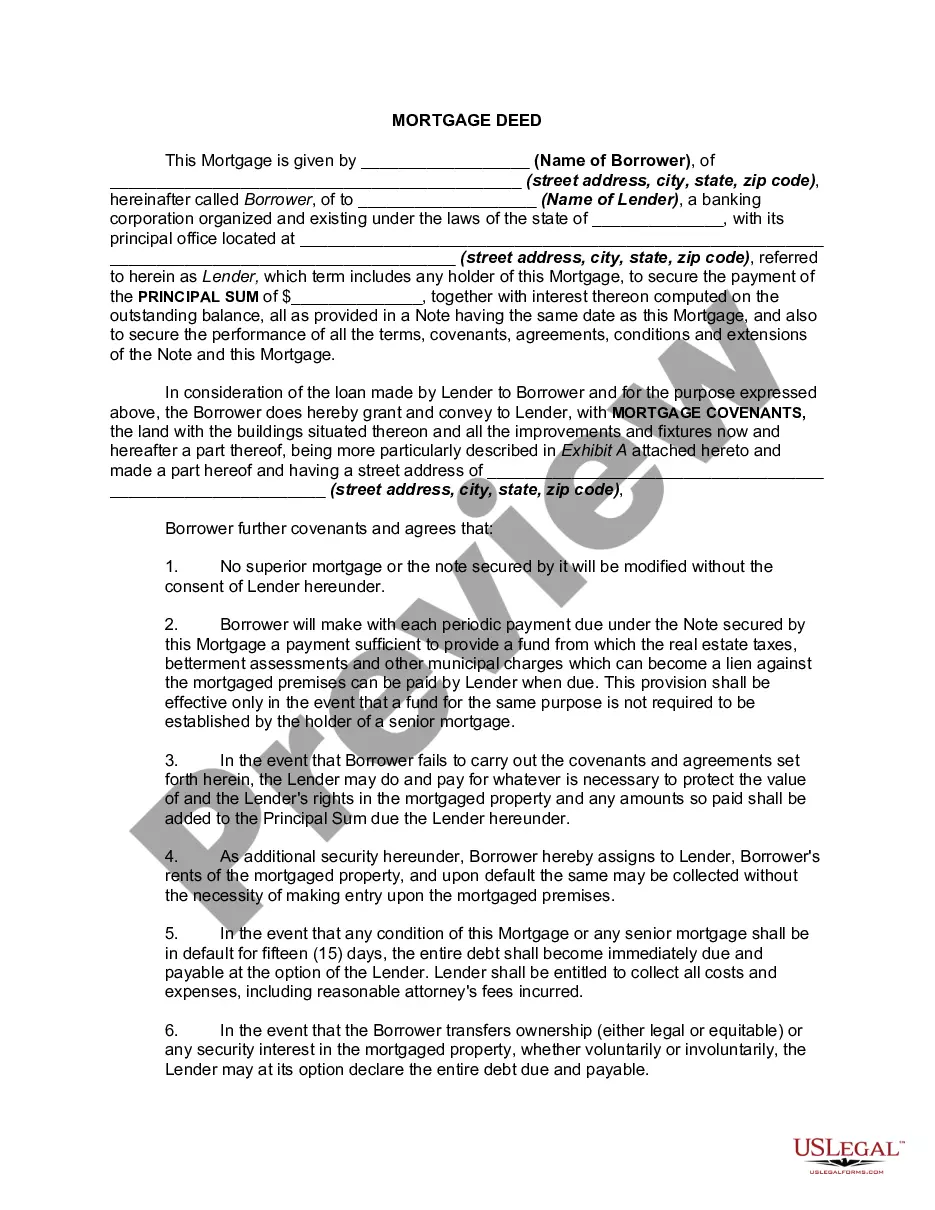
Secured Debt Shall For Loan In Pennsylvania
Description


Get your form ready online
Our built-in tools help you complete, sign, share, and store your documents in one place.
Make edits, fill in missing information, and update formatting in US Legal Forms—just like you would in MS Word.
Download a copy, print it, send it by email, or mail it via USPS—whatever works best for your next step.
Sign and collect signatures with our SignNow integration. Send to multiple recipients, set reminders, and more. Go Premium to unlock E-Sign.
If this form requires notarization, complete it online through a secure video call—no need to meet a notary in person or wait for an appointment.
We protect your documents and personal data by following strict security and privacy standards.

Make edits, fill in missing information, and update formatting in US Legal Forms—just like you would in MS Word.

Download a copy, print it, send it by email, or mail it via USPS—whatever works best for your next step.

Sign and collect signatures with our SignNow integration. Send to multiple recipients, set reminders, and more. Go Premium to unlock E-Sign.

If this form requires notarization, complete it online through a secure video call—no need to meet a notary in person or wait for an appointment.

We protect your documents and personal data by following strict security and privacy standards.
Looking for another form?










Form popularity
FAQ
In Pennsylvania, if a creditor sues you and obtains a judgment, it can become a lien against your home or other real property. (If the judgment is from another county, the creditor would need to transfer it to your county.) However, a creditor without a judgment cannot lien your property.
Nevada is the most debtor-friendly state. Your assets have to be stashed in the trust for only two years before they're supposedly safe from future creditors. And unlike other states, Nevada protects your assets from pre-existing tort creditors, a divorcing spouse, alimony and even child support obligations.
Pennsylvania is a hub for manufacturing facilities, research and development centers, and corporate headquarters. In fact, we are home to 23 Fortune 500 companies — a testament to our thriving business-friendly climate.
Certain Documents Signed Under Seal. Mortgage loans and other promissory notes are often signed under seal. Such documents have a 20-year Statute of Limitations unless shortened by some other statute.
To obtain a judgment lien, you must first record the judgment with the court of common pleas in the county where the debtor owns property. The lien will stay in effect for five years, but can be renewed, if the debtor does not sell the property within that time period.
Pennsylvania debt relief is available through banks, credit unions, online lenders and debt-relief companies (both nonprofit credit counseling agencies and for-profit companies).
Secured Debt. You can deduct your home mortgage interest only if your mortgage is a secured debt.