Secured Debt Shall For A 6th Grader In Florida
Description


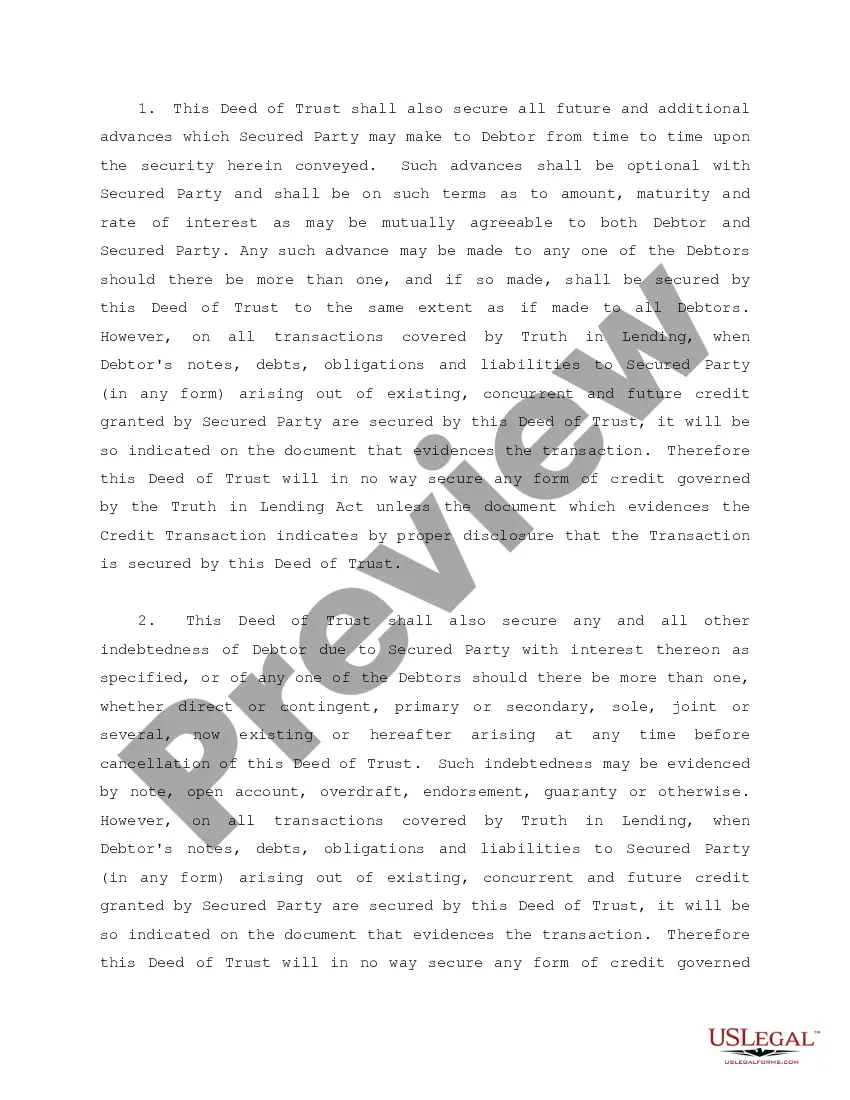
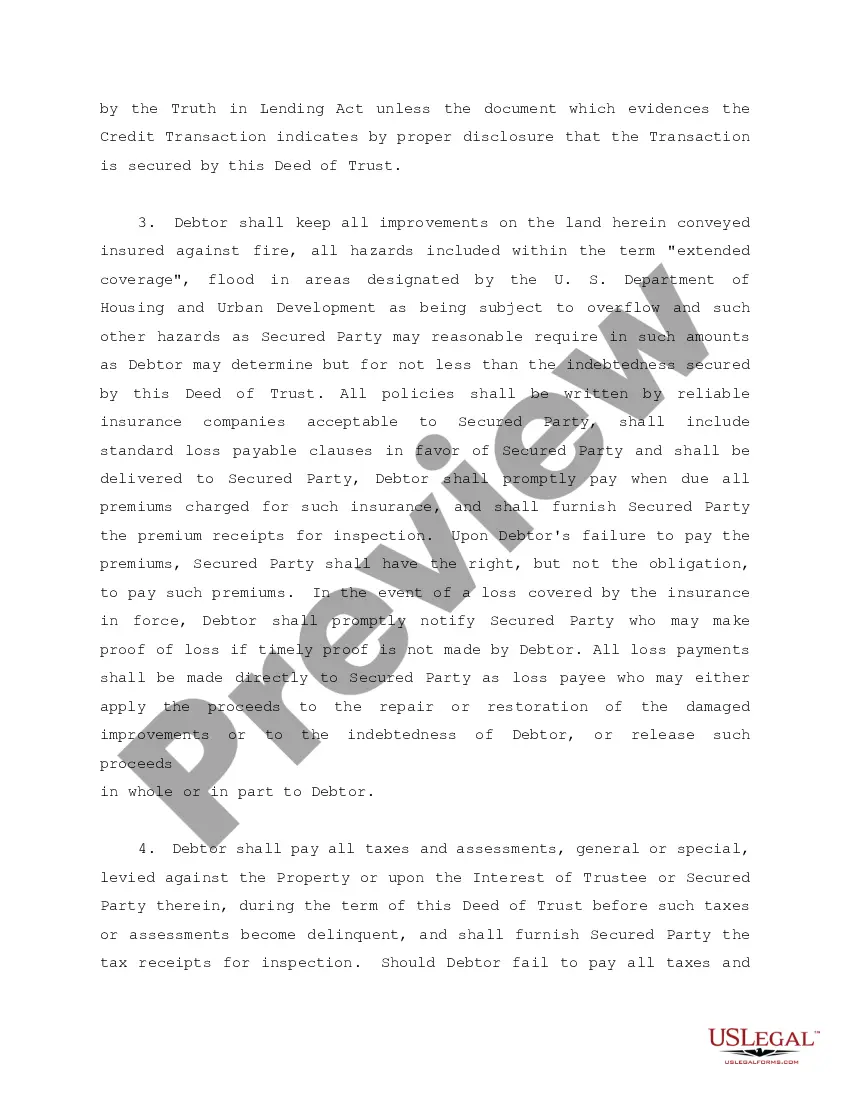
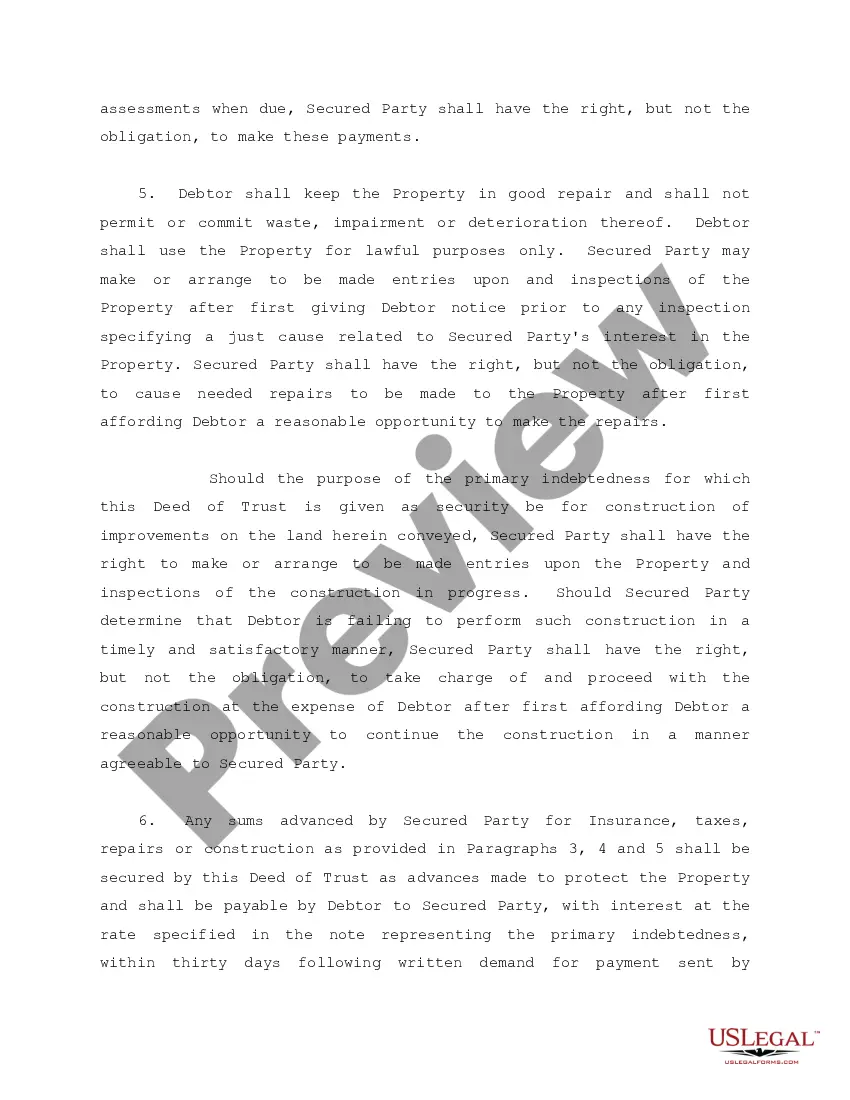
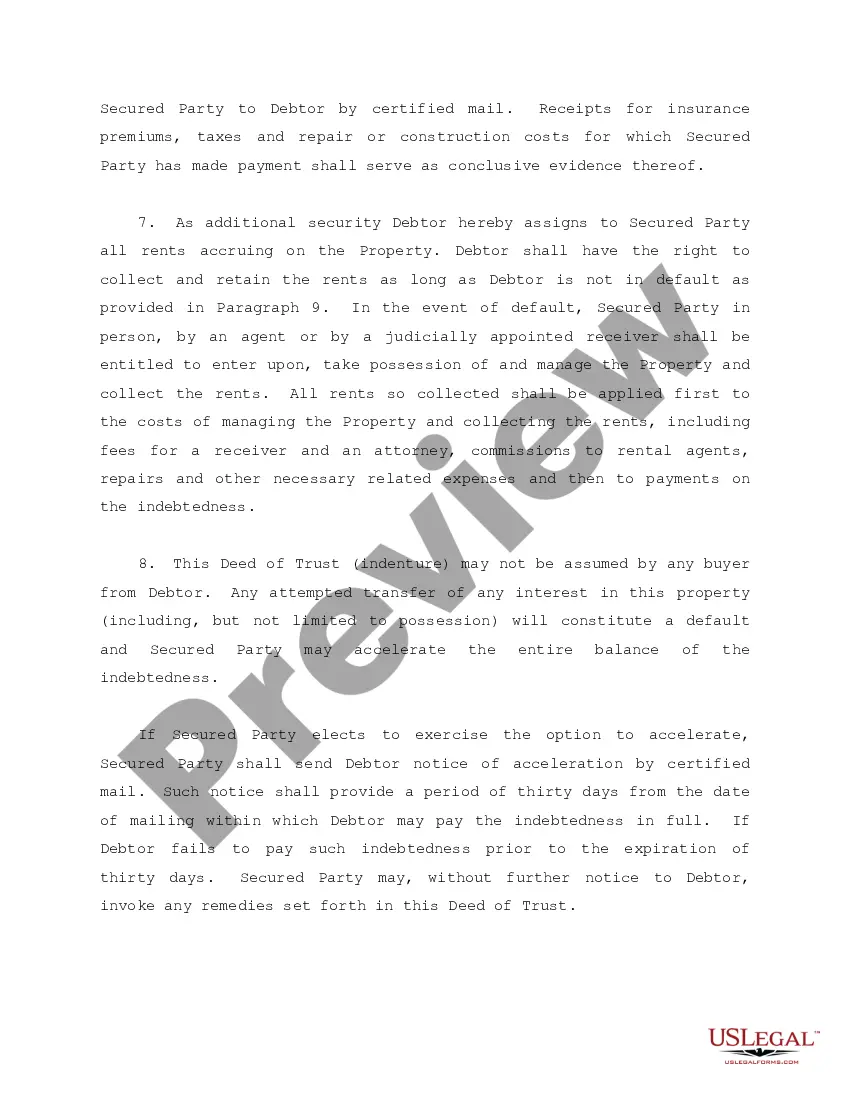
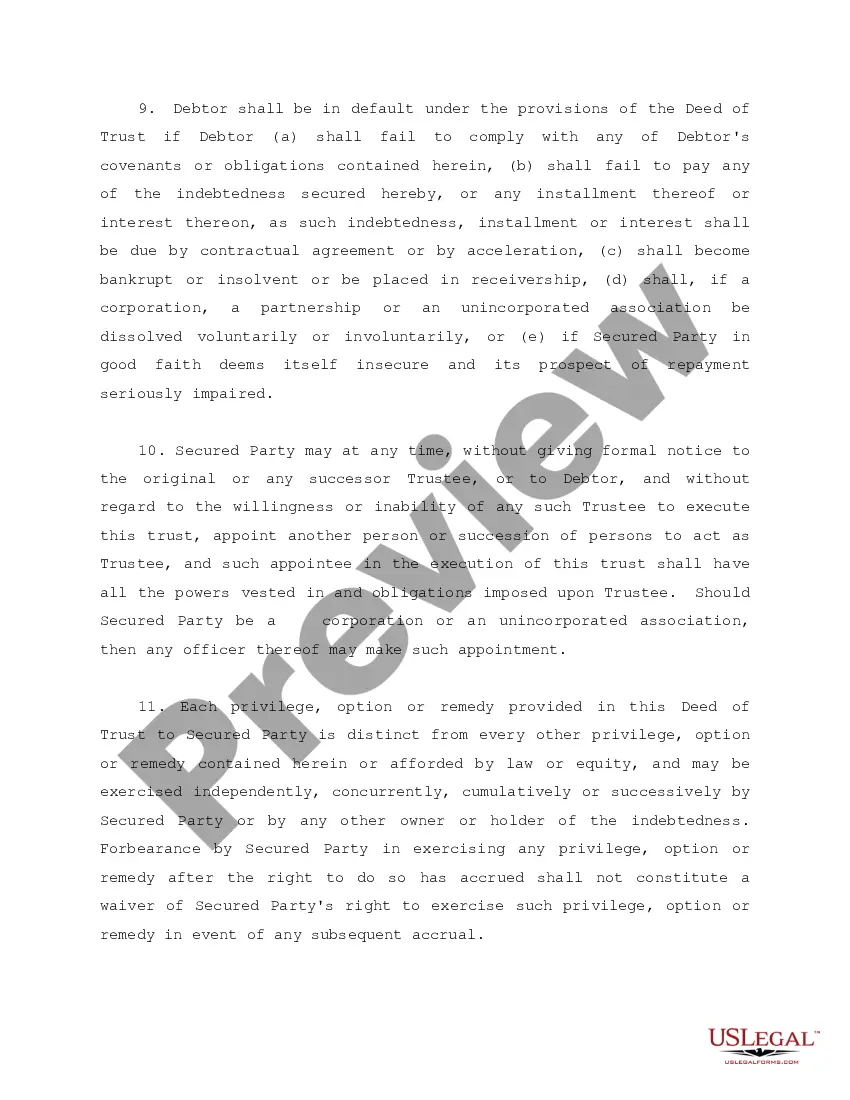
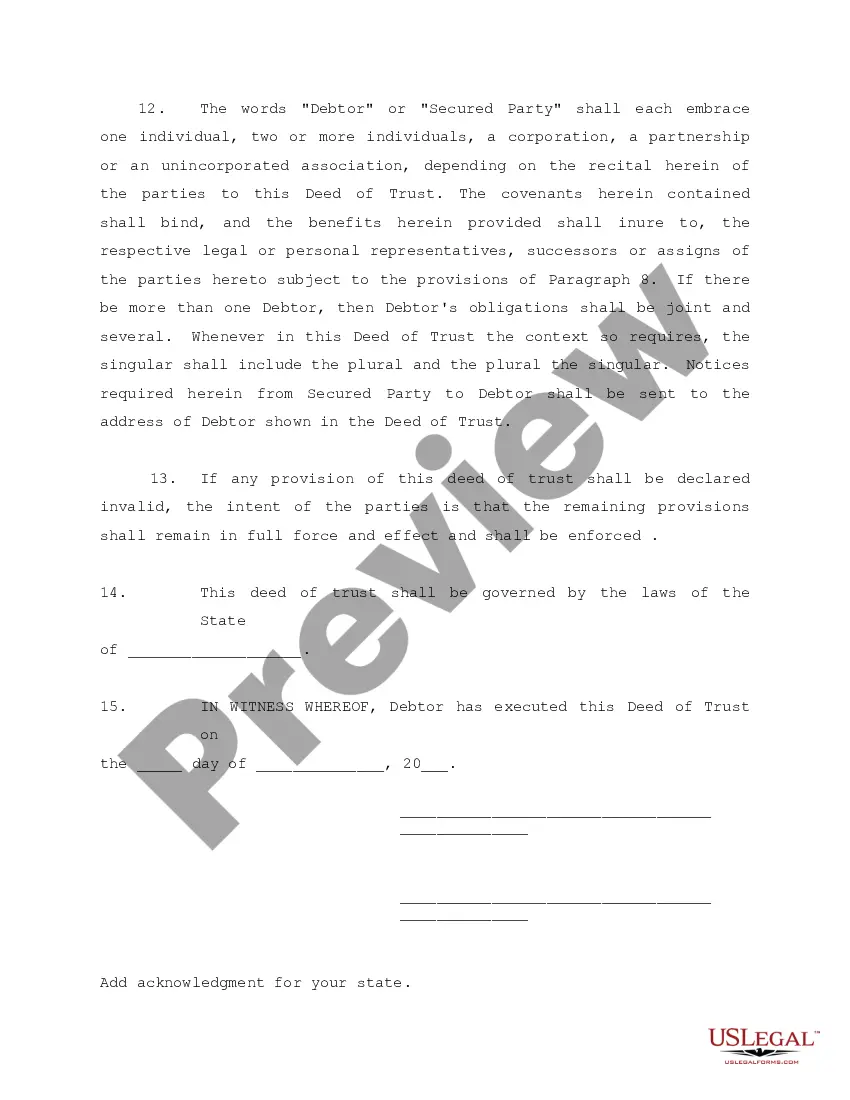
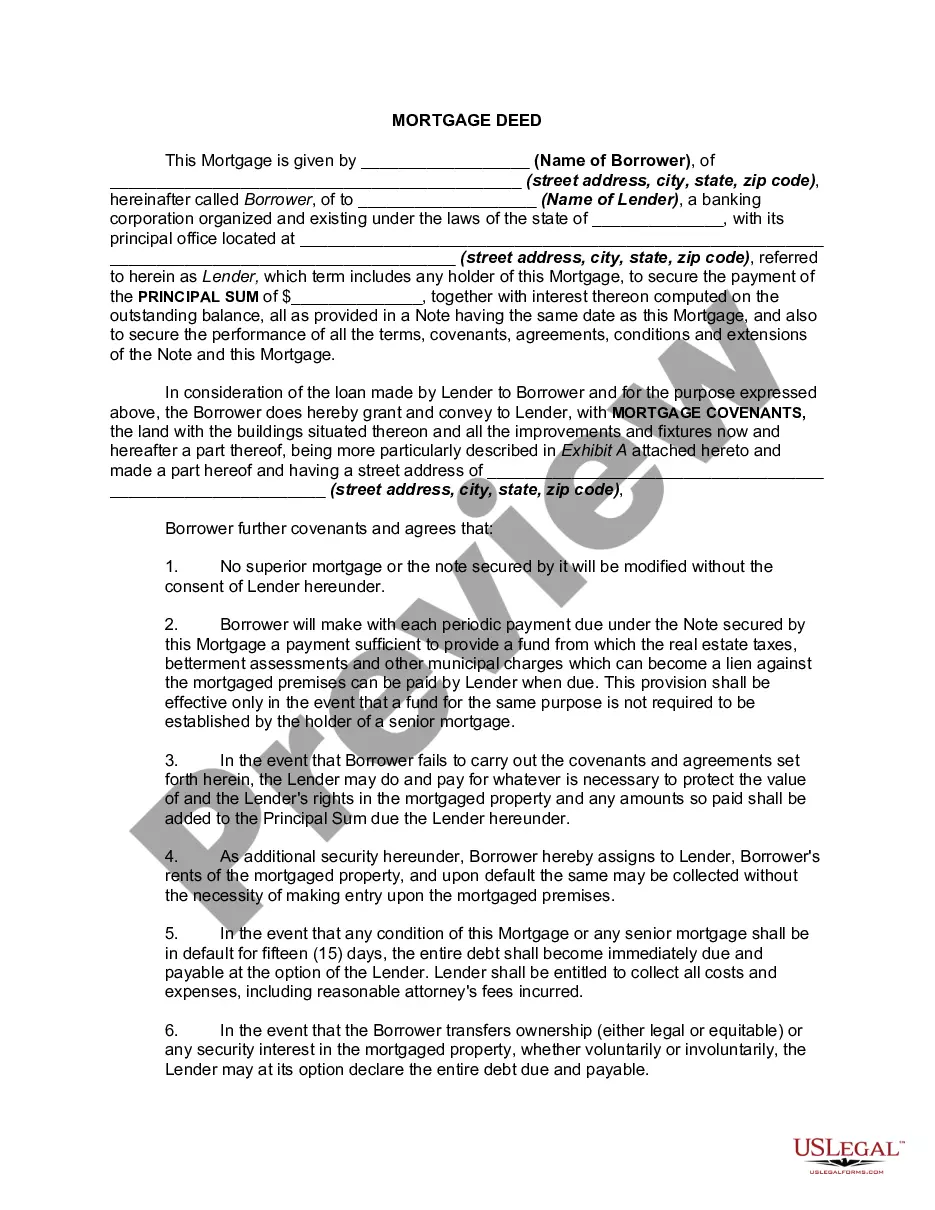

Get your form ready online
Our built-in tools help you complete, sign, share, and store your documents in one place.
Make edits, fill in missing information, and update formatting in US Legal Forms—just like you would in MS Word.
Download a copy, print it, send it by email, or mail it via USPS—whatever works best for your next step.
Sign and collect signatures with our SignNow integration. Send to multiple recipients, set reminders, and more. Go Premium to unlock E-Sign.
If this form requires notarization, complete it online through a secure video call—no need to meet a notary in person or wait for an appointment.
We protect your documents and personal data by following strict security and privacy standards.

Make edits, fill in missing information, and update formatting in US Legal Forms—just like you would in MS Word.

Download a copy, print it, send it by email, or mail it via USPS—whatever works best for your next step.

Sign and collect signatures with our SignNow integration. Send to multiple recipients, set reminders, and more. Go Premium to unlock E-Sign.

If this form requires notarization, complete it online through a secure video call—no need to meet a notary in person or wait for an appointment.

We protect your documents and personal data by following strict security and privacy standards.
Looking for another form?





Form popularity
FAQ
Add your child as an authorized user on your credit card and don't give them the card that gets issued. They automatically adopt your credit scoring / history tied to that card. Thus, you build credit for them without them having to manage a card.
Credit card debt is by far the most common type of unsecured debt. If you fail to make credit card payments, the card issuer cannot repossess the items you purchased.
Paying more than the minimum will get you out of debt faster and save you hundreds — sometimes, even thousands — of dollars in interest. Not all credit cards are unsecured. There are secured credit cards, which are backed by an initial deposit.
Because people under age 18 can't open their own credit cards, you can't technically open a whole new credit card in your child's name — but you can still add them to yours. Adding someone to your account turns them into an authorized user, which gives them many of the same perks you have as the primary cardholder.
Examples of unsecured debt include credit cards, medical bills, utility bills, and other instances in which credit was given without any collateral requirement.
Credit card debt is by far the most common type of unsecured debt. If you fail to make credit card payments, the card issuer cannot repossess the items you purchased.
Secured Debt. You can deduct your home mortgage interest only if your mortgage is a secured debt.
Both secured and unsecured debt can be discharged in Chapter 13 bankruptcies, but non-dischargeable unsecured debts cannot be discharged in California.
Its expiration means that there are again two separate limits for chapter 13 cases. Now, to file a chapter 13 bankruptcy case, a debtor must have no more than $465,275 in unsecured debt, and no more than $1,395,875 in secured debt (again, counting only noncontingent, liquidated debt in each instance).