North Carolina Business Credit Application
About this form
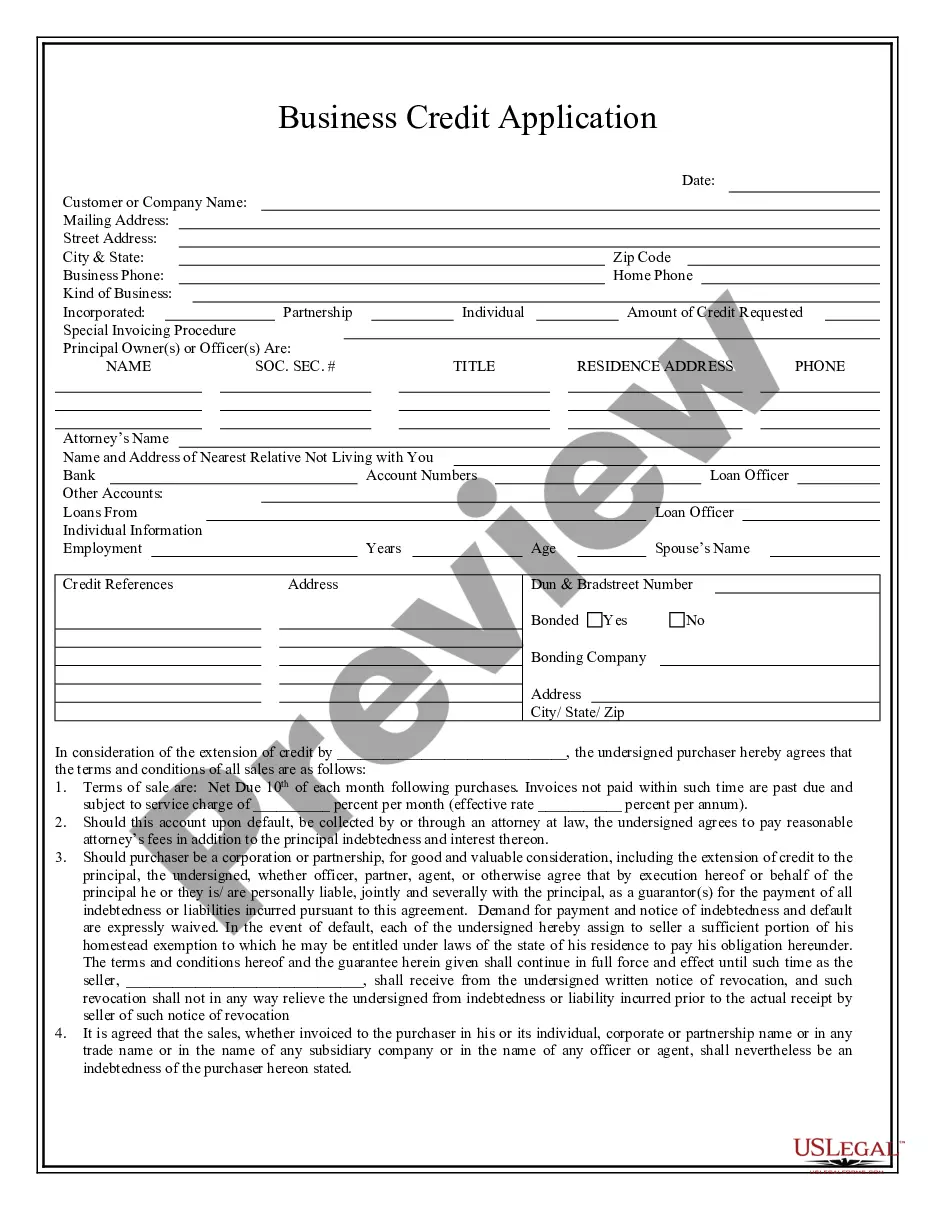
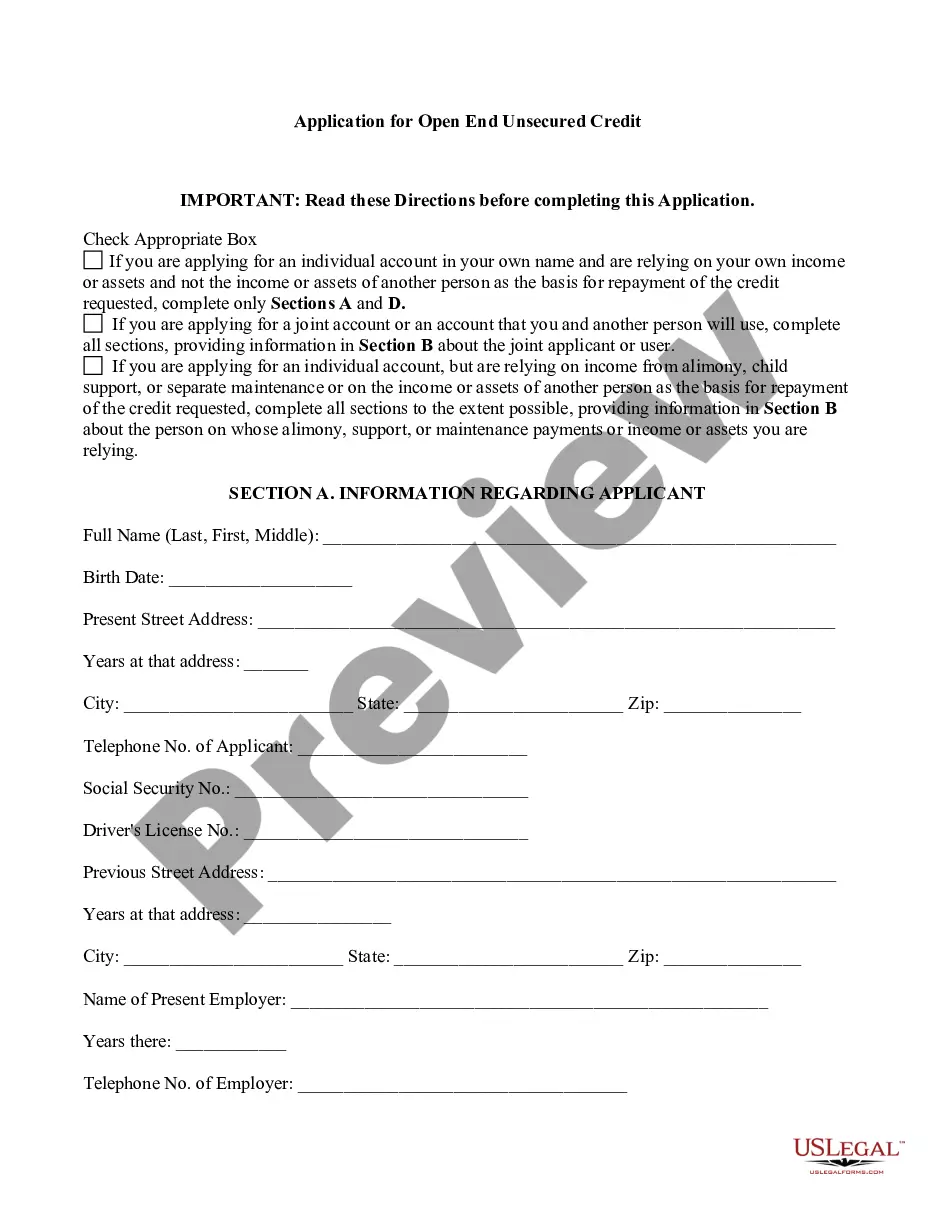
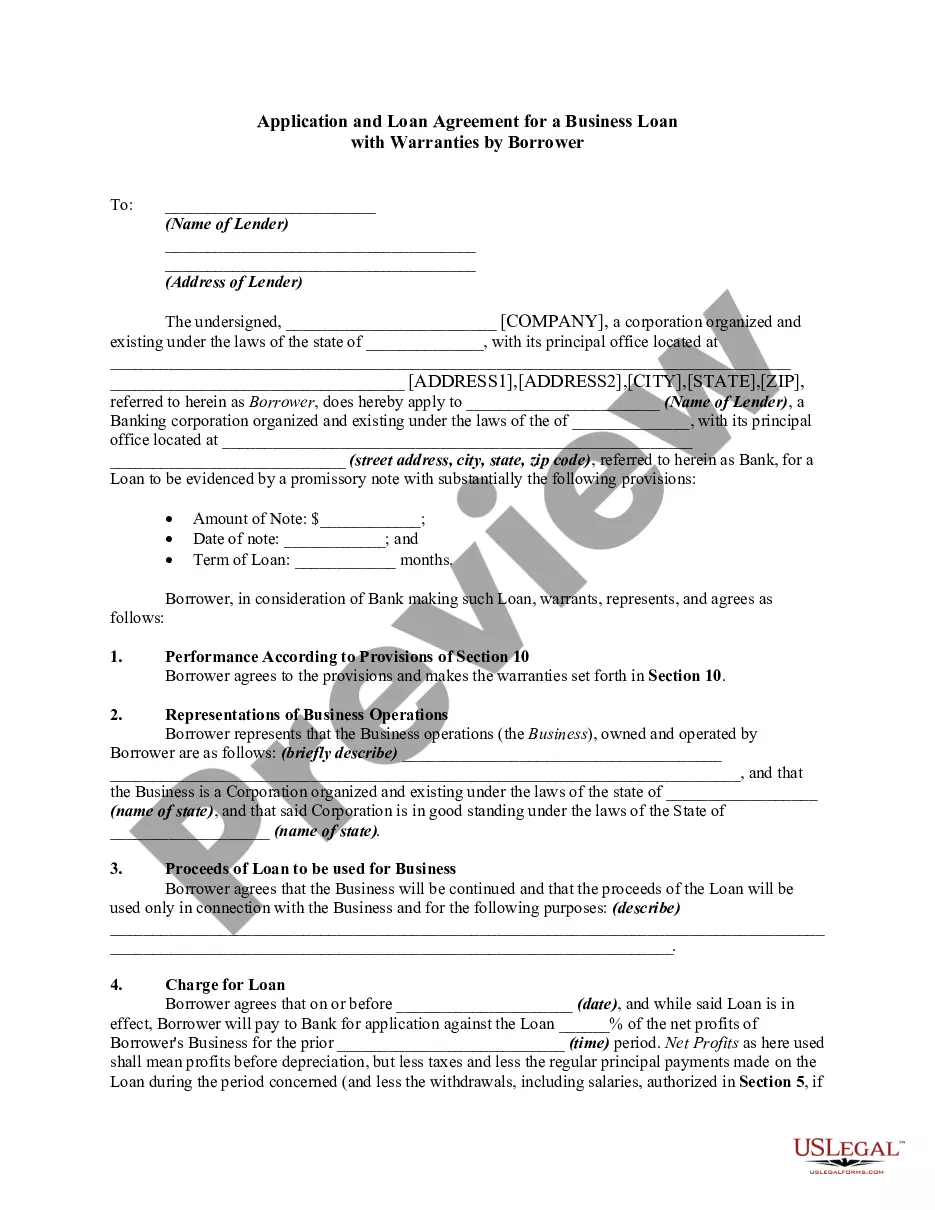
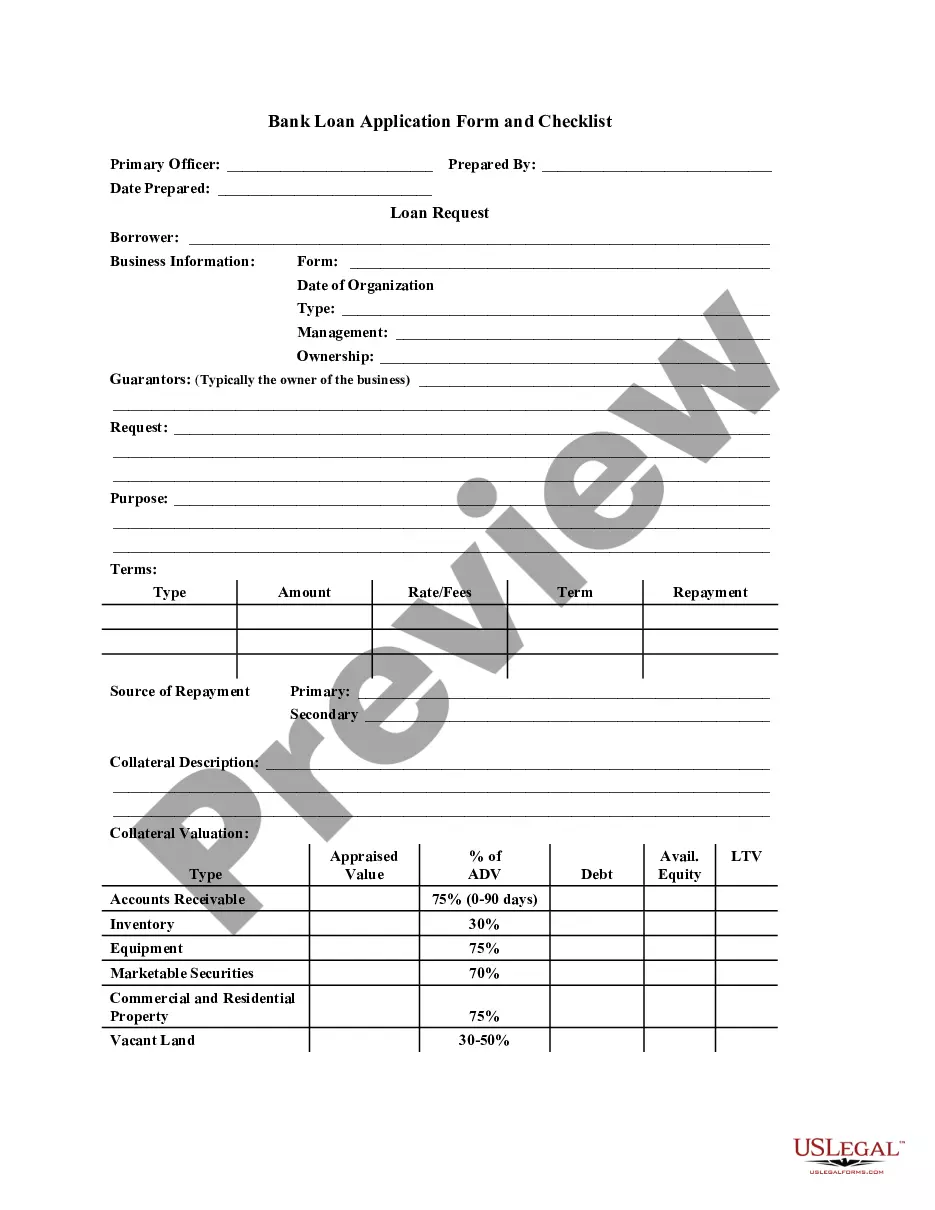
The Business Credit Application is a legal document that individuals or organizations use to request credit from a seller for purchases. It establishes the terms of repayment, including interest rates and default provisions. This form is distinct from other credit applications because it includes security interests in the goods sold until payment is completed, protecting the seller's rights.
What’s included in this form
- Terms of sale, including payment due dates and service charges for late payments.
- Provisions related to default and the obligation to pay attorney fees if the account requires legal collection.
- Responsibilities of guarantors if the purchaser is a corporation or partnership.
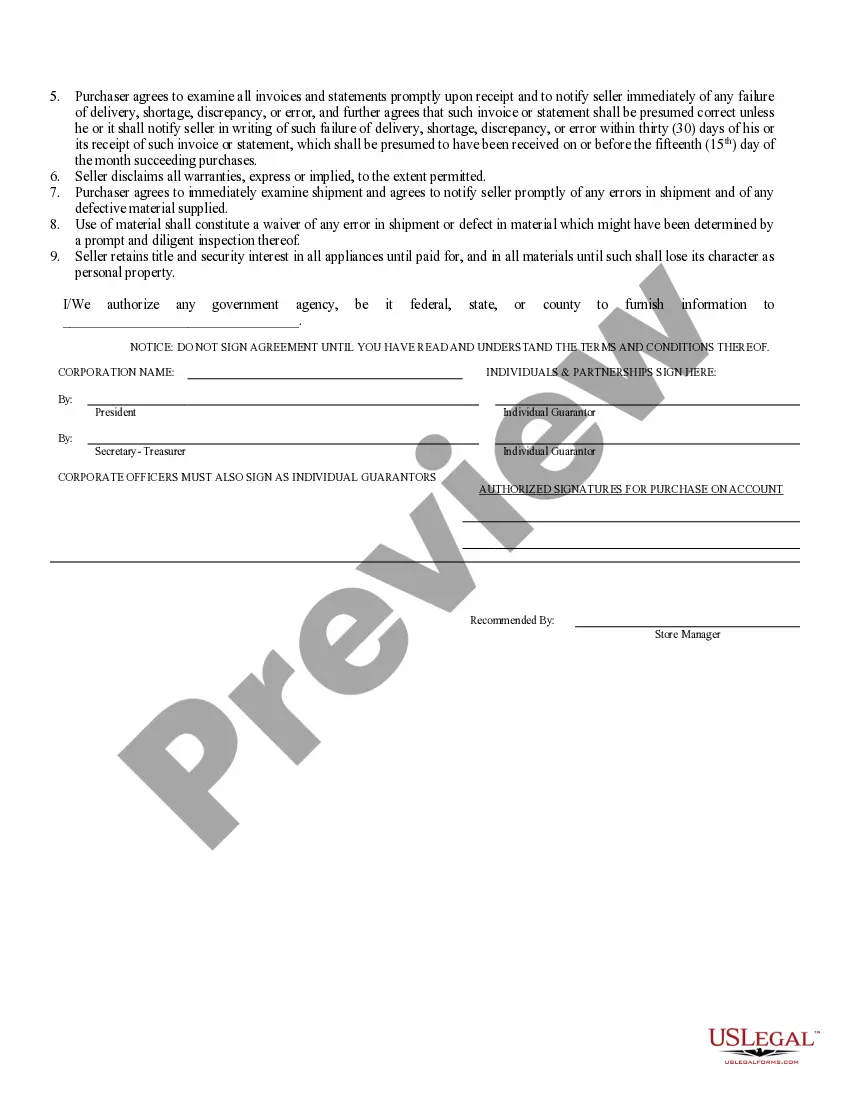
- A disclaimer of warranties by the seller, limiting liability for defects.
- Retention of title clauses to secure the seller's interest in sold goods until full payment is made.
- Instructions for communication regarding invoices and any discrepancies.
When to use this document
This form should be used when a business is extending credit to a buyer, allowing them to purchase goods or services while agreeing to pay at a later date. It is necessary when a seller wants to formalize credit arrangements and ensure that they are protected against non-payment.
Intended users of this form
The following individuals or entities should use the Business Credit Application:
- Businesses offering credit to customers.
- Individuals or companies seeking to establish credit lines with sellers.
- Officers or partners of corporations and partnerships that may assume liability as guarantors.
Instructions for completing this form
- Identify the seller by filling in their name and any relevant business details.
- Enter your business name or individual details as the purchaser.
- Specify the terms of payment, including due dates and interest rates for late payments.
- If applicable, have guarantors sign to ensure liability for the credit extended.
- Review and sign the form, ensuring that all parties understand the terms before submission.
Does this document require notarization?
This form does not typically require notarization unless specified by local law. Always check for jurisdiction-specific rules that may apply.
Get your form ready online
Our built-in tools help you complete, sign, share, and store your documents in one place.
Make edits, fill in missing information, and update formatting in US Legal Forms—just like you would in MS Word.
Download a copy, print it, send it by email, or mail it via USPS—whatever works best for your next step.
Sign and collect signatures with our SignNow integration. Send to multiple recipients, set reminders, and more. Go Premium to unlock E-Sign.
If this form requires notarization, complete it online through a secure video call—no need to meet a notary in person or wait for an appointment.
We protect your documents and personal data by following strict security and privacy standards.

Make edits, fill in missing information, and update formatting in US Legal Forms—just like you would in MS Word.

Download a copy, print it, send it by email, or mail it via USPS—whatever works best for your next step.

Sign and collect signatures with our SignNow integration. Send to multiple recipients, set reminders, and more. Go Premium to unlock E-Sign.

If this form requires notarization, complete it online through a secure video call—no need to meet a notary in person or wait for an appointment.

We protect your documents and personal data by following strict security and privacy standards.
Mistakes to watch out for
- Not reading the terms thoroughly before signing.
- Failing to include accurate payment terms or interest rates.
- Overlooking the need for guarantor signatures if part of a corporation or partnership.
- Not promptly addressing errors in invoices or discrepancies in shipments.
Why complete this form online
- Convenience of downloading and filling out the form at any time.
- Editable fields allow users to customize the form as needed.
- Clear formatting helps ensure compliance with legal standards.
Legal use & context
- This form is legally binding, establishing obligations for both seller and buyer.
- Credit transactions using this form are governed by applicable state laws, which may vary.
- It is important to maintain copies for both parties as documentation of the credit agreement.
What to keep in mind
- The Business Credit Application formalizes credit agreements between buyers and sellers.
- Comprehending repayment terms and conditions is crucial to avoid future disputes.
- Be aware of specific state requirements that may impact the use of this form.
Looking for another form?
Form popularity
FAQ
Choose a business name. File an assumed name certificate with the county register of deeds office. Obtain licenses, permits, and zoning clearance. Obtain an Employer Identification Number.
To choose corporate tax treatment for your LLC, file IRS Form 2553. This requires the LLC to file a separate federal income tax return each year. Corporations are also taxed by North Carolina at a rate of 5 percent of annual income and must pay a franchise tax each year. File Form CD-405 with the Department of Revenue.
An LLC that is not considered a separate entity from its owner is taxed as a sole proprietor. Therefore, the LLC's income and expenses are reported as self-employment income on Schedule C of the owner's personal tax return. A taxpayer is required to file Schedule C if the LLC's income exceeds $400 for the tax year.
The IRS treats one-member LLCs as sole proprietorships for tax purposes. This means that the LLC itself does not pay taxes and does not have to file a return with the IRS. As the sole owner of your LLC, you must report all profits (or losses) of the LLC on Schedule C and submit it with your 1040 tax return.
You can only file your personal and business taxes separately if your company it is a corporation, according to the IRS.Corporations file their taxes using Form 1120. Limited liability companies (LLCs) can also choose to be treated as a corporation by the IRS, whether they have one or multiple owners.
North Carolina families with qualifying children who were 16 or younger at the end of 2019 who did not already receive the $335 check from the NC Department of Revenue. Qualifying individuals who were not required to file a 2019 state tax return and have NOT already received the $335 grant.
To form an LLC in North Carolina you will need to file the Articles of Organization with the North Carolina Secretary of State, which costs $125. You can apply online or by mail. The Articles of Organization is the legal document that officially creates your North Carolina limited liability company.
The State of North Carolina requires you to file an annual report for your LLC.The annual report must be filed each year by April 15 except that new LLCs don't need to file a report until the first year after they're created. The filing fee is $200.
You can register your business with the North Carolina Department of Revenue by completing and submitting Form NC-BR, or by registering online. When you register, you will be issued an account ID number for such tax purposes as income tax withholding, sales and use tax, and machinery and equipment tax.