Secured Debt Shall With A Sinking Fund In California
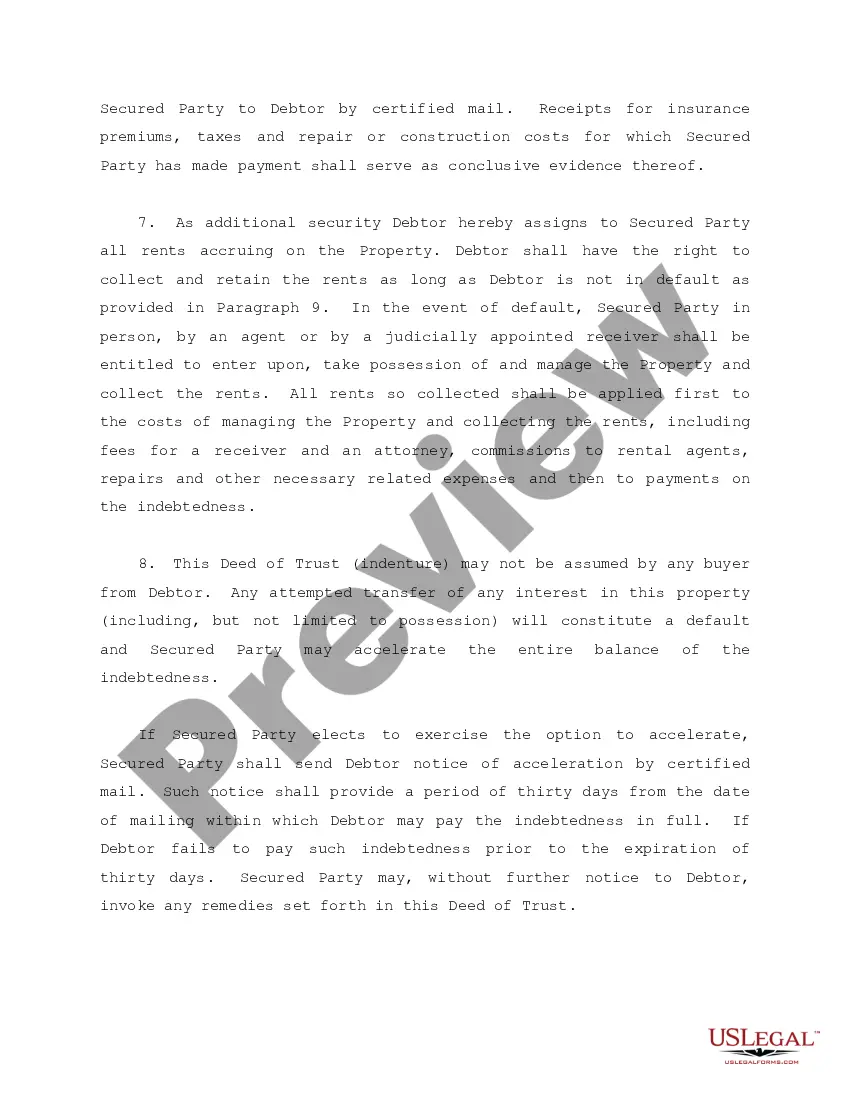
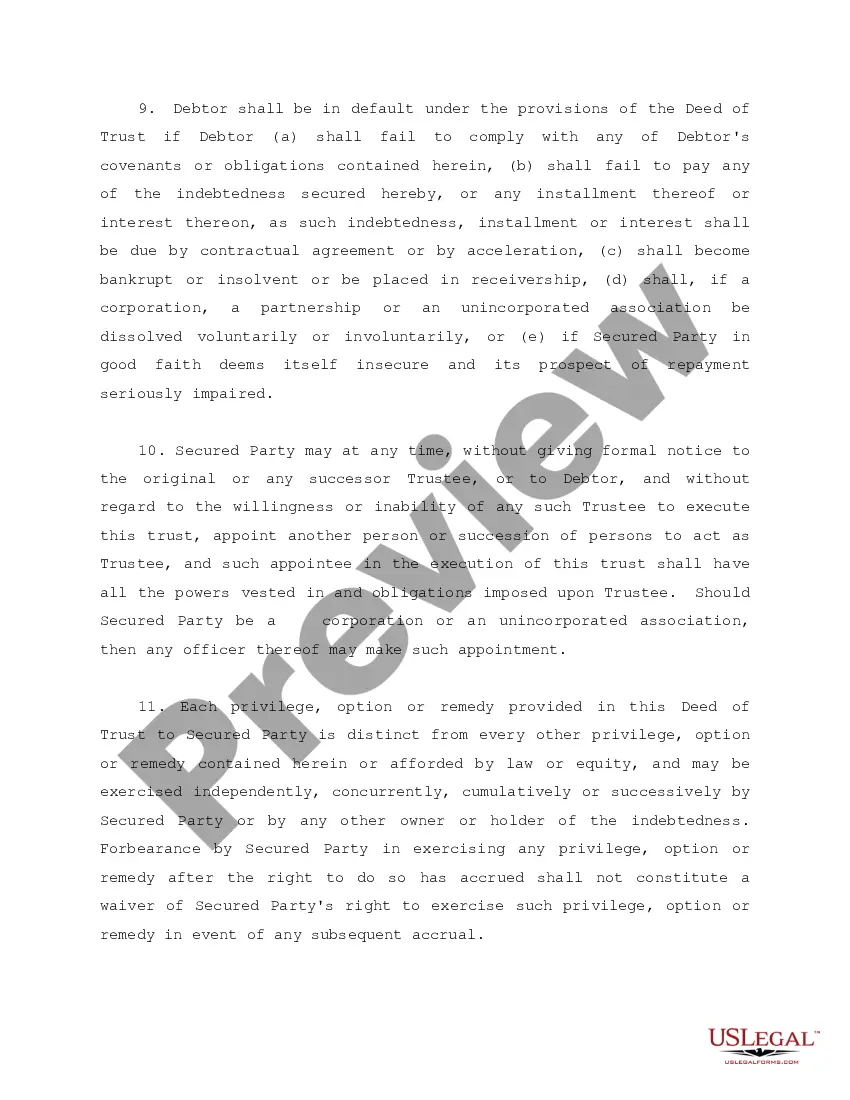
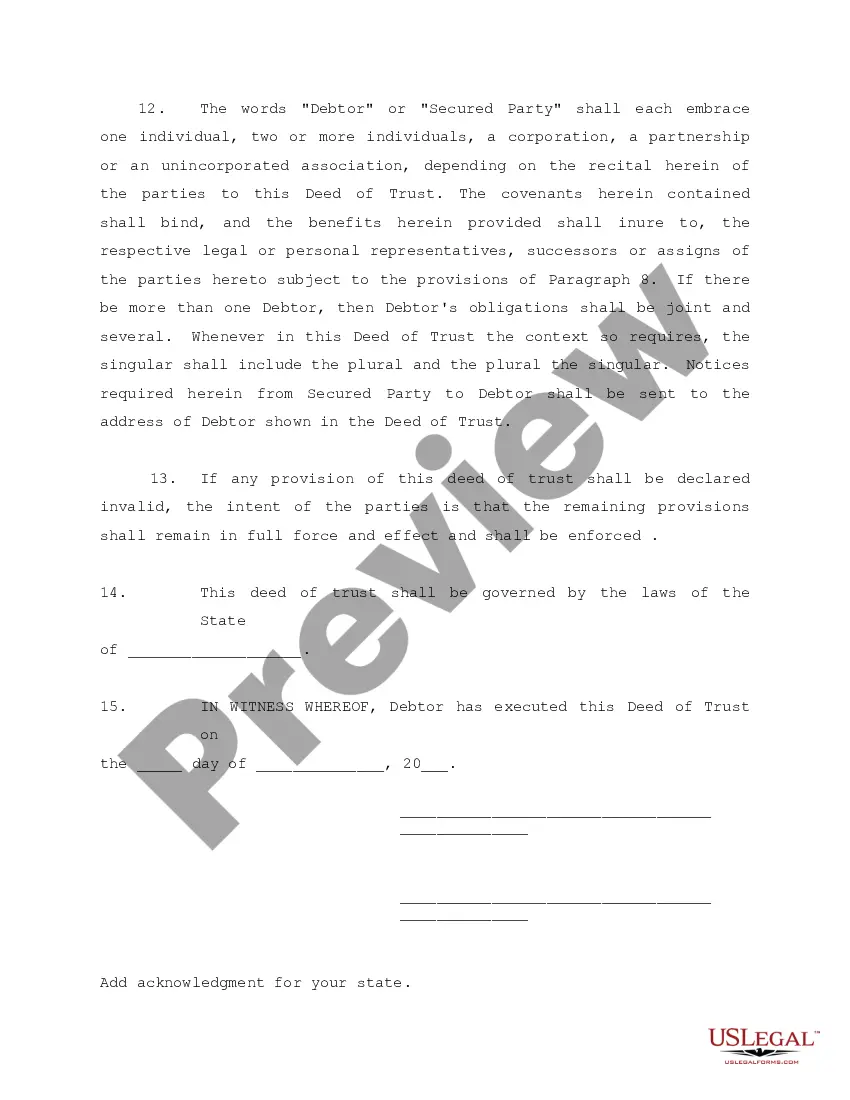
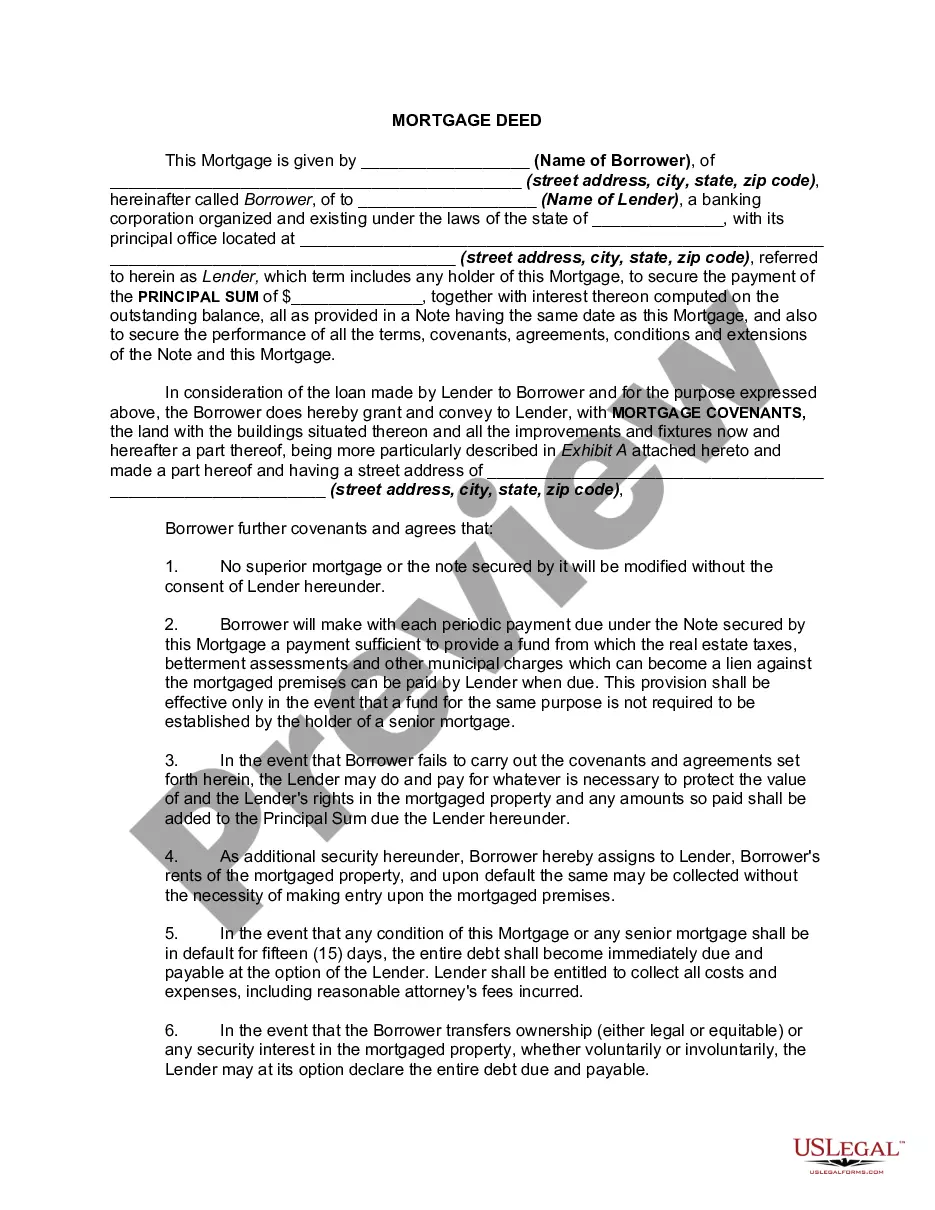
Description


Get your form ready online
Our built-in tools help you complete, sign, share, and store your documents in one place.
Make edits, fill in missing information, and update formatting in US Legal Forms—just like you would in MS Word.
Download a copy, print it, send it by email, or mail it via USPS—whatever works best for your next step.
Sign and collect signatures with our SignNow integration. Send to multiple recipients, set reminders, and more. Go Premium to unlock E-Sign.
If this form requires notarization, complete it online through a secure video call—no need to meet a notary in person or wait for an appointment.
We protect your documents and personal data by following strict security and privacy standards.

Make edits, fill in missing information, and update formatting in US Legal Forms—just like you would in MS Word.

Download a copy, print it, send it by email, or mail it via USPS—whatever works best for your next step.

Sign and collect signatures with our SignNow integration. Send to multiple recipients, set reminders, and more. Go Premium to unlock E-Sign.

If this form requires notarization, complete it online through a secure video call—no need to meet a notary in person or wait for an appointment.

We protect your documents and personal data by following strict security and privacy standards.
Looking for another form?





Form popularity
FAQ
California's statute of limitations for most unsecured debts, including credit card debt, is four years. This means creditors or debt collectors have four years from the date of your last payment to file a lawsuit against you to recover the debt.
The Limitation Act says that the limitation period for mortgage shortfalls is twelve years for capital owed, and six years for the interest part of the shortfall. The cause of action (when the limitation period starts running) for mortgage shortfalls, is usually when the lender is entitled to be repaid in full.
Debt collectors may not be able to sue you to collect on old (time-barred) debts, but they may still try to collect on those debts. In California, there is generally a four-year limit for filing a lawsuit to collect a debt based on a written agreement.
Six-year limitation California Penal Code 800 PC states that if a crime is punishable with eight years or more of imprisonment in the state prison, the statute of limitations is six years.
Debt collectors may not be able to sue you to collect on old (time-barred) debts, but they may still try to collect on those debts. In California, there is generally a four-year limit for filing a lawsuit to collect a debt based on a written agreement.
The California Debt Issuance Primer is a comprehensive reference manual on public debt issuance in California. The purpose of the Debt Primer is to provide public agency policy makers and staff with an extensive overview of the debt financing alternatives available to California public agencies.
In the fiscal year of 2024, California's state debt stood at about 158.05 billion U.S. dollars.
On a per capita basis, Connecticut's $27,031 total liabilities per capita are worst in the nation, followed by New Jersey. Reason Foundation finds California has twice the total liabilities of any other state. California had $498 billion in total liabilities at the end of fiscal year 2022.
Overview of State Debt As shown in Figure 1, California has a total of about $79 billion in outstanding bond debt—the vast majority of which is from GO bonds. In addition, the Legislature and voters have authorized another $30 billion in bonds that have not yet been issued (sold).
California debt relief is a real thing. It's available through a number of different California Debt Relief programs, including the state's Debt Relief Program and Mortgage Assistance Program.
