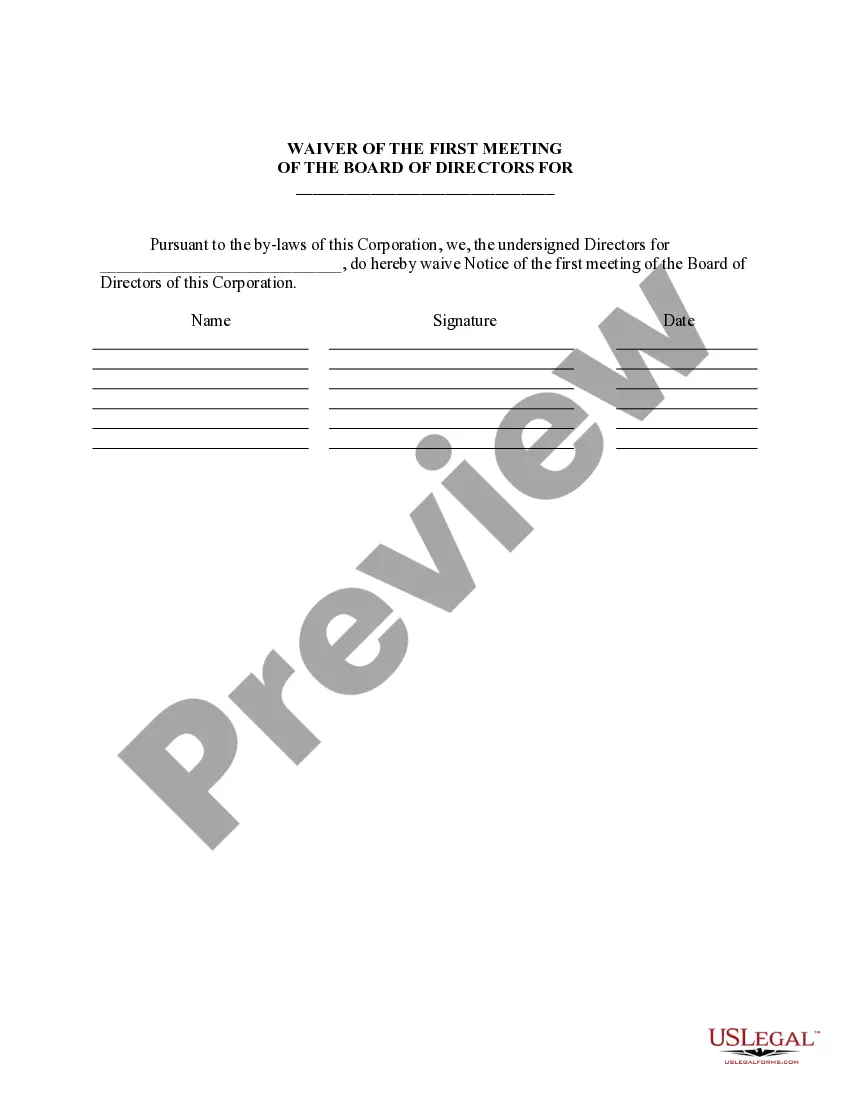
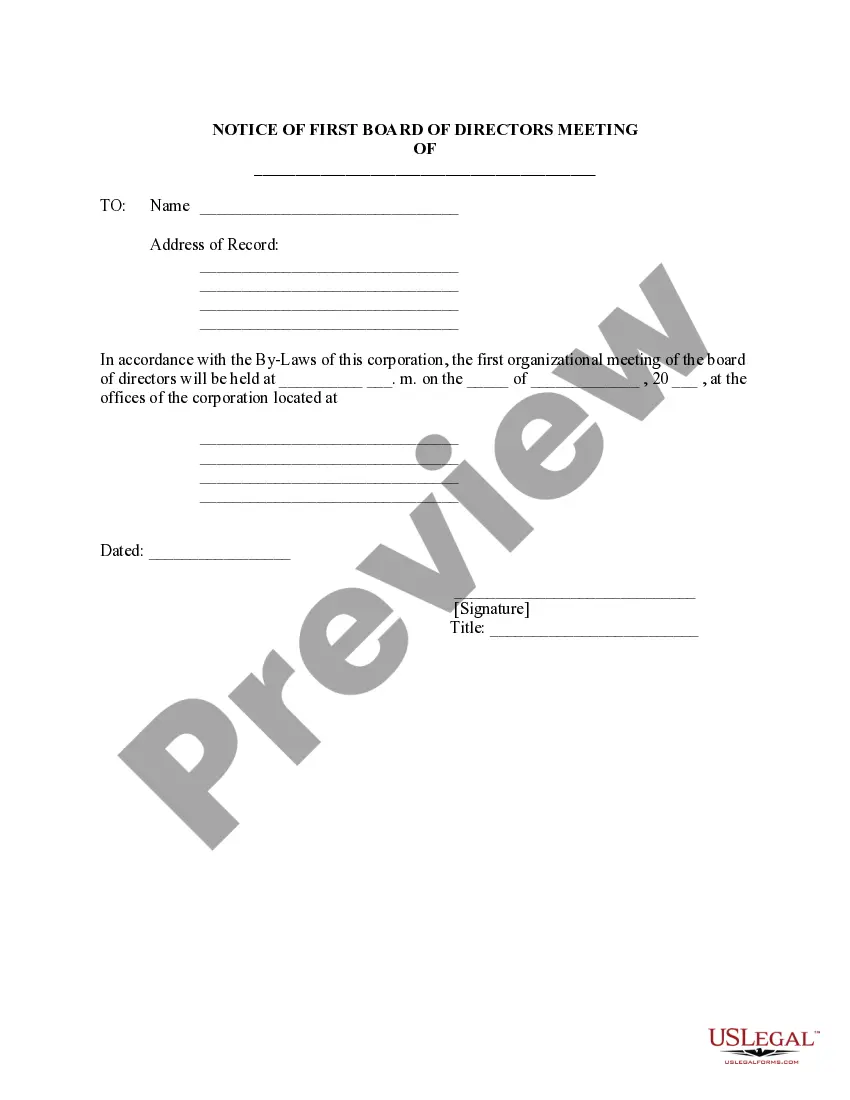
Board Directors Corporate Without In Suffolk
Description


Get your form ready online
Our built-in tools help you complete, sign, share, and store your documents in one place.
Make edits, fill in missing information, and update formatting in US Legal Forms—just like you would in MS Word.
Download a copy, print it, send it by email, or mail it via USPS—whatever works best for your next step.
Sign and collect signatures with our SignNow integration. Send to multiple recipients, set reminders, and more. Go Premium to unlock E-Sign.
If this form requires notarization, complete it online through a secure video call—no need to meet a notary in person or wait for an appointment.
We protect your documents and personal data by following strict security and privacy standards.

Make edits, fill in missing information, and update formatting in US Legal Forms—just like you would in MS Word.

Download a copy, print it, send it by email, or mail it via USPS—whatever works best for your next step.

Sign and collect signatures with our SignNow integration. Send to multiple recipients, set reminders, and more. Go Premium to unlock E-Sign.

If this form requires notarization, complete it online through a secure video call—no need to meet a notary in person or wait for an appointment.

We protect your documents and personal data by following strict security and privacy standards.
Looking for another form?










Form popularity
FAQ
Federal and state-level laws, as well as a company's incorporation documents, require public and private corporations in the U.S. to have boards of directors (BoDs). Although private LLCs do not have the same requirements, some choose to elect a board of directors after incorporating.
How to form a board of directors Register articles of incorporation. You must file articles of incorporation in your state to gain legal status as a corporation. Create bylaws. Set up a board of directors agreement. Select your board of directors. Have an initial shareholder meeting.
All corporations, regardless of the state, must have a shareholder-elected Board of Directors. An LLC is not required to have a Board of Directors, but can adopt this form of management if the members (the owners of the LLC) choose to do so.
In most states, the minimum number of board members is three. However, there are a few states that require only two members. You should check with your state's requirements to be sure. Generally, the more board members that a corporation has, the more difficult it is to make decisions.
How to Start a Nonprofit in New York Name Your Organization. Choose a New York nonprofit corporation structure. Recruit Incorporators and Initial Directors. Appoint a Registered Agent. Prepare and File Articles of Incorporation. File Initial Report. Obtain an Employer Identification Number (EIN) ... Store Nonprofit Records.
How to Start an S Corp in New York Step 1: Choose a Business Name. Step 2: Obtain EIN. Step 3: Certificate of Incorporation. Step 4: Registered Agent. Step 5: Corporate Bylaws. Step 6: Directors and Meeting Requirements. Step 7: Stock Requirements. Step 8: Biennial Statement.
How to Start an S Corp in New York Step 1: Choose a Business Name. Step 2: Obtain EIN. Step 3: Certificate of Incorporation. Step 4: Registered Agent. Step 5: Corporate Bylaws. Step 6: Directors and Meeting Requirements. Step 7: Stock Requirements. Step 8: Biennial Statement.
Only individuals, certain trusts, and estates can be shareholders. This means no partnerships or corporations can own an S Corporation. There's a maximum of 100 shareholders. If you are the only shareholder, this isn't an issue, but it's good to know if you plan to expand.
Central to a 501(c)(3) organization's effective operation is a dedicated board of directors that ensures the nonprofit upholds its tax-exempt status.
Steps in becoming a board member Identify an organization you're interested in serving. If you are already a volunteer in an organization, you might investigate the possibility of joining its board. Contact the organization. Exchange information. Understand the expectations. Moving forward.