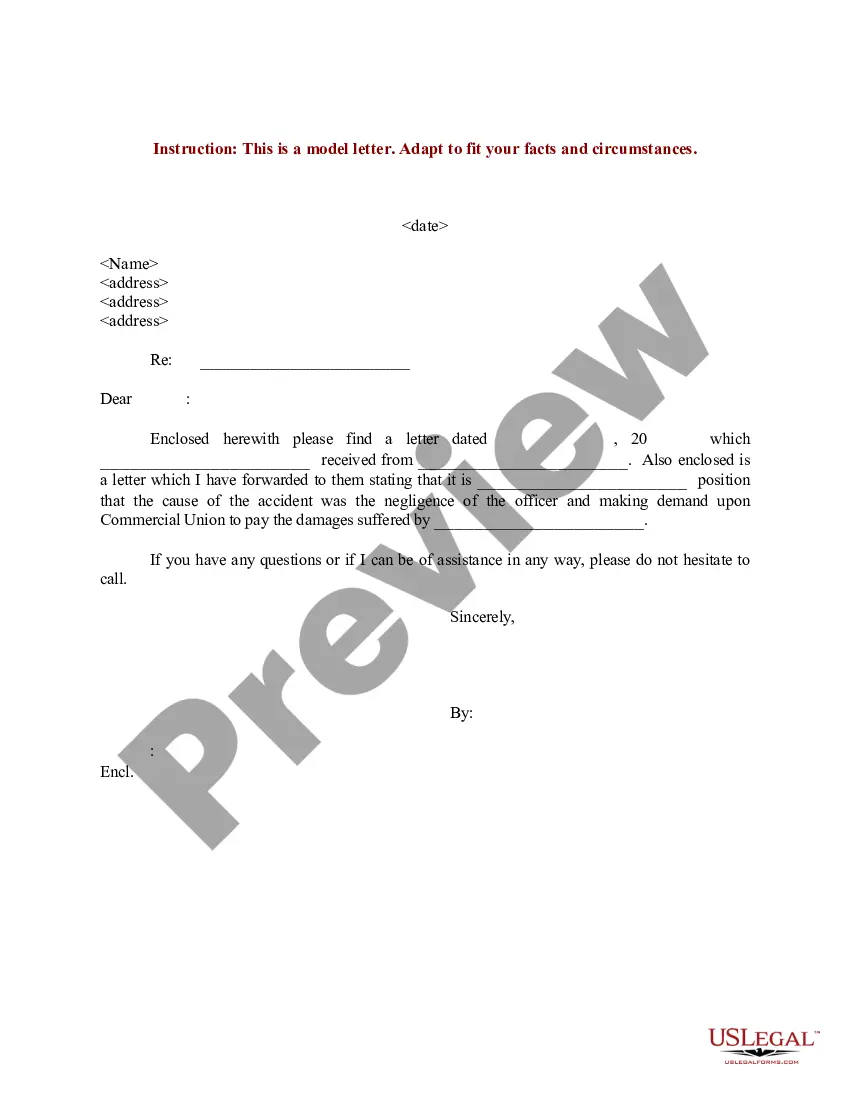
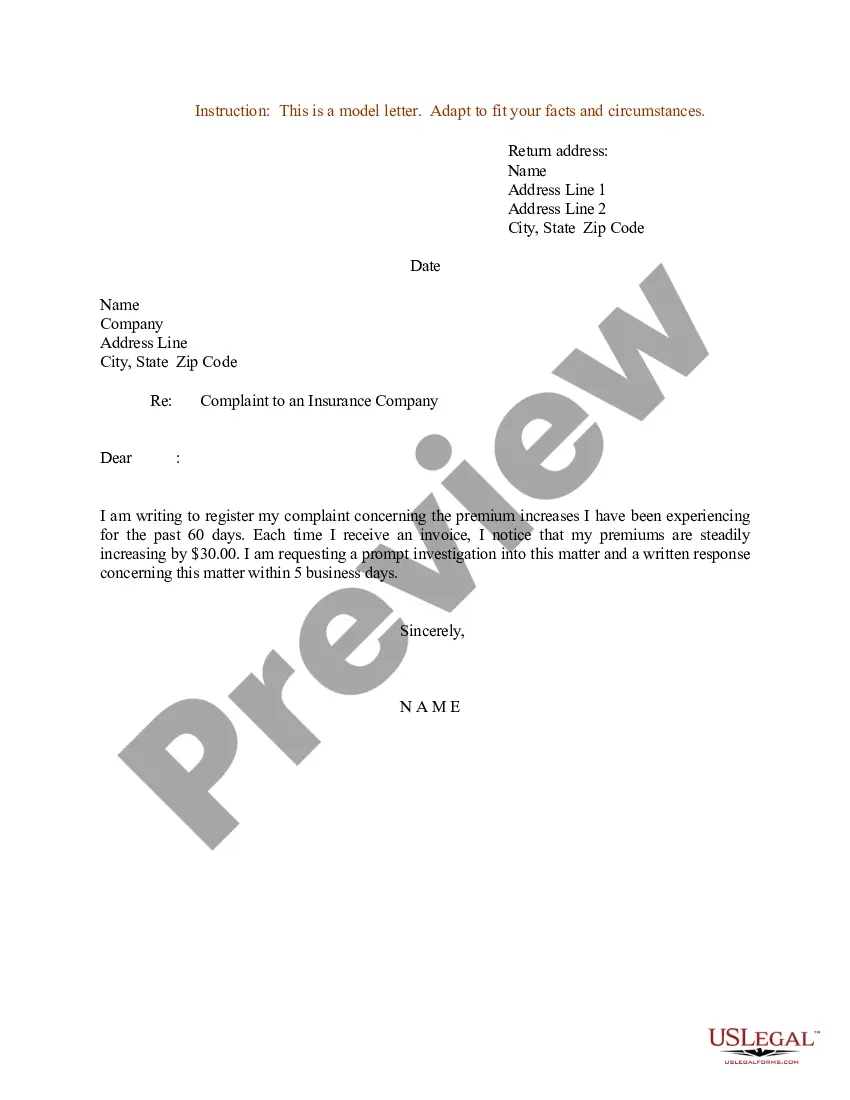
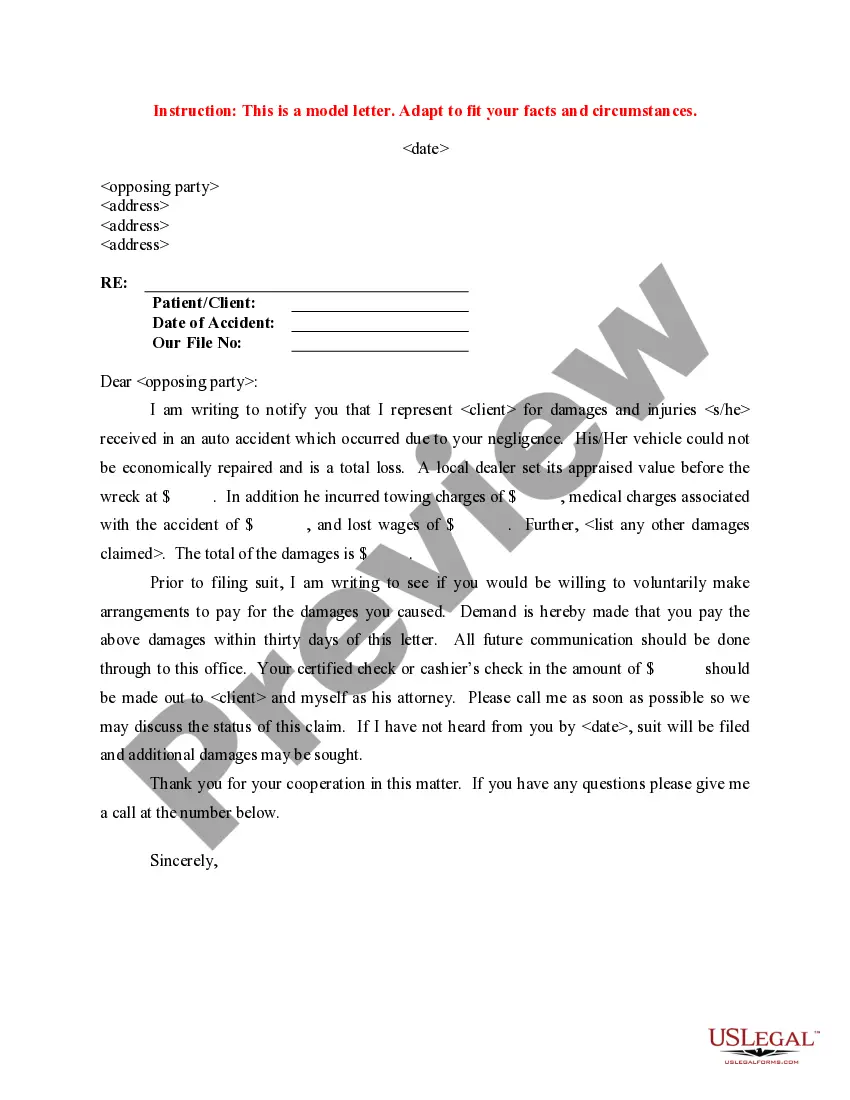
Lawyers That Deal With Insurance Companies In Middlesex
Description

Get your form ready online
Our built-in tools help you complete, sign, share, and store your documents in one place.
Make edits, fill in missing information, and update formatting in US Legal Forms—just like you would in MS Word.
Download a copy, print it, send it by email, or mail it via USPS—whatever works best for your next step.
Sign and collect signatures with our SignNow integration. Send to multiple recipients, set reminders, and more. Go Premium to unlock E-Sign.
If this form requires notarization, complete it online through a secure video call—no need to meet a notary in person or wait for an appointment.
We protect your documents and personal data by following strict security and privacy standards.

Make edits, fill in missing information, and update formatting in US Legal Forms—just like you would in MS Word.

Download a copy, print it, send it by email, or mail it via USPS—whatever works best for your next step.

Sign and collect signatures with our SignNow integration. Send to multiple recipients, set reminders, and more. Go Premium to unlock E-Sign.

If this form requires notarization, complete it online through a secure video call—no need to meet a notary in person or wait for an appointment.

We protect your documents and personal data by following strict security and privacy standards.
Looking for another form?







Form popularity
FAQ
If a commercial policyholder suffers property damage due to an unforeseen event and that claim is denied by the insurer, insurance companies will often retain a lawyer to represent them.
Ask friends and family for a referral. Ask any lawyer for a referral. They will likely have professional contacts and could steer you in the right direction. Look online. Sites like Avvo have lists of lawyers by region and specialty. Check the yellow pages (if you can still find a copy).
Insurance Law involves the regulation of all types of insurance of risk: property, automobile, personal and professional liability, life, health, long-term care, and disability, among others. Most areas of the insurance industry are regulated, so insurance law attorneys should be comfortable with administrative law.
If you've found yourself in this situation and are considering legal action, you might be wondering if you can sue an insurance company without hiring a lawyer. It is definitely possible, but it's essential to understand the potential challenges and complexities involved.
Avoiding a Lawsuit or Trial When an insurance company offers you a quick settlement offer, it wants to avoid a lawsuit or going to court. Insurance companies usually want to avoid getting involved in lawsuits and lengthy trials. Litigating a personal injury case can be expensive. Additionally, lawsuits are uncertain.
You may be able to sue your insurance company for bad faith if they intentionally neglect to perform the duties necessary ing to your policy. If the insurance company knows that the claim is valid but they deny it anyway, you may be able to sue for bad faith.
Where do lawyers fit into public policy? Everywhere! If it concerns advocating for, draft- ing, implementing, or analyzing laws or policies, lawyers will be involved. They interact with legis- lative and government representatives.
These lawsuits by individuals against their own insurance companies are referred to as "first-party" actions.
Attorneys can negotiate with insurers on behalf of claimants, countering lowball offers, advocating for fair settlements, and protecting claimants from coercive tactics.