360 Review Cost In Houston
Description

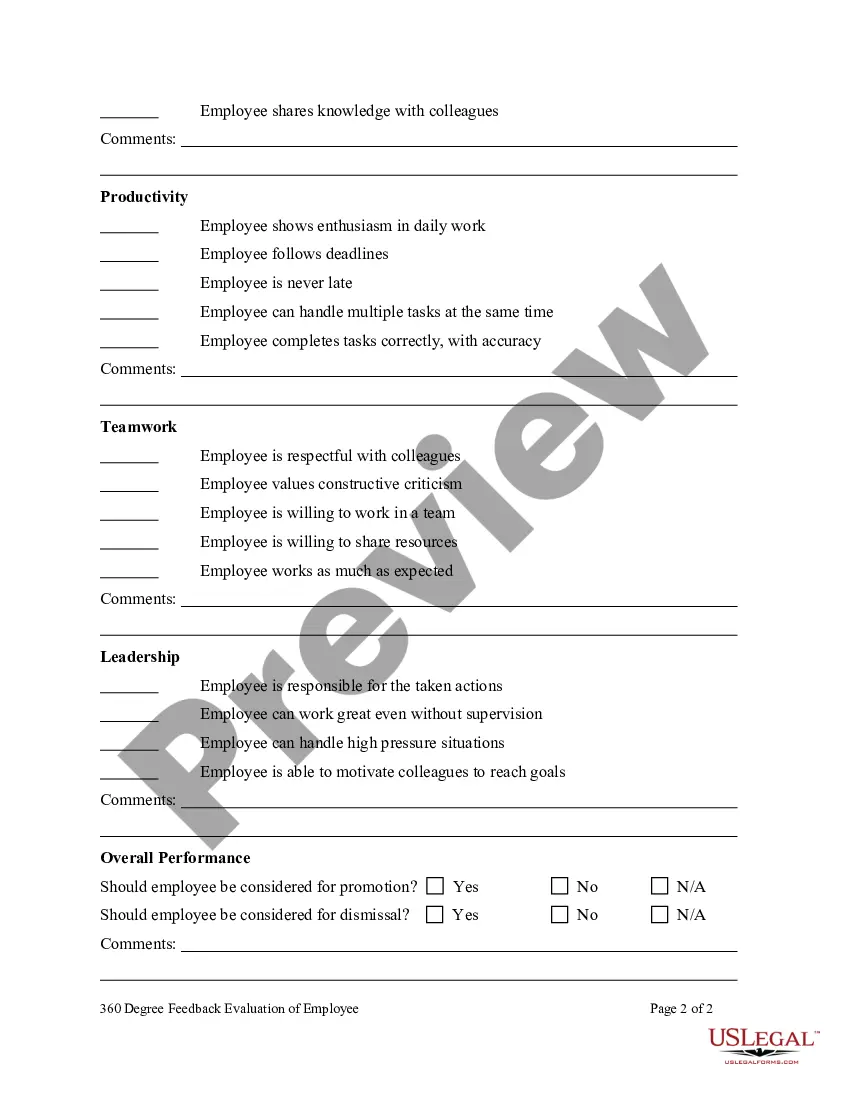
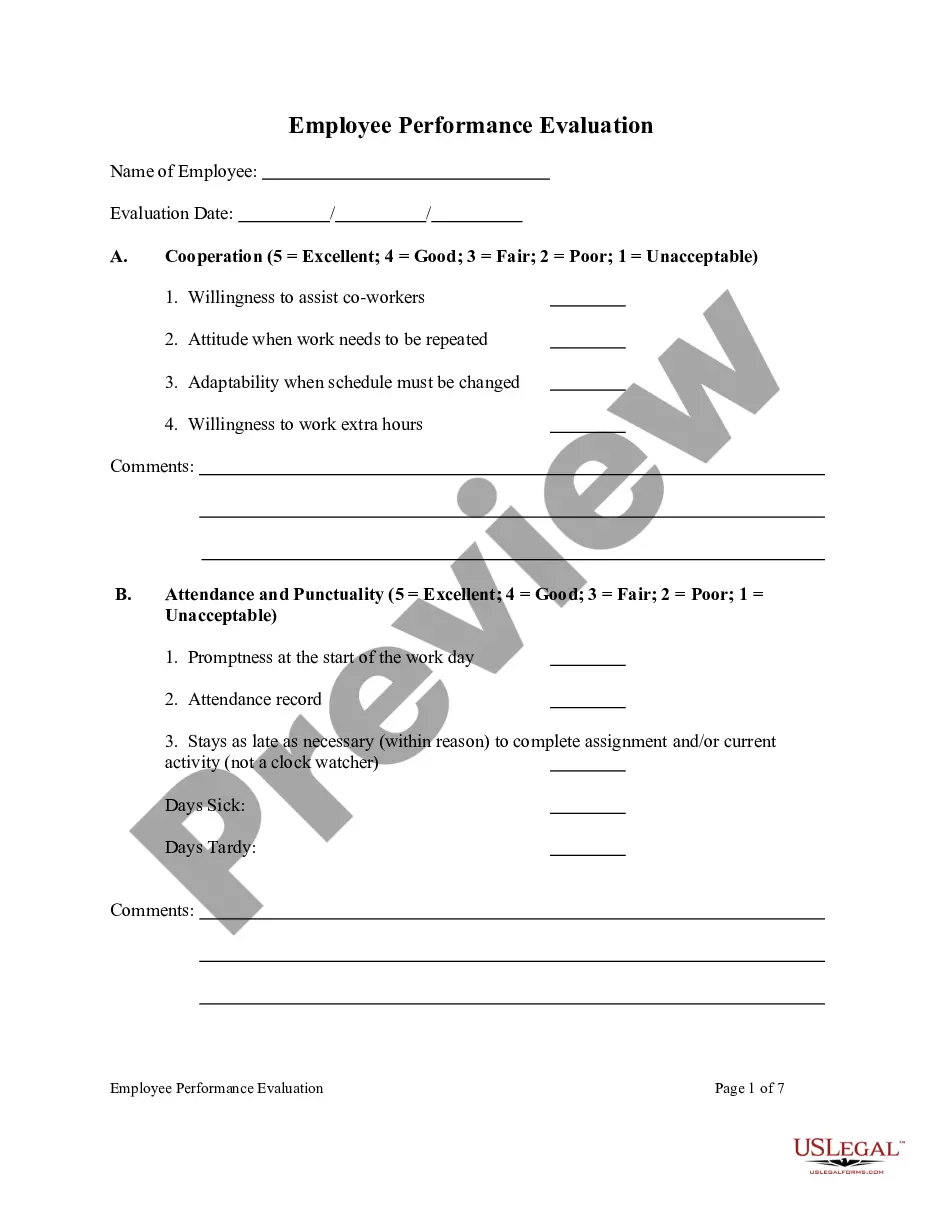
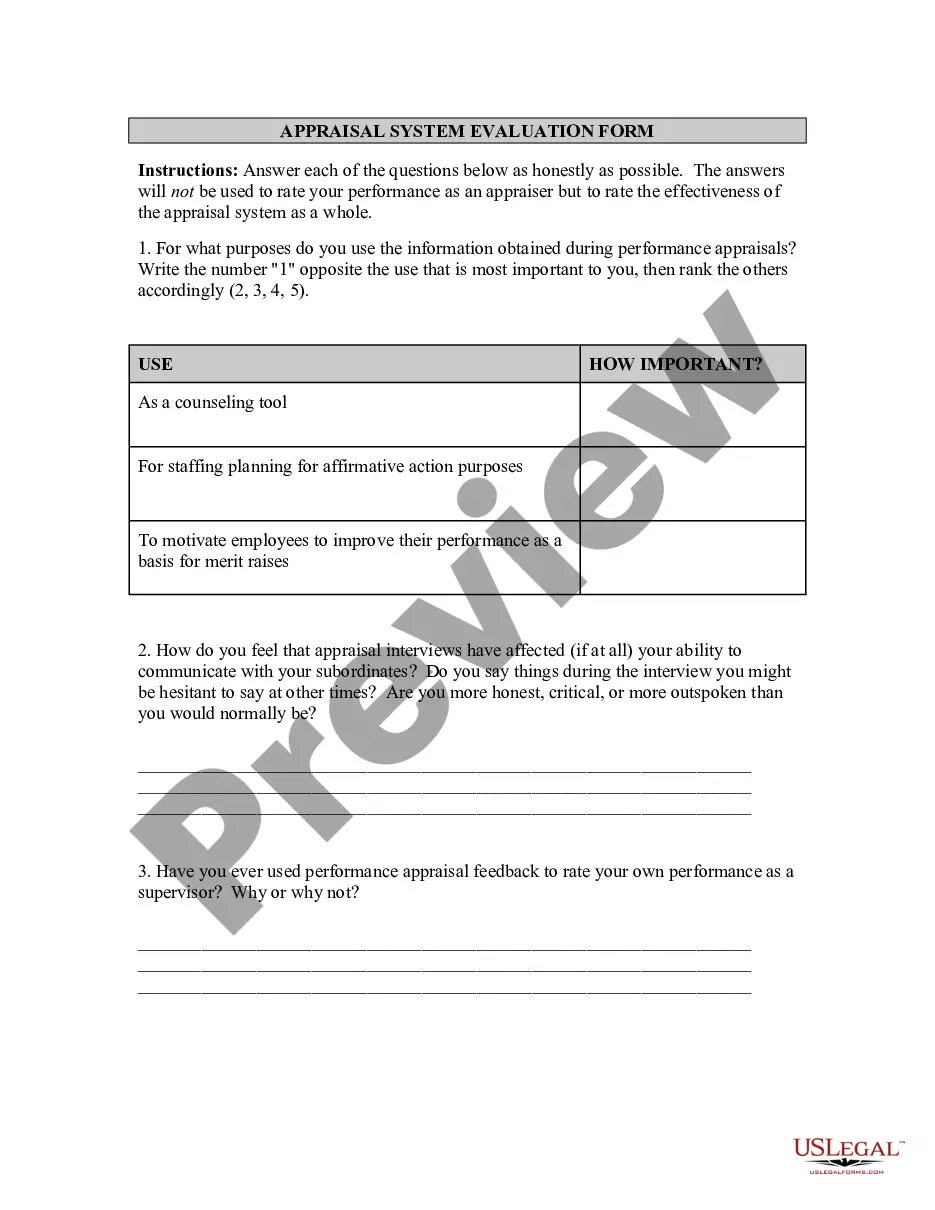
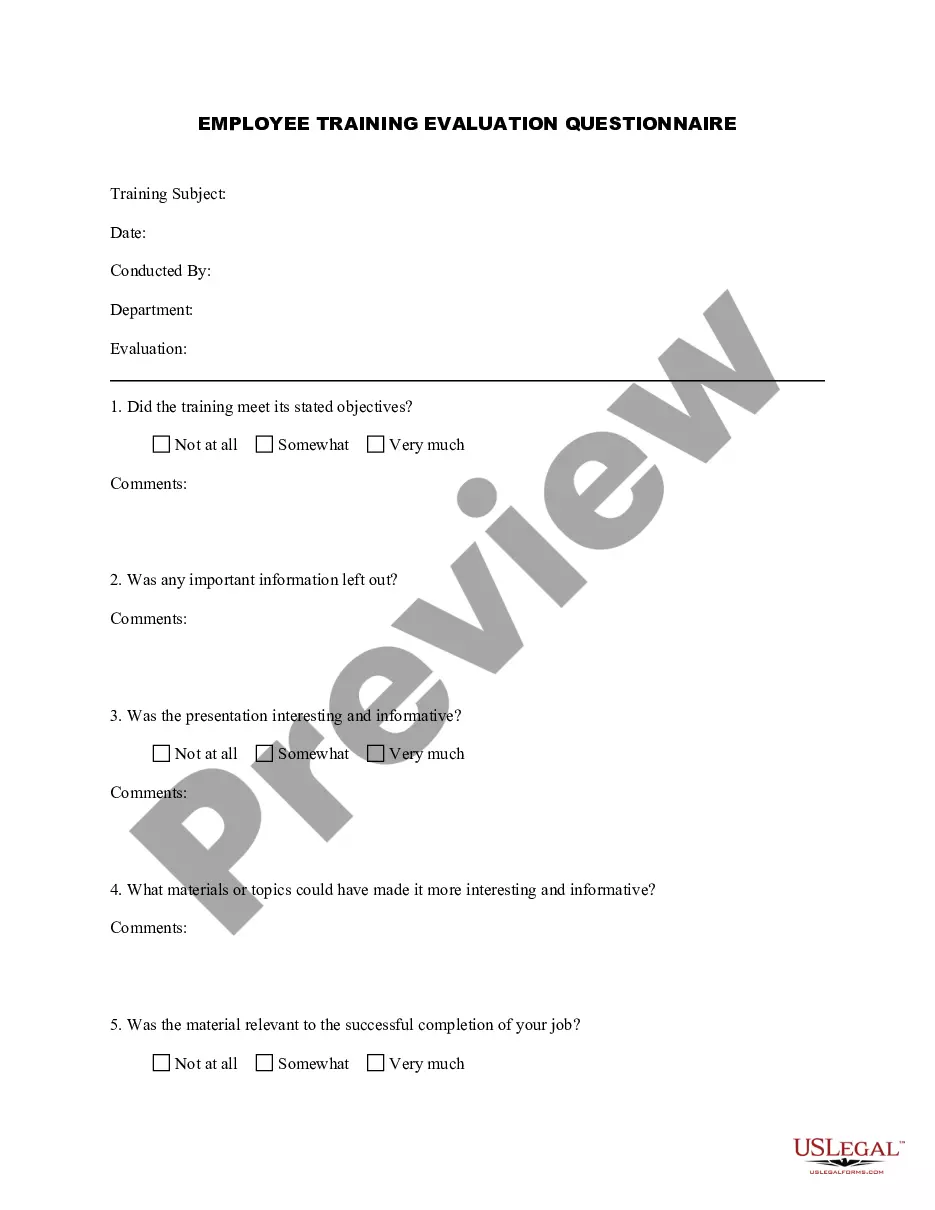
Get your form ready online
Our built-in tools help you complete, sign, share, and store your documents in one place.
Make edits, fill in missing information, and update formatting in US Legal Forms—just like you would in MS Word.
Download a copy, print it, send it by email, or mail it via USPS—whatever works best for your next step.
Sign and collect signatures with our SignNow integration. Send to multiple recipients, set reminders, and more. Go Premium to unlock E-Sign.
If this form requires notarization, complete it online through a secure video call—no need to meet a notary in person or wait for an appointment.
We protect your documents and personal data by following strict security and privacy standards.

Make edits, fill in missing information, and update formatting in US Legal Forms—just like you would in MS Word.

Download a copy, print it, send it by email, or mail it via USPS—whatever works best for your next step.

Sign and collect signatures with our SignNow integration. Send to multiple recipients, set reminders, and more. Go Premium to unlock E-Sign.

If this form requires notarization, complete it online through a secure video call—no need to meet a notary in person or wait for an appointment.

We protect your documents and personal data by following strict security and privacy standards.
Looking for another form?










Form popularity
FAQ
How to design an effective 360 degree feedback questionnaire Identify the themes you want to measure. Create specific 360 questions based on your themes. Example 360 degree feedback questionnaire questions. Define your 360 degree feedback questionnaire rating scale. In conclusion.
The 360 degree review process is all about creating a development plan for each employee based on their reports. As per the review an actionable improvement plan is formulated and training, workshops, knowledge sharing sessions are organized to overcome the shortcomings. It may take upto 1-2 weeks for this.
Positive 360 feedback examples The approach you have to resolving conflicts is commendable. Your active listening and tactful communication have helped to transform conflicts into opportunities for growth and team bonding.
8-Step 360 Degree Feedback Process Timeline Define the Purpose of the 360 Degree Review. Select Raters. Design the Questionnaire. Communicate the 360 Degree Feedback. Distributing surveys. Collate and Analyze Feedback. Conduct Feedback Discussion. Implement Action Plan.
The four integral components of a 360-degree appraisal include the following: Self-appraisal. Subordinate's appraisal. Superior's appraisal. Peer appraisal.
Feedback from 360 reviews builds trust. “Because the 360 ratings are typically anonymous, people are often more candid than they would be if they were providing the feedback face-to-face,” Thompson noted. “As a result, you can get a very clear sense of how others really perceive you.”
A 360 review typically consists of managers receiving and analyzing employee feedback to look for notable patterns of behavior and positive/negative feedback and then creating a report. This can provide employees with constructive criticism without overwhelming them.
360° reviews provide an opportunity for individuals to strengthen relationships with the people they work with. Seeing the positive feedback others share about them can create a sense of camaraderie while receiving insight about areas for improvement can help them become better team members.
Positive feedback is associated with better performance and higher productivity. Sadly, 360-degree feedback often focuses excessively on the negative, with employees typically ignoring their strengths. This usually comes from a place of good intention—employees want to address their weaknesses.
While 360 degree feedback can be a powerful tool for employee development, it carries potential legal risks if not managed properly. Missteps can lead to lawsuits due to discrimination, breaches of confidentiality, or claims of wrongful termination.