360 Feedback Answers In Broward
Description

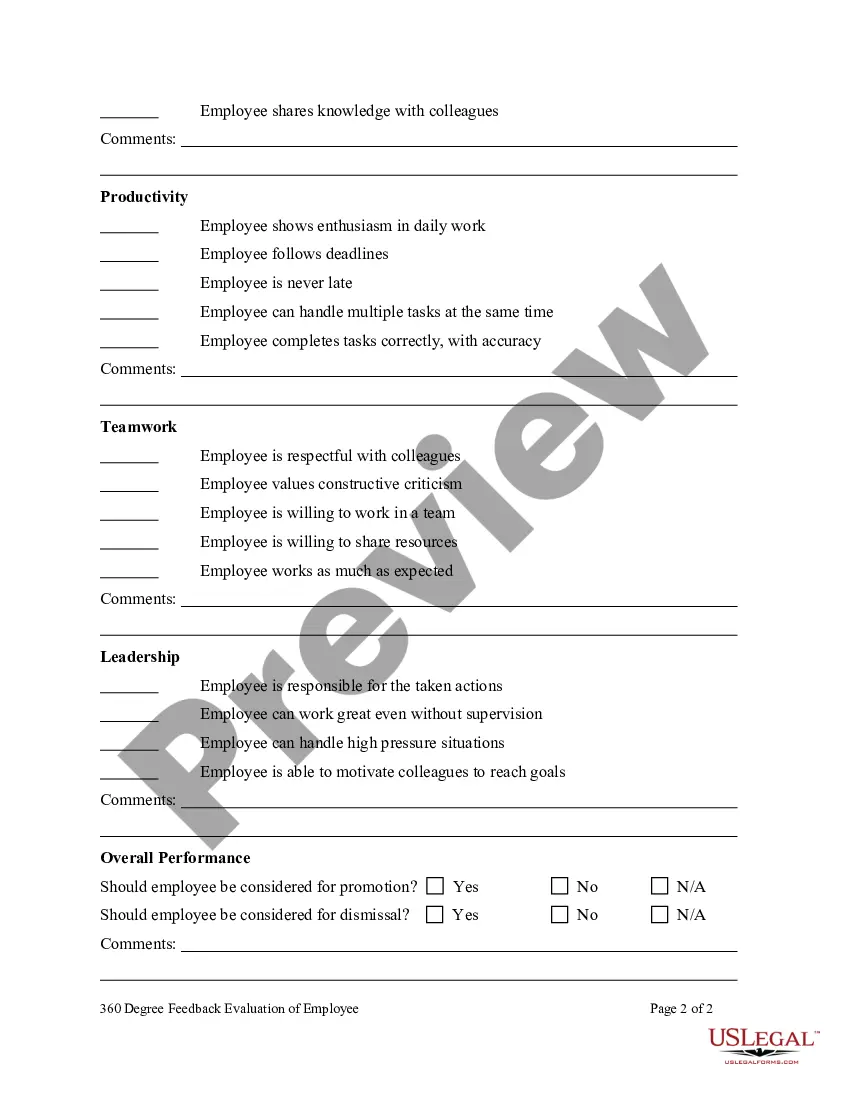
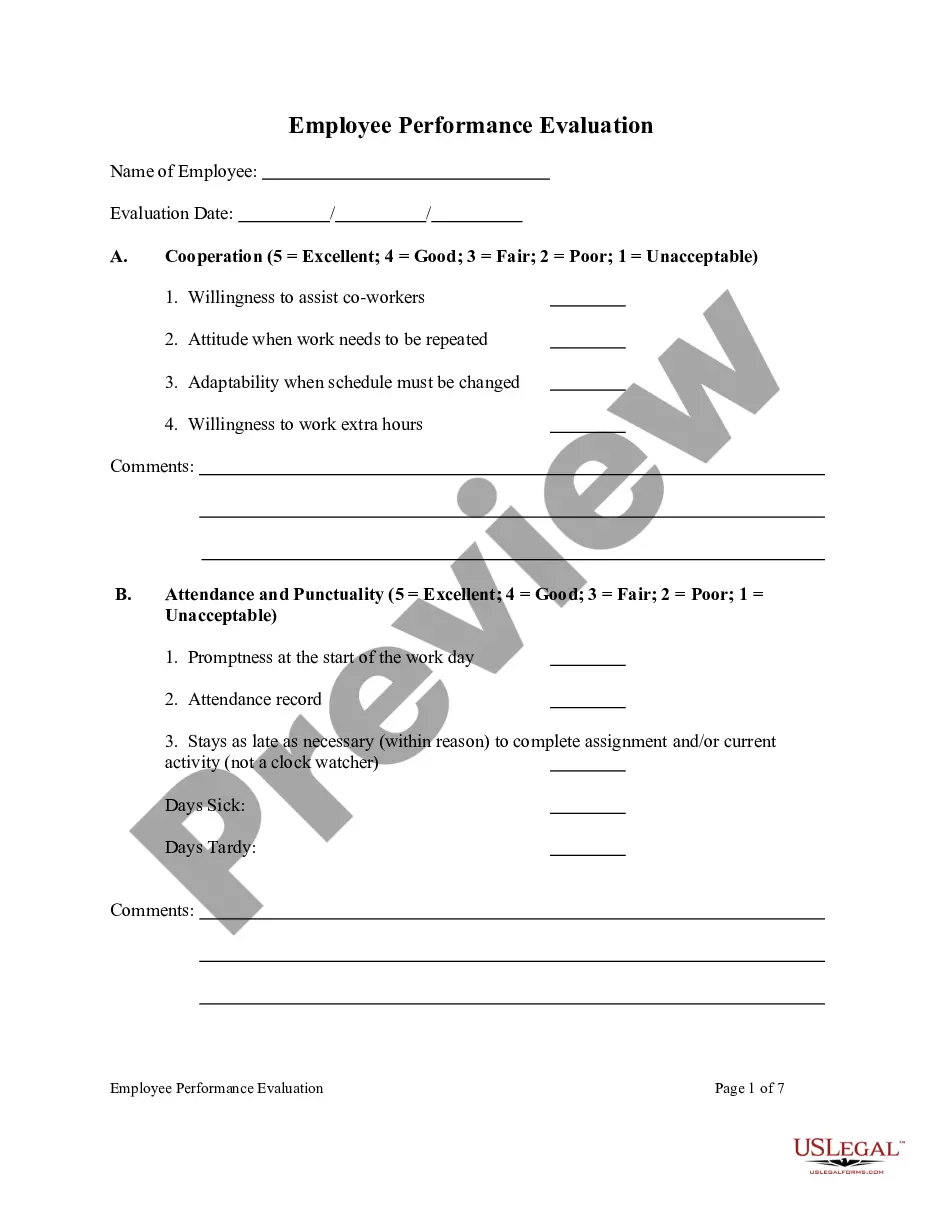
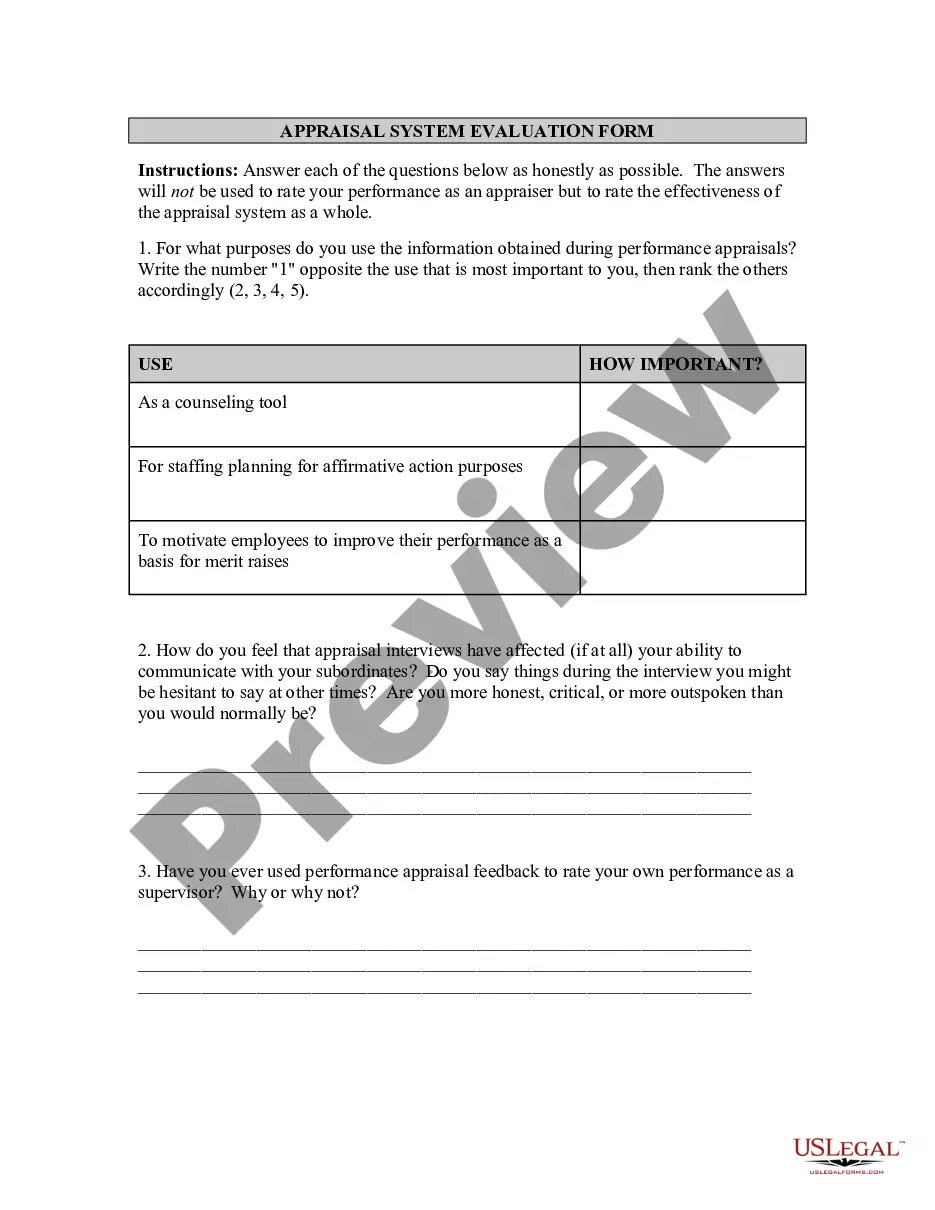
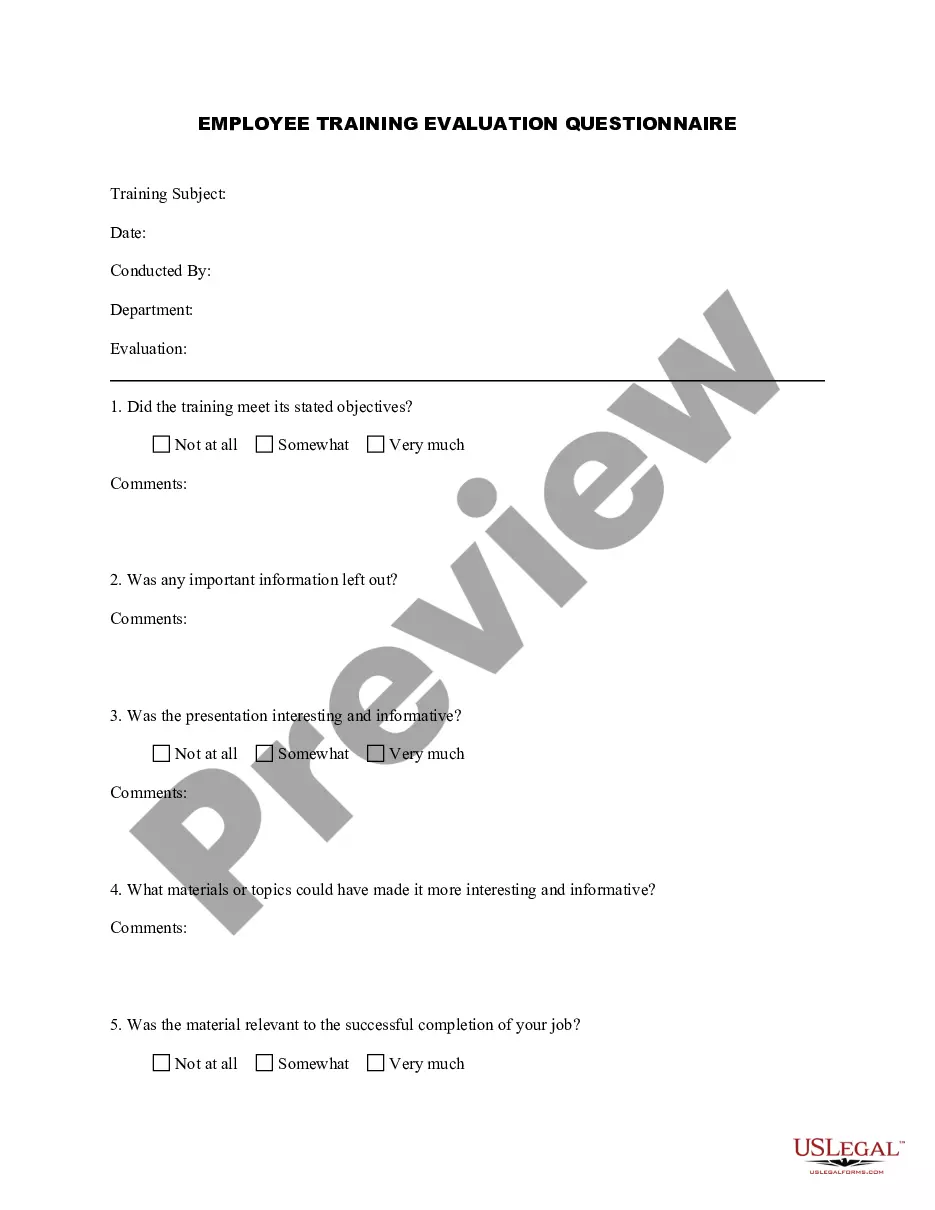
Get your form ready online
Our built-in tools help you complete, sign, share, and store your documents in one place.
Make edits, fill in missing information, and update formatting in US Legal Forms—just like you would in MS Word.
Download a copy, print it, send it by email, or mail it via USPS—whatever works best for your next step.
Sign and collect signatures with our SignNow integration. Send to multiple recipients, set reminders, and more. Go Premium to unlock E-Sign.
If this form requires notarization, complete it online through a secure video call—no need to meet a notary in person or wait for an appointment.
We protect your documents and personal data by following strict security and privacy standards.

Make edits, fill in missing information, and update formatting in US Legal Forms—just like you would in MS Word.

Download a copy, print it, send it by email, or mail it via USPS—whatever works best for your next step.

Sign and collect signatures with our SignNow integration. Send to multiple recipients, set reminders, and more. Go Premium to unlock E-Sign.

If this form requires notarization, complete it online through a secure video call—no need to meet a notary in person or wait for an appointment.

We protect your documents and personal data by following strict security and privacy standards.
Looking for another form?







Form popularity
FAQ
During the feedback process: Make it a two-way conversation and encourage questions. Remember that there are positives and negatives to each piece of feedback. Be objective, genuine, and non-judgmental. Use behavioral examples and refer to job context – and be specific.
The first step to follow up on 360 feedback is to understand what the feedback means and what it implies for your development. Review the feedback carefully and look for patterns, themes, and gaps. Try to identify your strengths, areas for improvement, and blind spots.
So, for your feedback to be constructive without making things awkward, you can follow these steps: Be empathetic. The most important thing when giving feedback is to consider the receiving employee's reaction. Consider your position. Be objective. Include positive feedback. Constructive criticism. Give examples.
Here's a list of things to look out for: Keep away from personal issues and focus on work-related issues only. Be solution-oriented. Don't exaggerate the situation. Avoid implementing the Halo effectOpens in a new tab on your feedback. Watch your words.
One of the key steps to report 360-degree feedback results is to communicate the purpose and benefits of the process to your clients and their employees. You should explain why they received 360-degree feedback, how it aligns with their goals and values, and how it can help them grow and succeed.
7 steps for designing an effective 360 degree feedback review program Set clear goals. Train raters. Focus on natural strengths. Involve managers and leaders. Create buy-in and trust in the 360 feedback program. Know what to ask and how to ask it. Personalize the 360 degree feedback program to your organization.
How do you handle sensitive or negative 360-degree feedback and assessment results? Understand the purpose. Prepare yourself. Listen actively. Be the first to add your personal experience. Respond positively. Act on the feedback. Be the first to add your personal experience. Here's what else to consider.
Be Positive We need to recognize that everyone has strengths and opportunities for improvement and that others tend to see us differently than we see ourselves. That is one of the clear benefits of 360 degree feedback. Being positive and professional throughout the process will allow you to maximize the benefits.
