Non Disclosure Form Meaning In Texas
Description

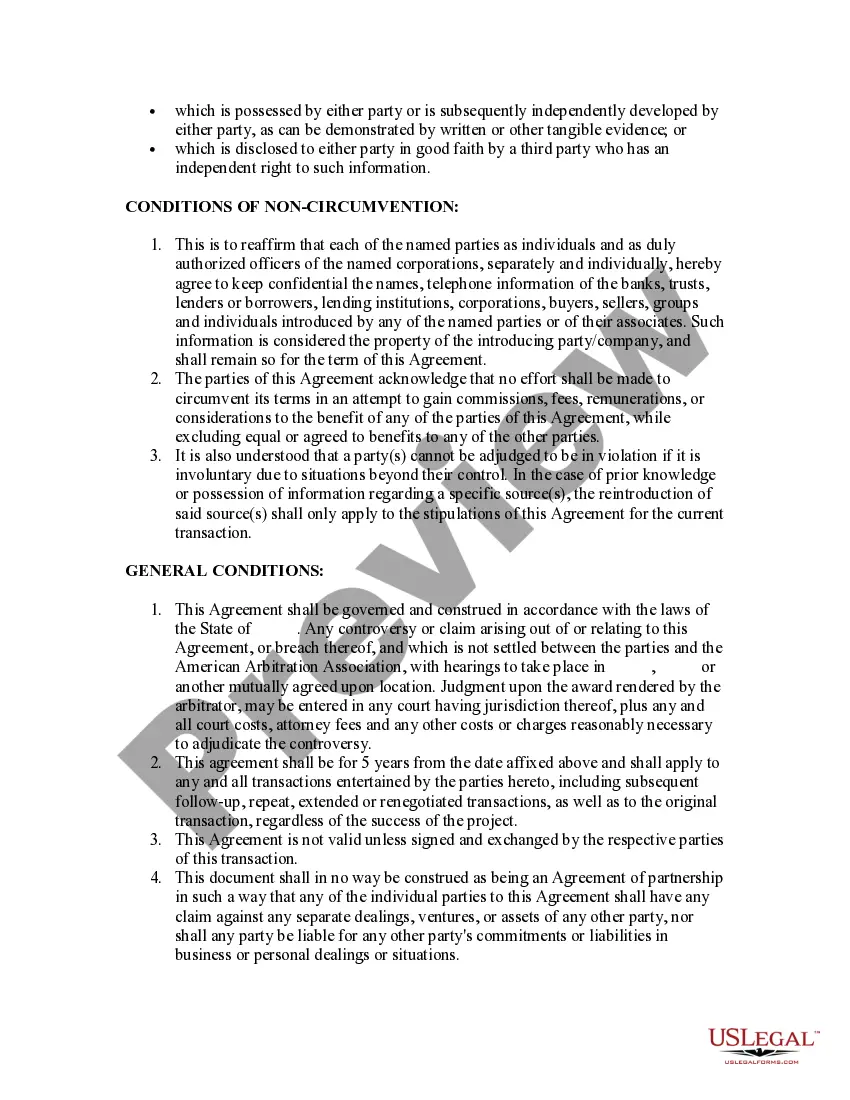
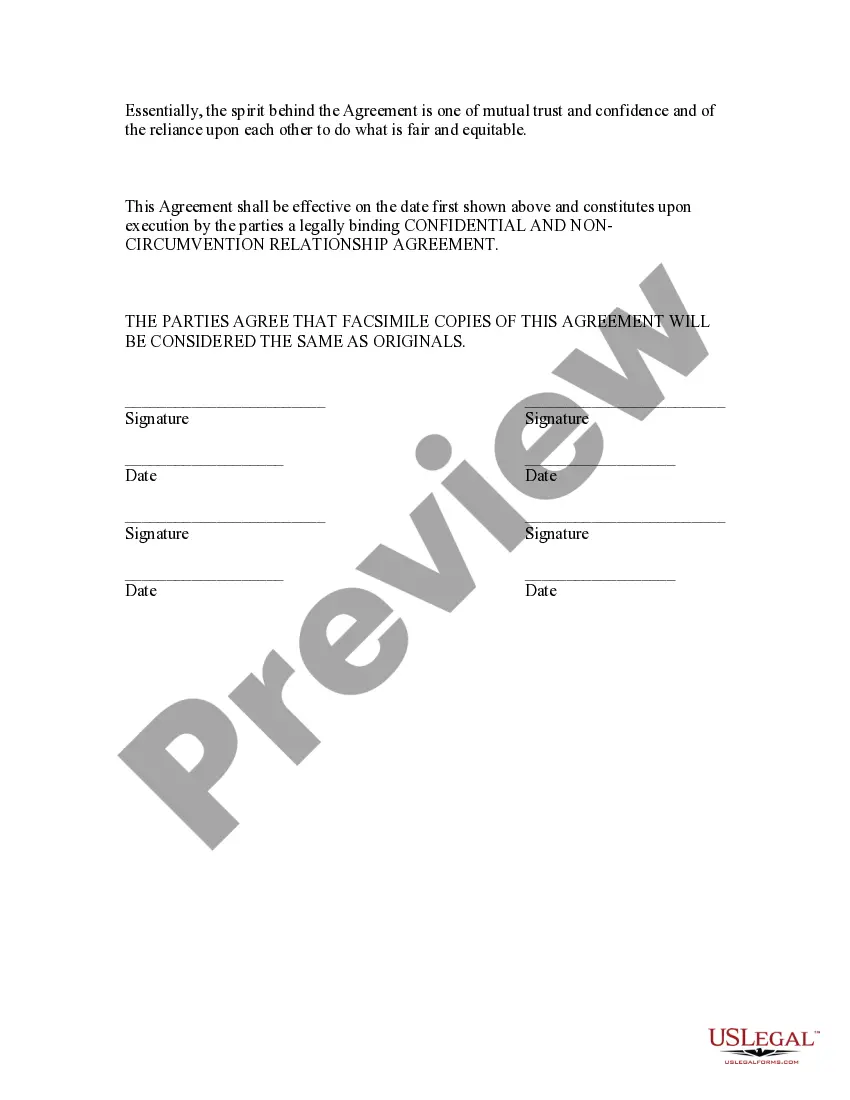
Get your form ready online
Our built-in tools help you complete, sign, share, and store your documents in one place.
Make edits, fill in missing information, and update formatting in US Legal Forms—just like you would in MS Word.
Download a copy, print it, send it by email, or mail it via USPS—whatever works best for your next step.
Sign and collect signatures with our SignNow integration. Send to multiple recipients, set reminders, and more. Go Premium to unlock E-Sign.
If this form requires notarization, complete it online through a secure video call—no need to meet a notary in person or wait for an appointment.
We protect your documents and personal data by following strict security and privacy standards.

Make edits, fill in missing information, and update formatting in US Legal Forms—just like you would in MS Word.

Download a copy, print it, send it by email, or mail it via USPS—whatever works best for your next step.

Sign and collect signatures with our SignNow integration. Send to multiple recipients, set reminders, and more. Go Premium to unlock E-Sign.

If this form requires notarization, complete it online through a secure video call—no need to meet a notary in person or wait for an appointment.

We protect your documents and personal data by following strict security and privacy standards.
Looking for another form?
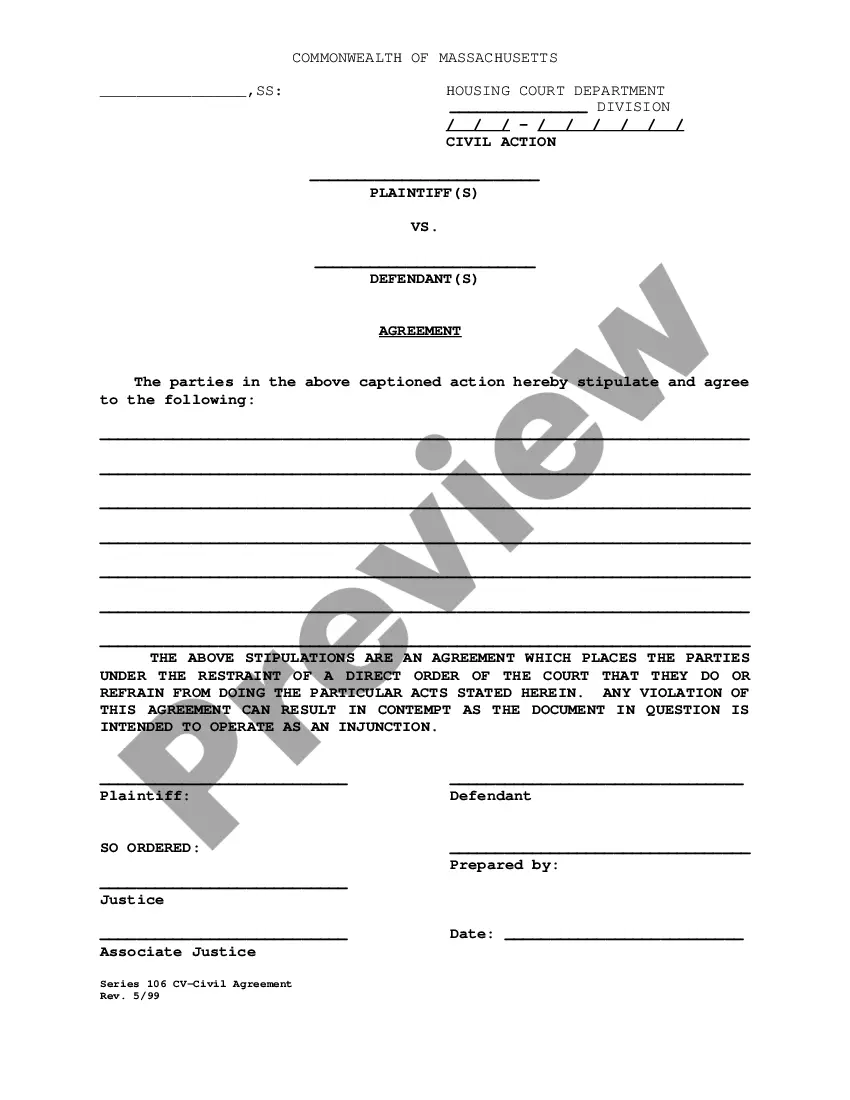
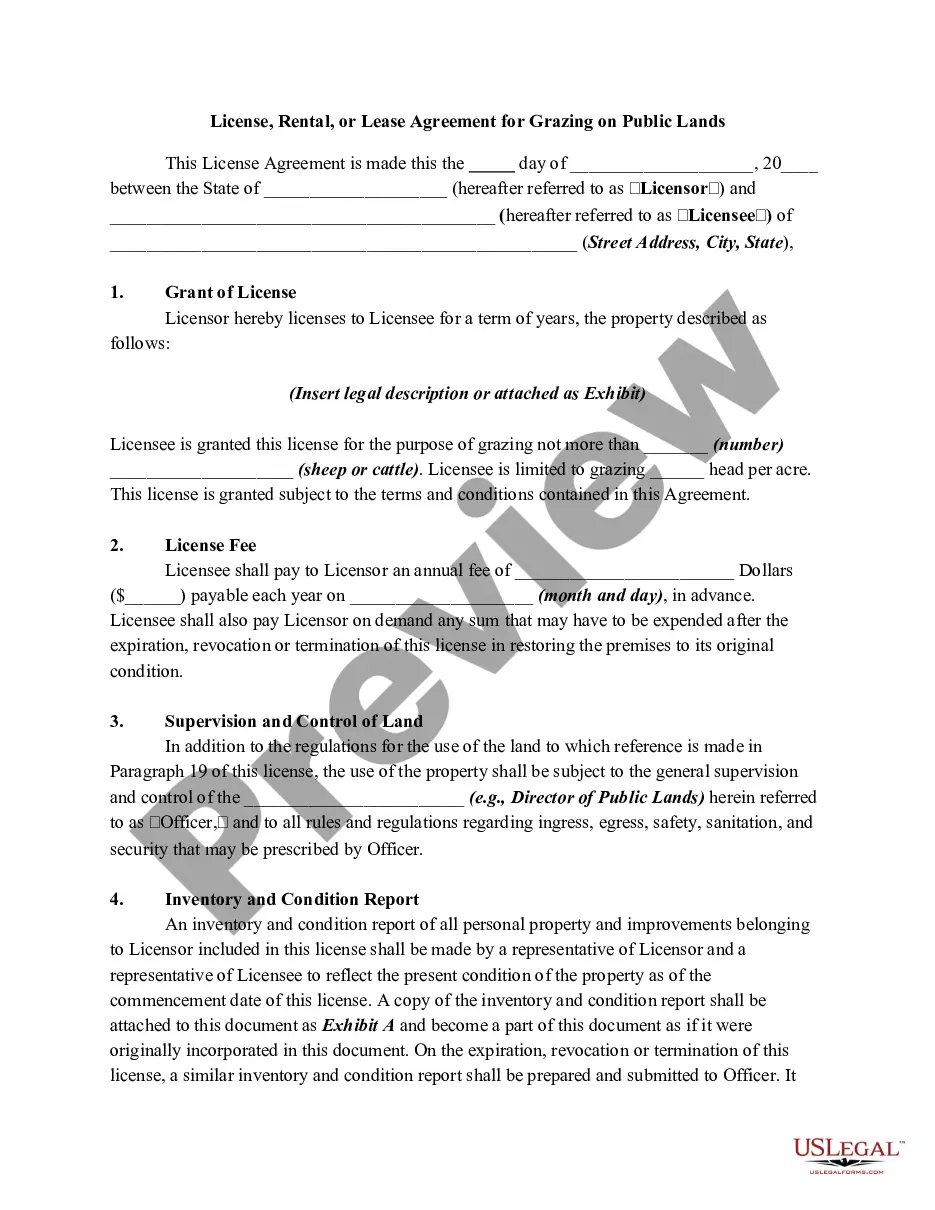






Form popularity
FAQ
For other misdemeanor and felony convictions, this period is 2-5 years after the sentence completion date. After this waiting period, obtaining a nondisclosure order in Texas usually takes between four and nine months.
An order of nondisclosure is a court order prohibiting public entities, including courts, clerks of the court, law enforcement agencies, and prosecutorial offices, from disclosing certain criminal records. If you have a criminal record, you may benefit from obtaining an order of nondisclosure.
How Do I File a Nondisclosure in Texas? Acquire a nondisclosure order form. Complete the documentation and file it with the same court that first heard the case. Wait for the court to arrange the hearing date or share details about how the applicant can organize one.
Typically, a legal professional writing the NDA will complete these steps: Step 1 - Describe the scope. Which information is considered confidential? ... Step 2 - Detail party obligations. Step 3 - Note potential exclusions. Step 4 - Set the term. Step 5 - Spell out consequences.
Under Texas law, a non-disclosure agreement is enforceable even if it is coupled with an unenforceable non compete agreement or invalid non-solicitation provision.
As mentioned above, an order of nondisclosure directs entities holding information about a certain offense on your criminal record to not release that information. This is a general rule. There are exceptions.
NDAs, or non-disclosure agreements, are legally enforceable contracts that create a confidential relationship between a person who has sensitive information and a person who will gain access to that information. A confidential relationship means one or both parties has a duty not to share that information.