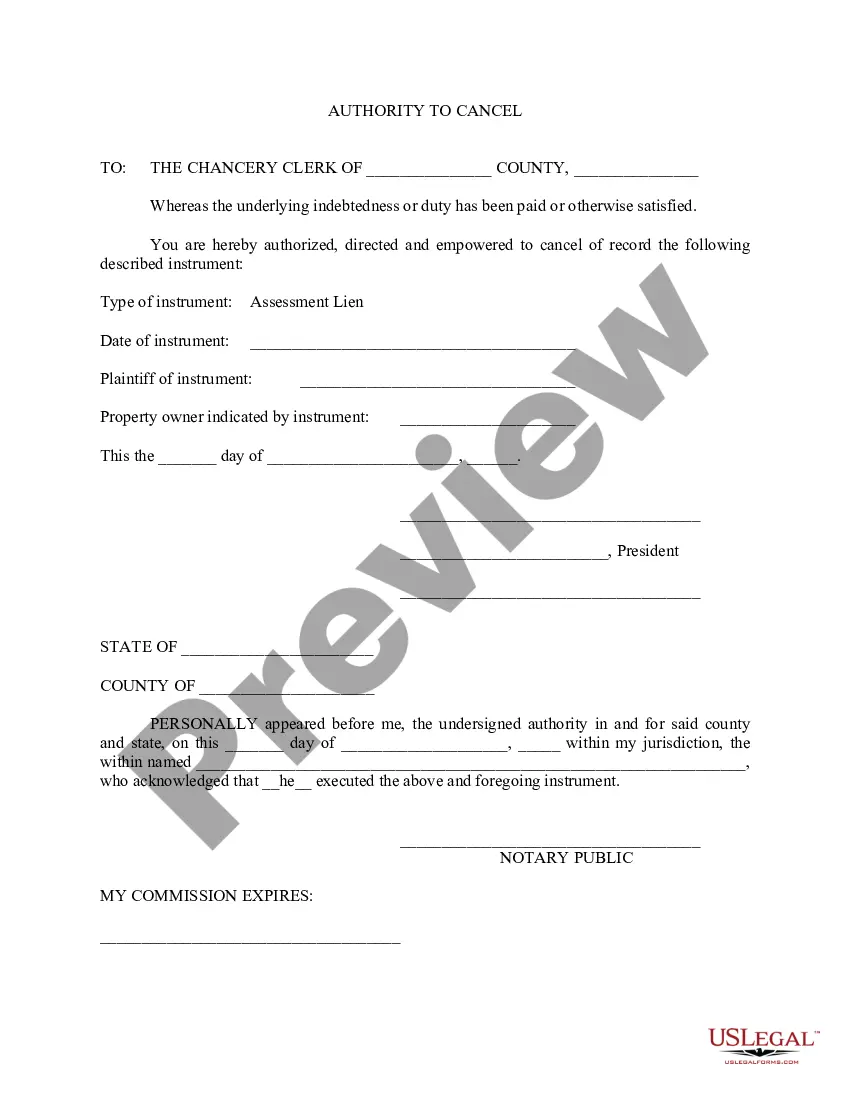
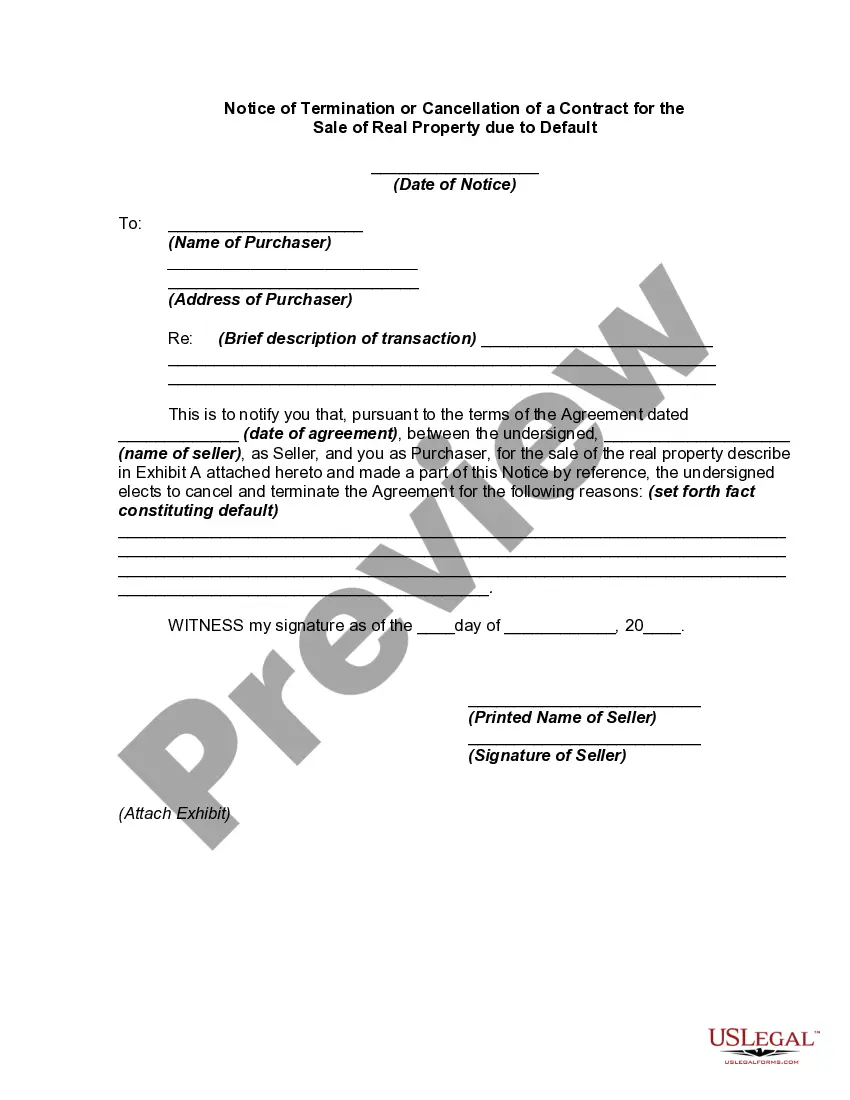
Authority Cancel Withdrawal In Virginia
Description

Get your form ready online
Our built-in tools help you complete, sign, share, and store your documents in one place.
Make edits, fill in missing information, and update formatting in US Legal Forms—just like you would in MS Word.
Download a copy, print it, send it by email, or mail it via USPS—whatever works best for your next step.
Sign and collect signatures with our SignNow integration. Send to multiple recipients, set reminders, and more. Go Premium to unlock E-Sign.
If this form requires notarization, complete it online through a secure video call—no need to meet a notary in person or wait for an appointment.
We protect your documents and personal data by following strict security and privacy standards.

Make edits, fill in missing information, and update formatting in US Legal Forms—just like you would in MS Word.

Download a copy, print it, send it by email, or mail it via USPS—whatever works best for your next step.

Sign and collect signatures with our SignNow integration. Send to multiple recipients, set reminders, and more. Go Premium to unlock E-Sign.

If this form requires notarization, complete it online through a secure video call—no need to meet a notary in person or wait for an appointment.

We protect your documents and personal data by following strict security and privacy standards.
Looking for another form?


Form popularity
FAQ
As noted, prosecutors rely almost exclusively on circumstantial evidence in many cases, and they are often able to prove intent to distribute. Thus, most strategies from a California criminal defense lawyer will focus on casting doubt or uncertainty around the circumstantial evidence presented.
If you are competent and wish to revoke a power of attorney, you will need to send a signed notarized letter revoking the power of attorney to every place your agent used the power of attorney, as well as every place the agent might use the power of attorney.
Under Virginia Code § 18.2-248(C), for a first offense conviction, the penalty is between 5 and 40 years in prison and a fine of up to $500,000. If this is the second offense, there is a minimum sentence of three years in jail with a possibility of five years to life in prison and a fine of up to $500,000.
Withdrawing a Guilty Plea After Sentencing Under Virginia Code §19.2-296, you must establish that withdrawing your plea is necessary to correct a manifest injustice. This is a hard burden of proof to meet. Ways you might be able to show this include: You were not mentally competent to enter your plea.
Withdrawal from the Authority means a Member's election, which may be made only after three (3) consecutive years of membership in the Authority, to terminate its membership, to cease being a party to the Agreement and to cease participating in all Programs offered by the Authority. present tense.
Under Virginia Code §19.2-296, a defendant can file a motion to withdraw a guilty or no-contest plea before sentencing. However, they would need to convince a judge to grant their motion.
Transfer of Authority (TOA) means the formal transfer of a specified degree of authority over designated forces between a Party and the Commander of the SEEBRIG (COMSEEBRIG) or between any two subordinate commanders.
Exercise(s) Authority means and refer to evaluating, providing oversight, supervising, academic advising, mentoring, coaching, counseling, providing extracurricular oversight, and/or otherwise participating in or influencing votes or decisions that may reward or penalize a Student or subordinate Employee.
Gross insubordination constitutes severe and blatant acts of disobedience that demonstrate a complete disregard for authority. It involves extreme and highly inappropriate behaviors that violate professional norms and can have serious consequences for the individual and the organization.
Withdrawal from the Authority means a Member's determination, after three (3) consecutive years of Membership in the Authority, to terminate its Membership, to cease being a party to the Joint Powers Agreement, and to cease participating in all Programs offered by the Authority. Sample 1.