Special Meeting Sample For Hoa In Virginia
Description



Get your form ready online
Our built-in tools help you complete, sign, share, and store your documents in one place.
Make edits, fill in missing information, and update formatting in US Legal Forms—just like you would in MS Word.
Download a copy, print it, send it by email, or mail it via USPS—whatever works best for your next step.
Sign and collect signatures with our SignNow integration. Send to multiple recipients, set reminders, and more. Go Premium to unlock E-Sign.
If this form requires notarization, complete it online through a secure video call—no need to meet a notary in person or wait for an appointment.
We protect your documents and personal data by following strict security and privacy standards.

Make edits, fill in missing information, and update formatting in US Legal Forms—just like you would in MS Word.

Download a copy, print it, send it by email, or mail it via USPS—whatever works best for your next step.

Sign and collect signatures with our SignNow integration. Send to multiple recipients, set reminders, and more. Go Premium to unlock E-Sign.

If this form requires notarization, complete it online through a secure video call—no need to meet a notary in person or wait for an appointment.

We protect your documents and personal data by following strict security and privacy standards.
Looking for another form?






Form popularity
FAQ
The chair owns the agenda Who prepares the first draft? Usually the company secretary, the CEO or the board secretary. This then needs to be approved or amended by the chair. The agenda and the board papers need to be sent to all directors at least 5 days plus a weekend, prior to the board meeting.
A Special Meeting may also be referred to as a 'General Meeting' or 'Meeting of Members'. Despite the different names associated with these, the sole key distinction between an Annual Meeting (or Semi-Annual Meeting) and a Special Meeting is that Special Meetings are not regularly scheduled.
Board meeting minutes should avoid including personal opinions, irrelevant discussions, or detailed accounts of conversations. Instead, the minutes taker should focus on documenting decisions, action items, and any motions or votes.
The board president has the authority and responsibility to set the agenda. Regardless of the outcome, it's best to let your homeowners know that you appreciate their suggestion and carefully consider it. Here's what to do with homeowner input: Add their suggestions to the current meeting's agenda.
When you are leading a meeting, it is your responsibility to plan the agenda. If you have been asked to facilitate someone else's meeting, meet with conveners ahead of time to plan it. If you are a group member, judge whether it is appropriate to offer help creating an agenda beforehand.
The group secretary is responsible for taking and circulating minutes, preparing agendas for meetings, organising paperwork and correspondence, distributing information to members, and keeping members up-to-date about dates for other meetings and events.
An agenda is an outline of the issues that a group will discuss during its meeting. The officers of the organization prepare the agenda with assistance from the organization advisor. An agenda starts with a list of general business items.
A board meeting agenda is a document that outlines every aspect of a meeting. It includes an outline of all the events, policies and action items that will be highlighted during a board meeting. It also includes the place and time of the board meeting.
An HOA meeting agenda serves as a roadmap for Board discussion and decision-making, outlining topics to be covered and allocating time for each item. A typical HOA meeting agenda may include discussions regarding the financial health of the association, maintenance, capital improvement projects, and community policies.
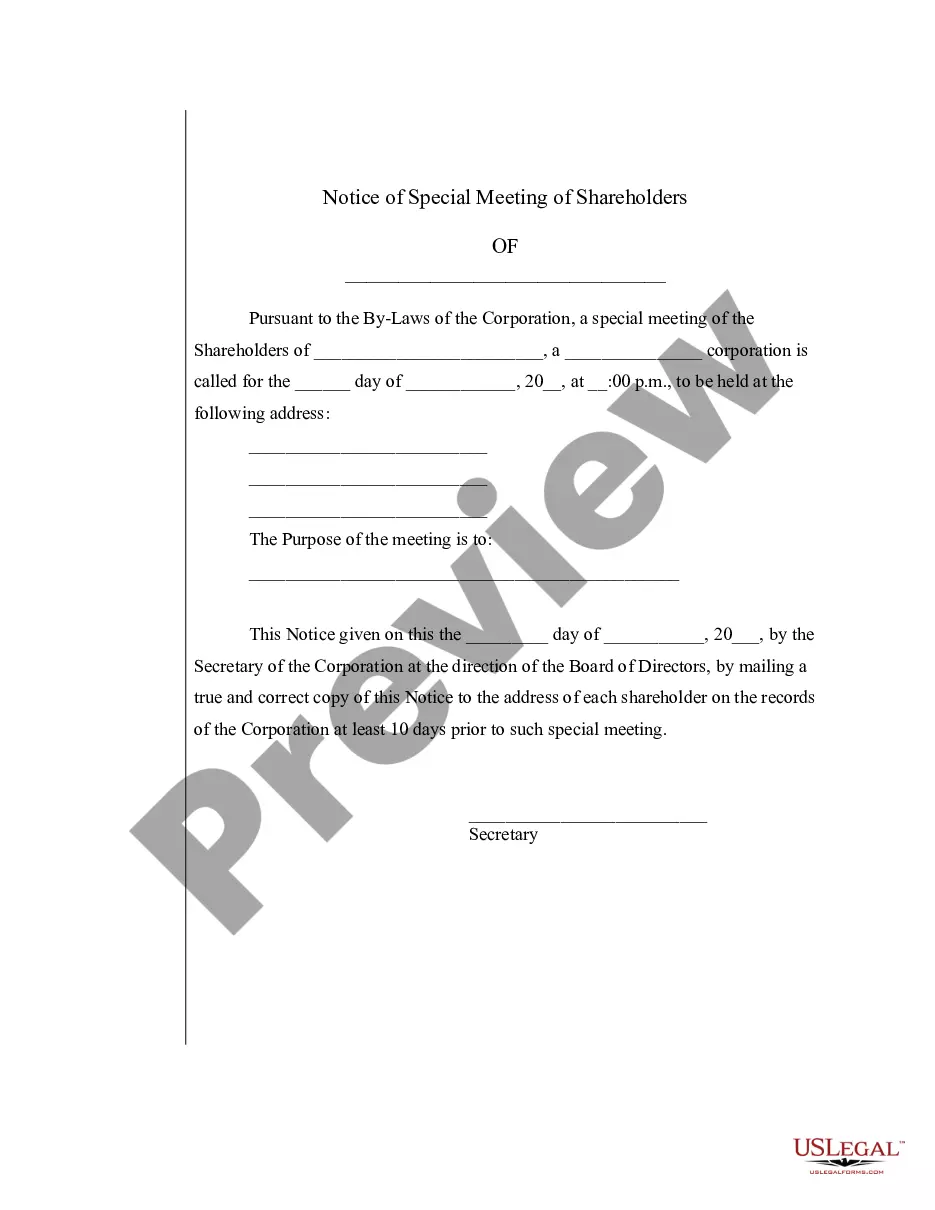
A proper meeting notice should include: Date, Time, and Venue: Clear details on when and where the meeting will take place. Purpose of the Meeting: A brief description of the meeting's objectives. Agenda: An outline of topics to be discussed; this helps attendees prepare for the meeting.

