Special Meeting Sample With Action Items In Massachusetts
Description



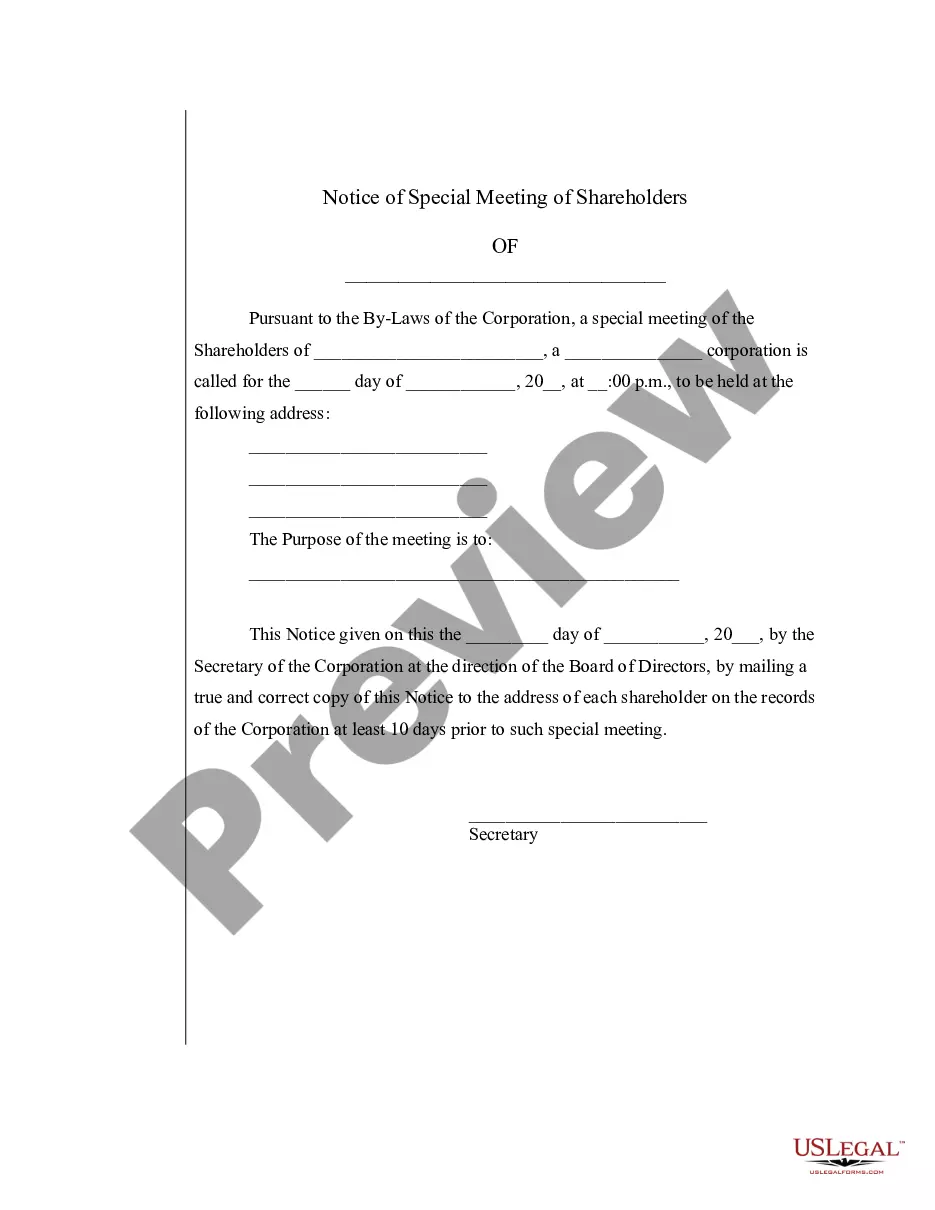
Get your form ready online
Our built-in tools help you complete, sign, share, and store your documents in one place.
Make edits, fill in missing information, and update formatting in US Legal Forms—just like you would in MS Word.
Download a copy, print it, send it by email, or mail it via USPS—whatever works best for your next step.
Sign and collect signatures with our SignNow integration. Send to multiple recipients, set reminders, and more. Go Premium to unlock E-Sign.
If this form requires notarization, complete it online through a secure video call—no need to meet a notary in person or wait for an appointment.
We protect your documents and personal data by following strict security and privacy standards.

Make edits, fill in missing information, and update formatting in US Legal Forms—just like you would in MS Word.

Download a copy, print it, send it by email, or mail it via USPS—whatever works best for your next step.

Sign and collect signatures with our SignNow integration. Send to multiple recipients, set reminders, and more. Go Premium to unlock E-Sign.

If this form requires notarization, complete it online through a secure video call—no need to meet a notary in person or wait for an appointment.

We protect your documents and personal data by following strict security and privacy standards.
Looking for another form?





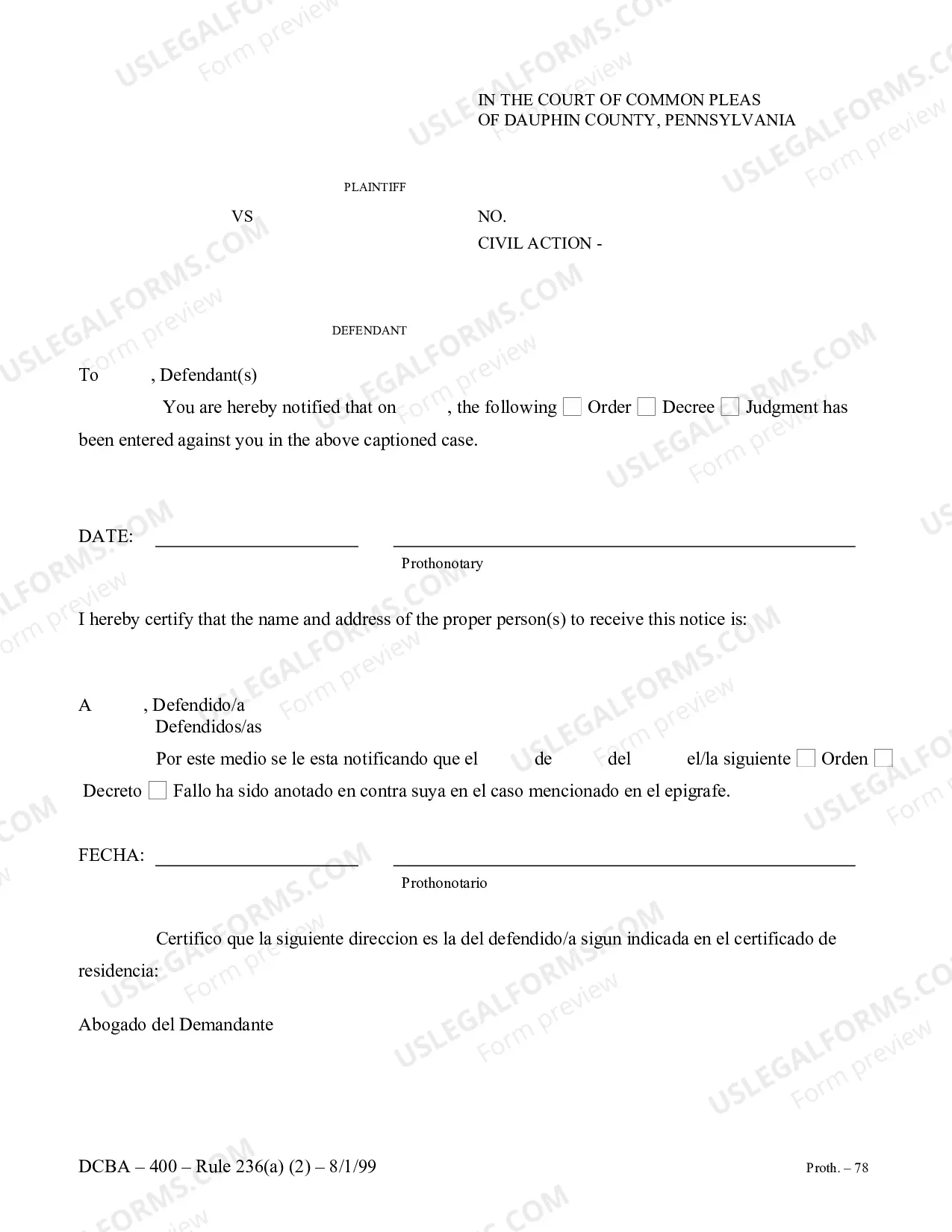




Form popularity
FAQ
The Open Meeting Law defines a quorum as a simple majority of the members of a public body, unless otherwise provided in a general or special law, executive order, or other authorizing provision. G.L. c. 30A, § 18.
California Is a Two-Party Consent State California Penal Code Section 631 and Section 632 make it a misdemeanor to secretly record a conversation without consent from everyone involved. This crime is punishable by a fine of up to $2,500 and/or one year in state prison.
Massachusetts's wiretapping law often referred to is a "two-party consent" law. More accurately, Massachusetts makes it a crime to secretly record a conversation, whether the conversation is in-person or taking place by telephone or another medium.
A public meeting refers to a meeting that is open to the public. A public hearing is open to the public but is regarding a specific proposal/project.
No person shall disrupt the proceedings of a meeting of a public body.
Massachusetts open meetings law expressly permits sound and video recording of public meetings (i.e., meetings of a governmental body required to be open to the public by law), except for executive sessions, by anyone in attendance.
The complaint must be filed using the Open Meeting Law complaint form available on the Attorney General's website. Public bodies, or in the case of local public bodies the municipal clerk, should provide members of the public with a copy of the complaint form upon request.
Before we get to the exceptions, it's important to know that California follows a “two-party consent” law, also known as an all-party consent law. This means that the consent of all individuals participating in a conversation is required before it can be legally recorded.
Action items: List any tasks that have been assigned or agreed upon, along with the details of the assignees and deadlines. Next steps: Don't forget to record any remaining tasks to be accomplished, follow-up meetings, or plans for implementation.
An agenda is a simple list of topics to be discussed (in order of listing), along with the names of individuals who have agreed to lead discussion of those topics.

