Reis Beilagen In Collin
Description



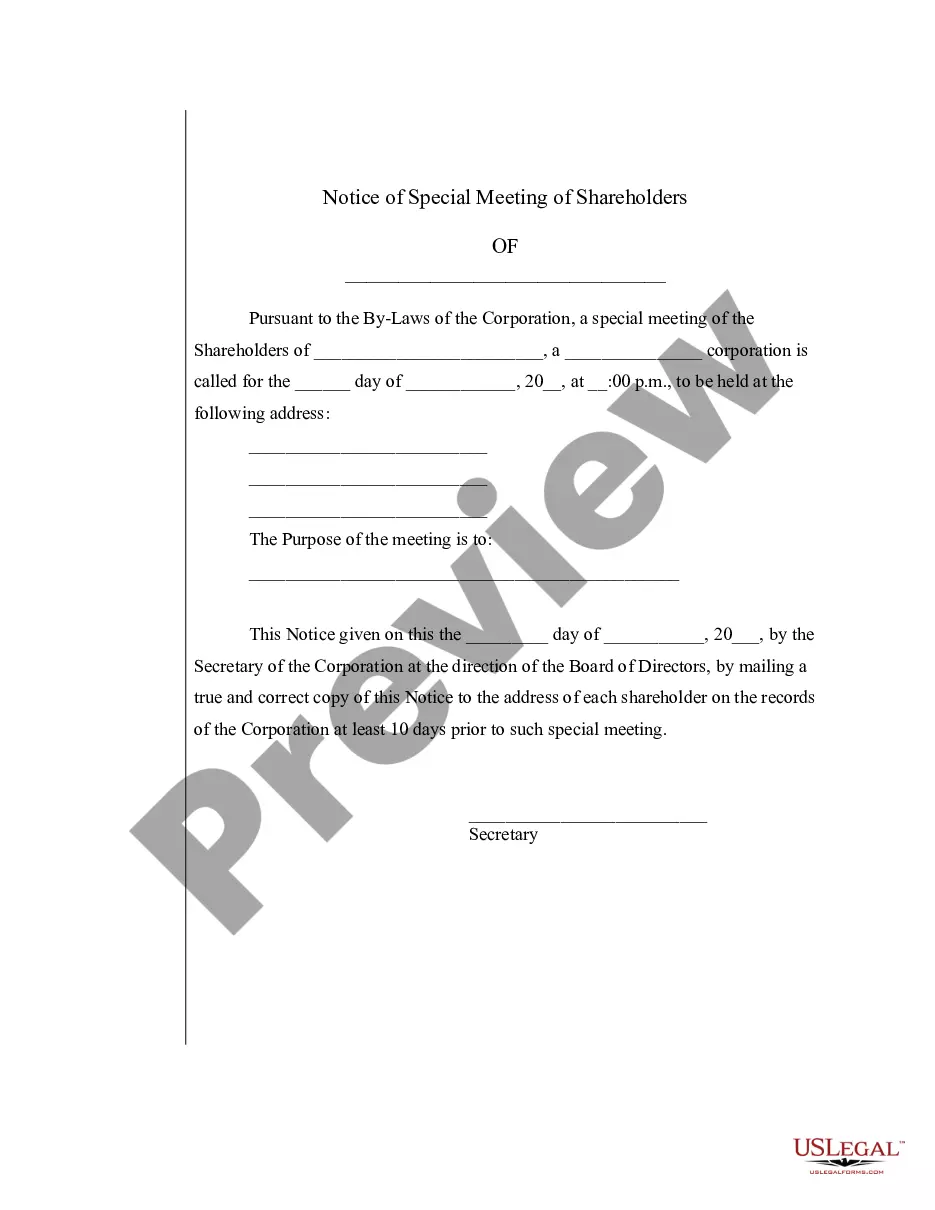
Get your form ready online
Our built-in tools help you complete, sign, share, and store your documents in one place.
Make edits, fill in missing information, and update formatting in US Legal Forms—just like you would in MS Word.
Download a copy, print it, send it by email, or mail it via USPS—whatever works best for your next step.
Sign and collect signatures with our SignNow integration. Send to multiple recipients, set reminders, and more. Go Premium to unlock E-Sign.
If this form requires notarization, complete it online through a secure video call—no need to meet a notary in person or wait for an appointment.
We protect your documents and personal data by following strict security and privacy standards.

Make edits, fill in missing information, and update formatting in US Legal Forms—just like you would in MS Word.

Download a copy, print it, send it by email, or mail it via USPS—whatever works best for your next step.

Sign and collect signatures with our SignNow integration. Send to multiple recipients, set reminders, and more. Go Premium to unlock E-Sign.

If this form requires notarization, complete it online through a secure video call—no need to meet a notary in person or wait for an appointment.

We protect your documents and personal data by following strict security and privacy standards.
Looking for another form?








Form popularity
FAQ
Feminine noun. 1. (= Gedrucktes) insert; (= Beiheft) supplement. 2.
Their name takes the originally African American slang 'def' – which came to be closely associated with hip hop in the late 80s – meaning outstanding, and combines this with 'tones'. This was a common suffix added to band names in the 1950s among those playing surf or doo wop.
Beilage noun. garnish, supplement, insert, side dish, enclosure.
The earliest known use of the adjective unflagging is in the early 1700s. OED's earliest evidence for unflagging is from 1715, in the writing of Robert South, Church of England clergyman and theologian. unflagging is formed within English, by derivation. Etymons: un- prefix1, flagging adj.
Etymology. From Medieval Latin incarcerātus, past participle of incarcerō (“to imprison”), from Latin in- (“in”) + carcer (“a prison”), meaning "put behind lines (bars)" – Latin root is of a lattice or grid. Related to cancel (“cross out with lines”) and chancel (“area behind a lattice”).

