Letter For Money Request In Tarrant
Description
Get your form ready online
Our built-in tools help you complete, sign, share, and store your documents in one place.
Make edits, fill in missing information, and update formatting in US Legal Forms—just like you would in MS Word.
Download a copy, print it, send it by email, or mail it via USPS—whatever works best for your next step.
Sign and collect signatures with our SignNow integration. Send to multiple recipients, set reminders, and more. Go Premium to unlock E-Sign.
If this form requires notarization, complete it online through a secure video call—no need to meet a notary in person or wait for an appointment.
We protect your documents and personal data by following strict security and privacy standards.

Make edits, fill in missing information, and update formatting in US Legal Forms—just like you would in MS Word.

Download a copy, print it, send it by email, or mail it via USPS—whatever works best for your next step.

Sign and collect signatures with our SignNow integration. Send to multiple recipients, set reminders, and more. Go Premium to unlock E-Sign.

If this form requires notarization, complete it online through a secure video call—no need to meet a notary in person or wait for an appointment.

We protect your documents and personal data by following strict security and privacy standards.
Looking for another form?




Form popularity
FAQ
You do not need a lawyer to send a demand letter in most everyday disputes. Common examples are small claims, contract issues, and getting payment for services. If your claim is simple and the amount is small, writing it yourself may be the best approach.
The Nuts and Bolts of a Demand Letter Gather complete information before you start writing. Describe your injuries and medical treatment. List your medical expenses, lost wages, and non-economic damages. Make a settlement demand. Include a deadline for legal action if you want to, but don't bluff.
Tip for Drafting an Effective Settlement Letter Be concise. Your letter might be 20-30 pages long if your claim is complex. Be organized. Reread your letter to make sure you haven't said anything that the opposing party can twist around to use against you. Be polite and professional.
After sending a demand letter, a settlement can take anywhere from a few weeks to several months. The timeline depends on various factors, such as the insurance company's response, the complexity of your case, and whether negotiations lead to a fair agreement.
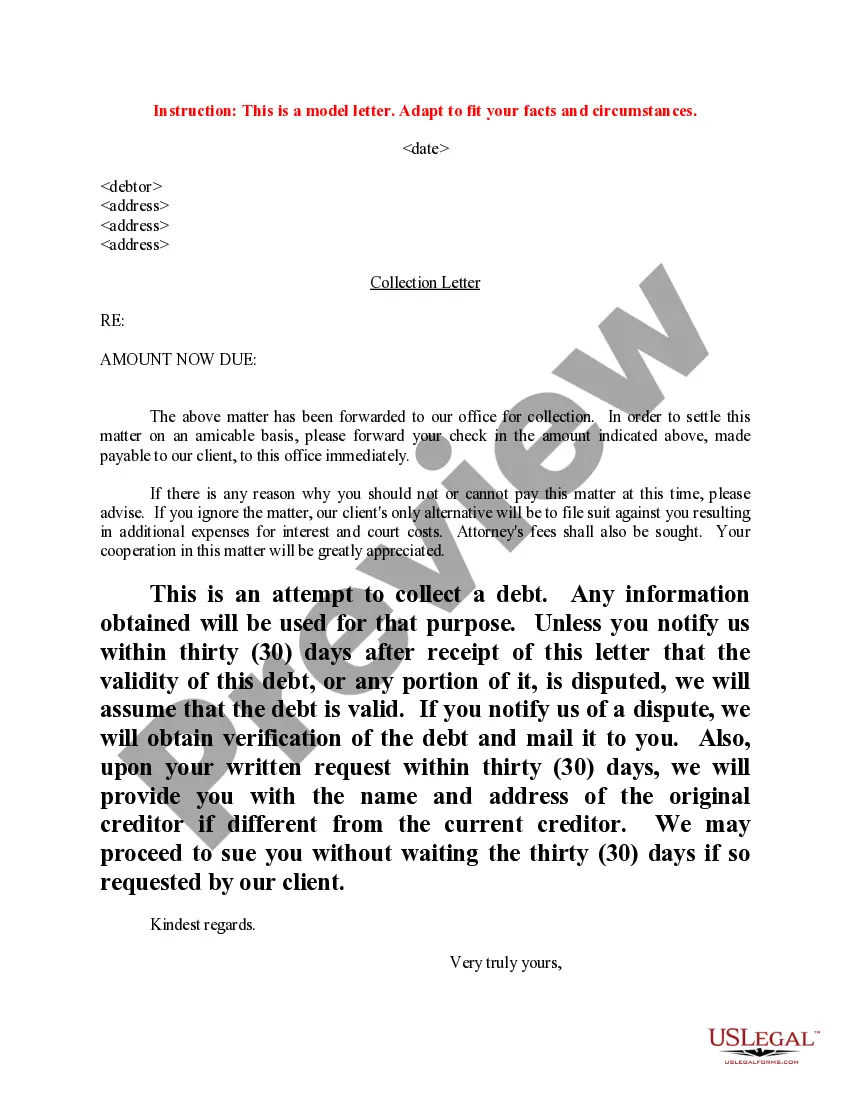
You must write the demand letter with as little emotion as possible. Try to be neutral, clear and calm in tone. Stick to the facts about what you agreed to, what's owed, the timeline for the other person or entity to respond, and what they must do to fulfill their obligations. Avoid emotions and opinions.
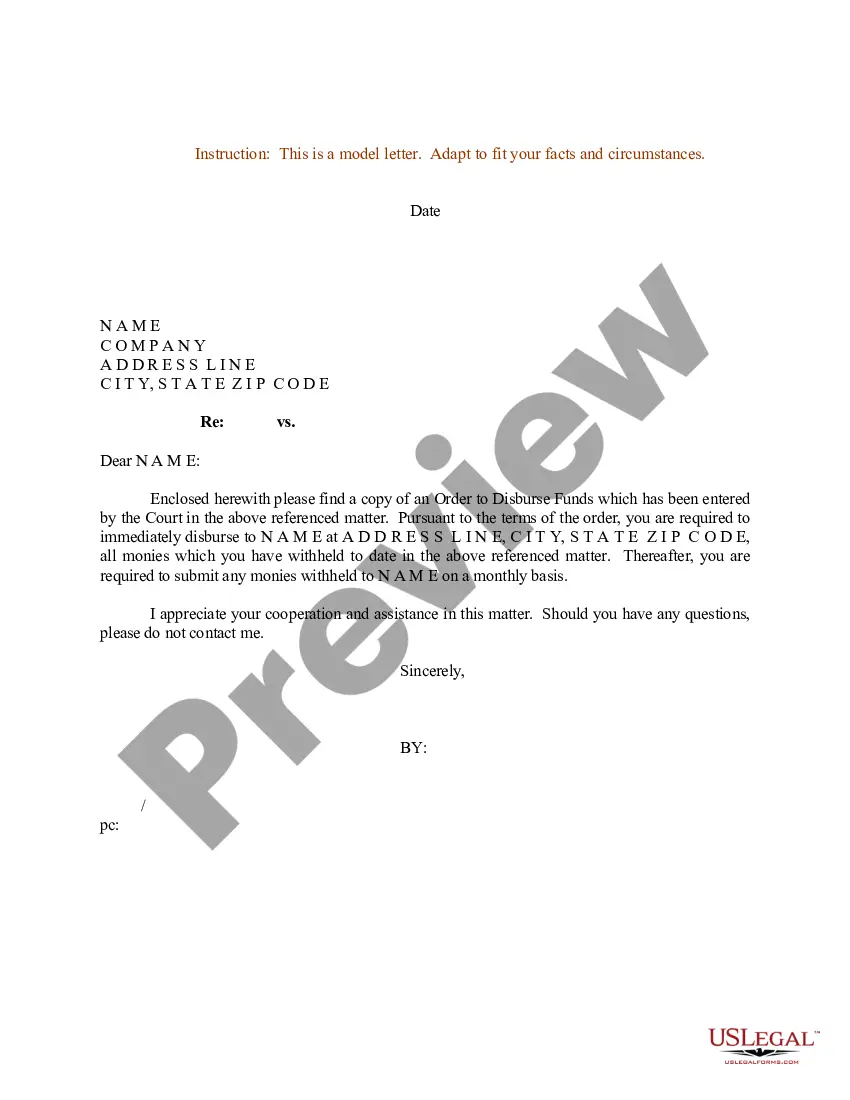
It has come to our attention that your account is overdue for payment. We are not aware of any disputes or reason for non-payment, therefore we would respectfully remind you that you have exceeded the trading terms for these outstanding amounts and we would be grateful to receive your remittance as soon as possible.
I'm reaching out to you to remind you that your payment of payment total for invoice invoice number with us is number of days overdue. ing to our records, you should've received the invoice I'm referring to in the mail on July 5, 2022. This is a courtesy reminder and we understand that you're busy.
We have yet to receive the payment due from invoice #X, which was due on date. This invoice is now two weeks overdue, and the delay of this payment is putting us in financial strain. As a matter of urgency, please let us know when we can expect payment from you.
Don't forget legal requirements. Maintain a polite, neutral tone. Outline the facts clearly. Explain the costs or "damages" you've incurred. Make your total demand explicit. Ask for more than you want to allow for negotiation. Specify a response deadline. Explain what you will do if the demand isn't met.
Here's a short list of what you'll want to include: Facts of the case. An outline of what happened. Statement of the issue. A brief description of the problem. Demand. The dollar amount or action necessary to resolve the case. Response deadline. The date by which the recipient must respond. Noncompliance consequences.

