Letter For Money In San Jose
Description
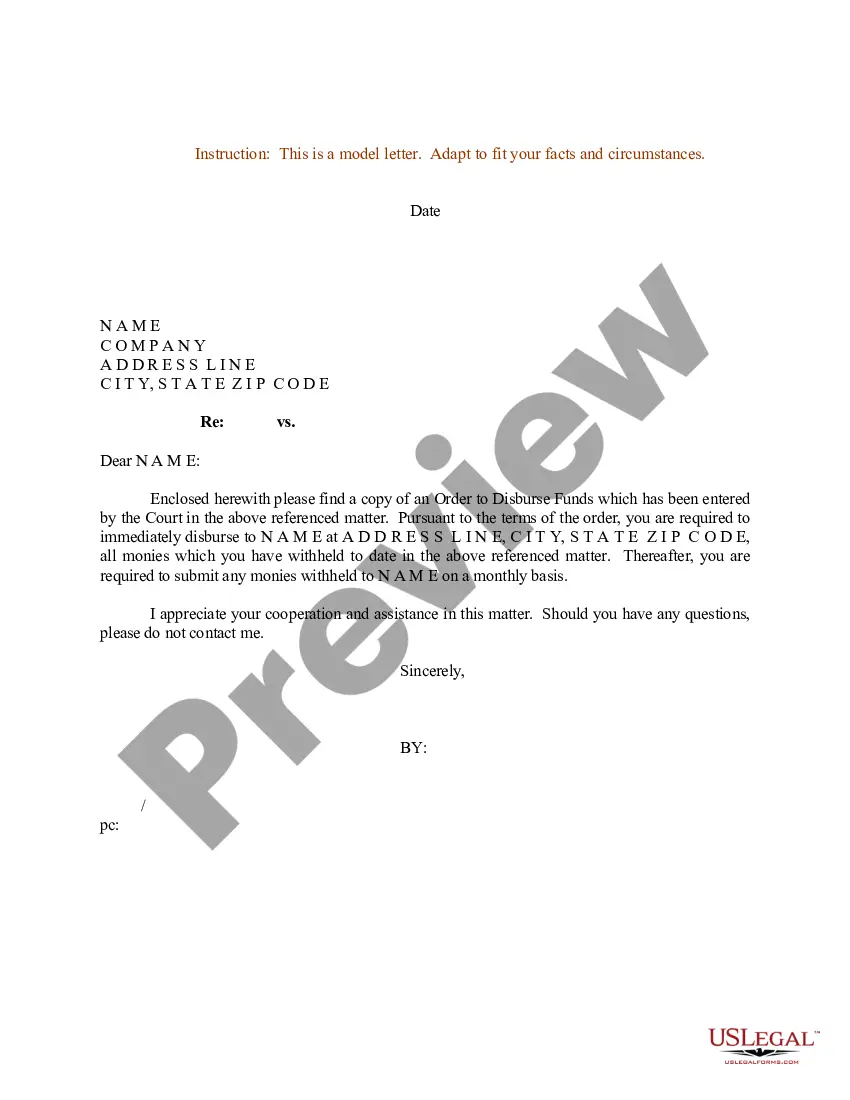
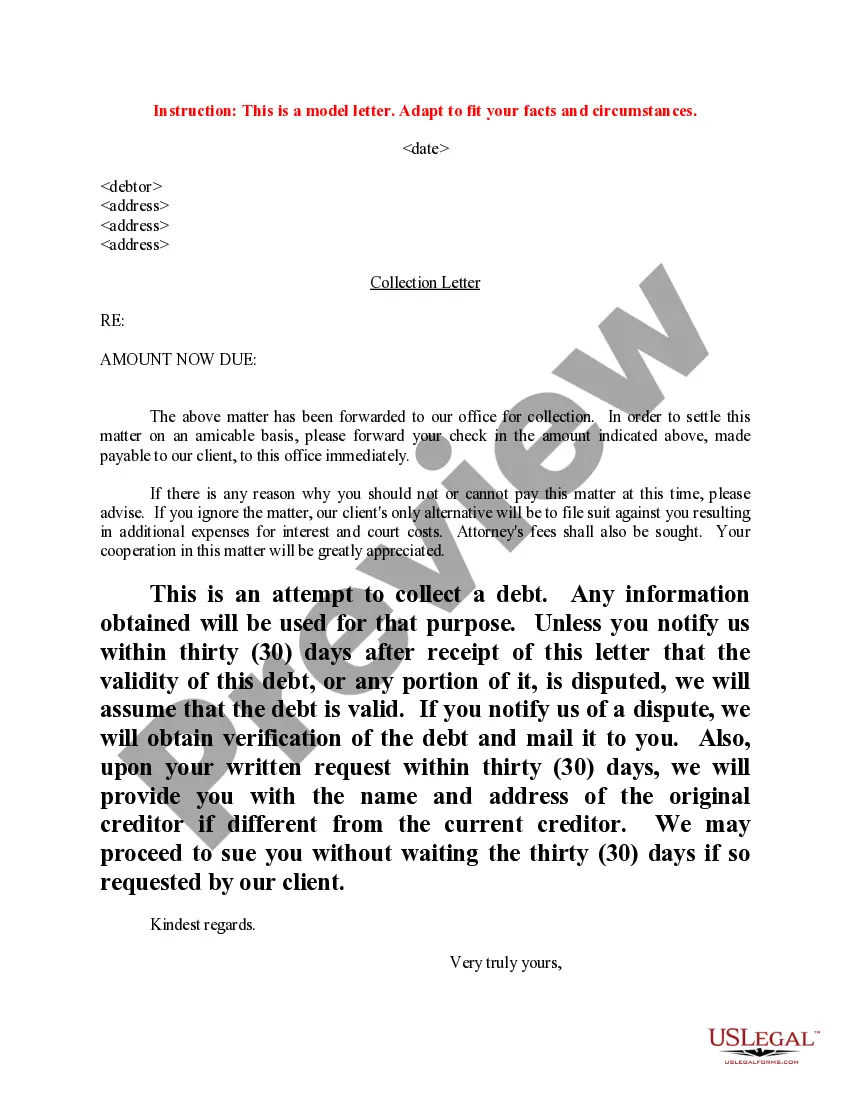
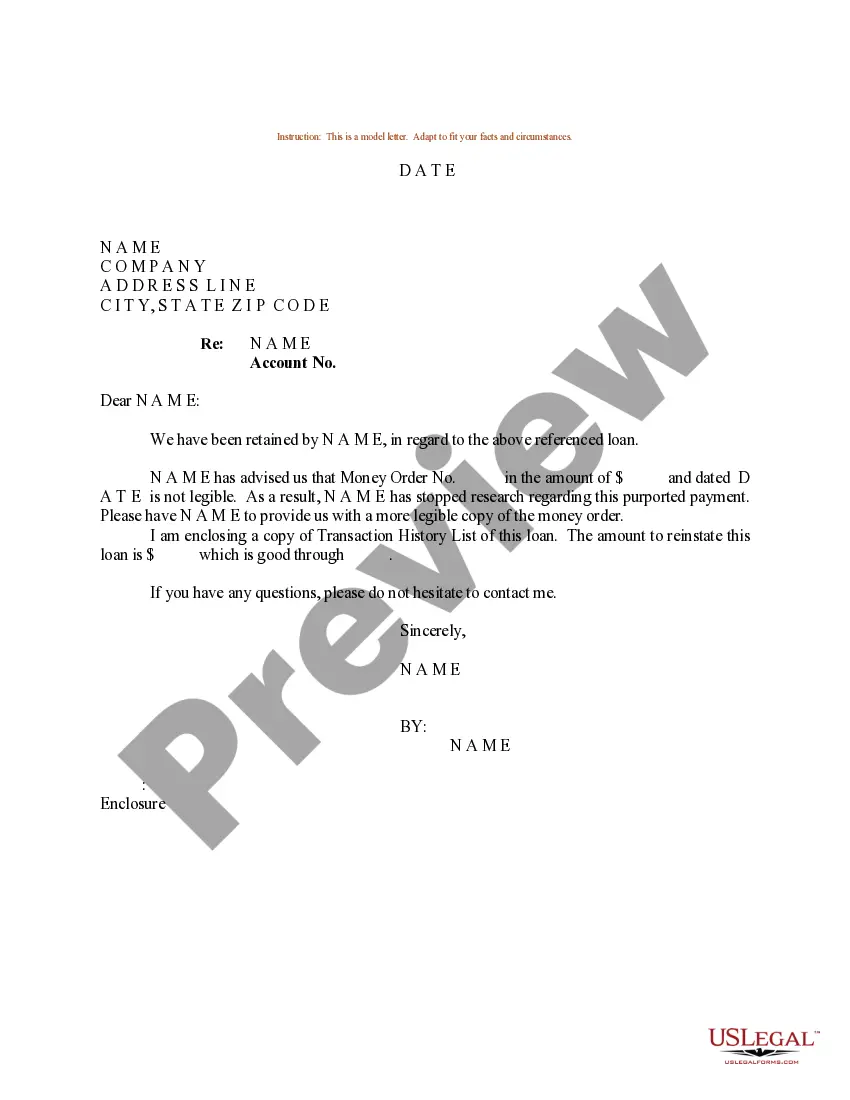
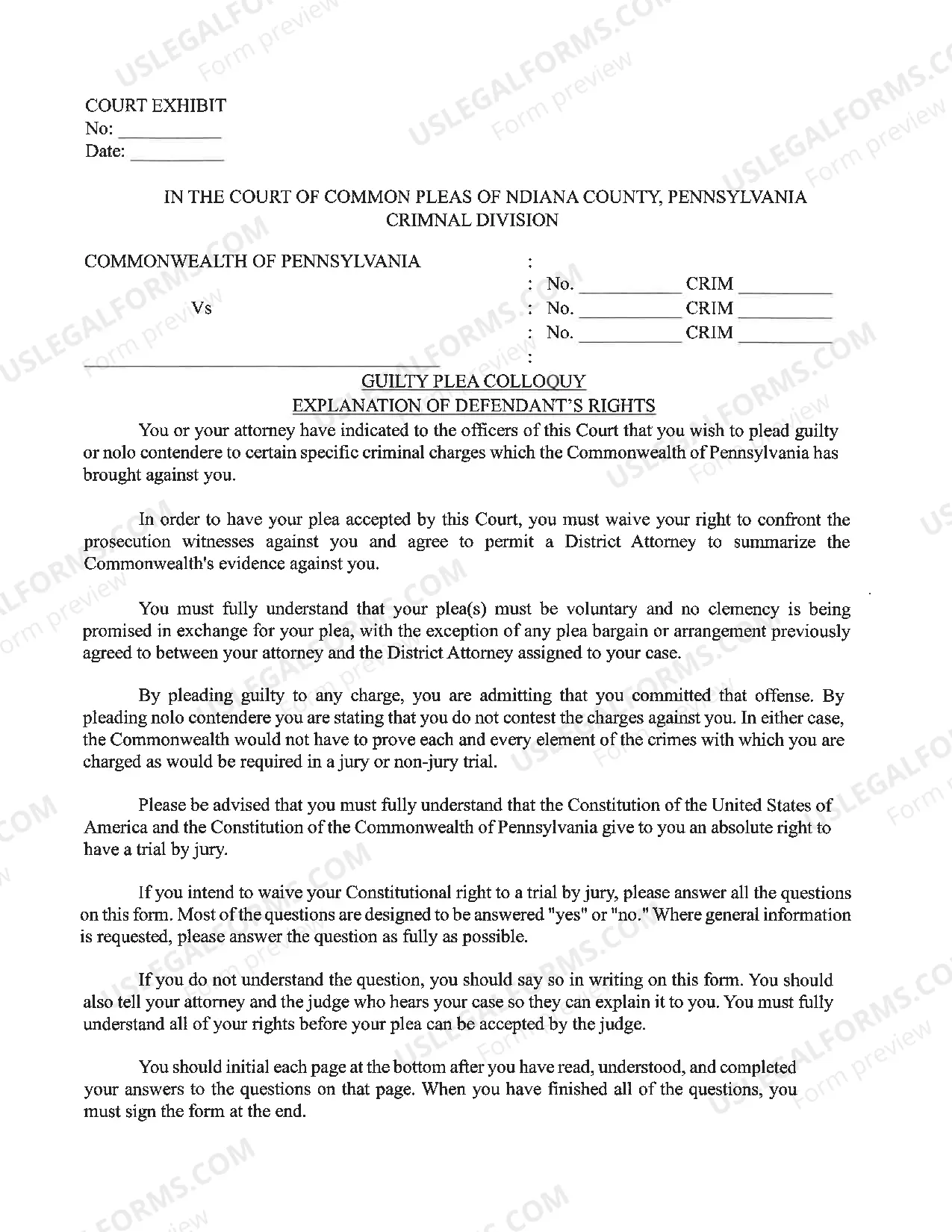
Get your form ready online
Our built-in tools help you complete, sign, share, and store your documents in one place.
Make edits, fill in missing information, and update formatting in US Legal Forms—just like you would in MS Word.
Download a copy, print it, send it by email, or mail it via USPS—whatever works best for your next step.
Sign and collect signatures with our SignNow integration. Send to multiple recipients, set reminders, and more. Go Premium to unlock E-Sign.
If this form requires notarization, complete it online through a secure video call—no need to meet a notary in person or wait for an appointment.
We protect your documents and personal data by following strict security and privacy standards.

Make edits, fill in missing information, and update formatting in US Legal Forms—just like you would in MS Word.

Download a copy, print it, send it by email, or mail it via USPS—whatever works best for your next step.

Sign and collect signatures with our SignNow integration. Send to multiple recipients, set reminders, and more. Go Premium to unlock E-Sign.

If this form requires notarization, complete it online through a secure video call—no need to meet a notary in person or wait for an appointment.

We protect your documents and personal data by following strict security and privacy standards.
Looking for another form?




Form popularity
FAQ
You do not need a lawyer to send a demand letter in most everyday disputes. Common examples are small claims, contract issues, and getting payment for services. If your claim is simple and the amount is small, writing it yourself may be the best approach.
Demand letters usually state the harm the client has suffered, the relief they request and may threaten the sender's intent to accelerate the dispute via a lawsuit if the recipient does not respond ingly.
The best way to send the demand letter is by regular US mail. It is not necessary to mail it certified mail. The Plaintiff's Claim does make you state that you made a demand but it does not require you to allege nor that you prove that the defendant actually received it.
A demand letter typically includes specific details about the debt, such as the invoice number, the amount owed, and the due date. It also provides a deadline for payment, which is usually a short period, such as 10 or 14 days.
Key Components to Include in a Debt Collection Letter Clear identification. Begin by clearly identifying the debtor, including their name, address, and relevant account information. Specific debt information. Payment options and due dates. Contact information. Call to Action. Legal considerations.
Here's a short list of what you'll want to include: Facts of the case. An outline of what happened. Statement of the issue. A brief description of the problem. Demand. The dollar amount or action necessary to resolve the case. Response deadline. The date by which the recipient must respond. Noncompliance consequences.
I'm writing to ask you to support me and my cause/project/etc.. Just a small donation of amount can help me accomplish task/reach a goal/etc.. Your donation will go toward describe exactly what the contribution will be used for. When possible, add a personal connection to tie the donor to the cause.
