Letter With Cash In Salt Lake
Description
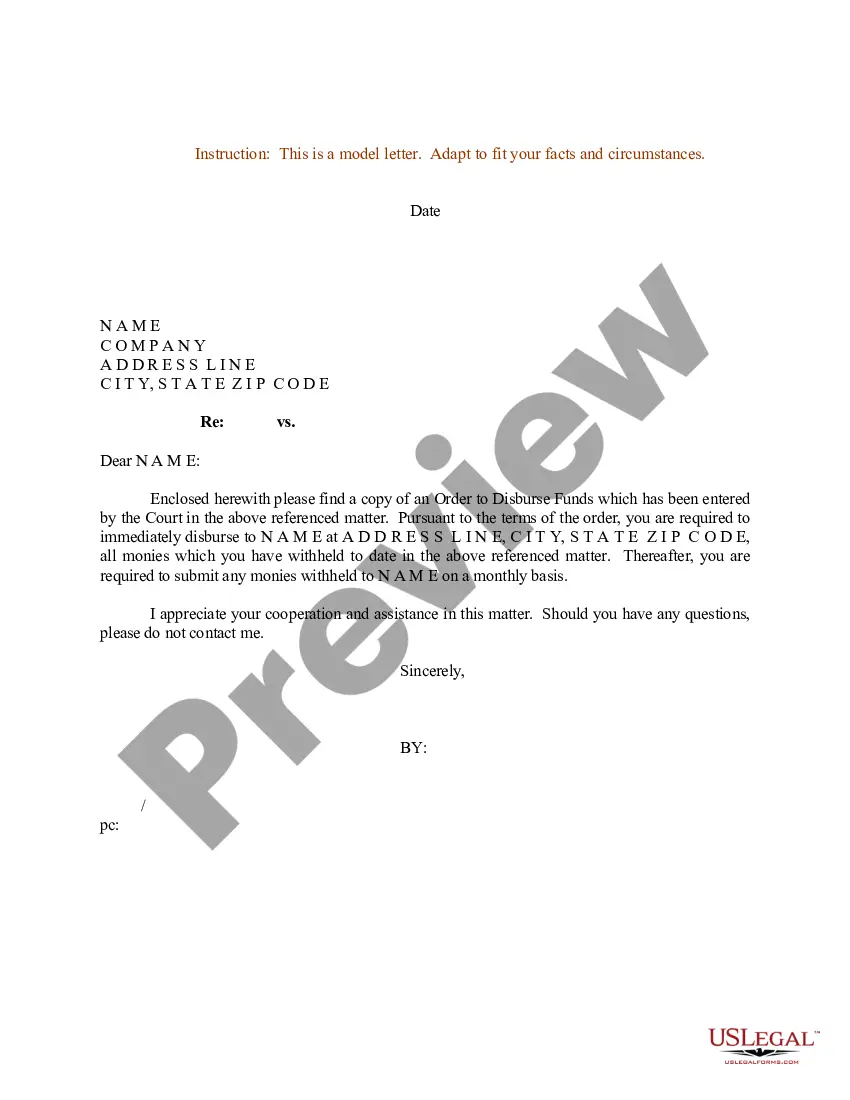
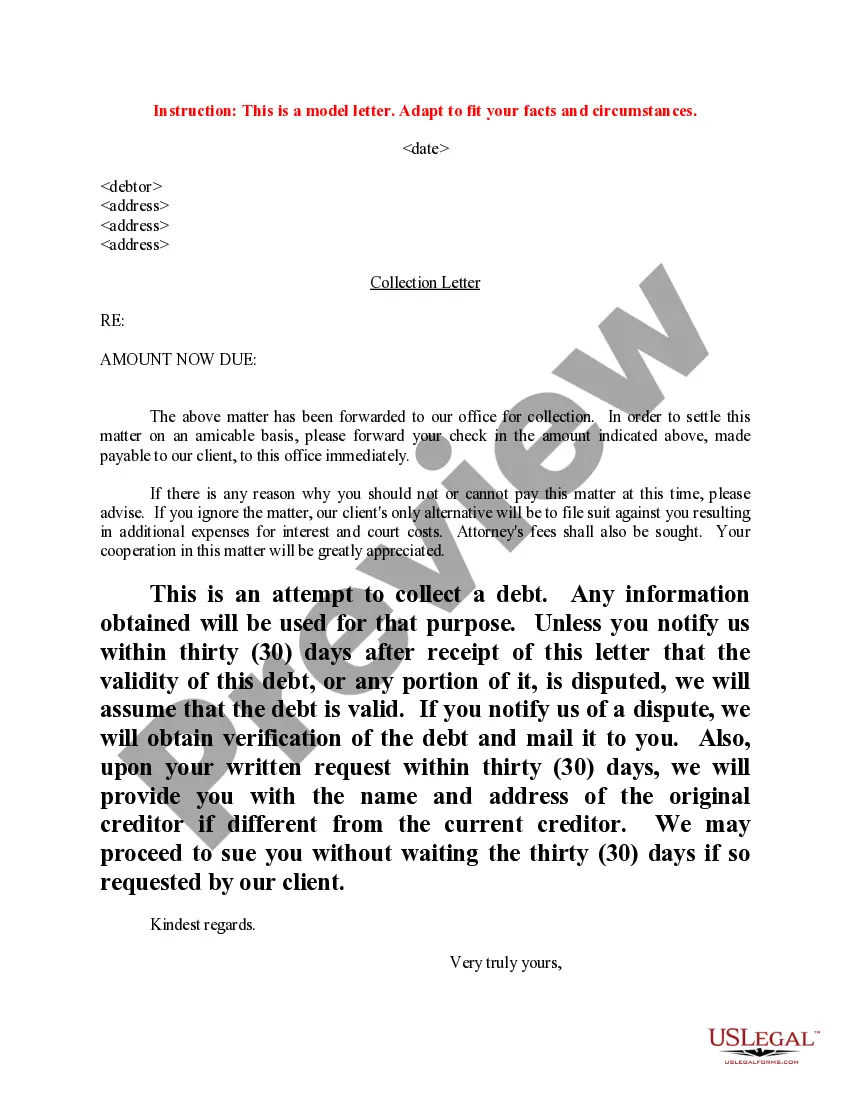
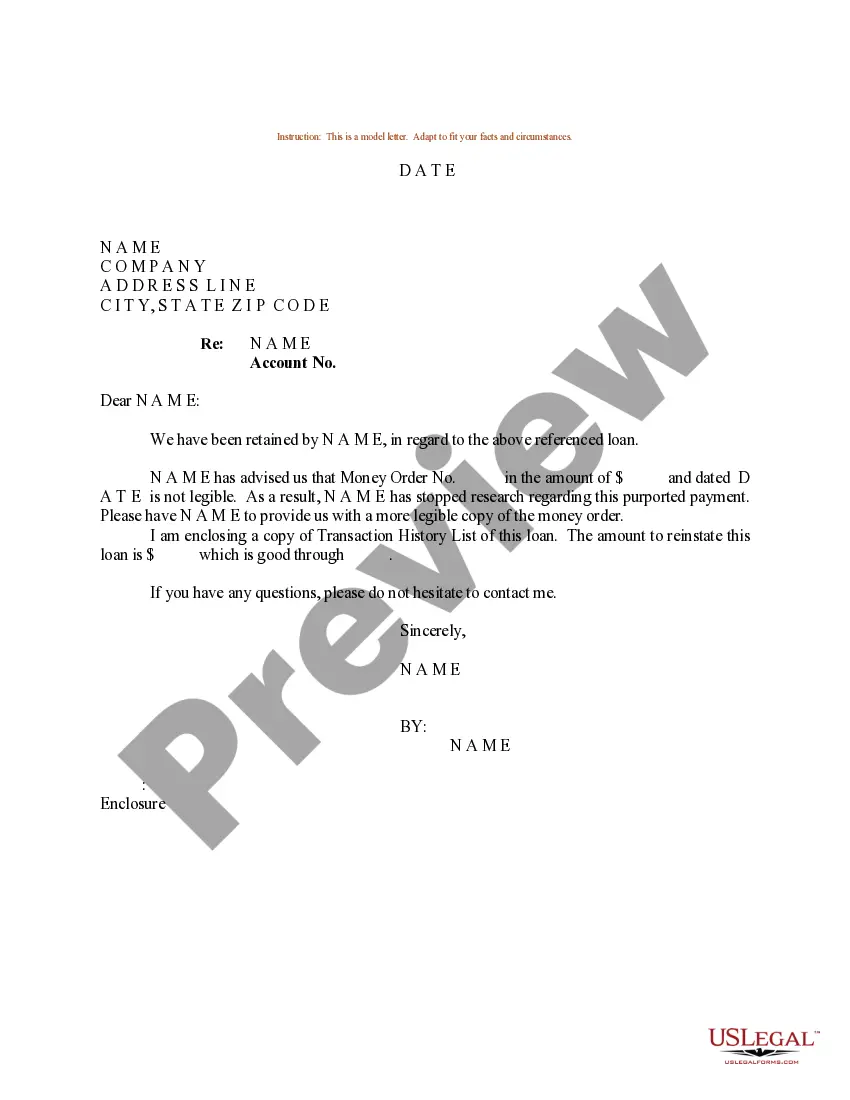
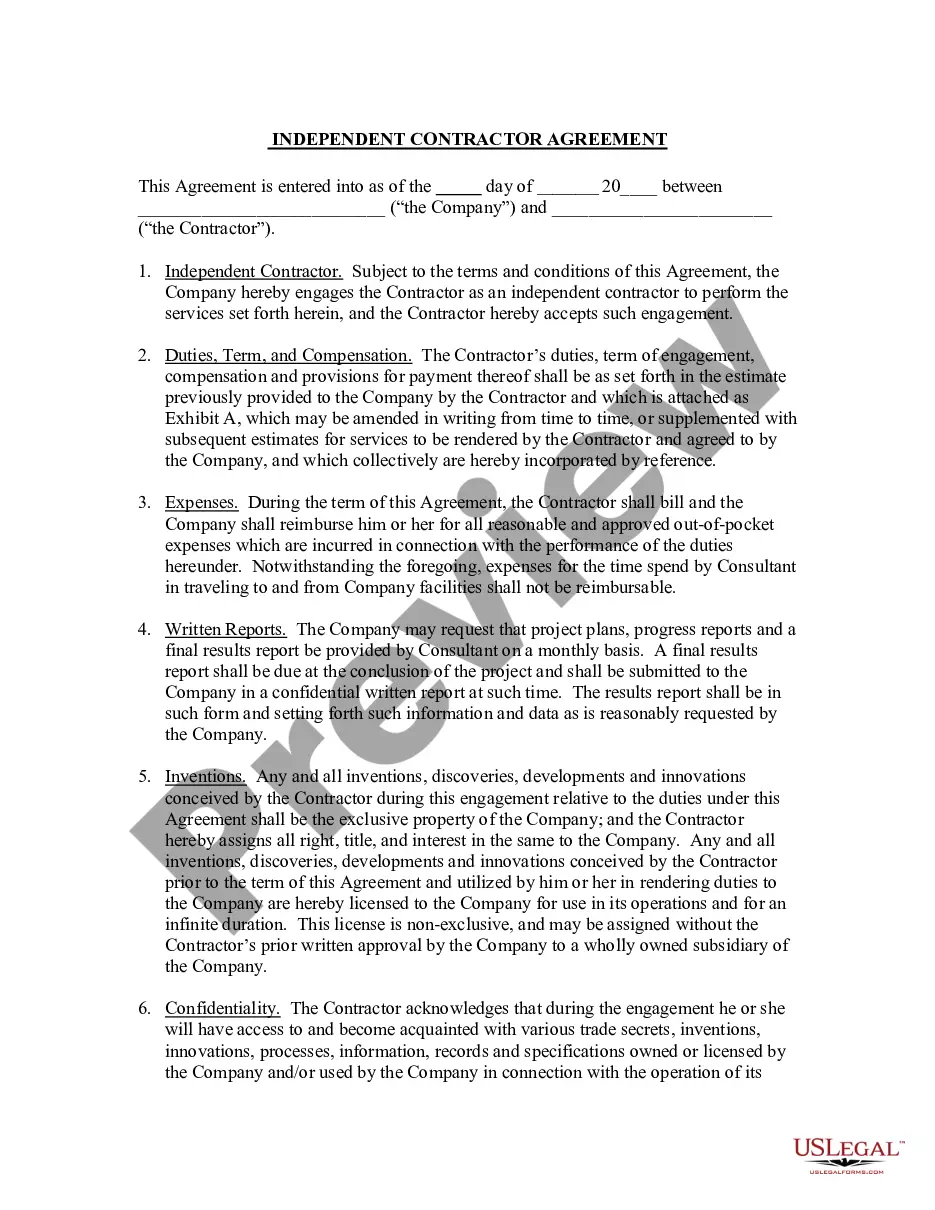
Get your form ready online
Our built-in tools help you complete, sign, share, and store your documents in one place.
Make edits, fill in missing information, and update formatting in US Legal Forms—just like you would in MS Word.
Download a copy, print it, send it by email, or mail it via USPS—whatever works best for your next step.
Sign and collect signatures with our SignNow integration. Send to multiple recipients, set reminders, and more. Go Premium to unlock E-Sign.
If this form requires notarization, complete it online through a secure video call—no need to meet a notary in person or wait for an appointment.
We protect your documents and personal data by following strict security and privacy standards.

Make edits, fill in missing information, and update formatting in US Legal Forms—just like you would in MS Word.

Download a copy, print it, send it by email, or mail it via USPS—whatever works best for your next step.

Sign and collect signatures with our SignNow integration. Send to multiple recipients, set reminders, and more. Go Premium to unlock E-Sign.

If this form requires notarization, complete it online through a secure video call—no need to meet a notary in person or wait for an appointment.

We protect your documents and personal data by following strict security and privacy standards.
Looking for another form?





Form popularity
FAQ
What is the incoming mail policies to inmates? Send via US mail only as per following policy: POLICY - All incoming mail must be sent to the Detention Center in white, legal or letter sized envelopes.
Specifically, they can receive one hundred (maximum 100 per incarcerated person) sheets of yellow or white lined writing paper (no spiral metal binding, no cardboard, and no plastic wrap), forty embossed/metered envelopes from the post office, forty stamps, and forty blank envelopes (40 maximum per incarcerated person) ...
It's best to stick to black or blue ink (typed or handwritten) on plain white paper, mailed in a plain white envelope. You can enclose photos or drawings that are 8 x 10 inches or smaller. The envelope and contents of your letter can often get separated when it arrives at the prison.
Only single layer white envelopes and single layer white paper or stationery are allowed. Ruled white paper or stationery (writing paper printed with lines as a guide for handwriting) is also allowed.
All mail received by prisons is recorded, opened and examined.
Your correspondence may be opened by the prison. Don't say anything that could cause repercussions for your correspondent, such as disparaging remarks about prison officials. Sexual or violent content is likely to prevent your letter from being delivered.
Prisons seldom allow crayon, glitter, permanent marker, colored pencils, stickers, paint, or perfume in the letters they receive. It's best to stick to black or blue ink (typed or handwritten) on plain white paper, mailed in a plain white envelope.
The department may not detain, or have a county jail detain, a probationer or parolee for longer than 72 hours without a warrant or order issued by the court or Board of Pardons and Parole.
You may check online or call the UDC VINE Service as often as you like from any touch-tone telephone to check on an inmate's custody status. Live VINE operators, fluent in English and Spanish, may be accessed at any time.
There are various ways and agencies an individual can obtain arrest records in Utah. One can submit an arrest record request in person or through mail at the Bureau of Criminal Identification under the Utah Department of Public Safety.

