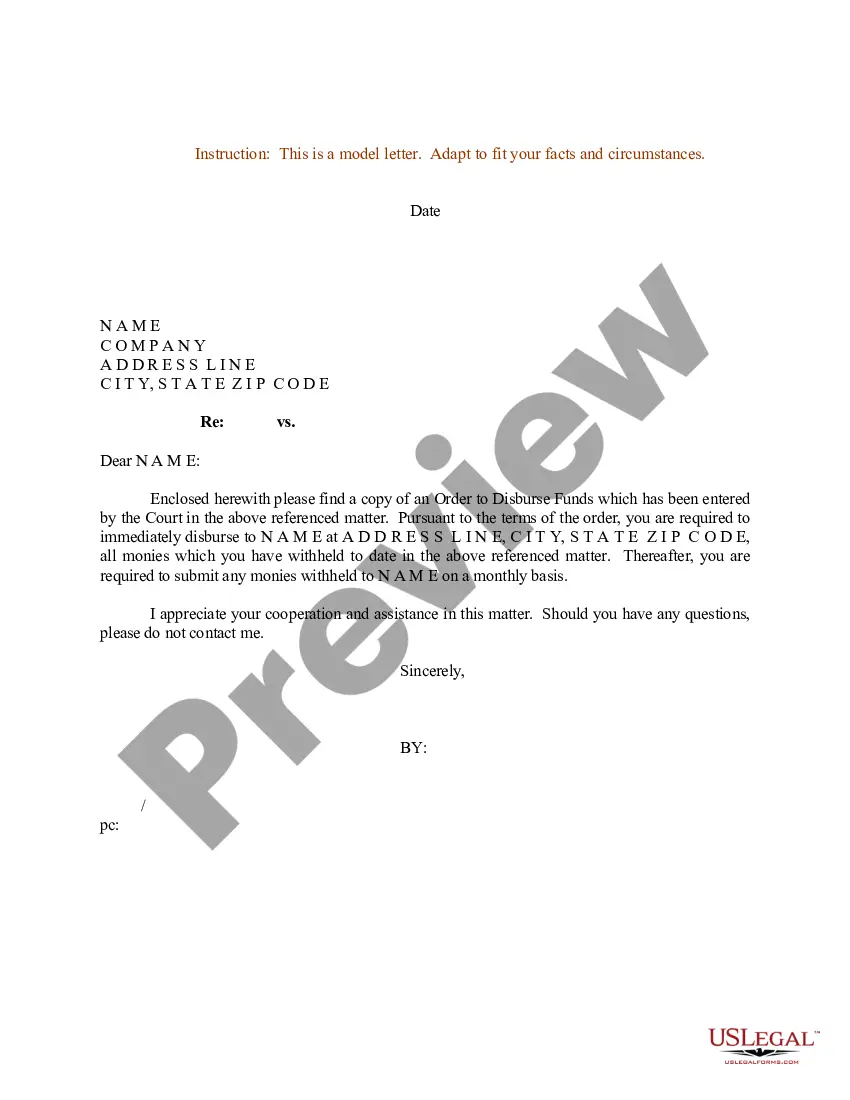
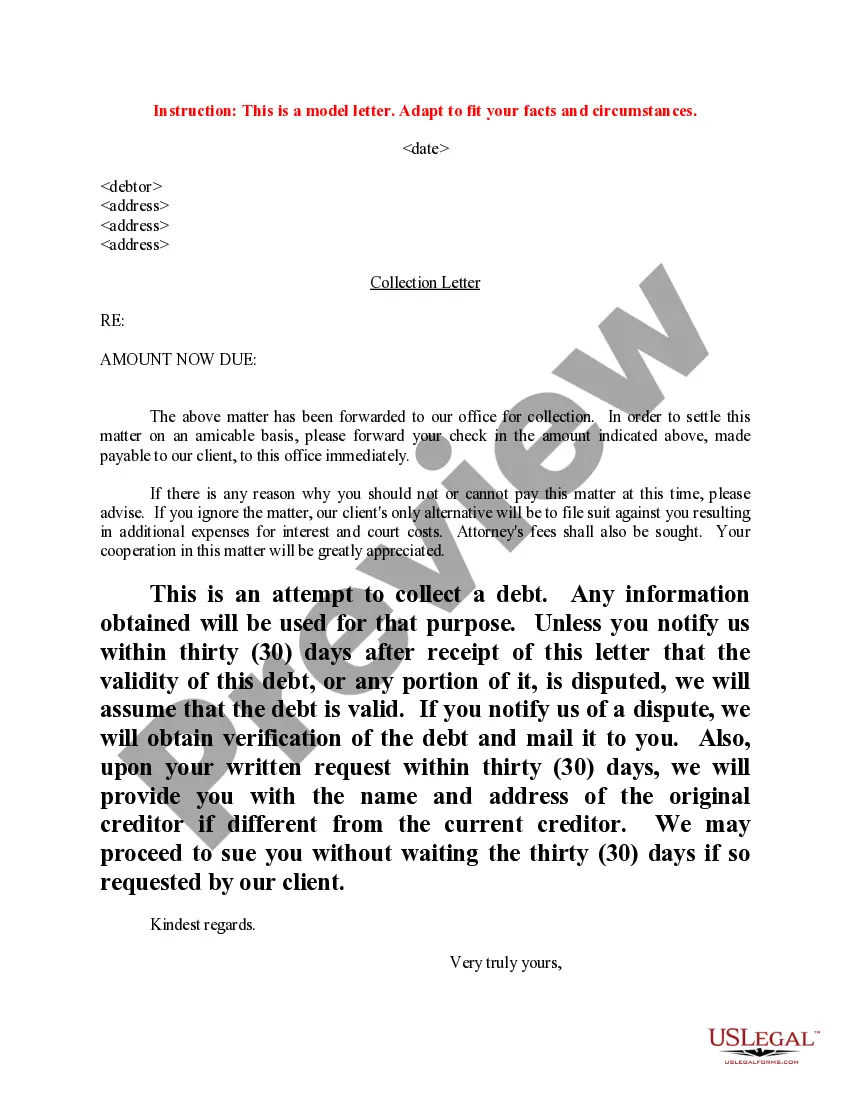
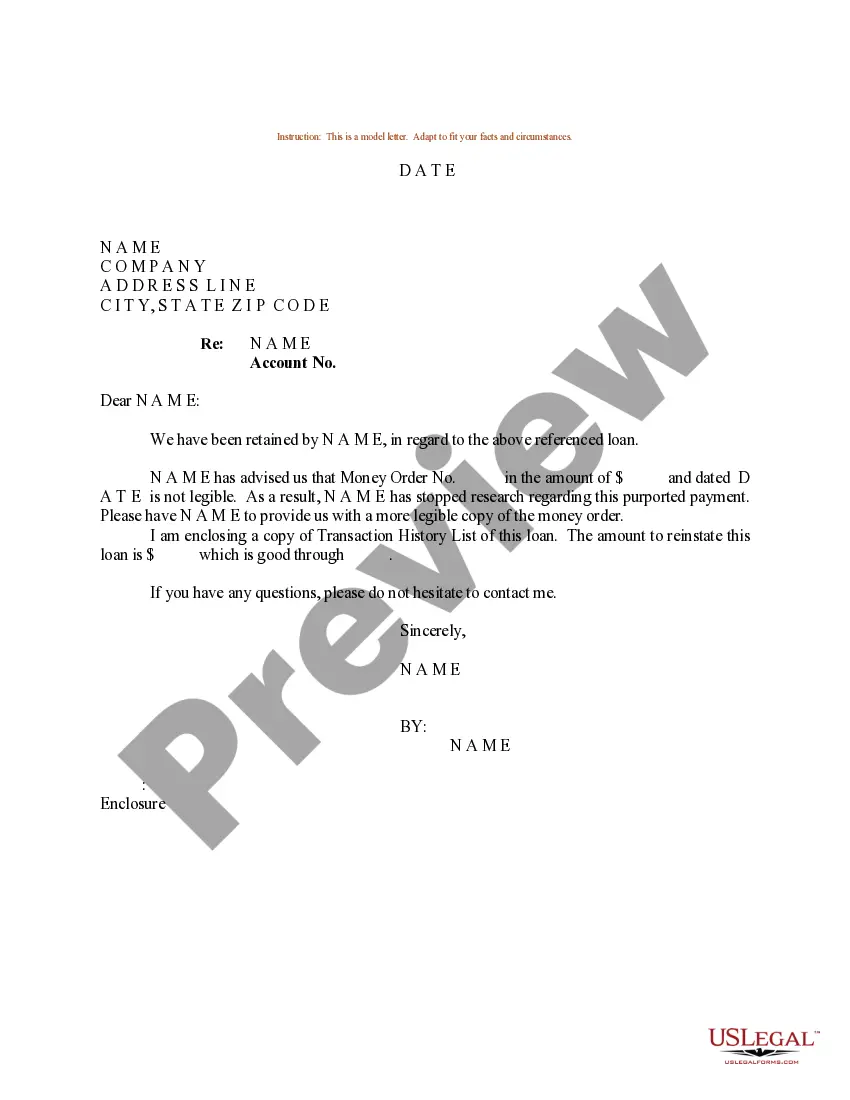
Letter For Money Request In Salt Lake
Description
Get your form ready online
Our built-in tools help you complete, sign, share, and store your documents in one place.
Make edits, fill in missing information, and update formatting in US Legal Forms—just like you would in MS Word.
Download a copy, print it, send it by email, or mail it via USPS—whatever works best for your next step.
Sign and collect signatures with our SignNow integration. Send to multiple recipients, set reminders, and more. Go Premium to unlock E-Sign.
If this form requires notarization, complete it online through a secure video call—no need to meet a notary in person or wait for an appointment.
We protect your documents and personal data by following strict security and privacy standards.

Make edits, fill in missing information, and update formatting in US Legal Forms—just like you would in MS Word.

Download a copy, print it, send it by email, or mail it via USPS—whatever works best for your next step.

Sign and collect signatures with our SignNow integration. Send to multiple recipients, set reminders, and more. Go Premium to unlock E-Sign.

If this form requires notarization, complete it online through a secure video call—no need to meet a notary in person or wait for an appointment.

We protect your documents and personal data by following strict security and privacy standards.
Looking for another form?


Form popularity
FAQ
How to Write a Great Funding Request Letter as a Small NGO Establish a Clear Purpose. Personalize the Letter. Highlight the Relevance. Clearly State the Financial Need. Showcase Success Stories. Engage the Reader. Express Gratitude. Provide Contact Information.
Ask the financial institution holding your assets for a proof of funds letter. Some banks have an online form to fill out while others may require you to come into a branch. Either way, it usually takes no more than a week to receive the letter.
Begin your funding request letter by clearly stating the purpose of your organization and the specific project or initiative for which you are seeking funding. Provide a brief overview of the issue you aim to address and the impact your NGO has already made in the community.
I kindly request your consideration for financial assistance in the amount of (specific amount or range, if applicable) to help me manage my current situation. Your support would greatly help me in overcoming this challenging period and allow me to regain stability.
The faster way to write an incarcerated individual JPay's incarcerated individual email service is a fast, feature-rich way to correspond with your incarcerated loved one. Depending on the facility, incarcerated individuals may be able to respond electronically, view and print your message, and view photo attachments.
Send a letter All mail must have a return address. Envelopes must be no larger than 4 in. x 9½ in. Letters must be on paper that is no larger than 8 ½ in. x 11 in. Greeting Cards must be no larger than 5 in. x 7 in. Postcards must be 5 in. x 7 in. Photographs must be 4 in. x 6 in. ( limit to 10 photos per parcel)
Only single layer white envelopes and single layer white paper or stationery are allowed. Ruled white paper or stationery (writing paper printed with lines as a guide for handwriting) is also allowed.
Steps Visit the jail website. Look up the inmate's booking number. Address the envelope. Include your name and return address. Make sure not to send confidential information. Avoid sending prohibited items. Mail your envelope. Send an email.
Under the Utah Court Record Rule (4–202.02), criminal court records not sealed or expunged are public records, and can be viewed, inspected, and copied by citizens pertinent to their rights.
