Sample Membership Form For A Club In Florida
Description

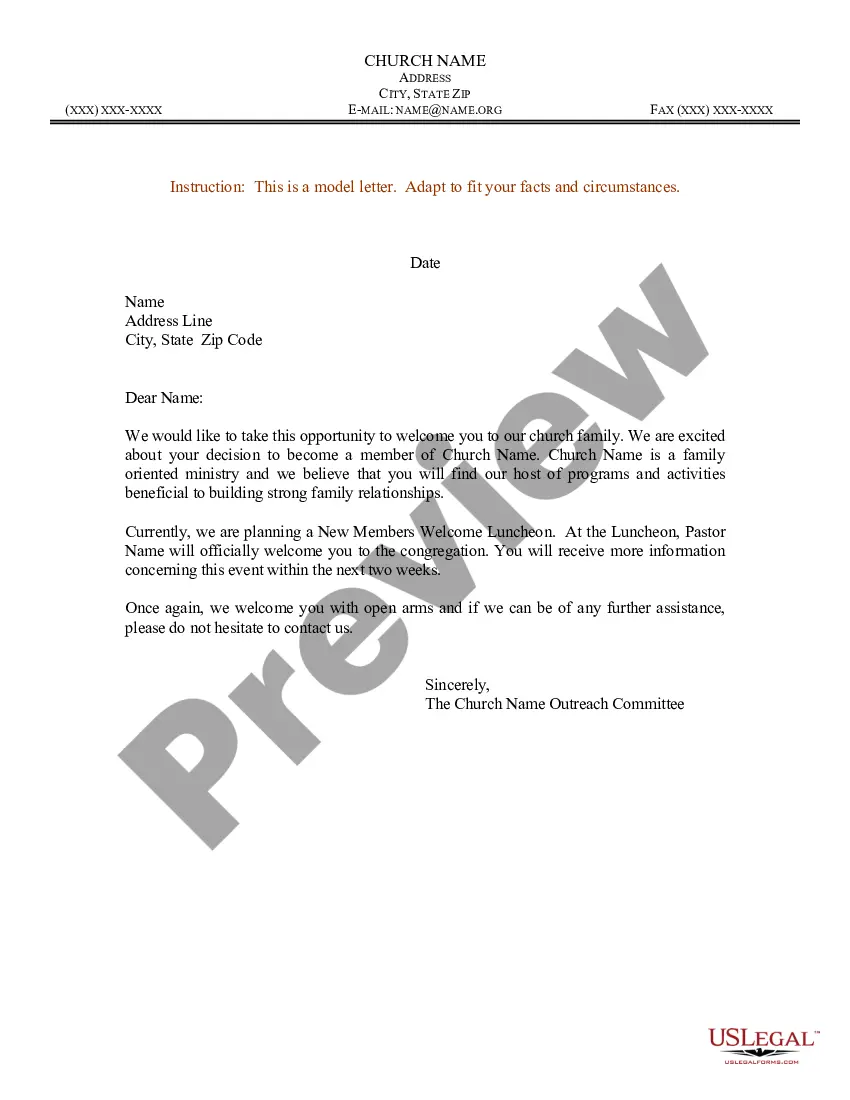
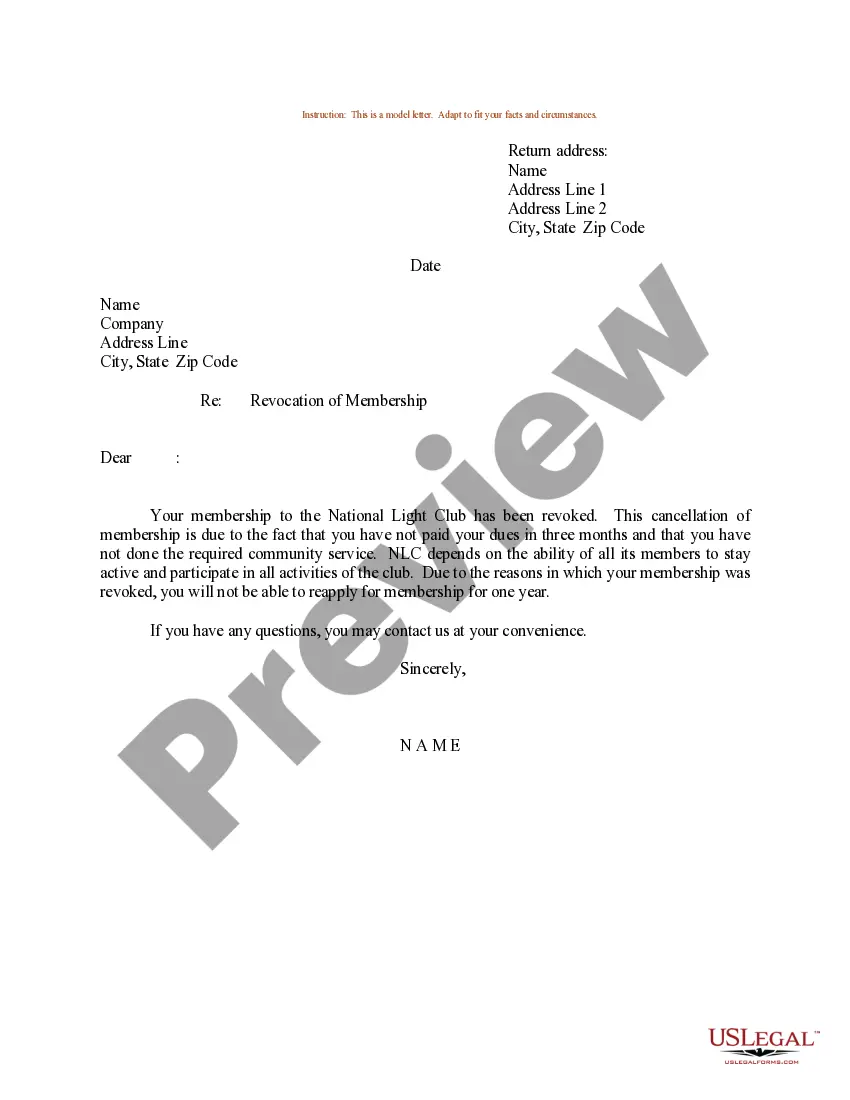
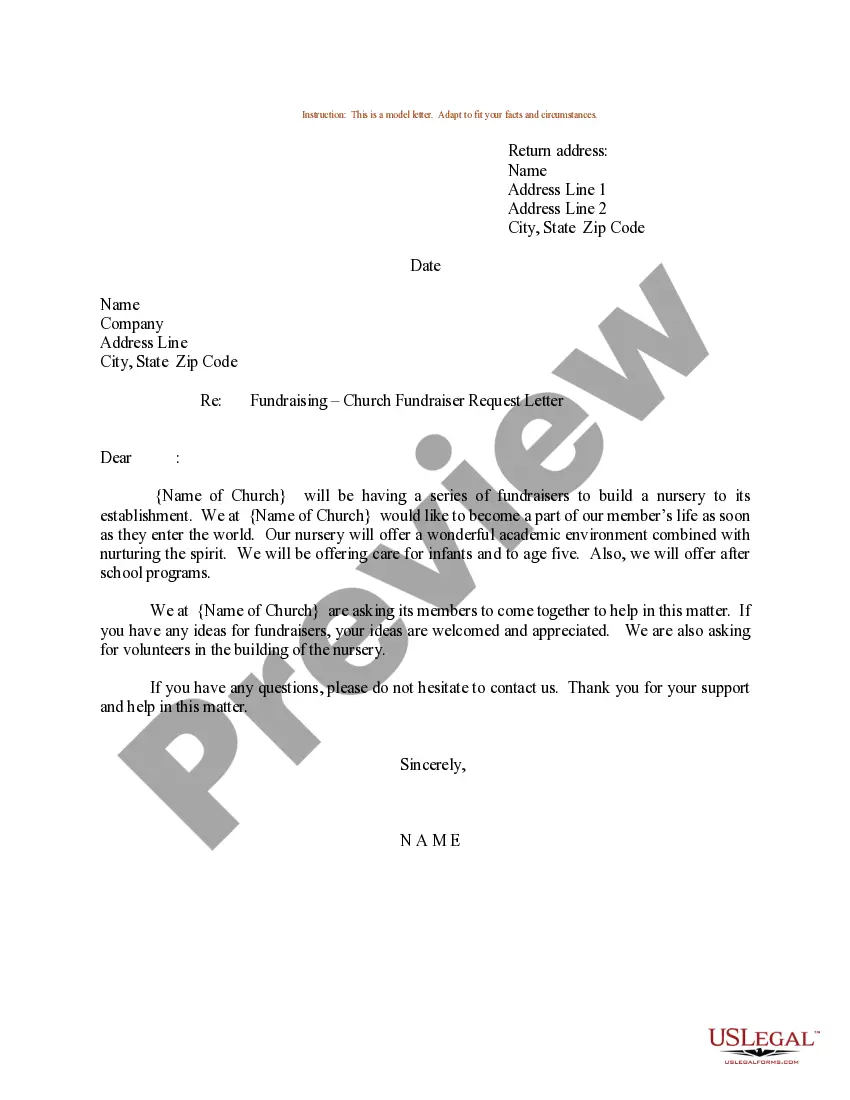
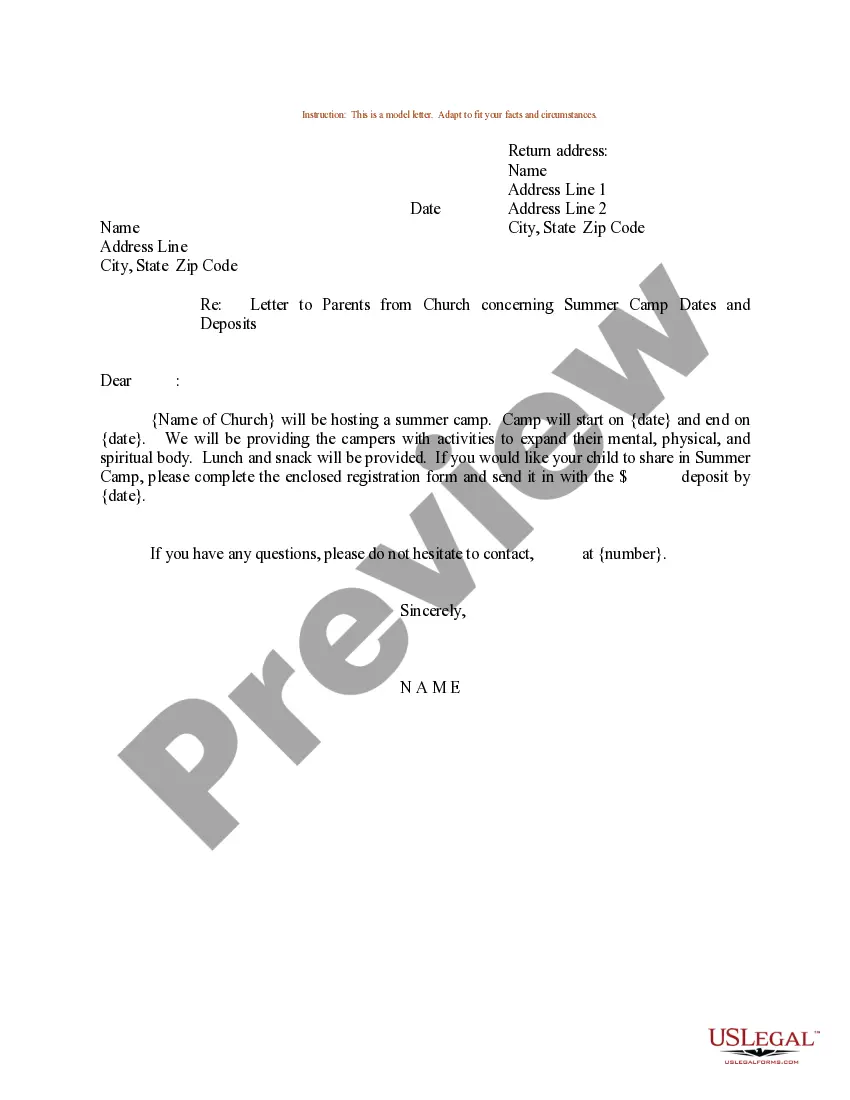
Get your form ready online
Our built-in tools help you complete, sign, share, and store your documents in one place.
Make edits, fill in missing information, and update formatting in US Legal Forms—just like you would in MS Word.
Download a copy, print it, send it by email, or mail it via USPS—whatever works best for your next step.
Sign and collect signatures with our SignNow integration. Send to multiple recipients, set reminders, and more. Go Premium to unlock E-Sign.
If this form requires notarization, complete it online through a secure video call—no need to meet a notary in person or wait for an appointment.
We protect your documents and personal data by following strict security and privacy standards.

Make edits, fill in missing information, and update formatting in US Legal Forms—just like you would in MS Word.

Download a copy, print it, send it by email, or mail it via USPS—whatever works best for your next step.

Sign and collect signatures with our SignNow integration. Send to multiple recipients, set reminders, and more. Go Premium to unlock E-Sign.

If this form requires notarization, complete it online through a secure video call—no need to meet a notary in person or wait for an appointment.

We protect your documents and personal data by following strict security and privacy standards.
Looking for another form?










Form popularity
FAQ
Every membership form should ask for the member's first and last name, date of birth/age, contact information, and membership level. There are also some optional details that you can ask for, such as their education level.
No, you don't need a certain number of members to start a club. You can start with a small group of interested students and grow your club over time. Some schools may have guidelines or policies regarding the minimum number of members required to start a club, so be sure to research your school's guidelines.
Step 1: Know Why Your Club Exists. Step 2: Structure Your Club & Governance. Step 3: How to Get New Members. Step 4: Outline the Financial Structure. Step 5: Create a Club Website. Step 6: Hold Your First Club Meeting. Step 7: Attract & Engage Your Members.
If you've ever dreamed of starting your own club, you can easily make it happen with a little time and effort. You don't need a bunch of members either. Decide on a type of club, outline the club's objectives and goals, and begin recruiting members!
How to start a sports club Get Clear About Your Community. First things first: determine what—and who—your sports club will support. Decide the Club's Level of Performance. Create Club Values and Rules. Get a Coach. Have an Administrator. Develop a Budget. Build a Team. Secure a Venue.
Step 1: Know Why Your Club Exists. Step 2: Structure Your Club & Governance. Step 3: How to Get New Members. Step 4: Outline the Financial Structure. Step 5: Create a Club Website. Step 6: Hold Your First Club Meeting. Step 7: Attract & Engage Your Members.
A club membership registration form should include fields for personal information such as name, contact details, and address. It may also include sections for membership preferences, emergency contact information, and any additional information required by the club.
They serve a few purposes: They let new potential members request to join your organization. You can specify what information you want to know about potential members. First point of data collection of members for your membership database. It streamlines how people can join your organization.
A registration form collects personal information from users interested in signing up for an event, membership, or service.
They serve a few purposes: They let new potential members request to join your organization. You can specify what information you want to know about potential members. First point of data collection of members for your membership database.

