Missouri Declaratory Judgment Act For Dummies In Massachusetts
Description
















Get your form ready online
Our built-in tools help you complete, sign, share, and store your documents in one place.
Make edits, fill in missing information, and update formatting in US Legal Forms—just like you would in MS Word.
Download a copy, print it, send it by email, or mail it via USPS—whatever works best for your next step.
Sign and collect signatures with our SignNow integration. Send to multiple recipients, set reminders, and more. Go Premium to unlock E-Sign.
If this form requires notarization, complete it online through a secure video call—no need to meet a notary in person or wait for an appointment.
We protect your documents and personal data by following strict security and privacy standards.
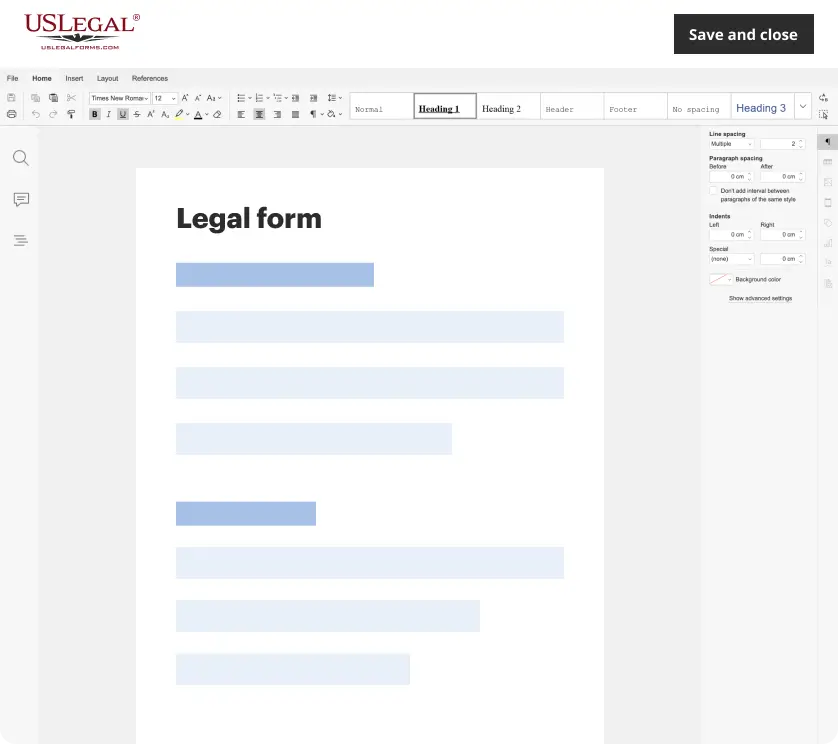
Make edits, fill in missing information, and update formatting in US Legal Forms—just like you would in MS Word.
Download a copy, print it, send it by email, or mail it via USPS—whatever works best for your next step.
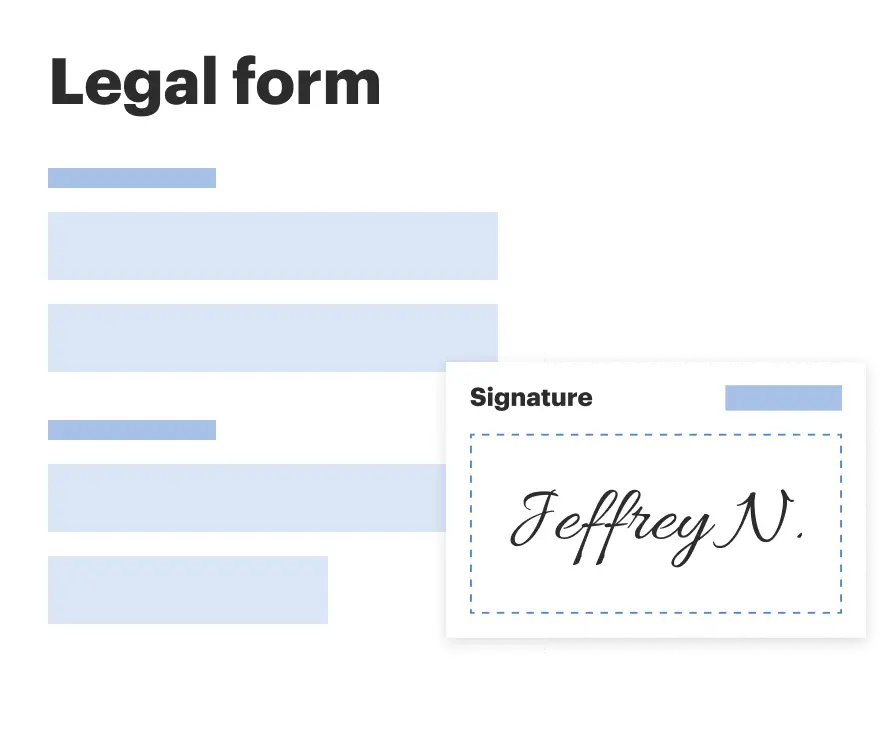
Sign and collect signatures with our SignNow integration. Send to multiple recipients, set reminders, and more. Go Premium to unlock E-Sign.
If this form requires notarization, complete it online through a secure video call—no need to meet a notary in person or wait for an appointment.
We protect your documents and personal data by following strict security and privacy standards.
Looking for another form?







Form popularity
FAQ
Time limits on filing claims Generally, a claim based on a contract or a consumer protection law must be brought within 6 years, and a claim resulting from negligence or intentional harm must be brought within 3 years, but there are exceptions.
In Massachusetts, the statute of limitations for personal injury cases is generally three years from the date of the injury. This means you have three years to file a lawsuit from the time you were injured or became aware of your injury.
Steps in Seeking a Declaratory Judgment Research and obtain additional evidence and title information from the client or the Missouri Department of Revenue. File a petition asking the appropriate court for a declaratory judgment. Name the Missouri Department of Revenue as a defendant in this lawsuit.
“”Declaratory judgment actions are subject to a four-year statute of limitations.”” See Lakeside v.
LIMITATIONS PERIOD The statute of limitations for a conversion claim in Massachusetts is three years (M.G.L. c. 260,аза2A; Patsos v.
In order for a Missouri Court to even entertain a declaratory judgment, it must be presented with: (1) a justiciable controversy that presents a real, substantial, presently-existing controversy admitting of specific relief, as distinguished from an advisory decree upon a purely hypothetical situation; (2) a plaintiff ...
For instance, in Massachusetts, there is a six-year limitation period for filing misdemeanor charges. For robbery charges, there is a 10-year limit, and for charges, a 15-year statute of limitations.
To bring a claim for declaratory judgment in a situation where a patent dispute may exist or develop, the claimant must establish that an actual controversy exists. If there is a substantial controversy of sufficient immediacy and reality, the court will generally proceed with the declaratory-judgment action.
Steps in Seeking a Declaratory Judgment Review the facts of the case. Research and obtain additional evidence and title information from the client or the Missouri Department of Revenue. File a petition asking the appropriate court for a declaratory judgment.
