Vendor Agreement For Online Store In Wayne
Description
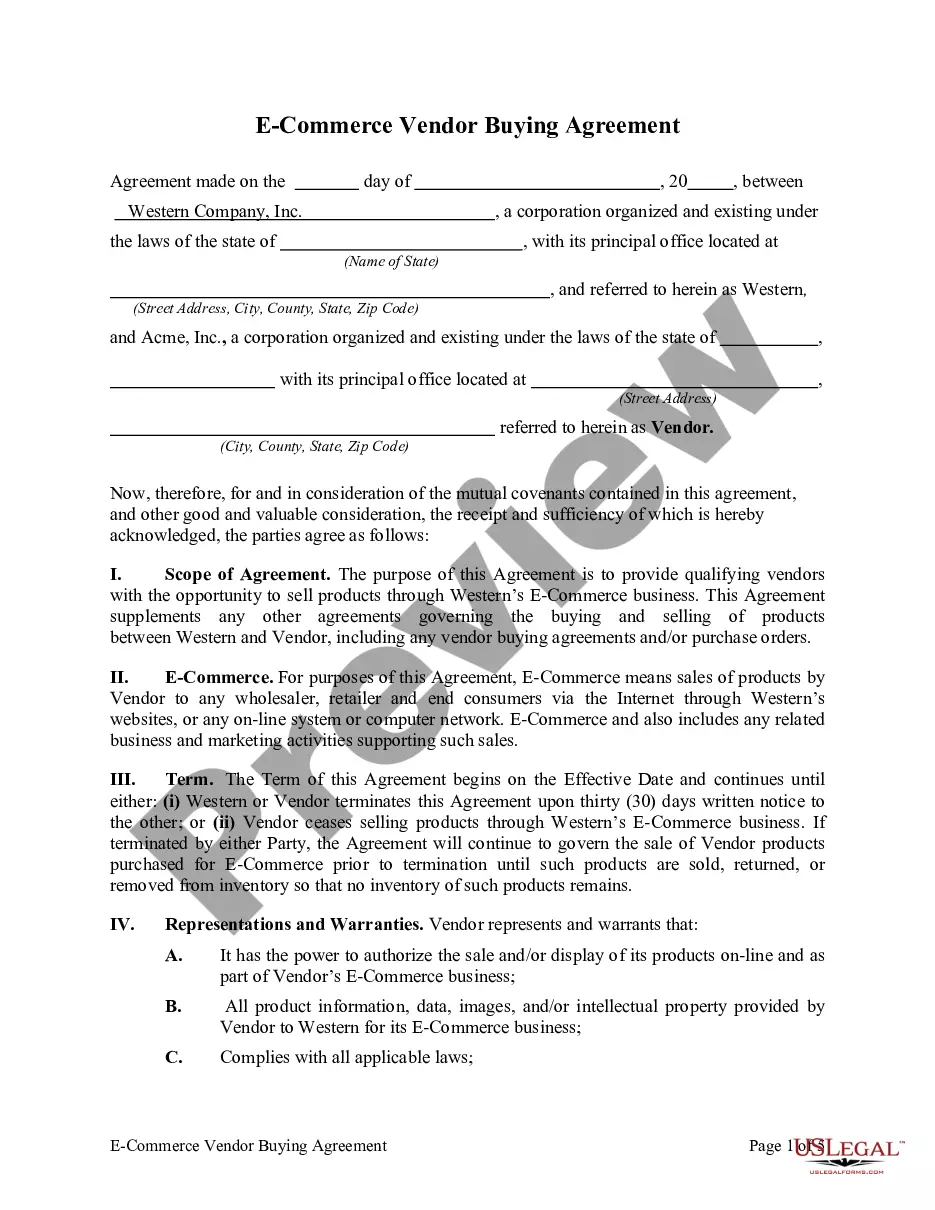
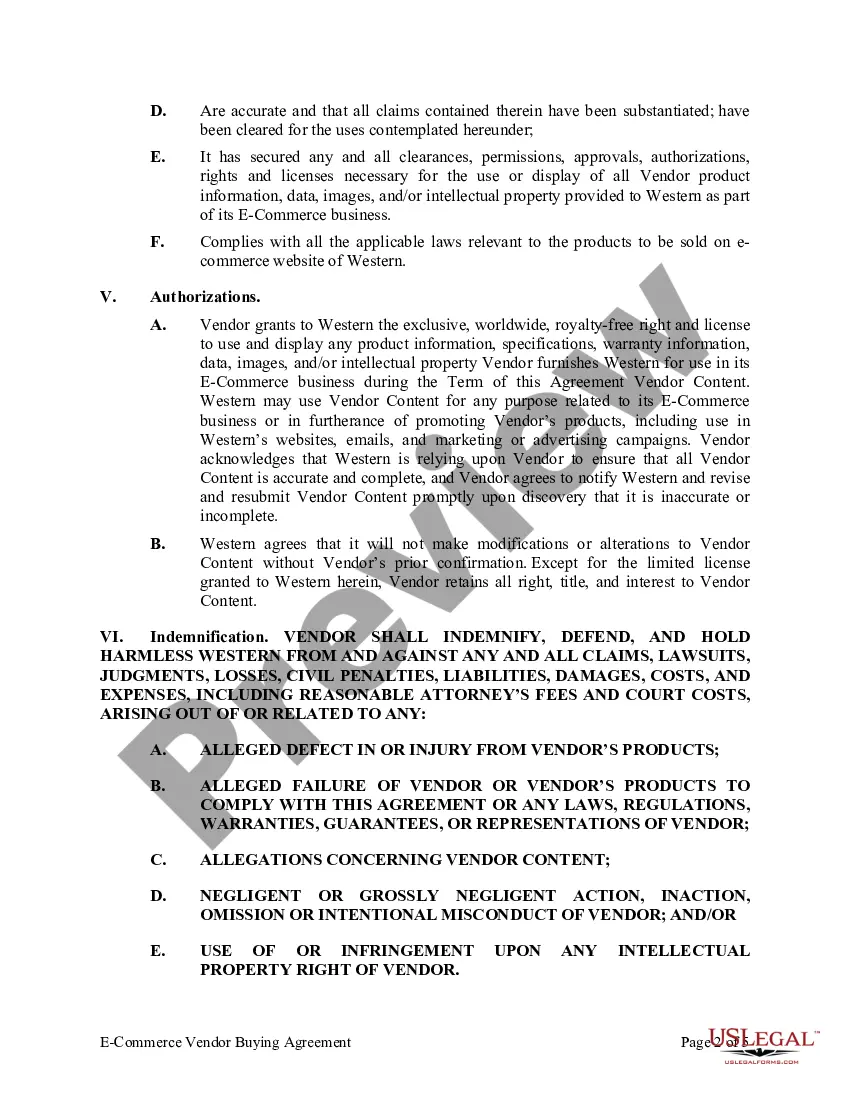
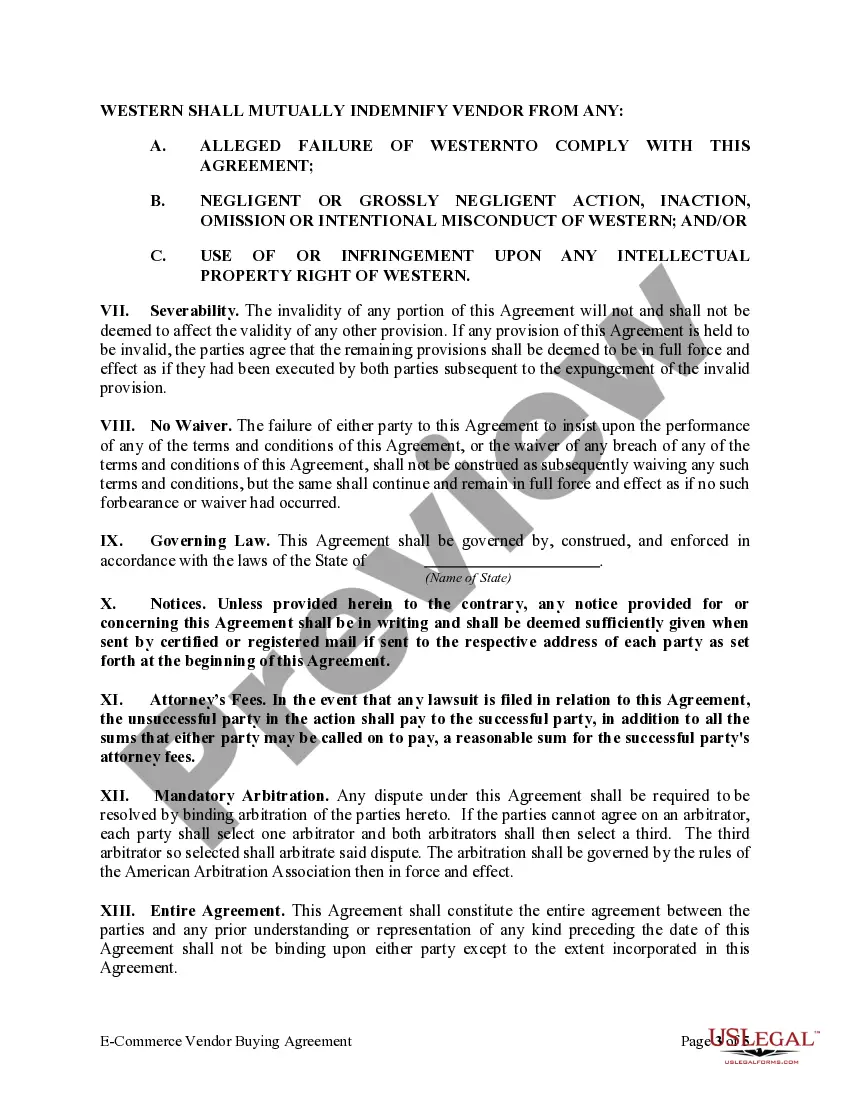
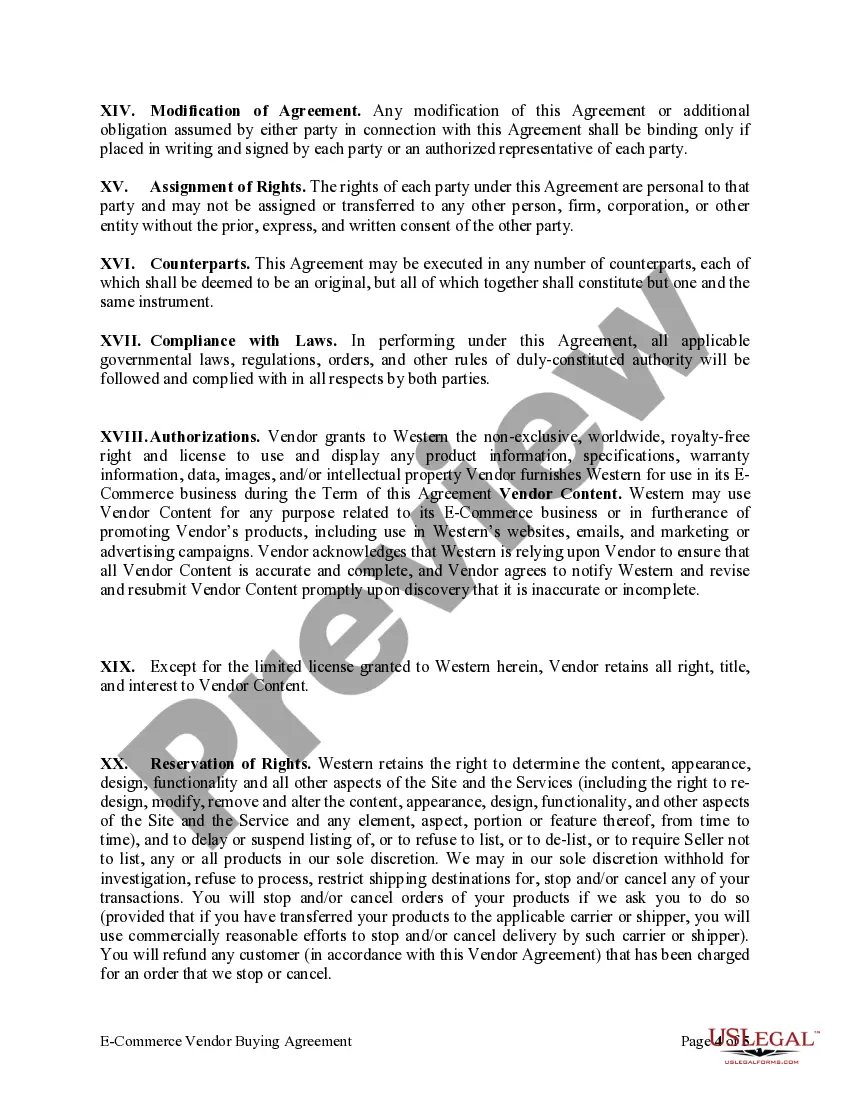
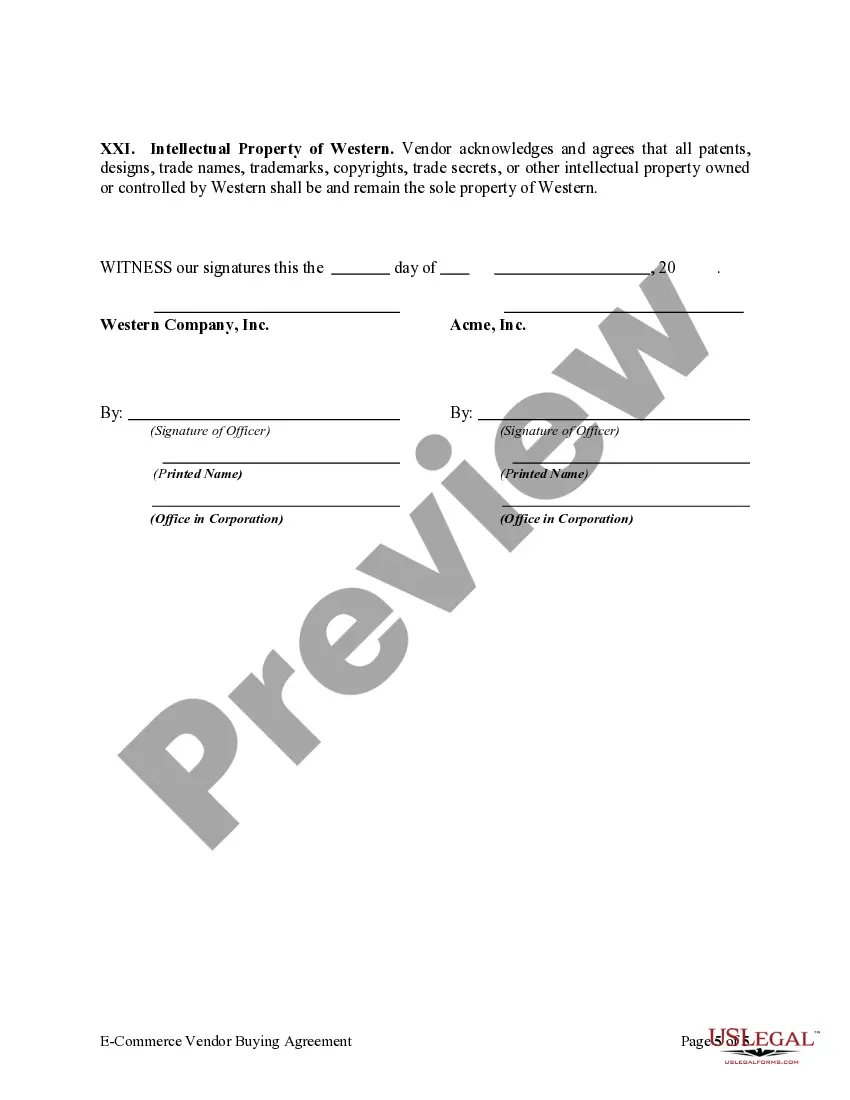

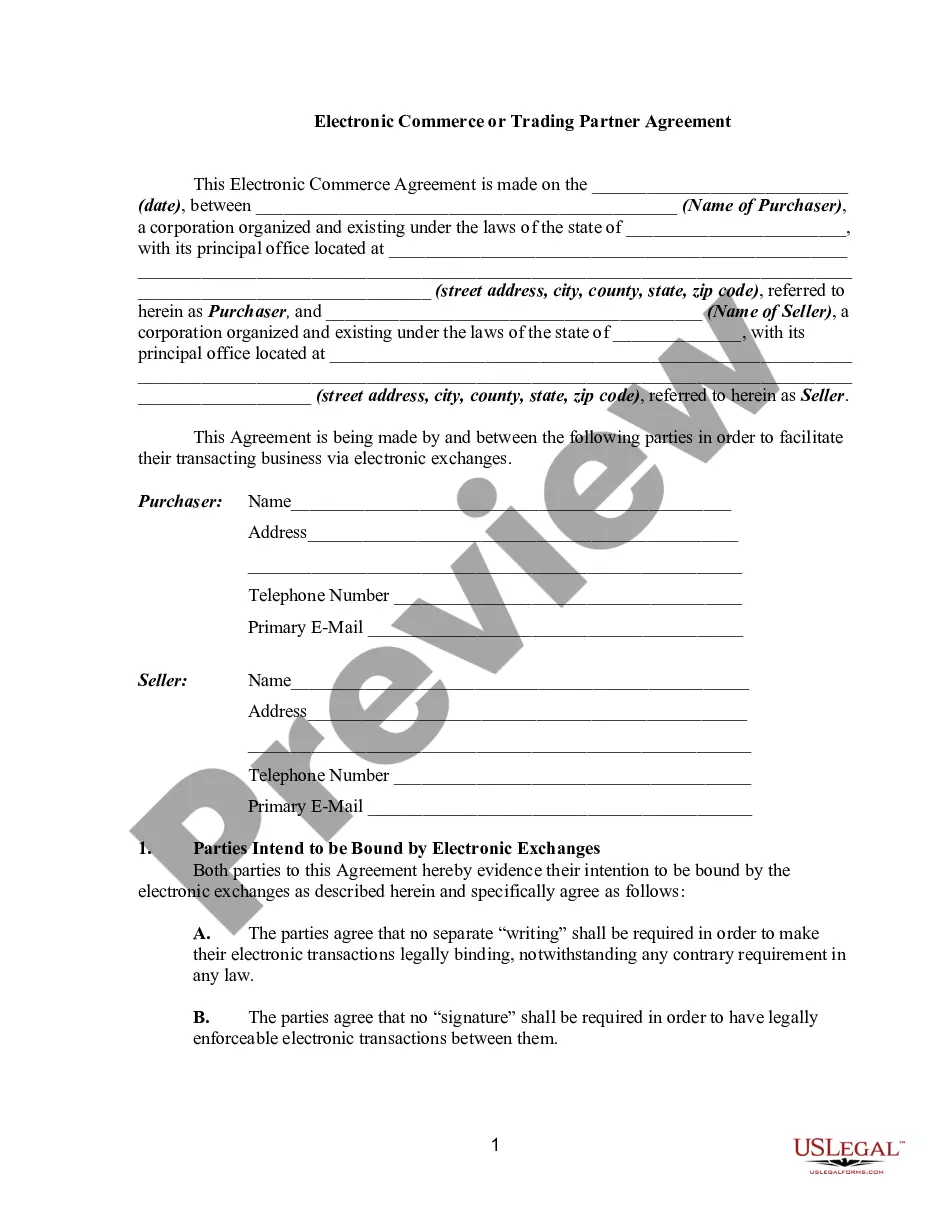
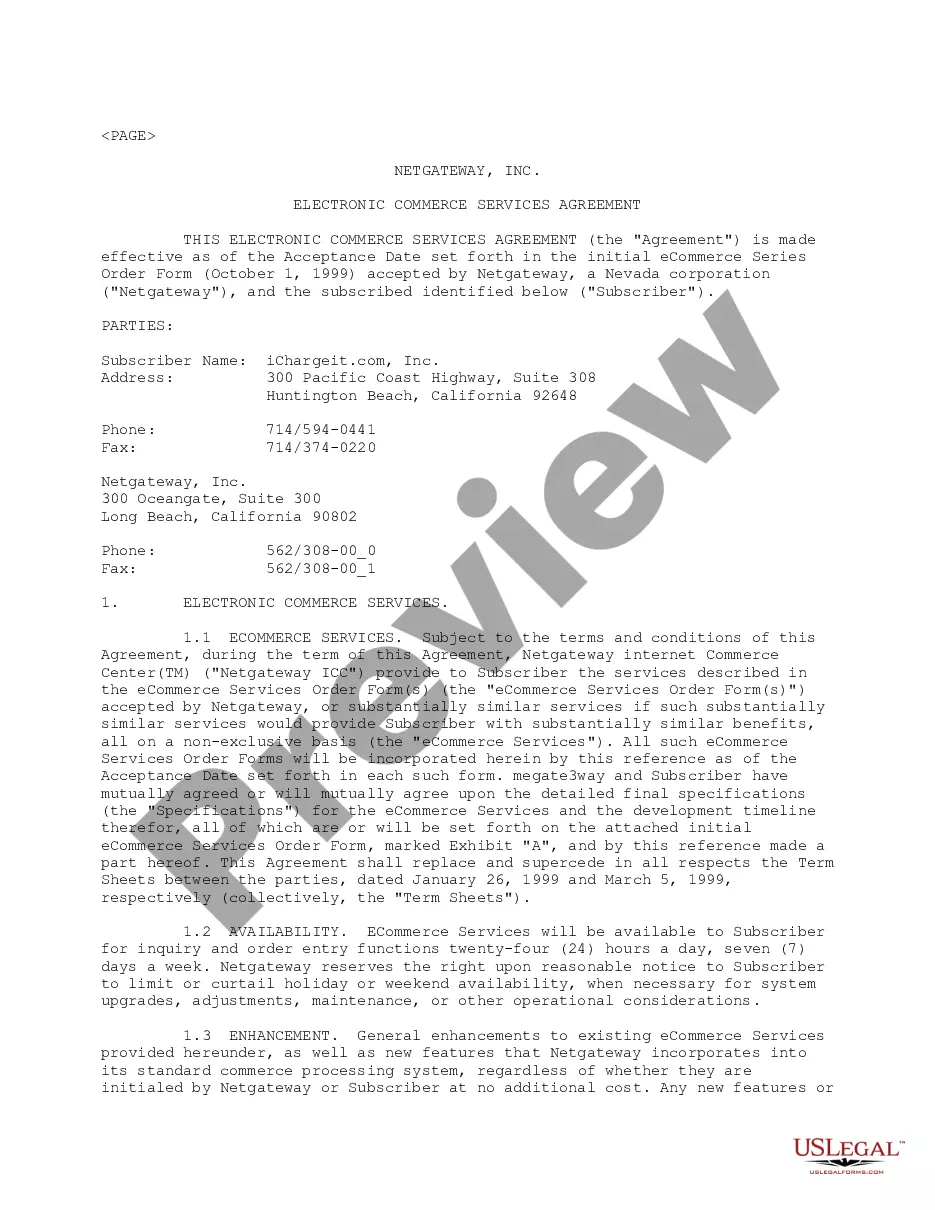
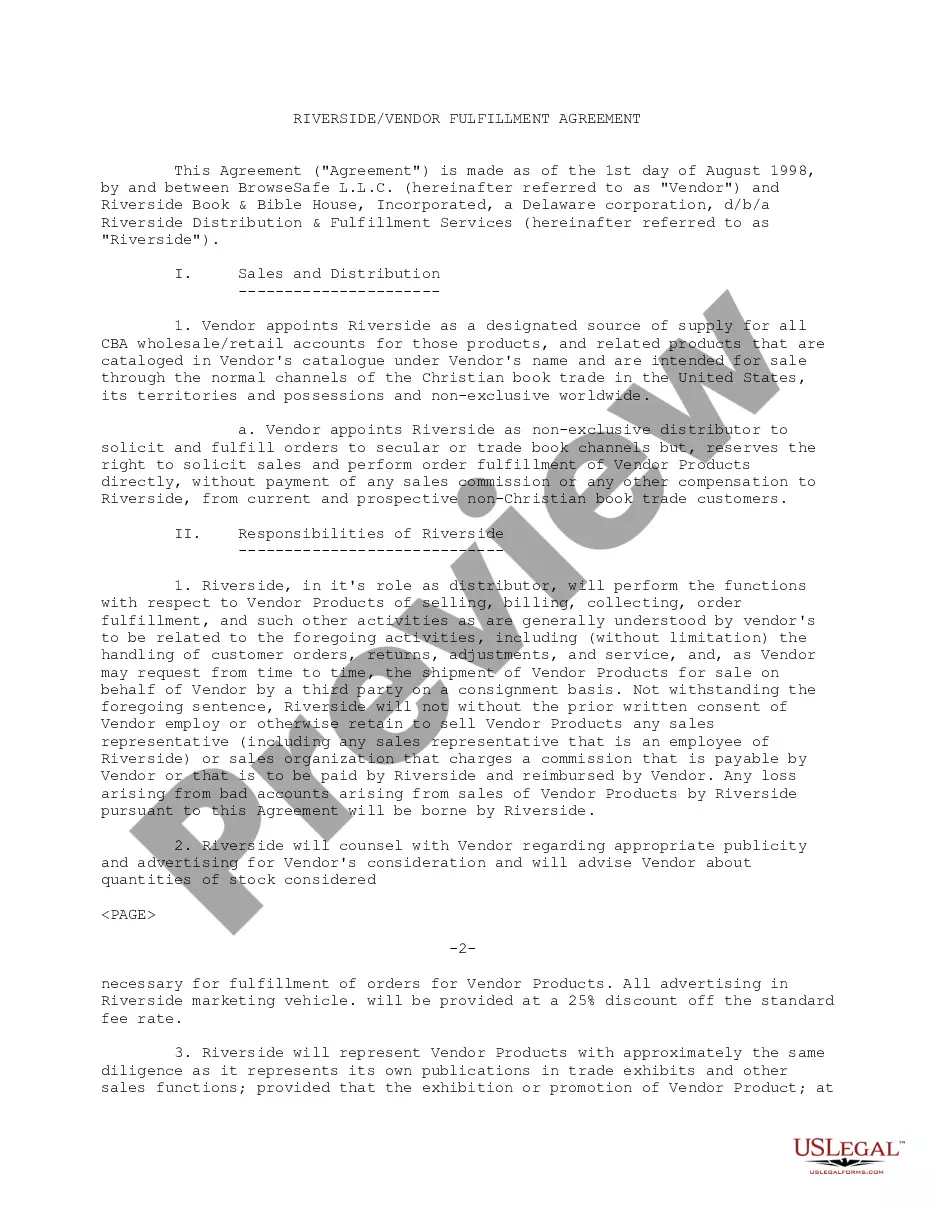
Get your form ready online
Our built-in tools help you complete, sign, share, and store your documents in one place.
Make edits, fill in missing information, and update formatting in US Legal Forms—just like you would in MS Word.
Download a copy, print it, send it by email, or mail it via USPS—whatever works best for your next step.
Sign and collect signatures with our SignNow integration. Send to multiple recipients, set reminders, and more. Go Premium to unlock E-Sign.
If this form requires notarization, complete it online through a secure video call—no need to meet a notary in person or wait for an appointment.
We protect your documents and personal data by following strict security and privacy standards.

Make edits, fill in missing information, and update formatting in US Legal Forms—just like you would in MS Word.

Download a copy, print it, send it by email, or mail it via USPS—whatever works best for your next step.

Sign and collect signatures with our SignNow integration. Send to multiple recipients, set reminders, and more. Go Premium to unlock E-Sign.

If this form requires notarization, complete it online through a secure video call—no need to meet a notary in person or wait for an appointment.

We protect your documents and personal data by following strict security and privacy standards.
Looking for another form?



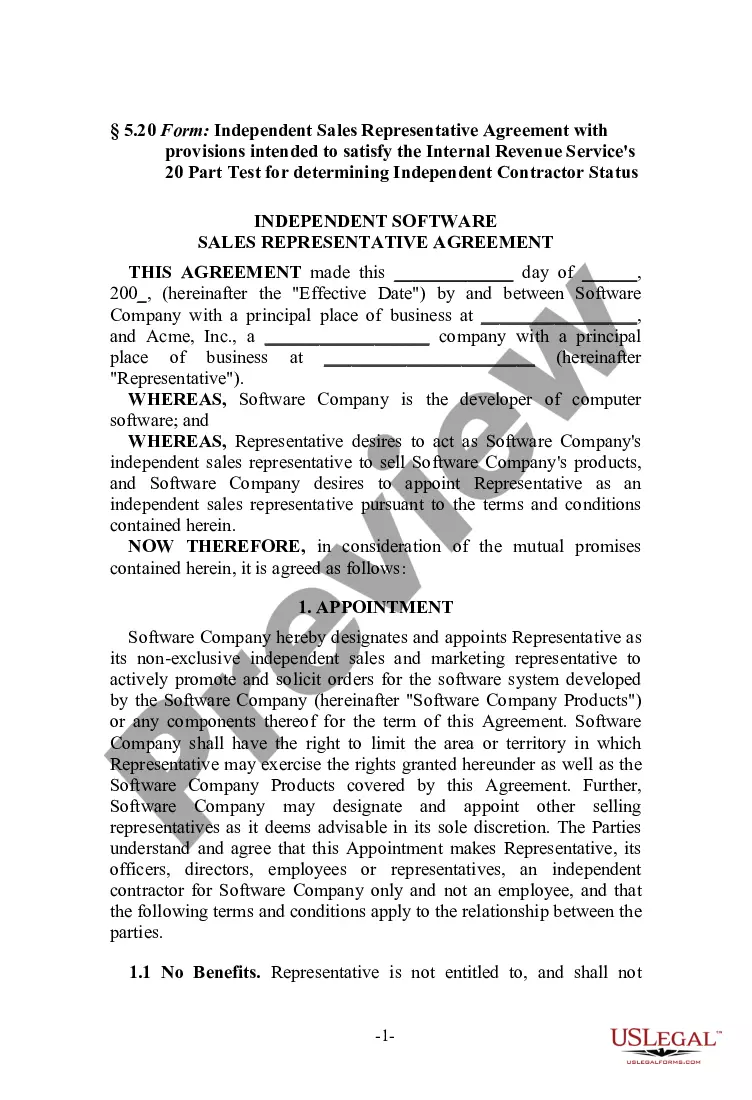
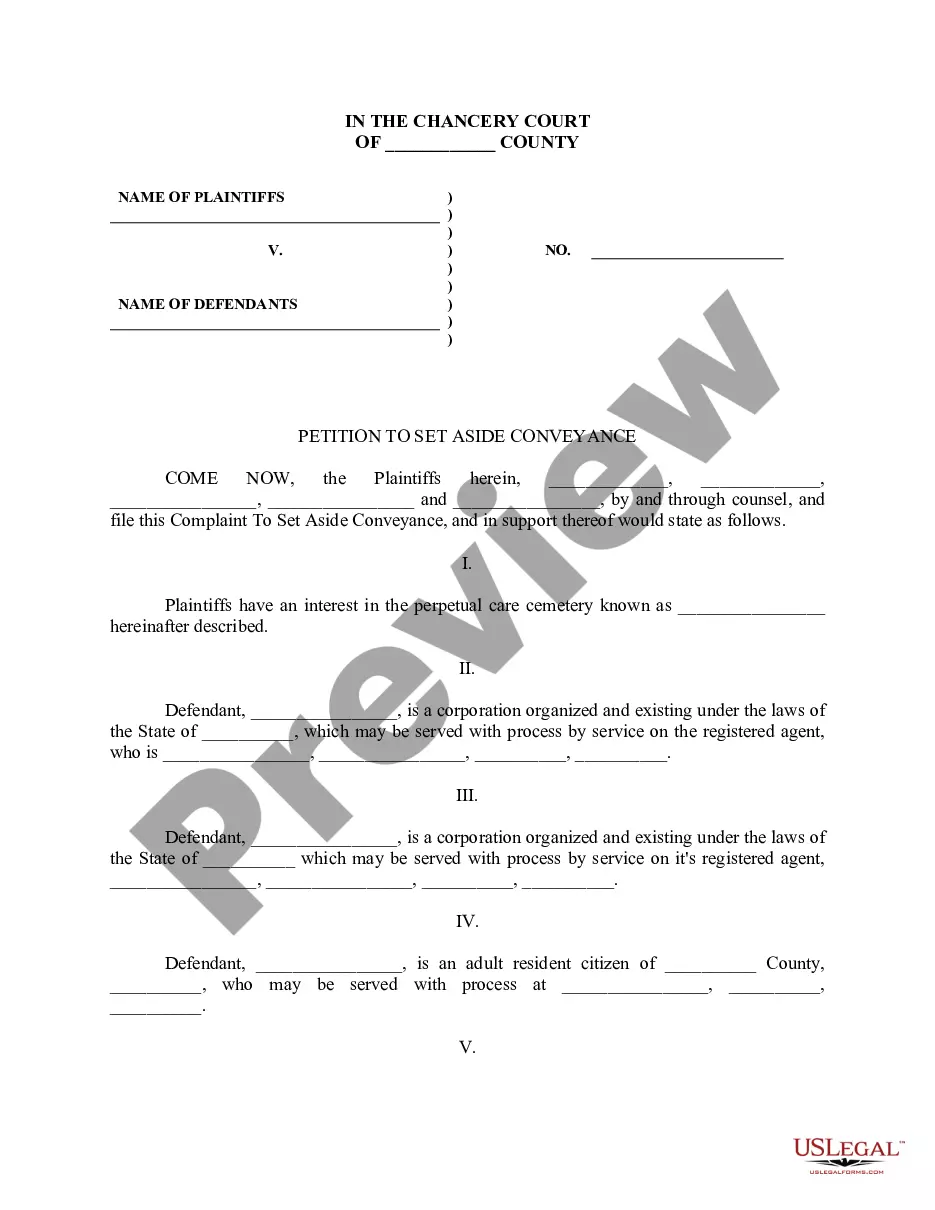



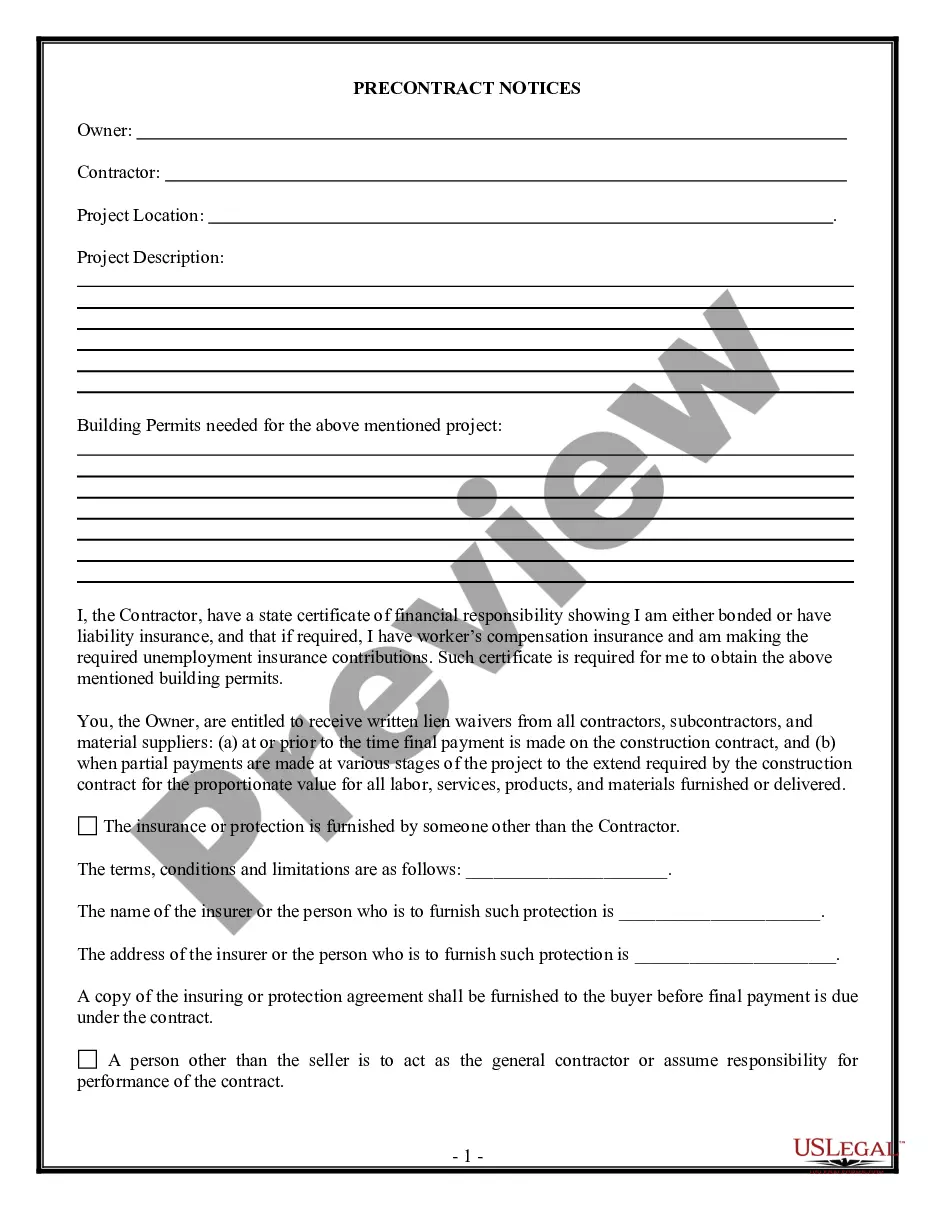

Form popularity
FAQ
A vendor contract (otherwise known as a vendor agreement) is a business contract between two parties covering the exchange of goods or services in return for compensation.
A vendor contract (otherwise known as a vendor agreement) is a business contract between two parties covering the exchange of goods or services in return for compensation. Vendor contracts establish the business relationship conditions and include details on each party's obligations under the contract.
A vendor contract (otherwise known as a vendor agreement) is a business contract between two parties covering the exchange of goods or services in return for compensation.
Final answer: Vendors, who exist outside the organization and provide goods or services to a company, can be considered as external customers. It is key to manage them effectively given their important role in the business relationship.
Differences − Vendor and Customer The last link in every successful supply chain is the customer. A vendor is a person who comes second-to-last in a supply chain. The customer is the final link in the supply chain. One who purchases goods for the purpose of reselling them is known as a vendor.
A standardized contract, also known as a standard form contract, is an agreement between two parties where one party sets the terms and the counterparty has little or no ability to change them.
Sometimes, a contract covers a one-time action between parties, but what happens when the relationships or circumstances are ongoing? When signing parties know they will continue to work together in the future, a Master Service Agreement (MSA) can simplify those future agreements and speed up the negotiation process.
A service-level agreement (SLA) defines the level of service expected from a vendor, laying out metrics by which service is measured, as well as remedies should service levels not be achieved. It is a critical component of any technology vendor contract.
