Vendor Agreement Form In Sacramento
Description
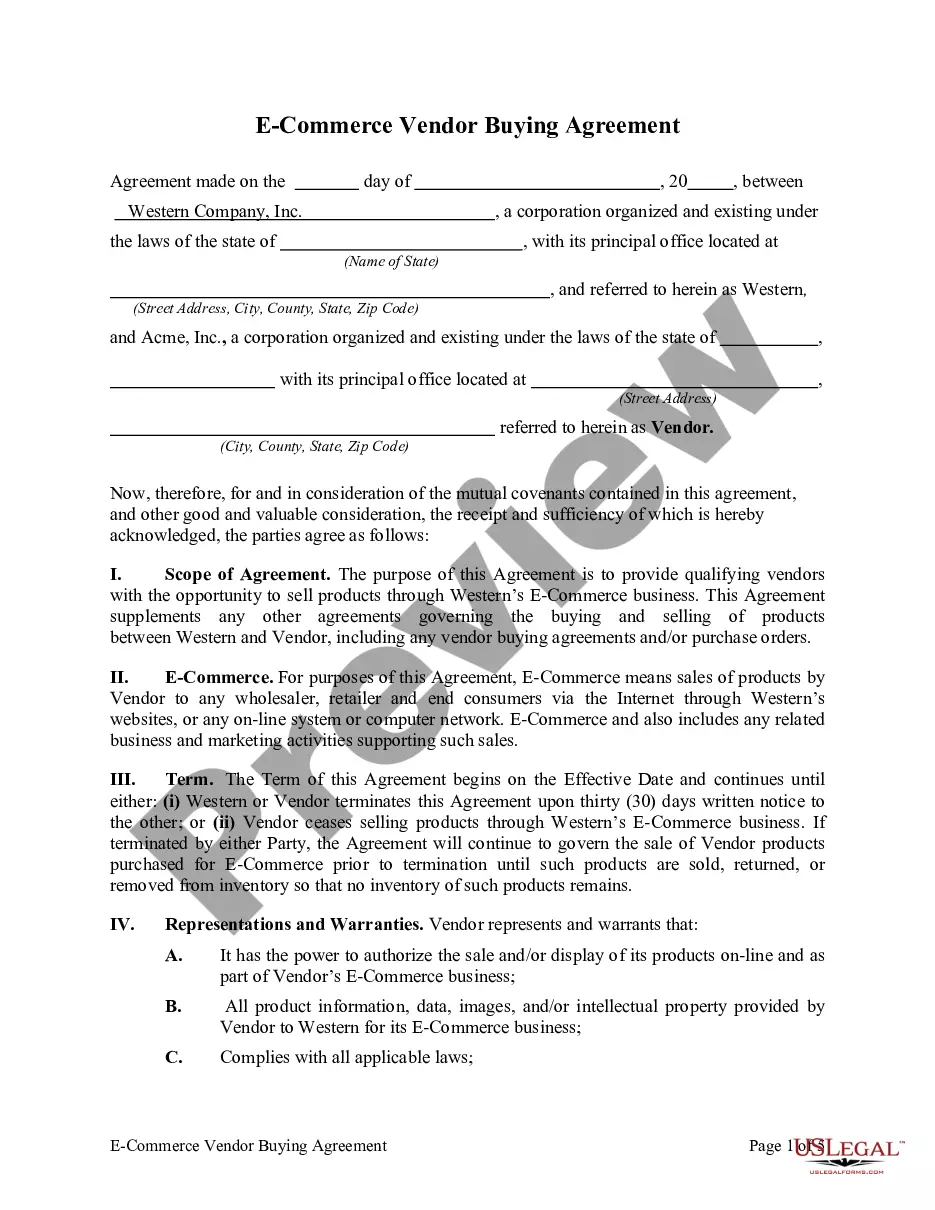
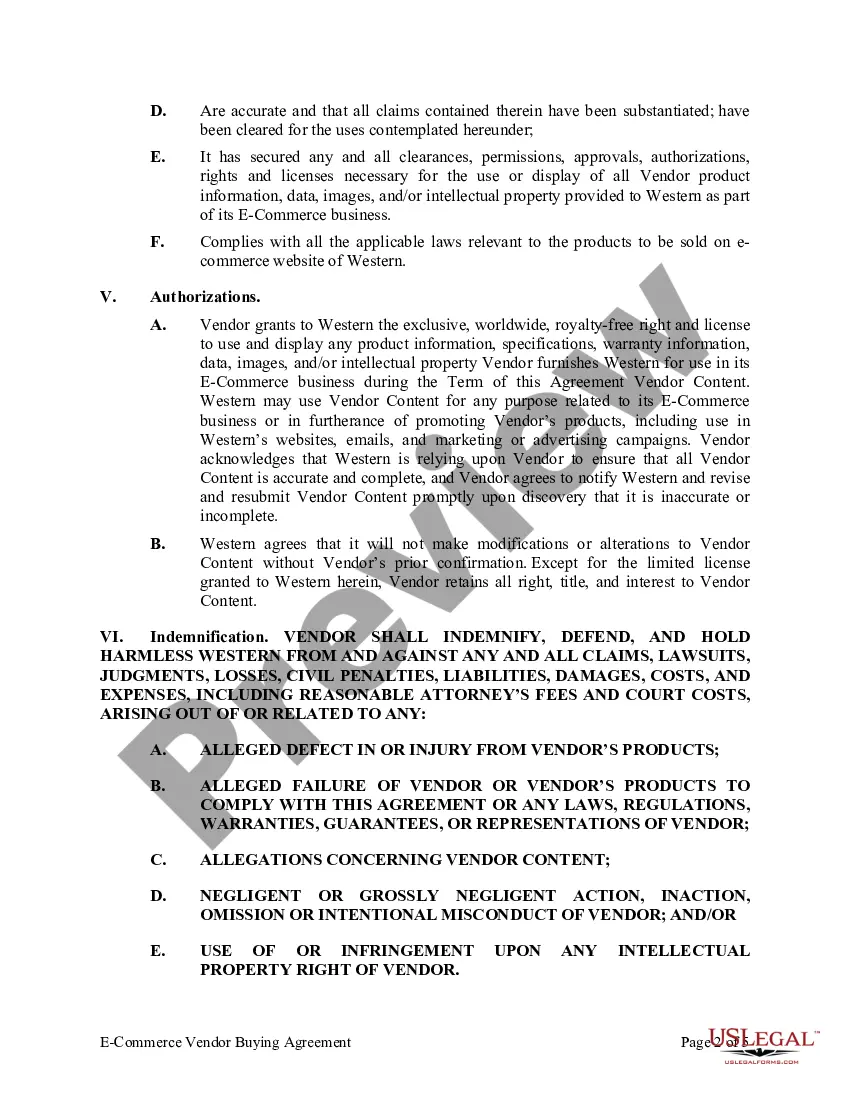
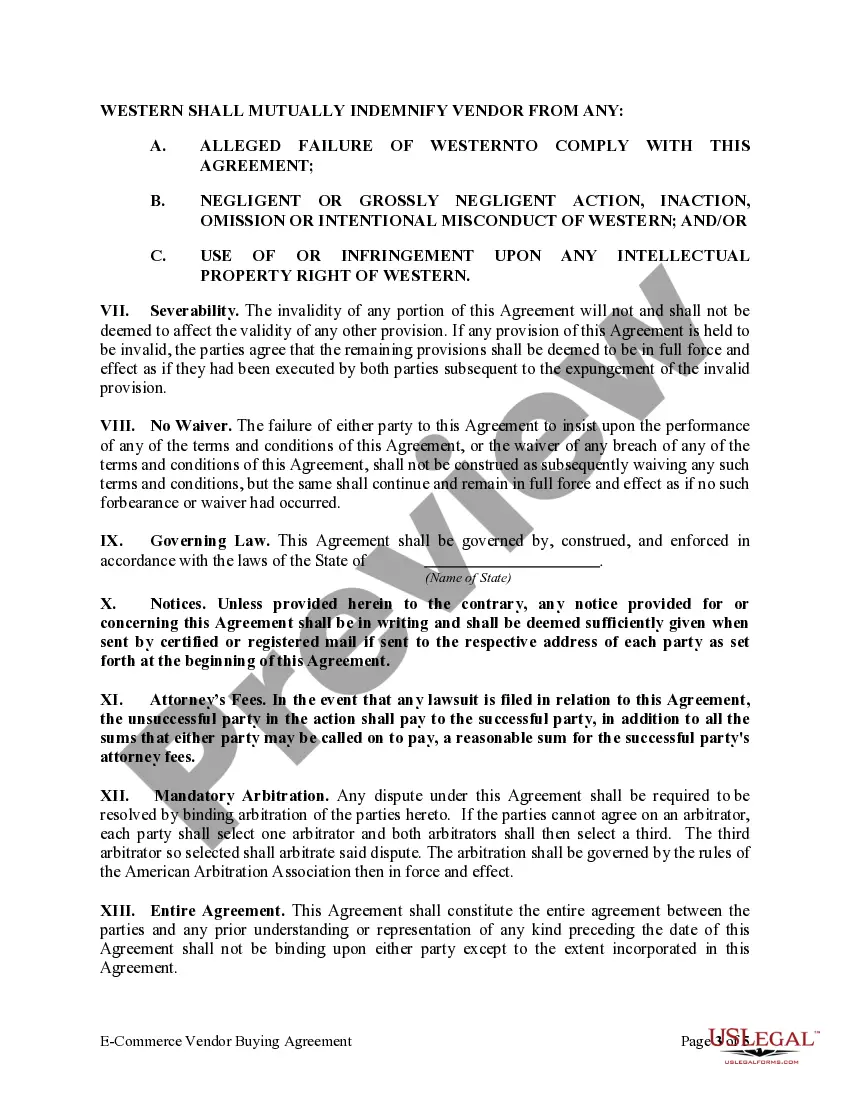
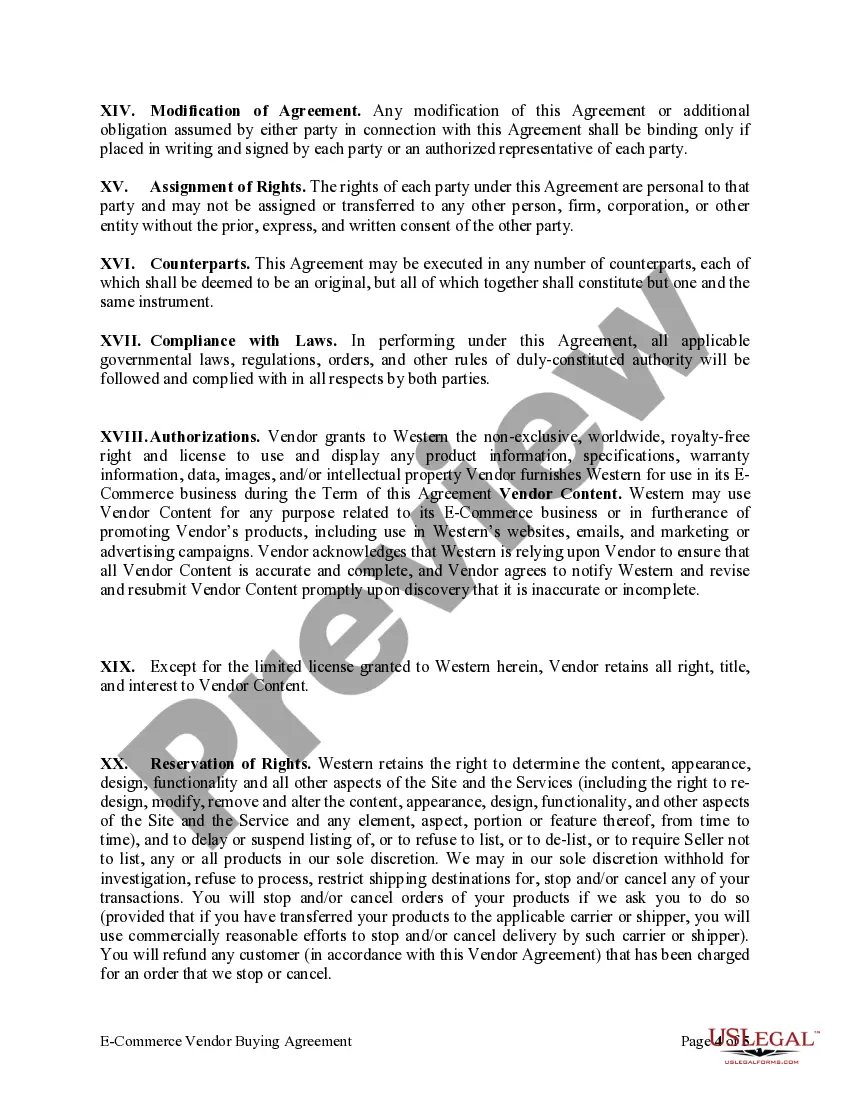
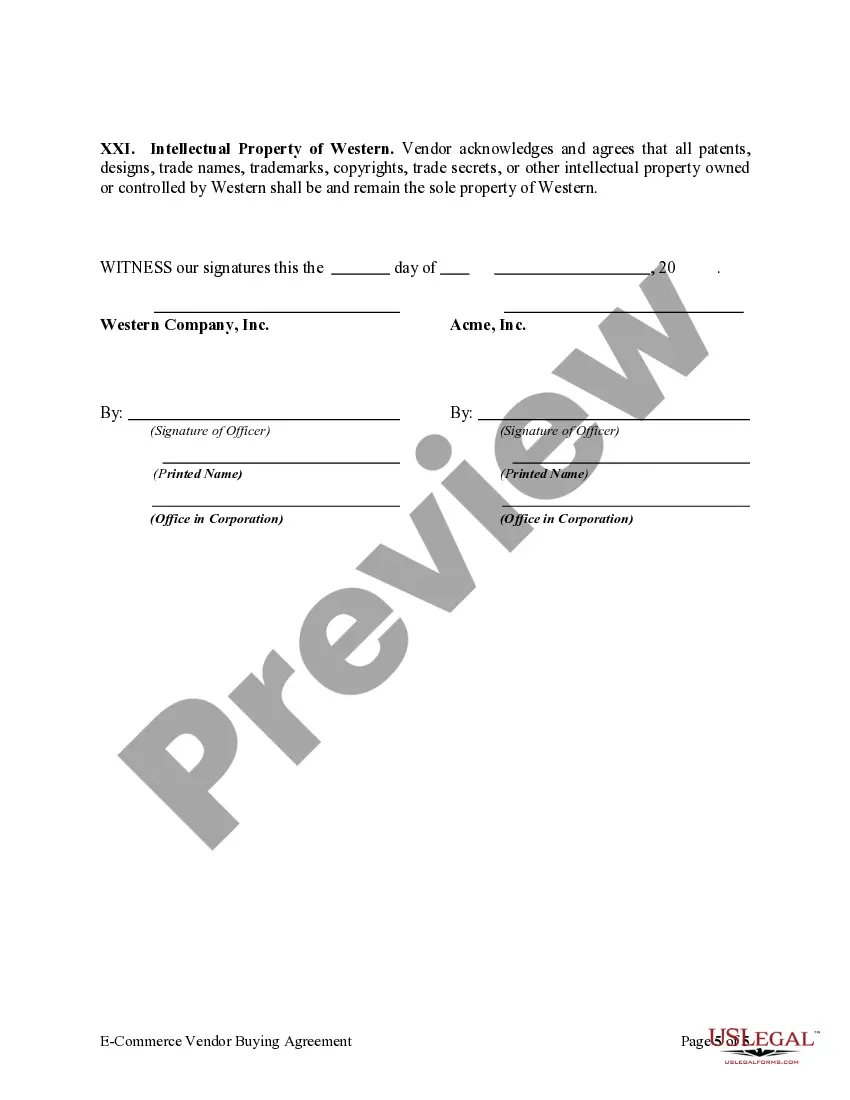
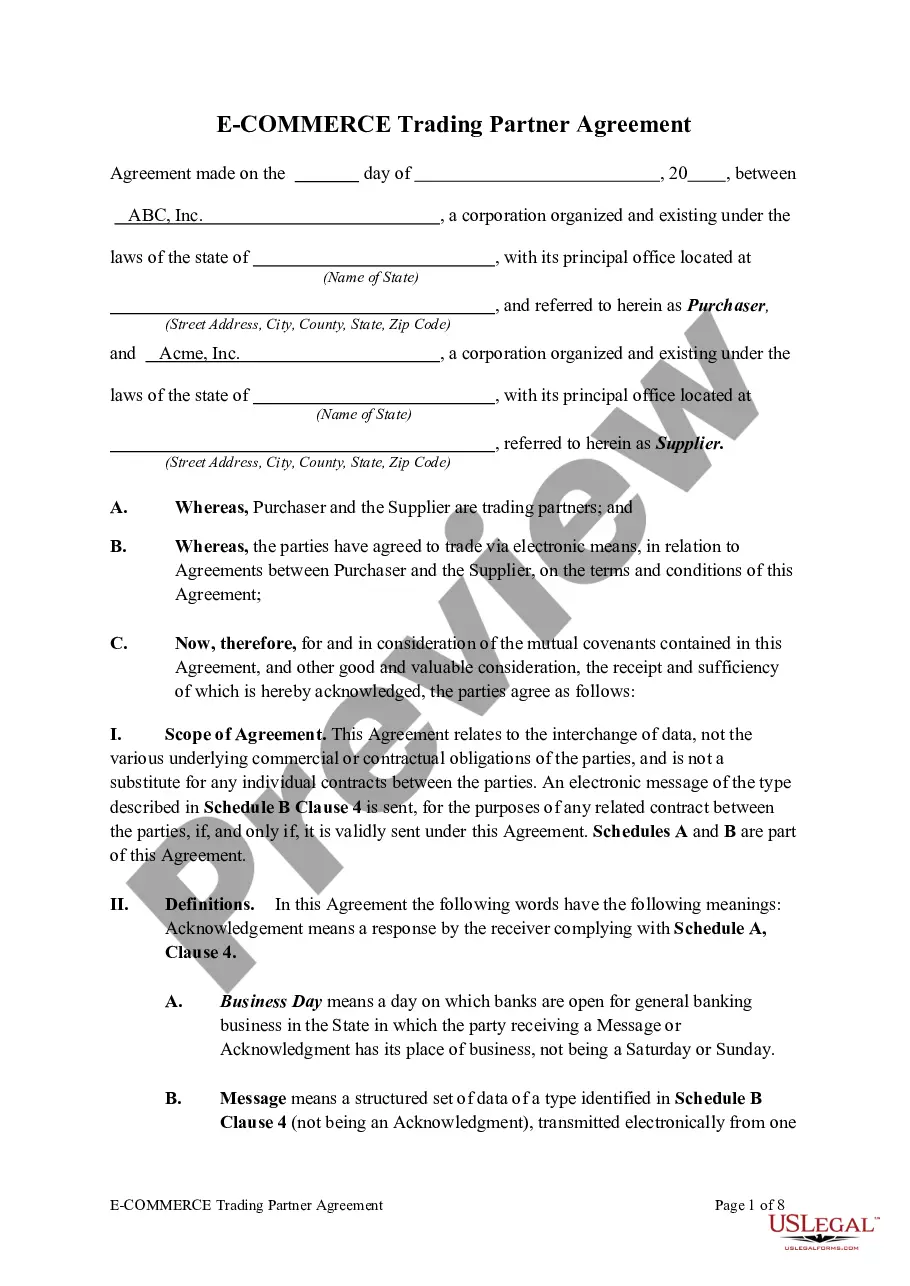
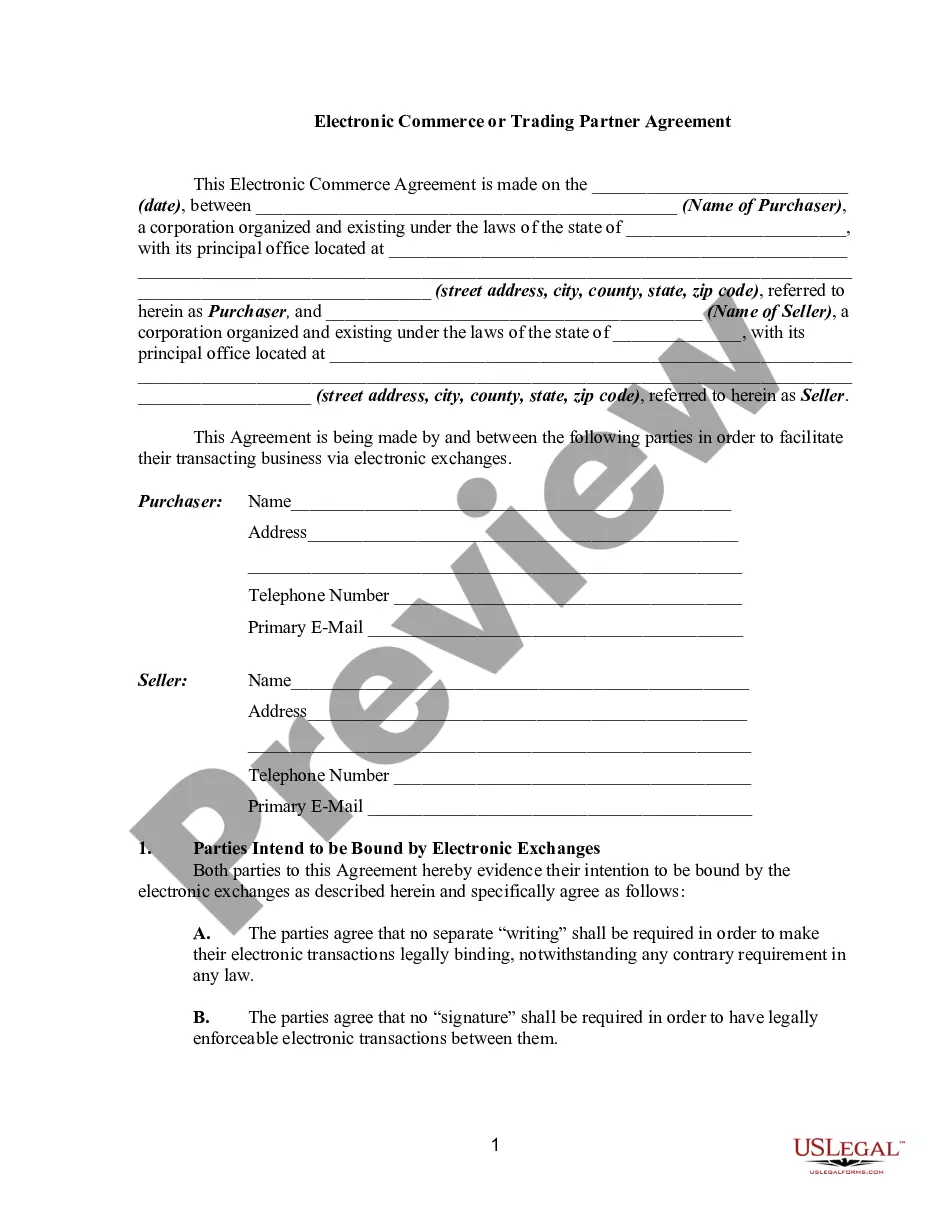
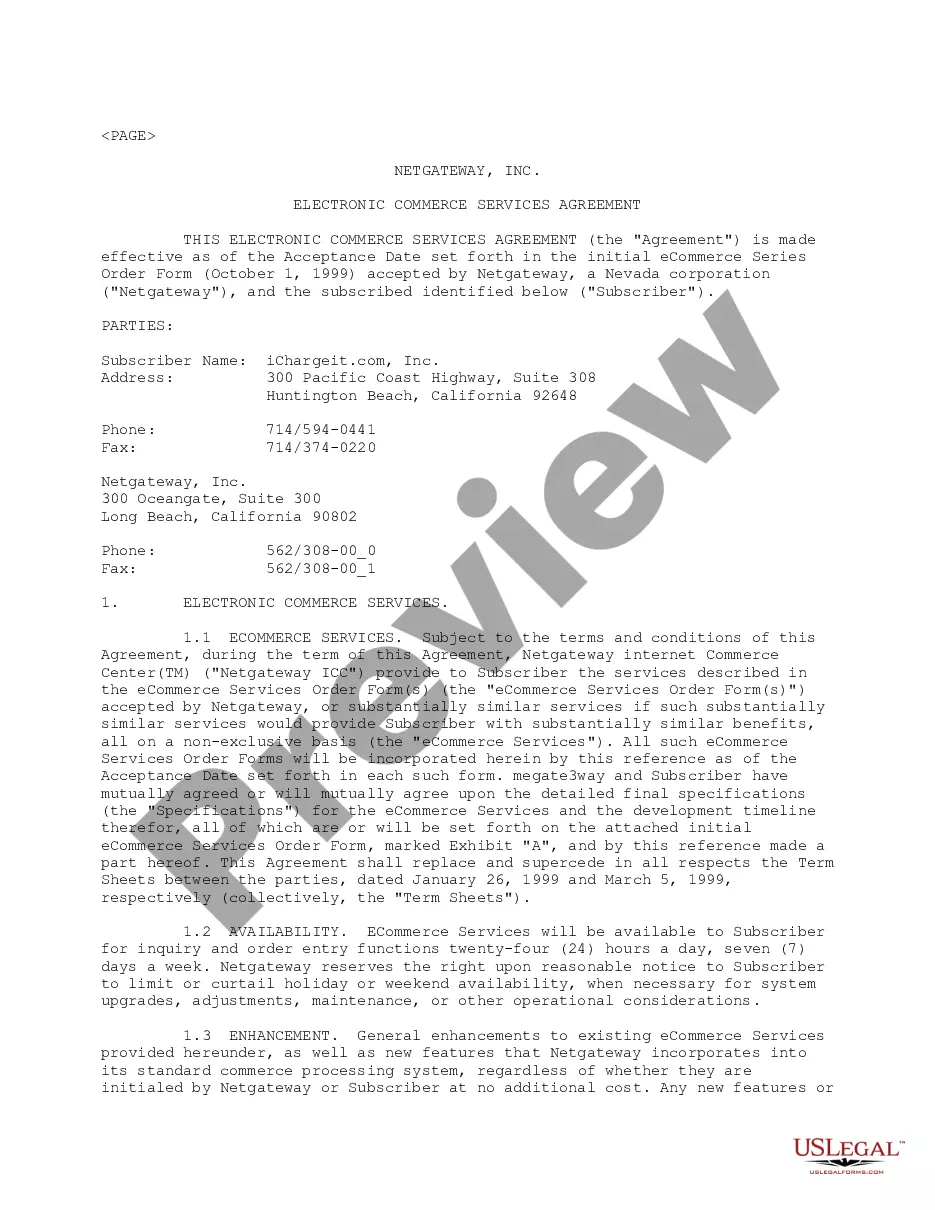
Get your form ready online
Our built-in tools help you complete, sign, share, and store your documents in one place.
Make edits, fill in missing information, and update formatting in US Legal Forms—just like you would in MS Word.
Download a copy, print it, send it by email, or mail it via USPS—whatever works best for your next step.
Sign and collect signatures with our SignNow integration. Send to multiple recipients, set reminders, and more. Go Premium to unlock E-Sign.
If this form requires notarization, complete it online through a secure video call—no need to meet a notary in person or wait for an appointment.
We protect your documents and personal data by following strict security and privacy standards.

Make edits, fill in missing information, and update formatting in US Legal Forms—just like you would in MS Word.

Download a copy, print it, send it by email, or mail it via USPS—whatever works best for your next step.

Sign and collect signatures with our SignNow integration. Send to multiple recipients, set reminders, and more. Go Premium to unlock E-Sign.

If this form requires notarization, complete it online through a secure video call—no need to meet a notary in person or wait for an appointment.

We protect your documents and personal data by following strict security and privacy standards.
Looking for another form?










Form popularity
FAQ
The terms 'vendor' and 'supplier' are often used interchangeably, but they can refer to different roles in the supply chain. Technically, a supplier works in a B2B (business-to-business) context while a vendor works in a B2C (business-to-consumer) context.
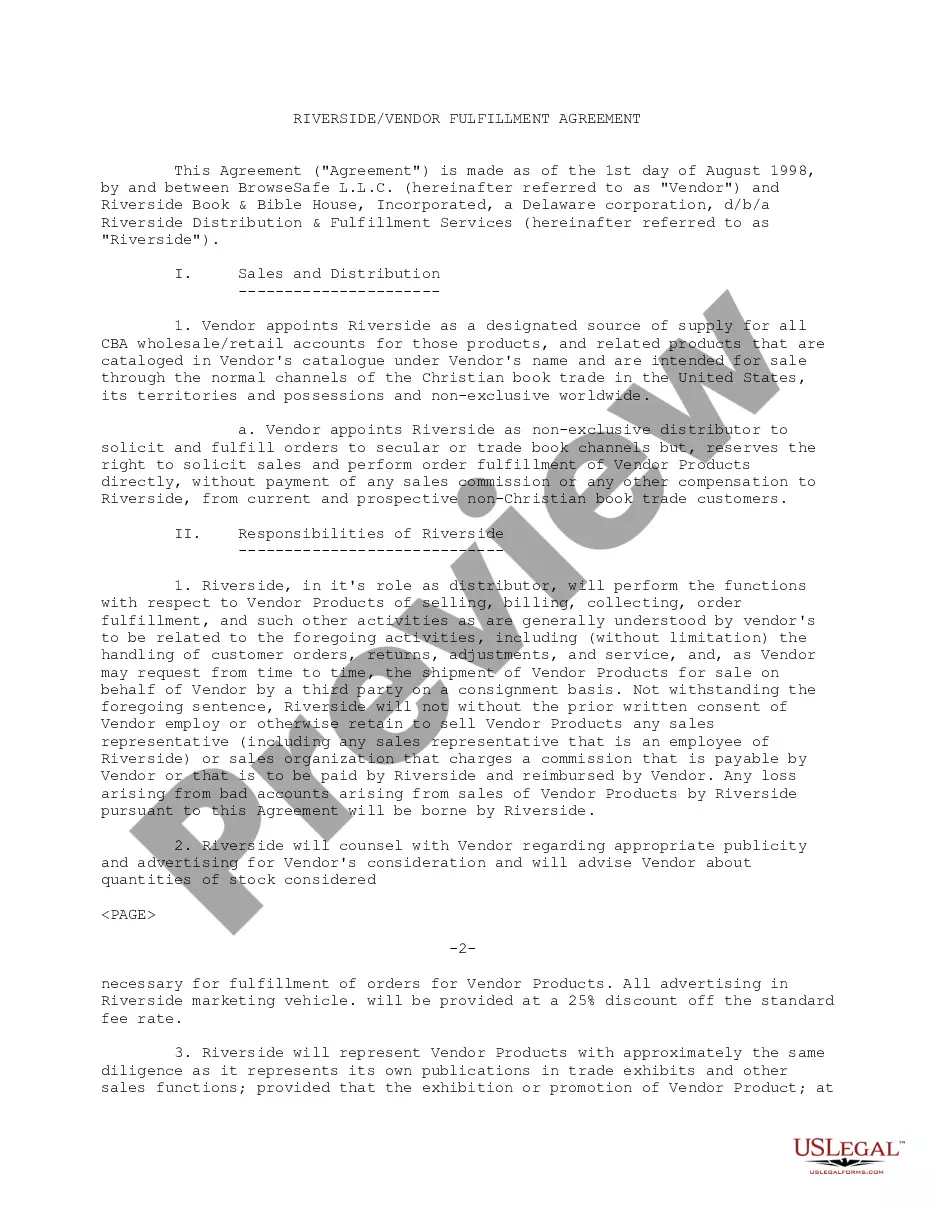
A vendor agreement is a legally binding contract between a business and a vendor that outlines the terms and conditions governing their commercial relationship. This document specifies the obligations, deliverables, payment terms, and other essential provisions to ensure a smooth and transparent engagement.
Suppliers are vital business partners that offers specialized goods, services, or raw materials to another organization, commonly for manufacturing needs. Conversely, a vendor, often considered a type of supplier, is an entity that directly sells finished products or services to consumers or businesses.
Vendor contracts focus on services, performance metrics, and long-term engagements, while supplier contracts are more transactional, centered around the provision of raw materials, products, or goods. Connect with LinkSquares today and discover contract management solutions tailored to your organization's needs.
A vendor contract (otherwise known as a vendor agreement) is a business contract between two parties covering the exchange of goods or services in return for compensation. Vendor contracts establish the business relationship conditions and include details on each party's obligations under the contract.
Step 1: Familiarize Yourself With the Industry. Step 2: Determine Your Business Goals. Step 3: Lay the Foundation to Become a Vendor. Step 4: Get Any Necessary Licensing or Registrations. Step 5: Market to and Network With Your Target Audience. Step 6: Negotiate Your First Sale. Step 7: Learn to Use the Vendor Portal.
A vendor contract (otherwise known as a vendor agreement) is a business contract between two parties covering the exchange of goods or services in return for compensation. Vendor contracts establish the business relationship conditions and include details on each party's obligations under the contract.
Independent contractor relationships are typically project-specific and time-limited, with a defined scope of work and timeline. In contrast, vendor relationships tend to be more ongoing, with vendors providing a consistent supply of goods or services to their clients over an extended period.
10 Different Types of Contracts Type of ContractEveryday Use Implied Contracts Common in everyday transactions like dining out. Express Contracts Standard in formal business agreements. Simple Contracts Used for straightforward services or transactions. Unconscionable Contracts Often challenged in court for fairness.10 more rows •
The vendor must conclude his sale on the first visit of the prospect to his sales space, at the risk of seeing him pass in front of the store, with a competitor's bag under his arm. The salesperson, unlike the vendor, carries out his prospecting himself, generally on the territory that has been given to him.
