Vendor Agreement For Services In Sacramento
Description


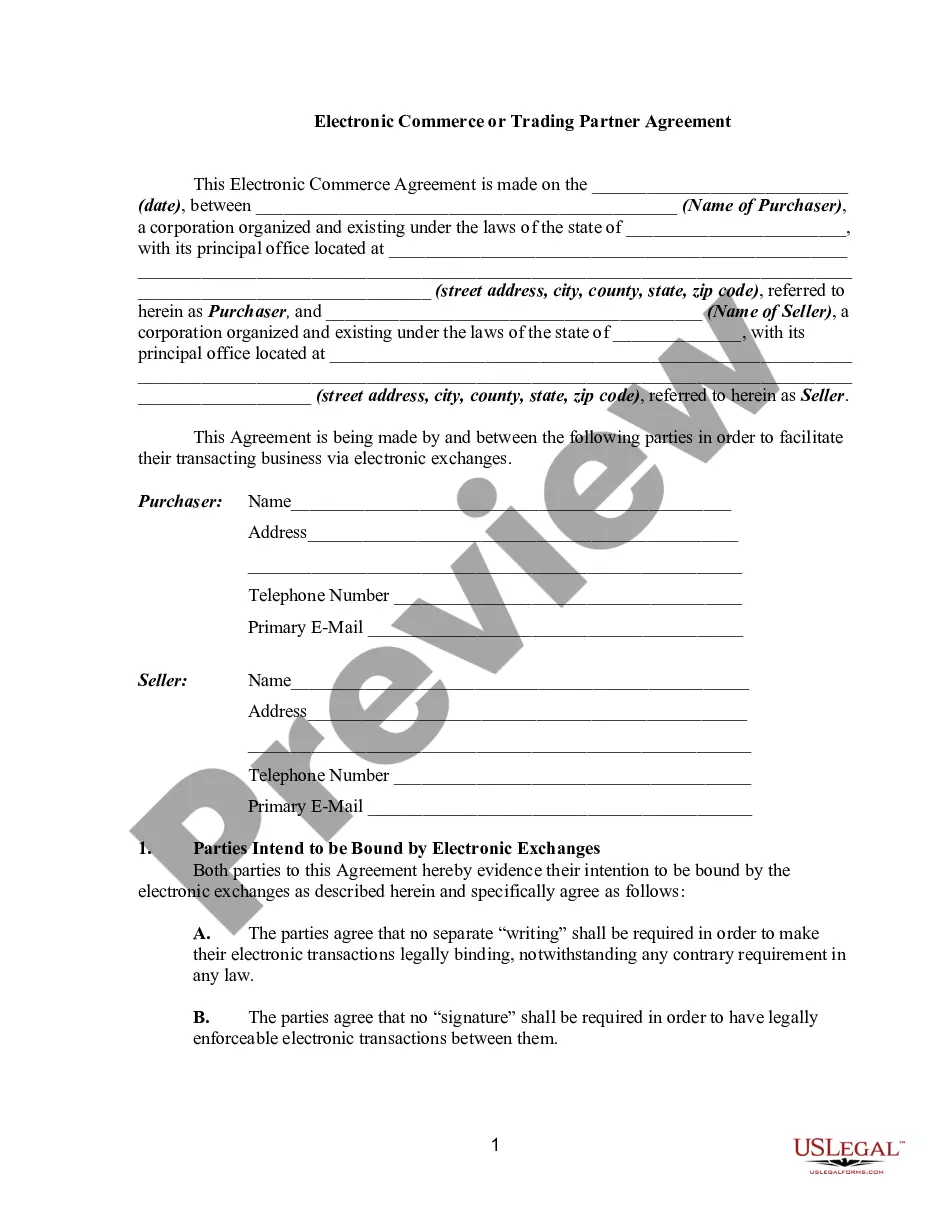
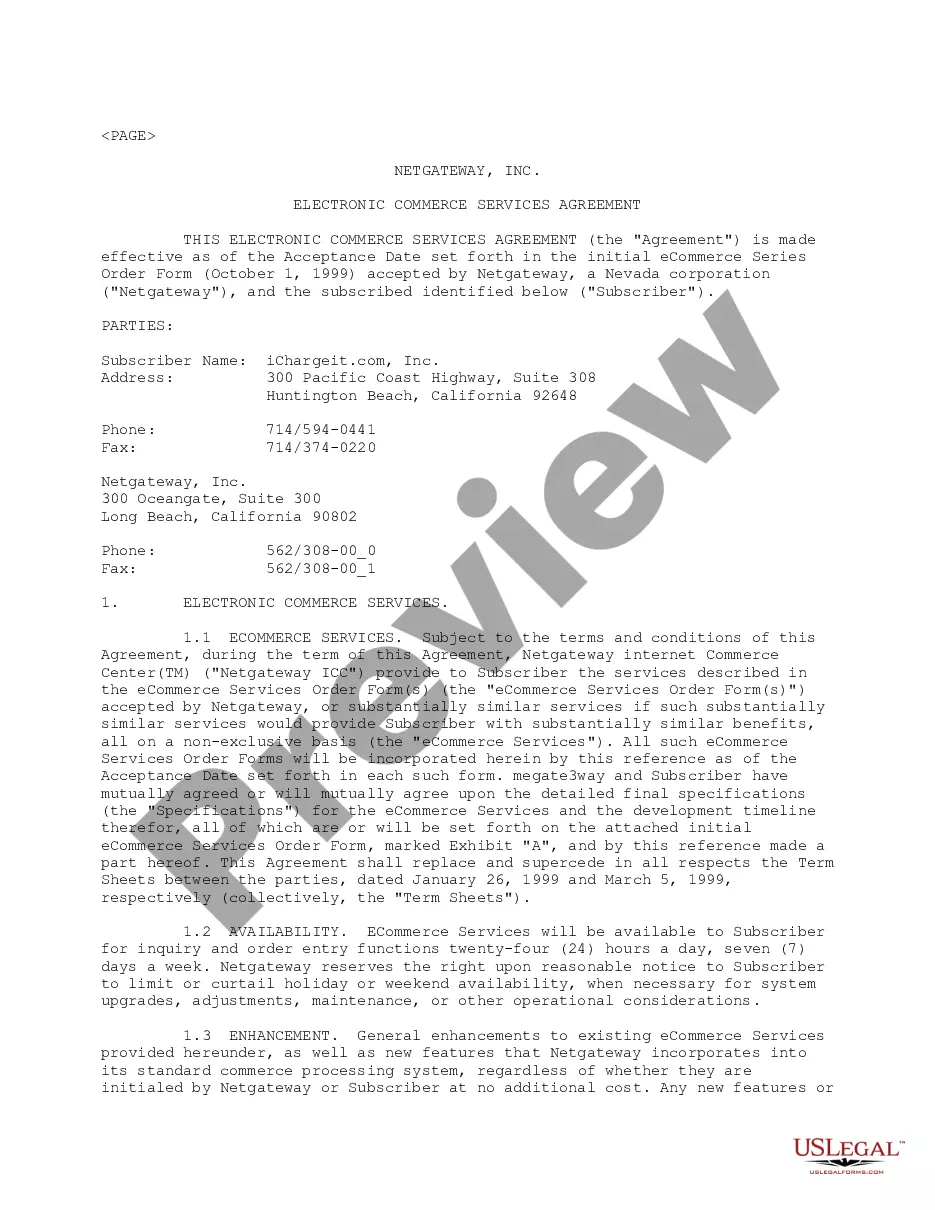
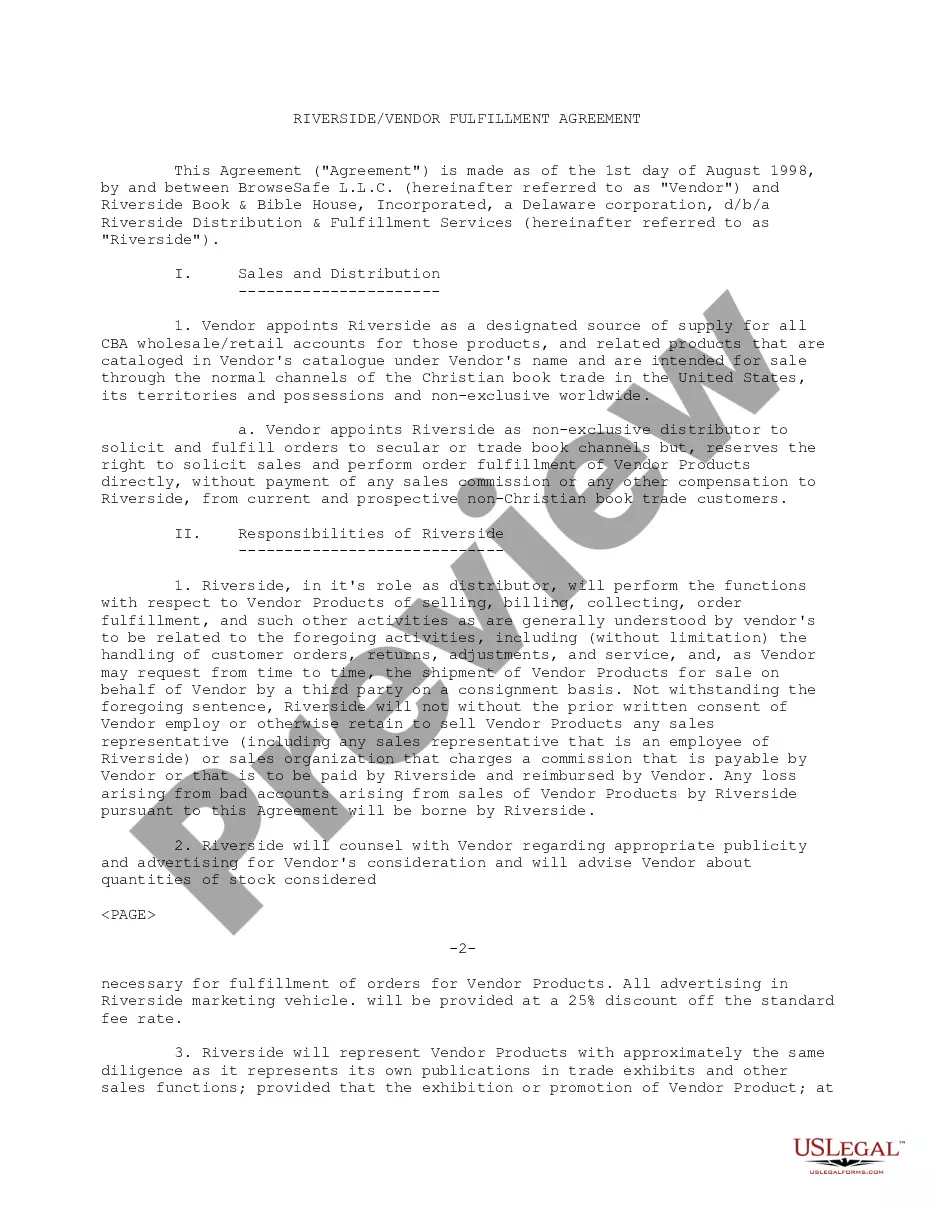
Get your form ready online
Our built-in tools help you complete, sign, share, and store your documents in one place.
Make edits, fill in missing information, and update formatting in US Legal Forms—just like you would in MS Word.
Download a copy, print it, send it by email, or mail it via USPS—whatever works best for your next step.
Sign and collect signatures with our SignNow integration. Send to multiple recipients, set reminders, and more. Go Premium to unlock E-Sign.
If this form requires notarization, complete it online through a secure video call—no need to meet a notary in person or wait for an appointment.
We protect your documents and personal data by following strict security and privacy standards.

Make edits, fill in missing information, and update formatting in US Legal Forms—just like you would in MS Word.

Download a copy, print it, send it by email, or mail it via USPS—whatever works best for your next step.

Sign and collect signatures with our SignNow integration. Send to multiple recipients, set reminders, and more. Go Premium to unlock E-Sign.

If this form requires notarization, complete it online through a secure video call—no need to meet a notary in person or wait for an appointment.

We protect your documents and personal data by following strict security and privacy standards.
Looking for another form?







Form popularity
FAQ
A vendor contract (otherwise known as a vendor agreement) is a business contract between two parties covering the exchange of goods or services in return for compensation.
A service level agreement (SLA) is an outsourcing and technology vendor contract that outlines a level of service that a supplier promises to deliver to the customer. It outlines metrics such as uptime, delivery time, response time, and resolution time.
How to read a Contract : A Step-by-Step Guide 1- Understand the contract structure. 2- Familiarize yourself with the different sections. 3- Follow the "three passes" approach. 4- Watch out for missing provisions. 5- Be cautious of potential pitfalls. 6- Fill in any blanks. 7- Consider other incorporated documents:
A vendor contract (otherwise known as a vendor agreement) is a business contract between two parties covering the exchange of goods or services in return for compensation. Vendor contracts establish the business relationship conditions and include details on each party's obligations under the contract.
How do you terminate vendor contracts when necessary? Review the contract terms. Be the first to add your personal experience. Communicate with the vendor. Be the first to add your personal experience. Send a termination letter. Complete the termination process. Here's what else to consider.
A vendor contract (otherwise known as a vendor agreement) is a business contract between two parties covering the exchange of goods or services in return for compensation. Vendor contracts establish the business relationship conditions and include details on each party's obligations under the contract.
Step 1: Familiarize Yourself With the Industry. Step 2: Determine Your Business Goals. Step 3: Lay the Foundation to Become a Vendor. Step 4: Get Any Necessary Licensing or Registrations. Step 5: Market to and Network With Your Target Audience. Step 6: Negotiate Your First Sale. Step 7: Learn to Use the Vendor Portal.
A vendor agreement is a legal document that stipulates the provisions regarding the work performed by the vendor. It is a contract that specifies the conditions regarding the performance of certain work. Vendor Agreements can be made for many purposes like office supplies, consultants, technology, services.
A vendor form is a standardized registration form that companies use to collect essential information from current or potential vendors. A vendor application form can serve as the initial step in the vendor selection process.
The VMO is a dedicated department that is responsible for managing vendor relationships, contracts, and performance. It acts as the central point of contact for all vendor-related activities and ensures that all vendors are managed effectively and efficiently.
