Corporation First Meeting With Mentor In Wayne
Description
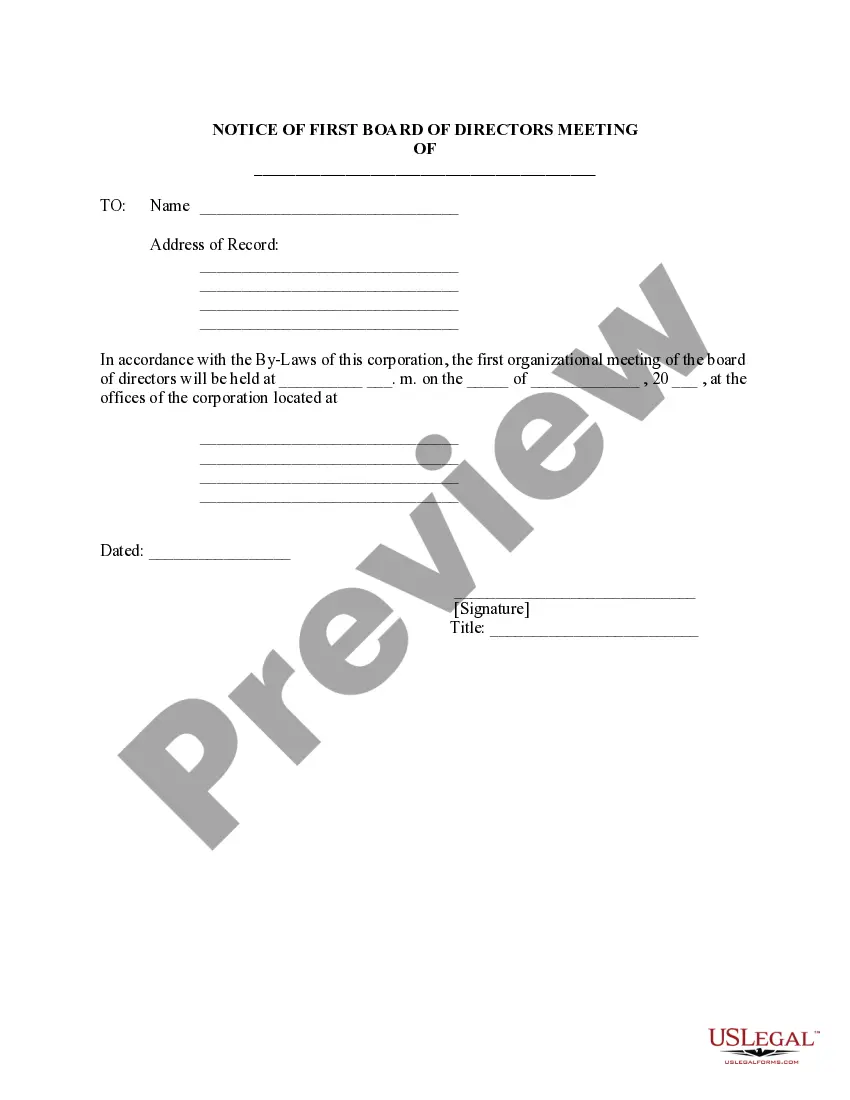


Get your form ready online
Our built-in tools help you complete, sign, share, and store your documents in one place.
Make edits, fill in missing information, and update formatting in US Legal Forms—just like you would in MS Word.
Download a copy, print it, send it by email, or mail it via USPS—whatever works best for your next step.
Sign and collect signatures with our SignNow integration. Send to multiple recipients, set reminders, and more. Go Premium to unlock E-Sign.
If this form requires notarization, complete it online through a secure video call—no need to meet a notary in person or wait for an appointment.
We protect your documents and personal data by following strict security and privacy standards.

Make edits, fill in missing information, and update formatting in US Legal Forms—just like you would in MS Word.

Download a copy, print it, send it by email, or mail it via USPS—whatever works best for your next step.

Sign and collect signatures with our SignNow integration. Send to multiple recipients, set reminders, and more. Go Premium to unlock E-Sign.

If this form requires notarization, complete it online through a secure video call—no need to meet a notary in person or wait for an appointment.

We protect your documents and personal data by following strict security and privacy standards.
Looking for another form?
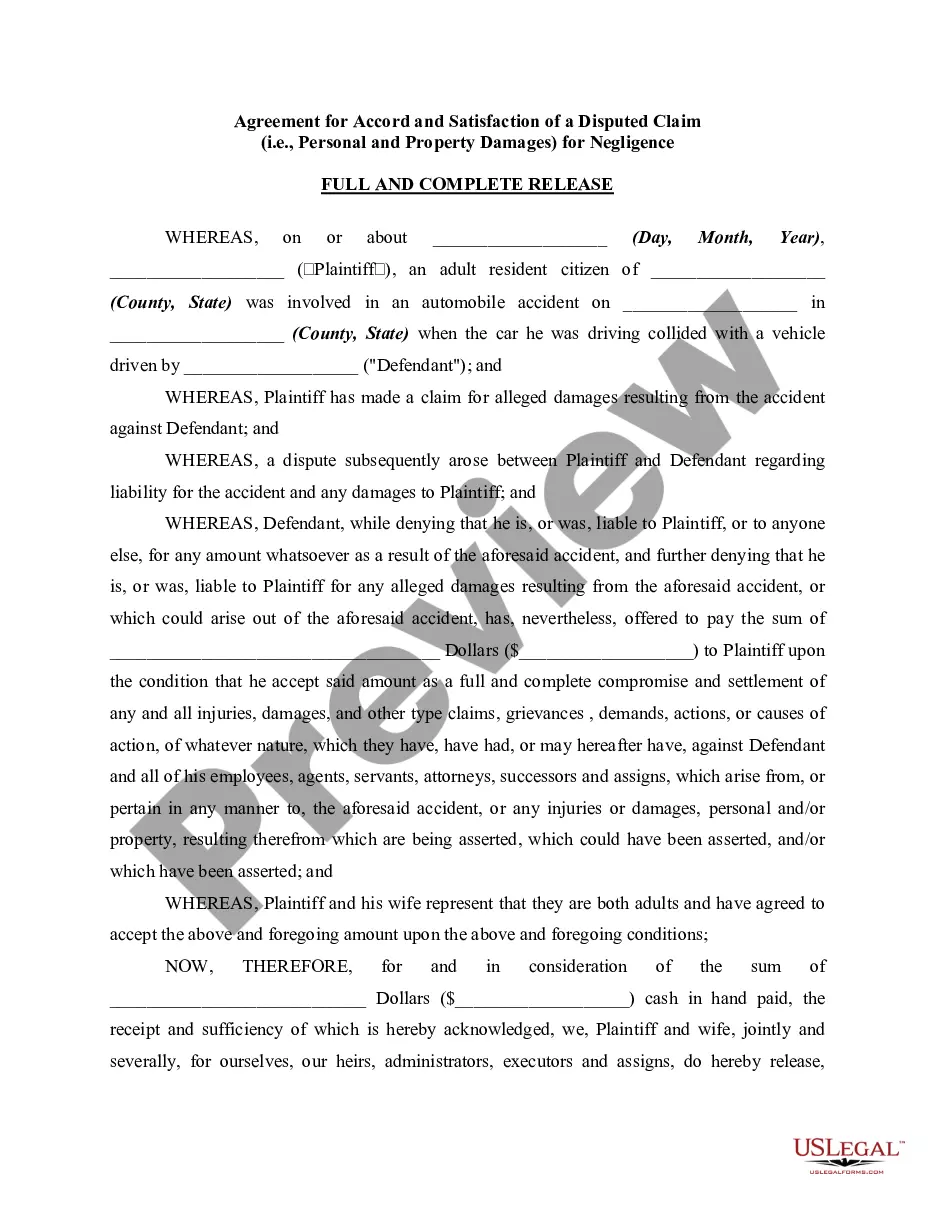
Form popularity
FAQ
An email or call to your mutual connection asking for an introduction should be short and simple. Tell them you have set some goals related to (name the area of your life you chose earlier) and you understand that (potential mentor) could be a great person to help you grow in that direction.
Document Information. The document describes the Five Cs Model of Mentoring, which provides a structured approach to mentoring sessions. The model involves discussing Challenges, Choices, Consequences, Creative Solutions, and Conclusions.
In your email: Schedule an initial conversation. Ask your potential mentor if he or she can make time for an hour meeting with you. You don't want to be rushed, and you want plenty of time for the other person to ask you questions about your goals, etc.
Introductions: - Share your background, education, and current role or situation. - Ask your mentor about their career path and experiences. Goals and Expectations: - Discuss what you hope to achieve through the mentorship. Mentor's Expertise: - Inquire about your mentor's areas of expertise and interests.
Preparing for and Structuring Your First Mentor Meeting Build rapport: learn about each other, discuss personal and professional history, look for common ground. Discuss mentoring topics: such as skill-related, career story, situational advice, and leadership topics.
What are you looking for in this mentoring relationship? What do you hope to gain? What can I do to support the way that you work or think? How do you like to communicate and how would you like to be communicated with?
What is a mentor meeting. A mentor meeting is a scheduled session where a mentor and mentee come together to discuss and work on various aspects of the mentee's personal or professional development. The mentor is more experienced than the mentee and they don't necessarily work in the same vertical or company.
Career development is a core element of mentorship. Discussing topics such as career goals, advancement opportunities, and strategies for professional growth can be invaluable. Am I heading in the right direction for my next career/role?
1. Check-in on what has transpired since your last meeting. 2. Share any successes you have had in applying what you have learned from your mentor (important!). 3. Introduce a topic or question for the current meeting. 4. Continue the conversation with additional questions you have prepared ahead of time.

