Stockholders Corporate Resolutions Withdrawal In Chicago
Description
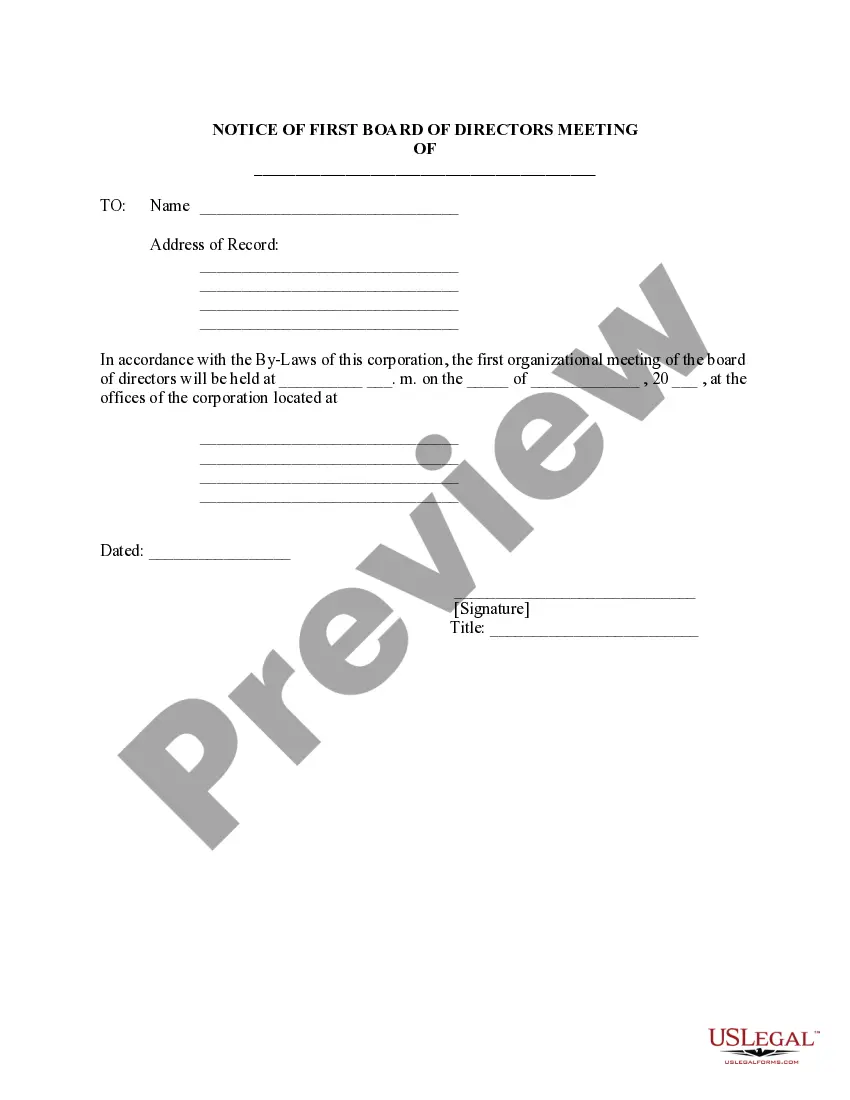


Get your form ready online
Our built-in tools help you complete, sign, share, and store your documents in one place.
Make edits, fill in missing information, and update formatting in US Legal Forms—just like you would in MS Word.
Download a copy, print it, send it by email, or mail it via USPS—whatever works best for your next step.
Sign and collect signatures with our SignNow integration. Send to multiple recipients, set reminders, and more. Go Premium to unlock E-Sign.
If this form requires notarization, complete it online through a secure video call—no need to meet a notary in person or wait for an appointment.
We protect your documents and personal data by following strict security and privacy standards.

Make edits, fill in missing information, and update formatting in US Legal Forms—just like you would in MS Word.

Download a copy, print it, send it by email, or mail it via USPS—whatever works best for your next step.

Sign and collect signatures with our SignNow integration. Send to multiple recipients, set reminders, and more. Go Premium to unlock E-Sign.

If this form requires notarization, complete it online through a secure video call—no need to meet a notary in person or wait for an appointment.

We protect your documents and personal data by following strict security and privacy standards.
Looking for another form?

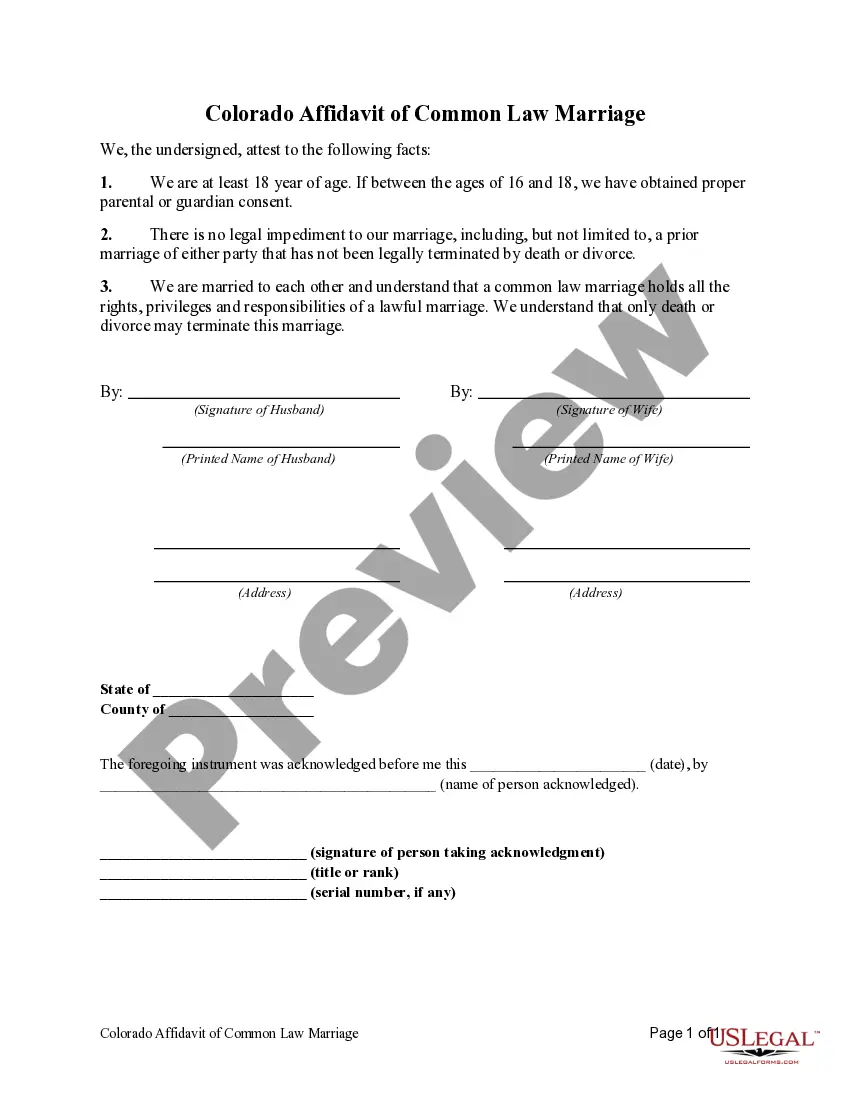


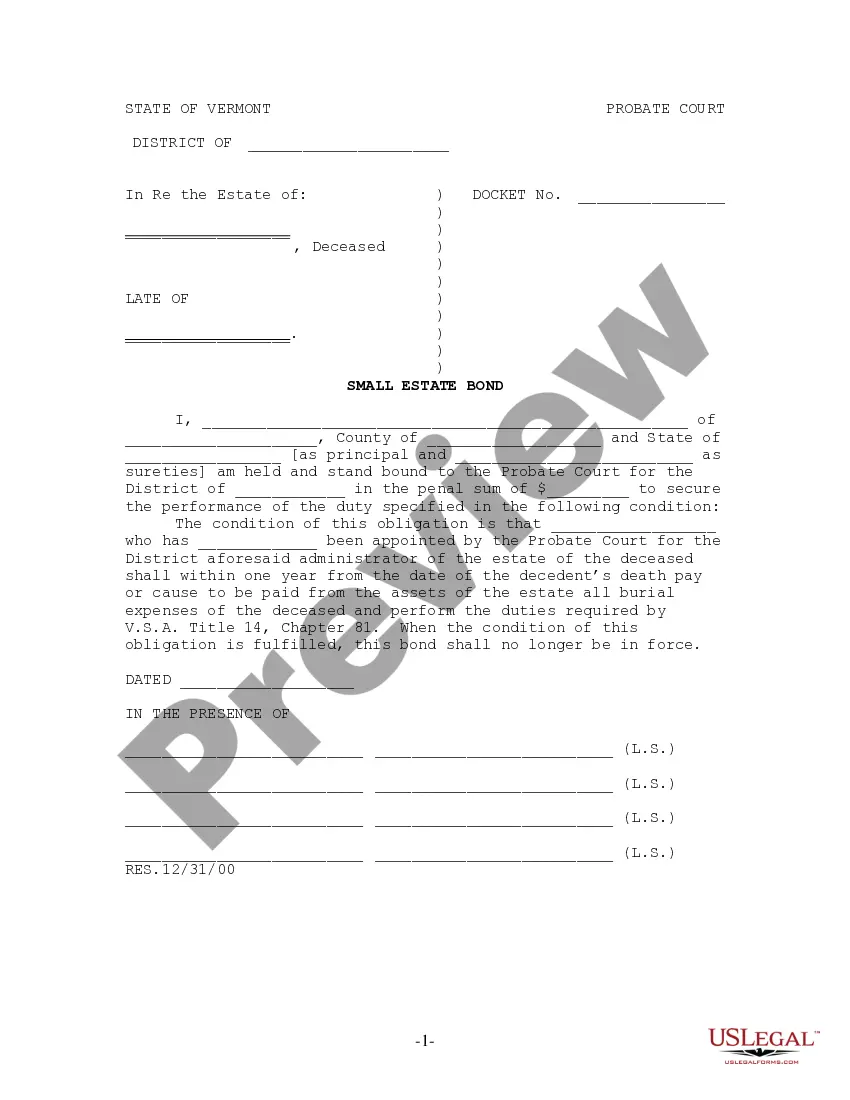





Form popularity
FAQ
Guidelines for Valid Corporate Resolutions. The certification must bear an original signature by an officer of the corporation, (preferably the secretary), and this signature must be someone other than the person who signed the RFP, RFQ, RFI, etc.
What should corporate resolutions include? Your corporation's name. Date, time and location of meeting. Statement of unanimous approval of resolution. Confirmation that the resolution was adopted at a regularly called meeting. Resolution. Statement authorizing officers to carry out the resolution.
A corporate resolution is a written document created by the board of directors of a company detailing a binding corporate action. A board of directors is a group of people that act as a governing body on behalf of the shareholders of a company.
For example, an organization may draft a corporate resolution to document changes to its governance structure, or to approve compensation changes for the board of directors. When determining the compensation packages for top executives, a corporate resolution outlines the board's decision and justifications.
7 steps for writing a resolution Put the date and resolution number at the top. Give the resolution a title that relates to the decision. Use formal language. Continue writing out each critical statement. Wrap up the heart of the resolution in the last statement.
What Should a Resolution Include? the company name. the date the resolution was passed. a title that describes the action taken such as "resolution to open a checking account" details of the action taken, and. signatures of the members who agreed to pass the resolution.
The name must include one of the following words or abbreviations: Corporation or Corp. Company or Co. Incorporated or Inc.
Resolutions begin with "Whereas" statements, which provides the basic facts and reasons for the resolution, and conclude with "Resolved" statements which, identifies the specific proposal for the requestor's course of action.
One of the fundamental rights of a shareholder is the right to withdraw from the corporation. The General Law of Commercial Corporations (the “Law”) regulates this right in Articles 15 and 220.
A shareholder in a listed company on a stock exchange merely needs to place his or her shares for sale with the appropriate agency to exit his/her investment. This is a very straightforward transaction which occurs almost instantaneously and allows a shareholder to exit his or her interest in that company.

