Stockholders Meeting Resolution With Crown In Alameda
Description
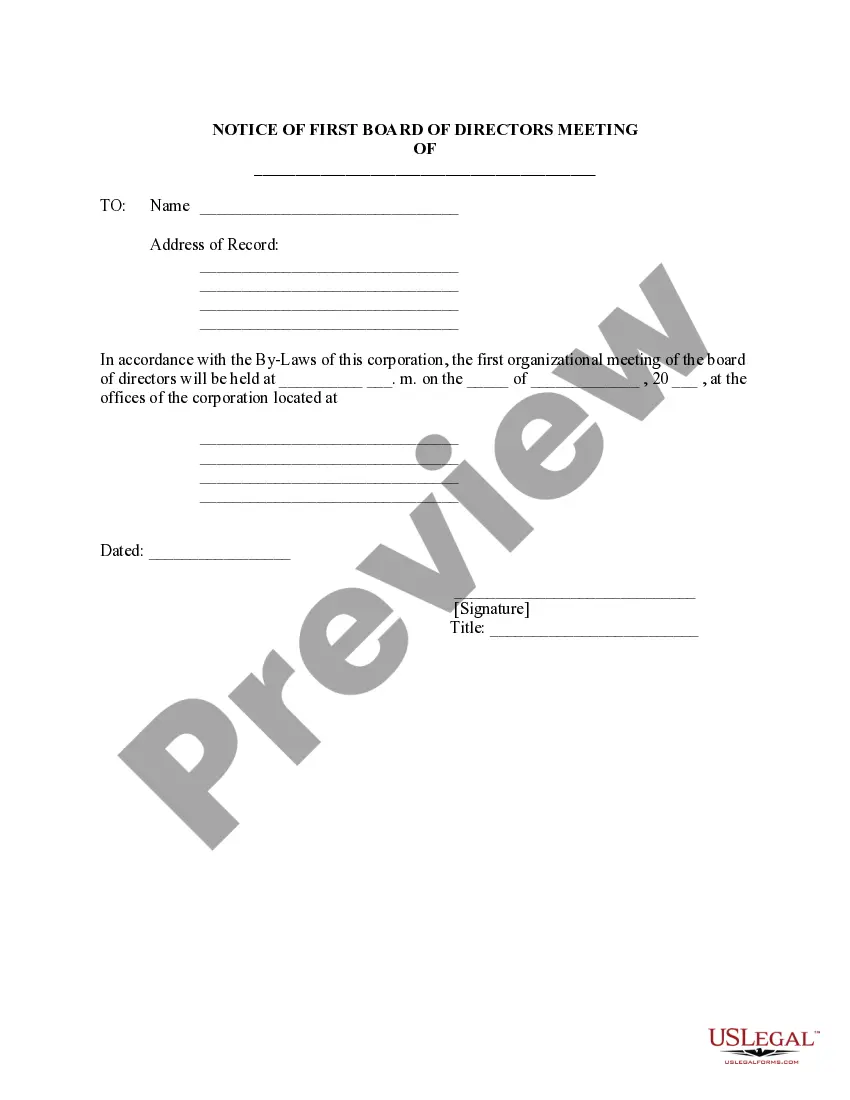


Get your form ready online
Our built-in tools help you complete, sign, share, and store your documents in one place.
Make edits, fill in missing information, and update formatting in US Legal Forms—just like you would in MS Word.
Download a copy, print it, send it by email, or mail it via USPS—whatever works best for your next step.
Sign and collect signatures with our SignNow integration. Send to multiple recipients, set reminders, and more. Go Premium to unlock E-Sign.
If this form requires notarization, complete it online through a secure video call—no need to meet a notary in person or wait for an appointment.
We protect your documents and personal data by following strict security and privacy standards.

Make edits, fill in missing information, and update formatting in US Legal Forms—just like you would in MS Word.

Download a copy, print it, send it by email, or mail it via USPS—whatever works best for your next step.

Sign and collect signatures with our SignNow integration. Send to multiple recipients, set reminders, and more. Go Premium to unlock E-Sign.

If this form requires notarization, complete it online through a secure video call—no need to meet a notary in person or wait for an appointment.

We protect your documents and personal data by following strict security and privacy standards.
Looking for another form?








Form popularity
FAQ
Superior Court of Alameda County.
(b) Declaration regarding notice (3) That, for reasons specified, the applicant should not be required to inform the opposing party.
Text of Rule 3.5. It specifies circumstances when ex parte communications with judges, judicial officers and personnel, and jurors are prohibited. It is preferable to the Model Rule, which simply provides for a blanket prohibition “unless authorized to do so by law or court order.”
(a) Fields occupied No trial court, or any division or branch of a trial court, may enact or enforce any local rule concerning these fields. All local rules concerning these fields are null and void unless otherwise permitted or required by a statute or a rule in the California Rules of Court.
Rule 3.31. Unless otherwise authorized by the court, discovery meet and confer obligations require an in-person, telephonic, or video conference between parties.
The Superior Court of Alemeda County, Local Rules, rule 3.30(c) directs that a filing party must deliver to the clerk in the assigned department “an identical courtesy copy of any paper filed, lodged, or otherwise submitted in support of, in opposition to, or in connection with any motion or application.”
In every case, to present an ex parte application to the court, a party must: reserve a hearing date with the applicable department (for applications that require a hearing.) ... file the motion with the court, and. give notice of the hearing date as required by law.

