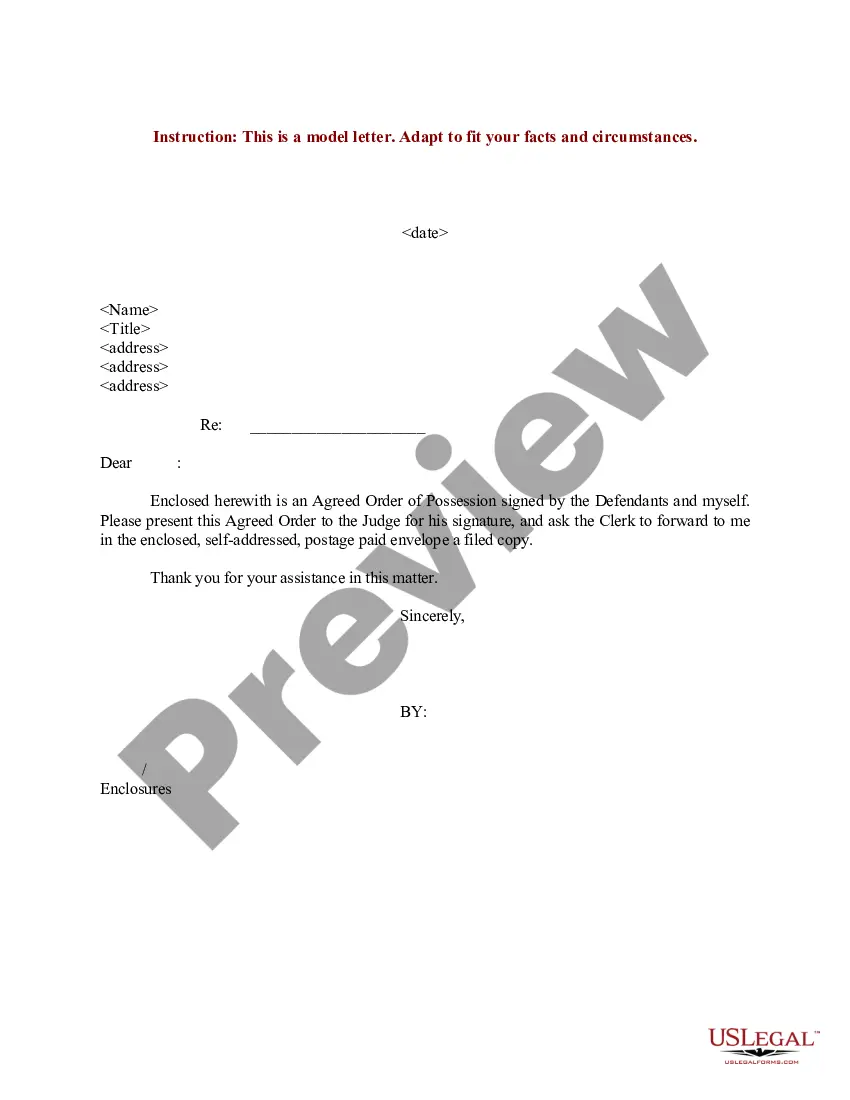
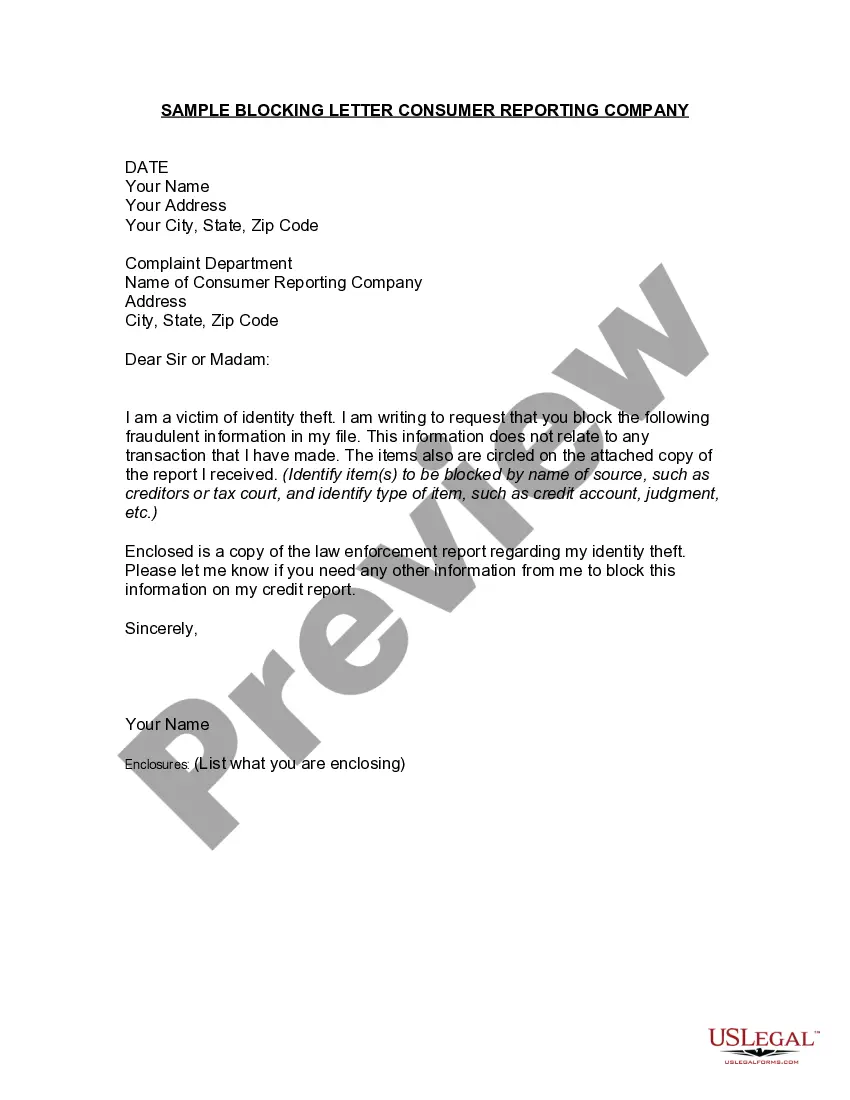
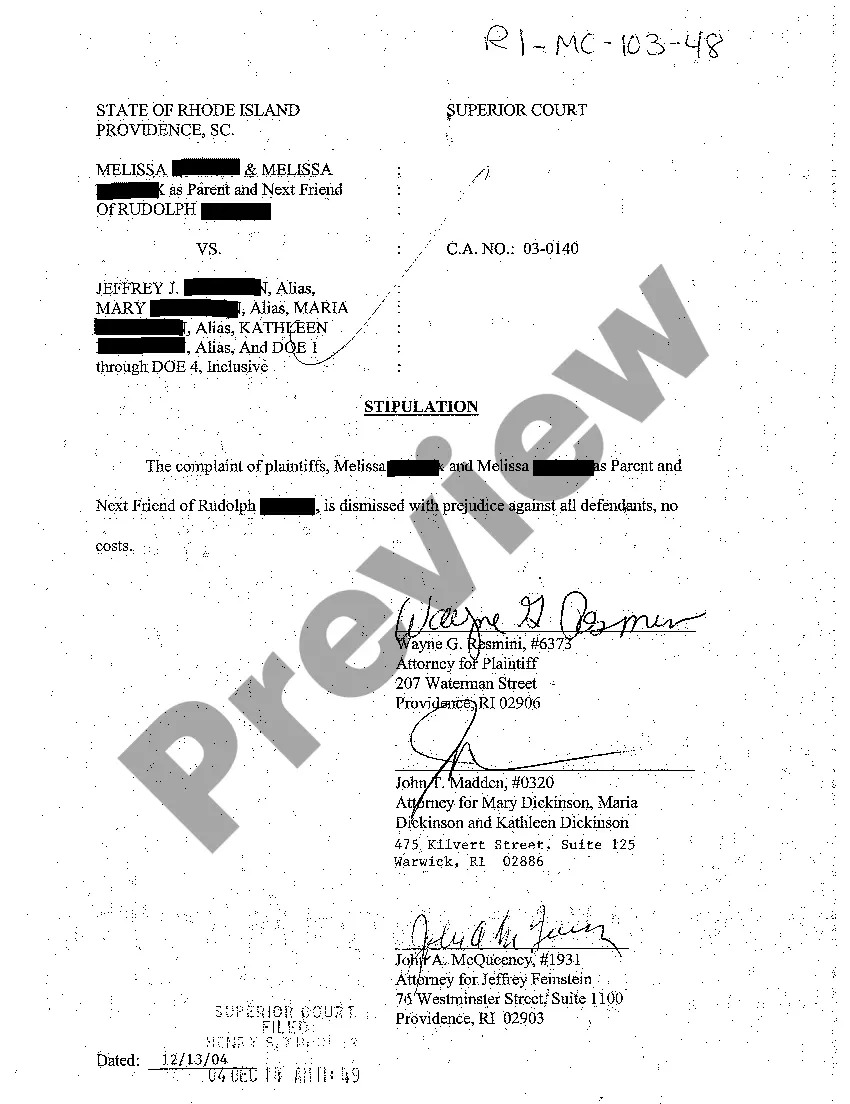
Letter To Court Template For Driving Offence In Pennsylvania
Description
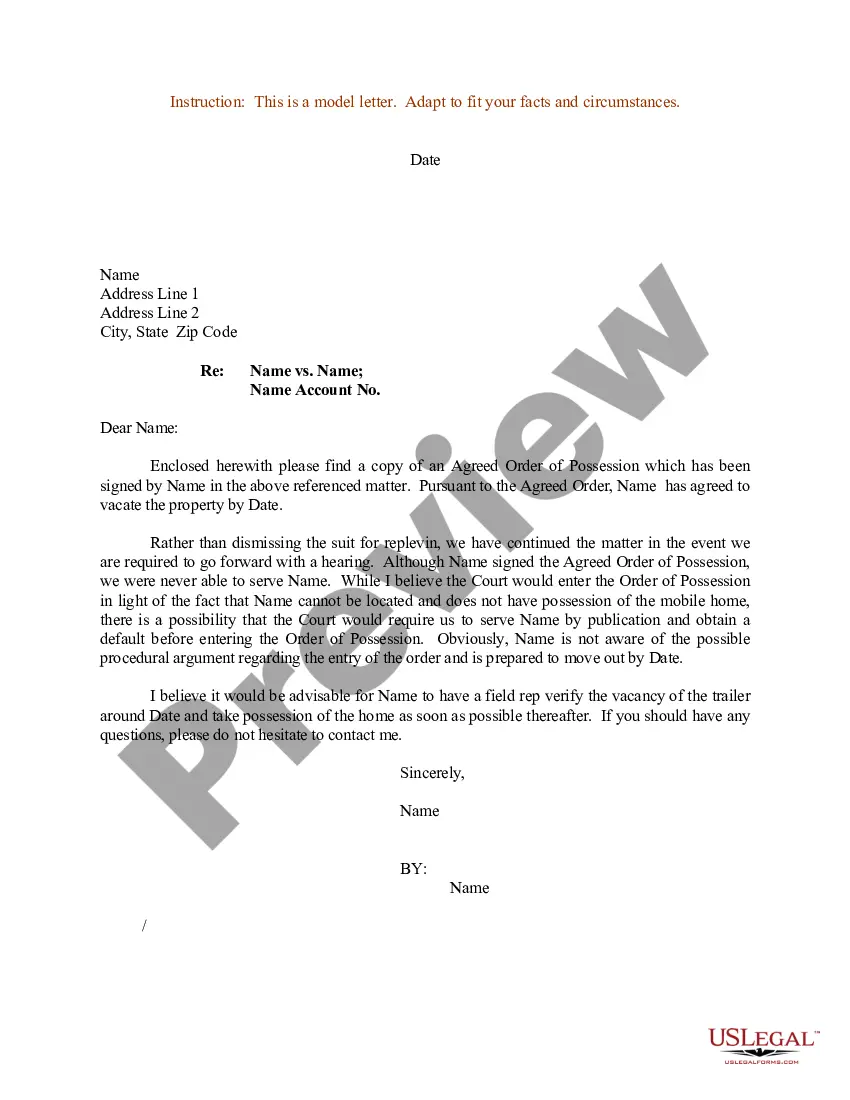
Get your form ready online
Our built-in tools help you complete, sign, share, and store your documents in one place.
Make edits, fill in missing information, and update formatting in US Legal Forms—just like you would in MS Word.
Download a copy, print it, send it by email, or mail it via USPS—whatever works best for your next step.
Sign and collect signatures with our SignNow integration. Send to multiple recipients, set reminders, and more. Go Premium to unlock E-Sign.
If this form requires notarization, complete it online through a secure video call—no need to meet a notary in person or wait for an appointment.
We protect your documents and personal data by following strict security and privacy standards.

Make edits, fill in missing information, and update formatting in US Legal Forms—just like you would in MS Word.

Download a copy, print it, send it by email, or mail it via USPS—whatever works best for your next step.

Sign and collect signatures with our SignNow integration. Send to multiple recipients, set reminders, and more. Go Premium to unlock E-Sign.

If this form requires notarization, complete it online through a secure video call—no need to meet a notary in person or wait for an appointment.

We protect your documents and personal data by following strict security and privacy standards.
Looking for another form?
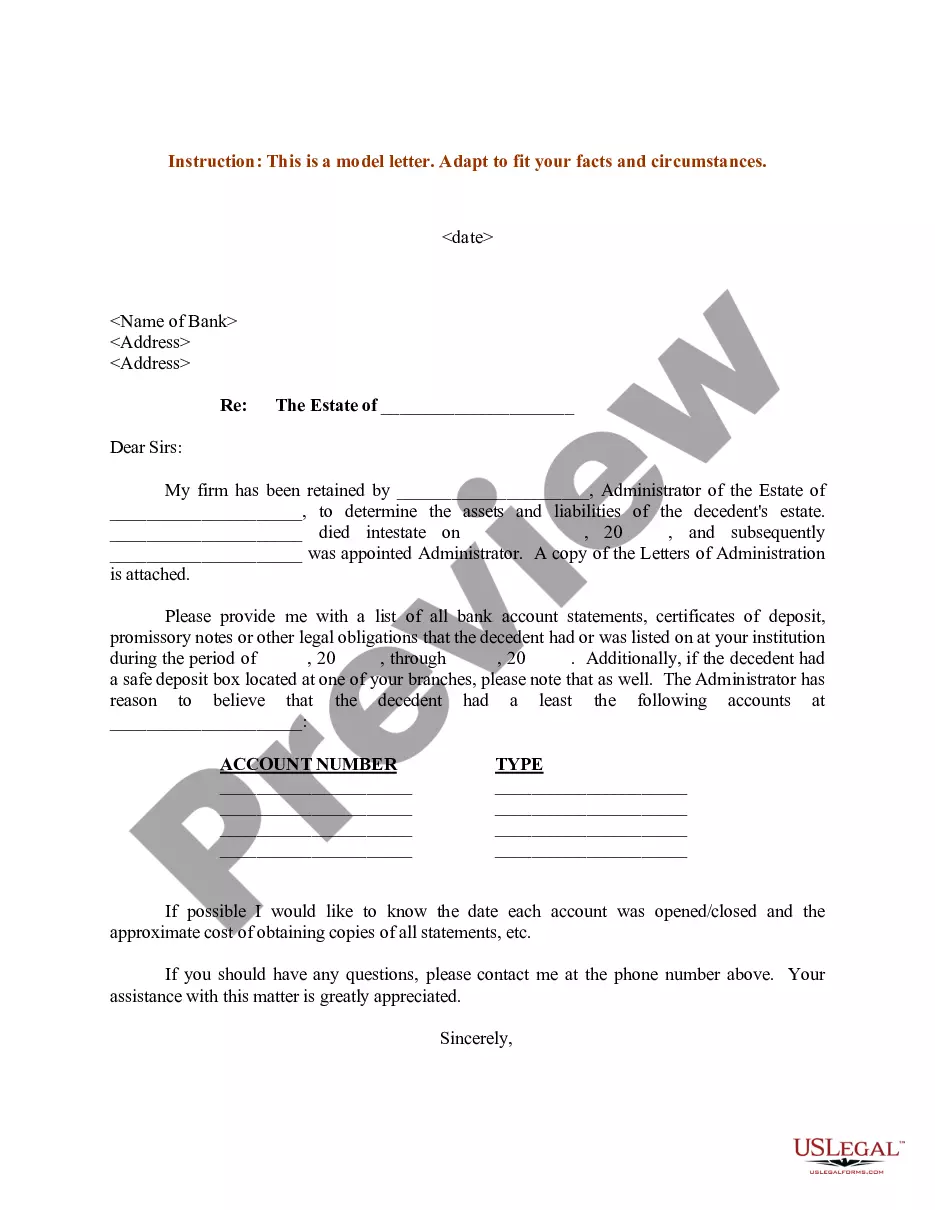

Form popularity
FAQ
A certified disposition can only be issued by the court where the case took place. Courts have different procedures and requirements for how to get a certified disposition. Some courts may require that you make your request in person, while others may honor requests made by mail, phone, or online.
To request a Certificate of Disposition bring the following items to the Central Clerk's Office in the court in which your case was processed: Defendant's full name and date of birth • Docket Number (if you know it) • Picture I.D. $10.00 (exact change only). If you are receiving public benefits, present your valid N.Y.
If you are well known in your community, your family name or place of work might make you more reputable in the eyes of the judge. Next, express exactly why you are writing. Include the name of the victim or the defendant, how you know the defendant, and why you're writing on behalf of them.
Your request via email and/or letter will need to include the original filing dates, new proposed filing dates, the number of previous requests (if any), and whether the other party consents to the extension. Email a copy of the letter you file to the other party (usually it's an attorney).
Begin with a formal salutation, such as "Dear Judge Last Name," and introduce yourself and your case. Clearly state your reasons for requesting a continuance and provide supporting evidence. Conclude your letter by expressing your gratitude and willingness to cooperate with the court's decision.
Your argument should be clear, concise, and persuasive. State the reasons why you believe you should not have been charged and present any evidence that supports your case. Use specific examples and be as detailed as possible.
What are valid reasons for requesting a continuance? Valid reasons include personal emergencies, unavailability of essential evidence, and lack of legal representation.
Continuances requested without agreement of all parties may be granted only by a judge for good cause shown. Contested continuance requests must be made by personal appearance in open court, after written motion, with at least five (5) days' notice to the Court and all parties and/or counsel of record.
2. Address the judge: In the salutation, use "Dear Judge Last Name" if you know the judge's name. If you don't, you can use "To the Presiding Judge."
Follow the order of this format, leaving a space in between each section: Your Information (first thing that goes on the inside of the letter) Name. The Date. The Judge's Information. Honorable Judge First Name Last Name. What the Letter Is Going to Address. Salutation. Body. Signature.