Sample Letter For Court Appeal In Orange
Description



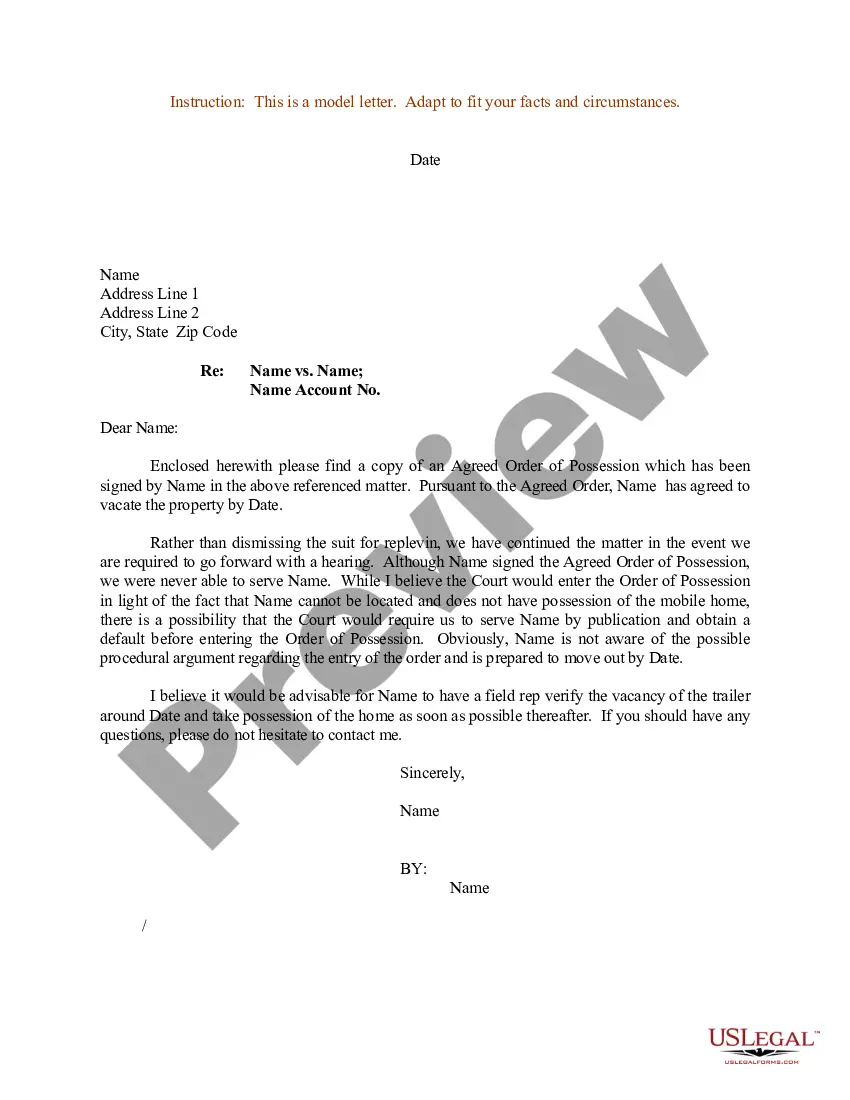
Get your form ready online
Our built-in tools help you complete, sign, share, and store your documents in one place.
Make edits, fill in missing information, and update formatting in US Legal Forms—just like you would in MS Word.
Download a copy, print it, send it by email, or mail it via USPS—whatever works best for your next step.
Sign and collect signatures with our SignNow integration. Send to multiple recipients, set reminders, and more. Go Premium to unlock E-Sign.
If this form requires notarization, complete it online through a secure video call—no need to meet a notary in person or wait for an appointment.
We protect your documents and personal data by following strict security and privacy standards.

Make edits, fill in missing information, and update formatting in US Legal Forms—just like you would in MS Word.

Download a copy, print it, send it by email, or mail it via USPS—whatever works best for your next step.

Sign and collect signatures with our SignNow integration. Send to multiple recipients, set reminders, and more. Go Premium to unlock E-Sign.

If this form requires notarization, complete it online through a secure video call—no need to meet a notary in person or wait for an appointment.

We protect your documents and personal data by following strict security and privacy standards.
Looking for another form?








Form popularity
FAQ
How to write a letter of appeal in 8 simple steps Understand the decision. Review the appeal process. Gather all the information you have. Determine who will be reading your appeal. Explain what happened. Explain why you disagree. Propose an alternative outcome. Sign your letter.
Conclusion: Going to small claims court may be worth it for $500, but it will determine how you weigh your costs versus benefits. At a minimum, it is worth it to send a demand letter.
Notice of appeal. (1) To appeal from a judgment or appealable order in a limited civil case, except a small claims case, an appellant must serve and file a notice of appeal in the superior court that issued the judgment or order being appealed. The appellant or the appellant's attorney must sign the notice.
Small claims basics Generally, you can only sue for up to $12,500 in small claims court (or up to $6,250 if you're a business). You can ask a lawyer for advice before you go to court, but you can't have one with you in court. Starting November 1, 2021, you can sue or be sued for COVID-19 rental debt in small claims.
You must file your appeal notice with the office of the court where your case is being handled. If your decision was made by a circuit judge in a county court (other than a final decision in a multi-track claim), your appeal will be dealt with by a High Court judge.
Appeals can be filed to the Supreme court by filing a petition with the court which enacted the decree, upon which the petition would be heard and disposed of within a period of sixty days. Petitions submitted for this purpose must state the grounds of appeal.
An appeal is lodged in the Court of Appeal through a Notice of Appeal. The Notice of Appeal, though headed in the name of the Court of Appeal, is filed in the Registry of the High Court or Federal High Court, or National Industrial Court that gave the decision appealed against.
A former DA explains the 5 most common grands to appeal a criminal conviction. These include erroneous admission of evidence, prosecutorial misconduct, jury misconduct, ineffective assistance of counsel and insufficient evidence.
Content and Tone Opening Statement. The first sentence or two should state the purpose of the letter clearly. Be Factual. Include factual detail but avoid dramatizing the situation. Be Specific. Documentation. Stick to the Point. Do Not Try to Manipulate the Reader. How to Talk About Feelings. Be Brief.
The opening statement should be straightforward and direct. Avoid exaggerating or misstating the facts, and don't overdo the emotion. If a lawyer relies on exaggeration to appeal to the jury, he or she will certainly hear about “broken promises” in opposing counsel's closing arguments.

