Court Letter Sample With Thru In Oakland
Description




Get your form ready online
Our built-in tools help you complete, sign, share, and store your documents in one place.
Make edits, fill in missing information, and update formatting in US Legal Forms—just like you would in MS Word.
Download a copy, print it, send it by email, or mail it via USPS—whatever works best for your next step.
Sign and collect signatures with our SignNow integration. Send to multiple recipients, set reminders, and more. Go Premium to unlock E-Sign.
If this form requires notarization, complete it online through a secure video call—no need to meet a notary in person or wait for an appointment.
We protect your documents and personal data by following strict security and privacy standards.

Make edits, fill in missing information, and update formatting in US Legal Forms—just like you would in MS Word.

Download a copy, print it, send it by email, or mail it via USPS—whatever works best for your next step.

Sign and collect signatures with our SignNow integration. Send to multiple recipients, set reminders, and more. Go Premium to unlock E-Sign.

If this form requires notarization, complete it online through a secure video call—no need to meet a notary in person or wait for an appointment.

We protect your documents and personal data by following strict security and privacy standards.
Looking for another form?

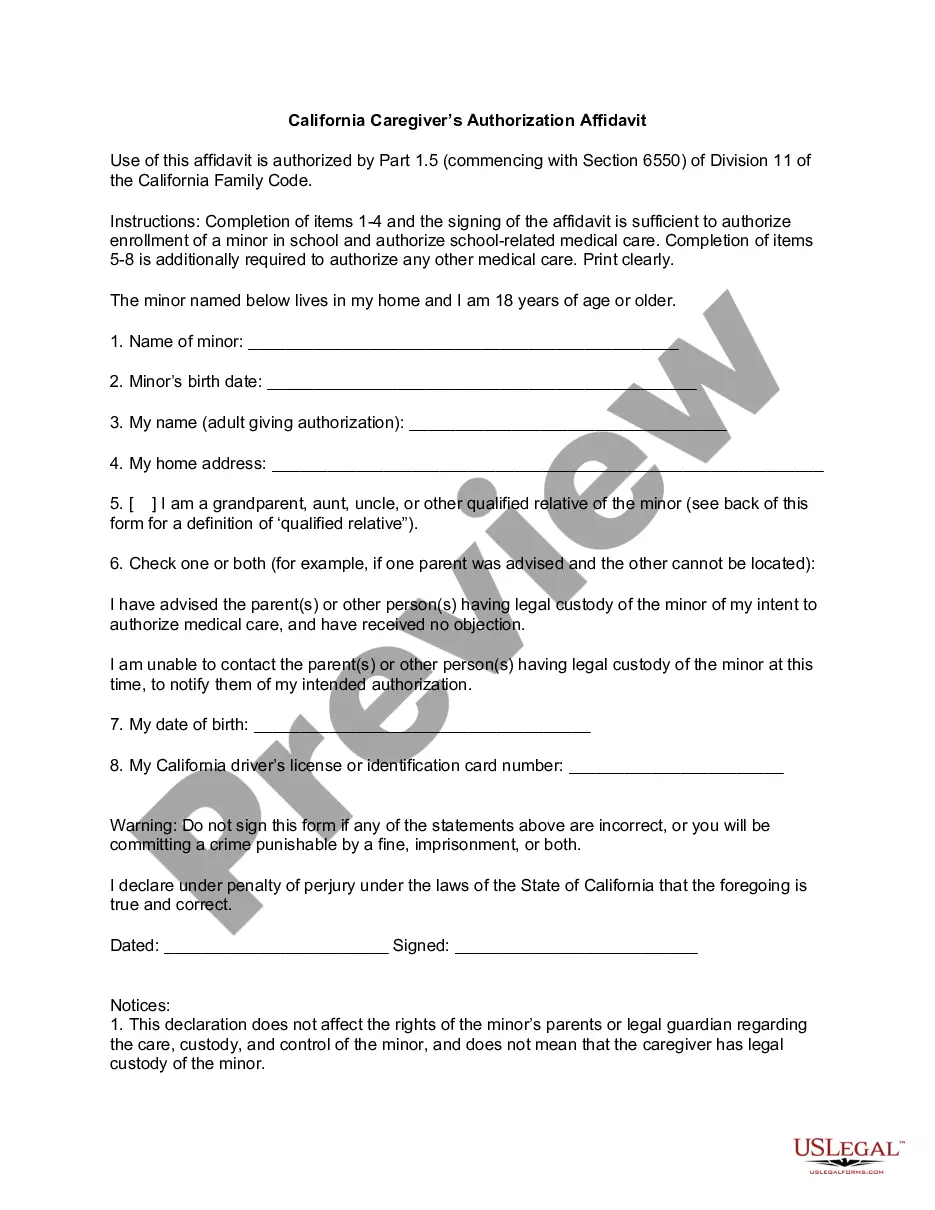






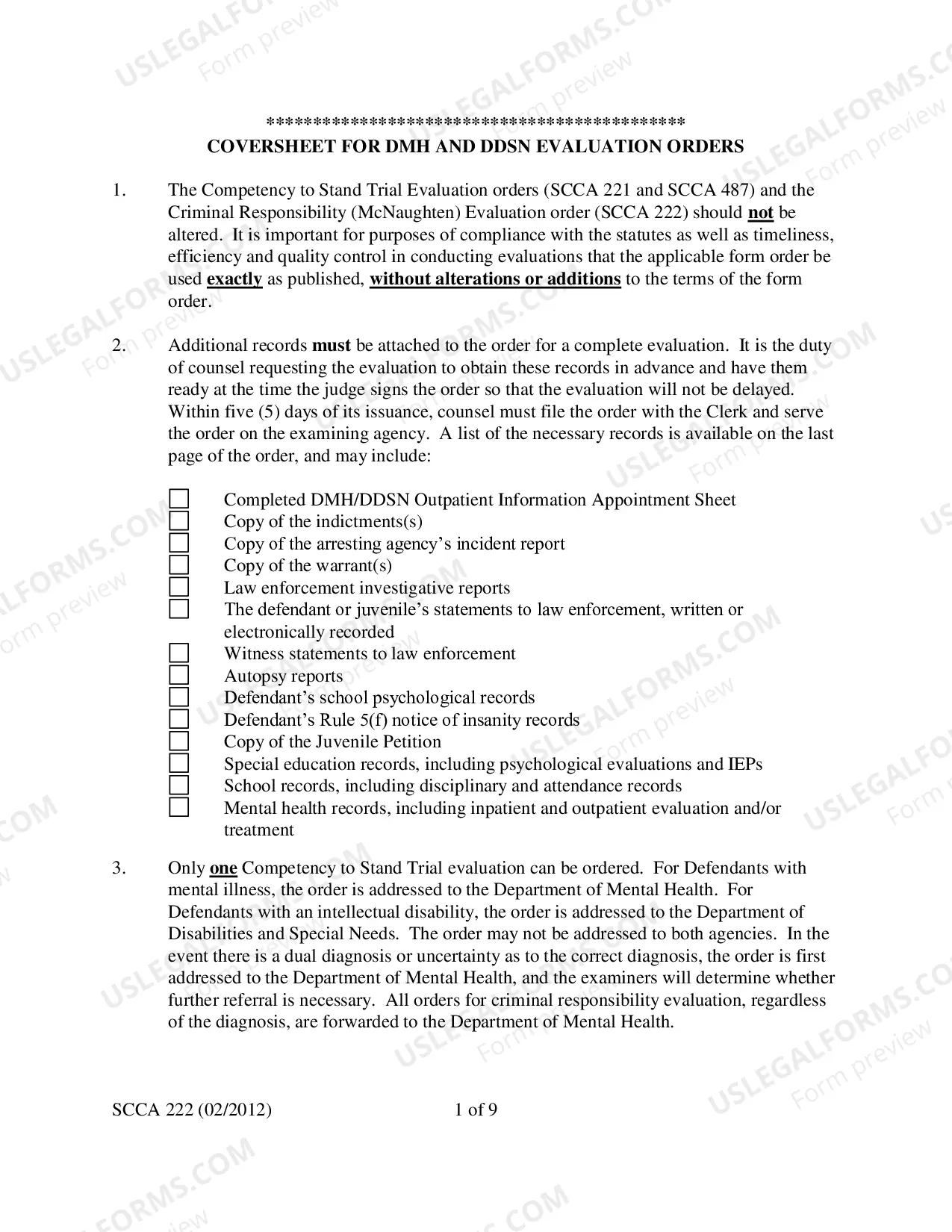

Form popularity
FAQ
Type the Name and Address of the Judge or Court Staff On the next line below the name, include the name of the court in which the judge presides, such as "San Francisco Superior Court" or "United States Court of Appeals, Ninth Circuit." Directly under the name, include the judge's address, city, state and ZIP code.
The clerk of courts may send you a letter to notify you of upcoming court dates. Changes in in theMoreThe clerk of courts may send you a letter to notify you of upcoming court dates. Changes in in the case status or other important updates. If you've recently been involved in a traffic violation.
Your letter should start with “Dear Judge (last name of the judge assigned to the case)” but you should mail, email or fax your letter to the defendant's attorney. You should not send your letter directly to the judge. It must be provided to the judge by the attorney.
A court letter, also known as a legal letter or court correspondence, refers to a written document used in legal proceedings. It's a type of formal communication addressed to court personnel, such as a judge, attorney, or another party involved in a legal case.
Follow the order of this format, leaving a space in between each section: Your Information (first thing that goes on the inside of the letter) Name. The Date. The Judge's Information. Honorable Judge First Name Last Name. What the Letter Is Going to Address. Salutation. Body. Signature.
Case in some jurisdictions. The letters can also indicate the year the case was filed. This helps inMoreCase in some jurisdictions. The letters can also indicate the year the case was filed. This helps in organizing. And retrieving Case Files Additionally the letters might signify the cas's sequence.
You must fill out an Answer, serve the plaintiff, and file your Answer form with the court. Generally, this is due within 30 days after you were served. If you don't, the plaintiff can ask for a default. If there's a default, the court won't let you file an Answer and can decide the case without you.
Proof of Delivery: A certified letter provides proof that the letter was sent and received. This is crucial in legal matters where it's important to confirm that a party has received specific information or documents. For you, as the recipient, this means there's a verifiable record that you've been contacted.
If you want to file a motion, the process is generally something like this: You write your motion. You file your motion with the court clerk. The court clerk inserts the date and time your motion will be heard by the judge. You “serve” (mail) your motion to the other side.
You must have someone who is 18 or older serve the forms for you (this is your server). This is how forms are usually served. The server can hand the forms to an adult at the other side's home, work, or where they usually get their mail. The server must also mail a copy of the forms to the other side.

