Court Letter Template With Lines In Middlesex
Description




Get your form ready online
Our built-in tools help you complete, sign, share, and store your documents in one place.
Make edits, fill in missing information, and update formatting in US Legal Forms—just like you would in MS Word.
Download a copy, print it, send it by email, or mail it via USPS—whatever works best for your next step.
Sign and collect signatures with our SignNow integration. Send to multiple recipients, set reminders, and more. Go Premium to unlock E-Sign.
If this form requires notarization, complete it online through a secure video call—no need to meet a notary in person or wait for an appointment.
We protect your documents and personal data by following strict security and privacy standards.

Make edits, fill in missing information, and update formatting in US Legal Forms—just like you would in MS Word.

Download a copy, print it, send it by email, or mail it via USPS—whatever works best for your next step.

Sign and collect signatures with our SignNow integration. Send to multiple recipients, set reminders, and more. Go Premium to unlock E-Sign.

If this form requires notarization, complete it online through a secure video call—no need to meet a notary in person or wait for an appointment.

We protect your documents and personal data by following strict security and privacy standards.
Looking for another form?







Form popularity
FAQ
If you want to file a motion, the process is generally something like this: You write your motion. You file your motion with the court clerk. The court clerk inserts the date and time your motion will be heard by the judge. You “serve” (mail) your motion to the other side.
On a separate page or pages, write a short and plain statement of the answer to the allegations in the complaint. Number the paragraphs. The answer should correspond to each paragraph in the complaint, with paragraph 1 of the answer corresponding to paragraph 1 of the complaint, etc.
Determine What is “Relevant” to Your Case First, determine what is most important to you. Second, organize your declaration. Third, proofread & condense. Know what your audience is focused on. Tell the truth. Anticipate opposing party's response. Advocate for yourself. Use proof to validate your case.
Lawsuits for amounts up to $20,000 are called special civil cases. They are filed in Superior Court, in the special civil part of the civil division.
Defendants must file a written answer to the complaint within 35 days of the date shown on the summons.
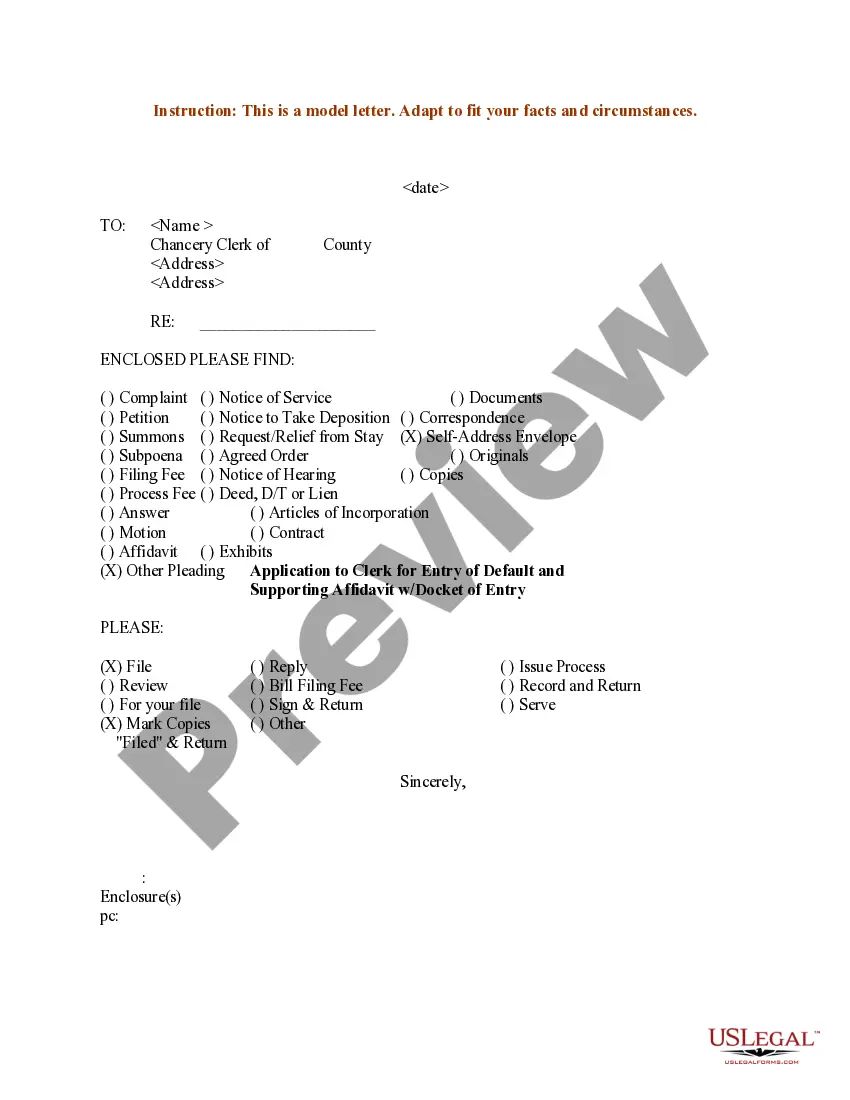
Type the Name and Address of the Judge or Court Staff On the next line below the name, include the name of the court in which the judge presides, such as "San Francisco Superior Court" or "United States Court of Appeals, Ninth Circuit." Directly under the name, include the judge's address, city, state and ZIP code.
Not all courts will accept a letter. Instead, the court might grant a continuance over the phone, or the court could require that you have a representative appear before the judge in your place.
In every character letter, the writer must know how to format the letter and address the judge. Do not write “Honorable Judge” because that's redundant. Either “Judge” or “The Honorable” is acceptable. It's also acceptable to use “To Whom It May Concern.”
Elements: full mailing address of the sender. date on which letter is written. address of person to whom letter is addressed. subject line. salutation. body (the main message) complimentary closing. signature line (be sure to sign your letter)

