Court Letter Sample For Child Custody In Middlesex
Description



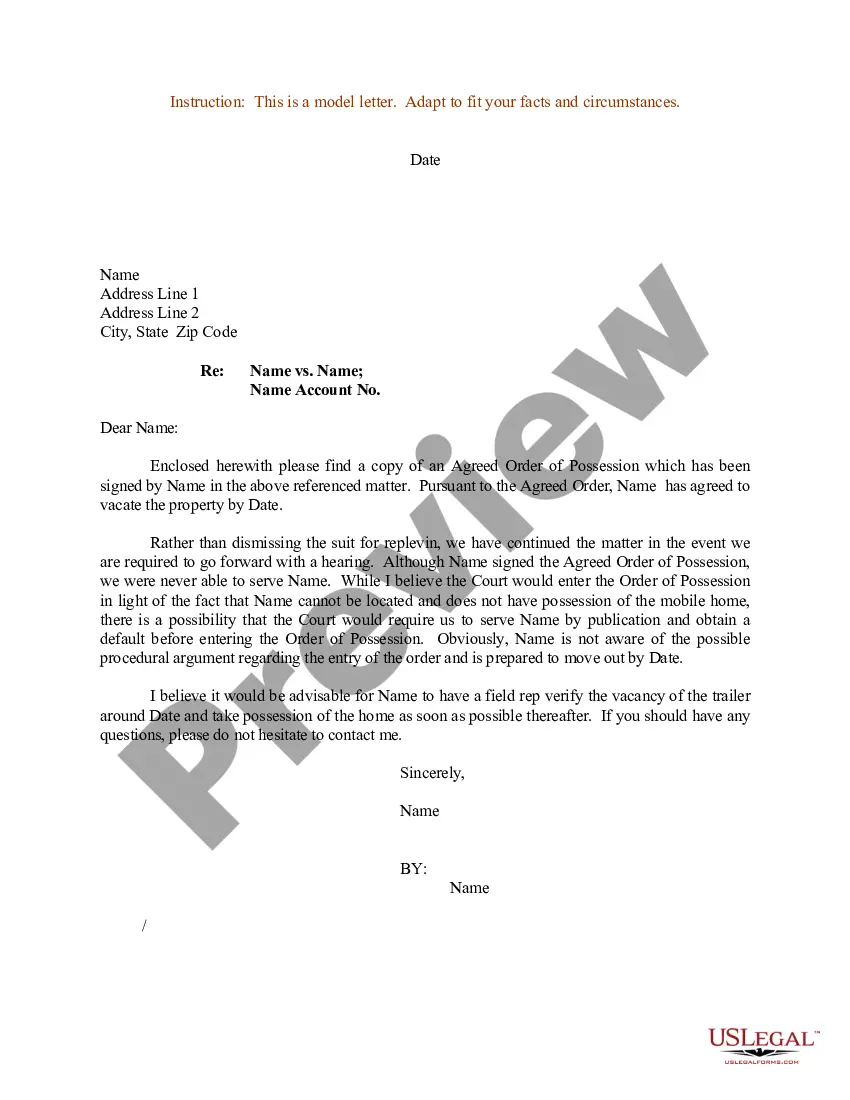
Get your form ready online
Our built-in tools help you complete, sign, share, and store your documents in one place.
Make edits, fill in missing information, and update formatting in US Legal Forms—just like you would in MS Word.
Download a copy, print it, send it by email, or mail it via USPS—whatever works best for your next step.
Sign and collect signatures with our SignNow integration. Send to multiple recipients, set reminders, and more. Go Premium to unlock E-Sign.
If this form requires notarization, complete it online through a secure video call—no need to meet a notary in person or wait for an appointment.
We protect your documents and personal data by following strict security and privacy standards.

Make edits, fill in missing information, and update formatting in US Legal Forms—just like you would in MS Word.

Download a copy, print it, send it by email, or mail it via USPS—whatever works best for your next step.

Sign and collect signatures with our SignNow integration. Send to multiple recipients, set reminders, and more. Go Premium to unlock E-Sign.

If this form requires notarization, complete it online through a secure video call—no need to meet a notary in person or wait for an appointment.

We protect your documents and personal data by following strict security and privacy standards.
Looking for another form?









Form popularity
FAQ
Good Words To Use In Custody Hearing Your Child is Not Property. The primary thing you must remember is that your child is not property. Best Interests of Child. With that in mind, you must always remember in Court, it is about your children. Status Quo. Child's Schedule. Co-Parenting. Flexibility. Step-Up Plan. Our Child.
Introduction: - Introduce yourself (your name and age). - Briefly state the purpose of your letter (to request a change in custody). Body: - Explain Your Situation: Describe your current living situation and why you feel a change is necessary. Be honest about your feelings and experiences. Reasons for Change:
Determine What is “Relevant” to Your Case First, determine what is most important to you. Second, organize your declaration. Third, proofread & condense. Know what your audience is focused on. Tell the truth. Anticipate opposing party's response. Advocate for yourself. Use proof to validate your case.
The general parts of a parenting agreement are: A parenting time schedule. Information about how the parents will make decisions for the child. Information about finances and expenses. Parenting provisions (rules about raising the child) Any other information you want to include.
Focus on factual statements and what you believe is best for the child. Irrelevant Information: Do not include information that is not relevant to the child's welfare or custody matter. The court's primary concern is the best interests of the child. Legal Jargon: You don't need to use legal jargon.
Provide a concise summary of the key issues and events pertaining to the custody situation. Focus on highlighting factors that would be in the best interests of any children involved, such as stability, safety, and meeting the children's needs. Avoid making accusations or attacking your former spouse directly.
Content of a character reference letter for custody Introduction. Relationship to the parent: Describe how the writer knows the parent, including how long they have known each other. Body. Parenting skills: Detail the parent's interactions with their child, noting examples of nurturing, guidance, and care. Conclusion.
Stay Objective: Focus on the parent's qualities and behaviors rather than personal opinions about the custody situation. Keep It Professional: Maintain a respectful and formal tone throughout the letter. Length: Aim for one page; be concise but thorough in your observations.
Good Words To Use In Custody Hearing Your Child is Not Property. The primary thing you must remember is that your child is not property. Best Interests of Child. With that in mind, you must always remember in Court, it is about your children. Status Quo. Child's Schedule. Co-Parenting. Flexibility. Step-Up Plan. Our Child.

