Court Letter Sample With Reference In Hennepin
Description



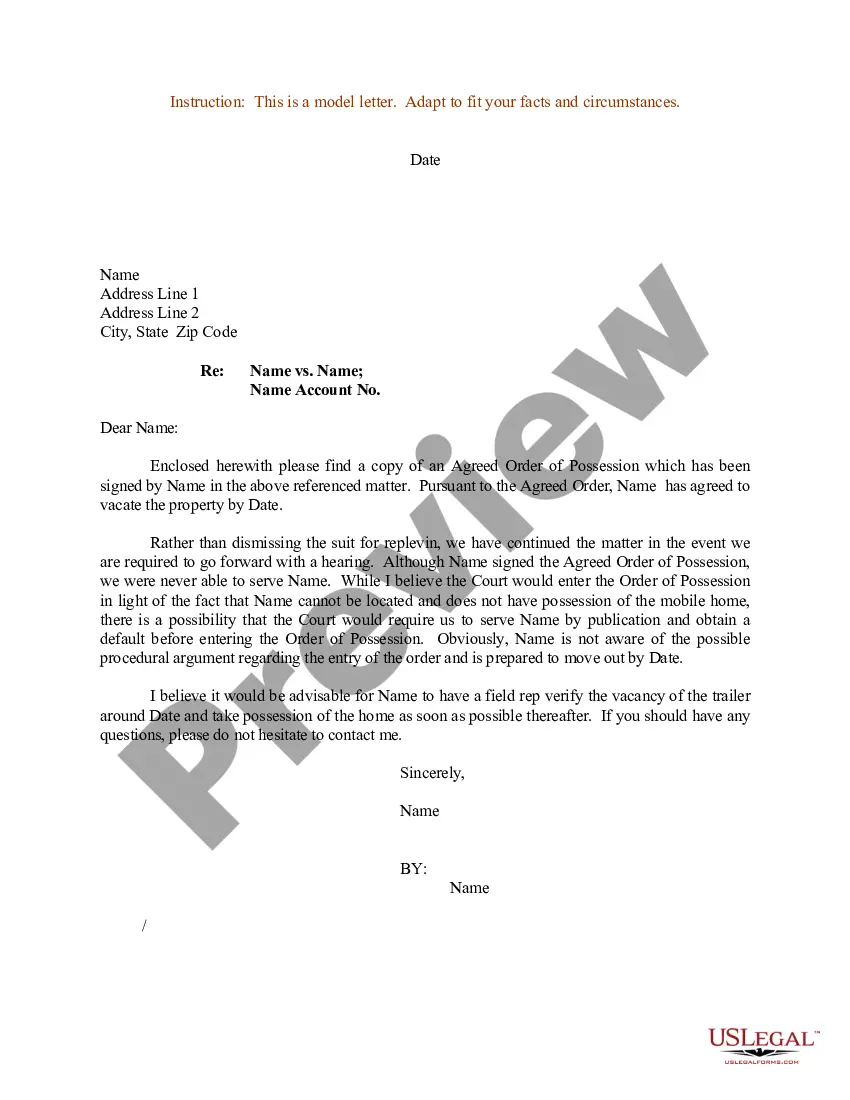
Get your form ready online
Our built-in tools help you complete, sign, share, and store your documents in one place.
Make edits, fill in missing information, and update formatting in US Legal Forms—just like you would in MS Word.
Download a copy, print it, send it by email, or mail it via USPS—whatever works best for your next step.
Sign and collect signatures with our SignNow integration. Send to multiple recipients, set reminders, and more. Go Premium to unlock E-Sign.
If this form requires notarization, complete it online through a secure video call—no need to meet a notary in person or wait for an appointment.
We protect your documents and personal data by following strict security and privacy standards.

Make edits, fill in missing information, and update formatting in US Legal Forms—just like you would in MS Word.

Download a copy, print it, send it by email, or mail it via USPS—whatever works best for your next step.

Sign and collect signatures with our SignNow integration. Send to multiple recipients, set reminders, and more. Go Premium to unlock E-Sign.

If this form requires notarization, complete it online through a secure video call—no need to meet a notary in person or wait for an appointment.

We protect your documents and personal data by following strict security and privacy standards.
Looking for another form?


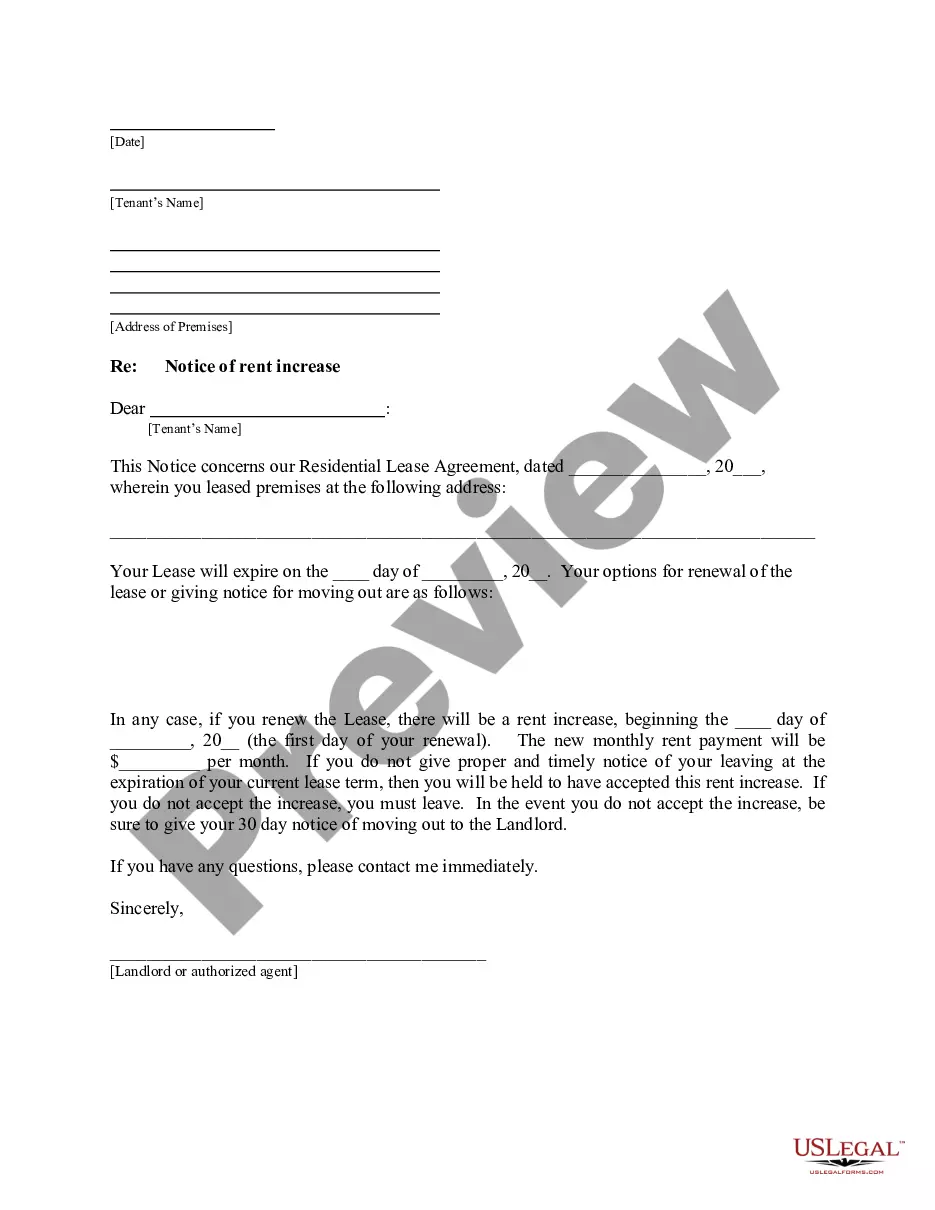


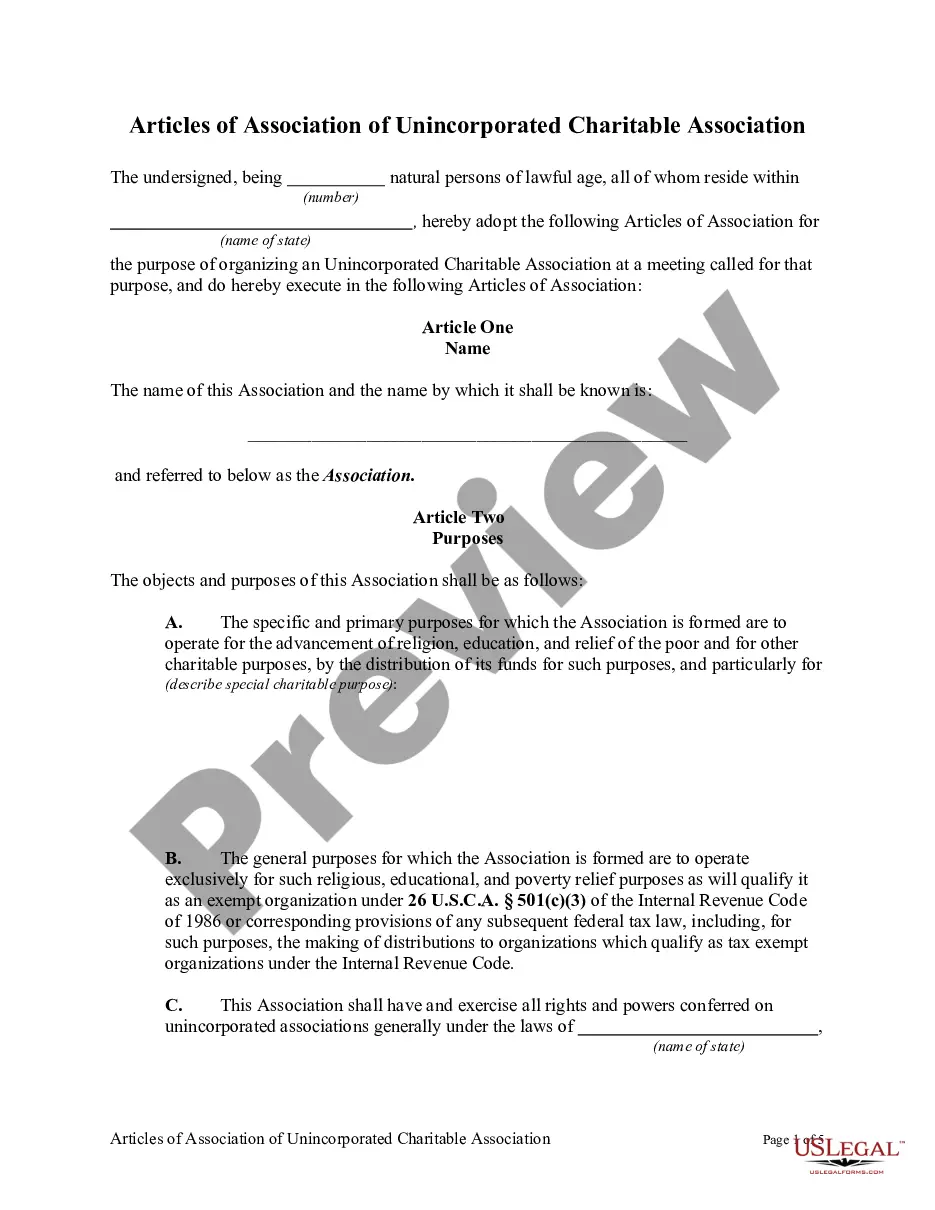

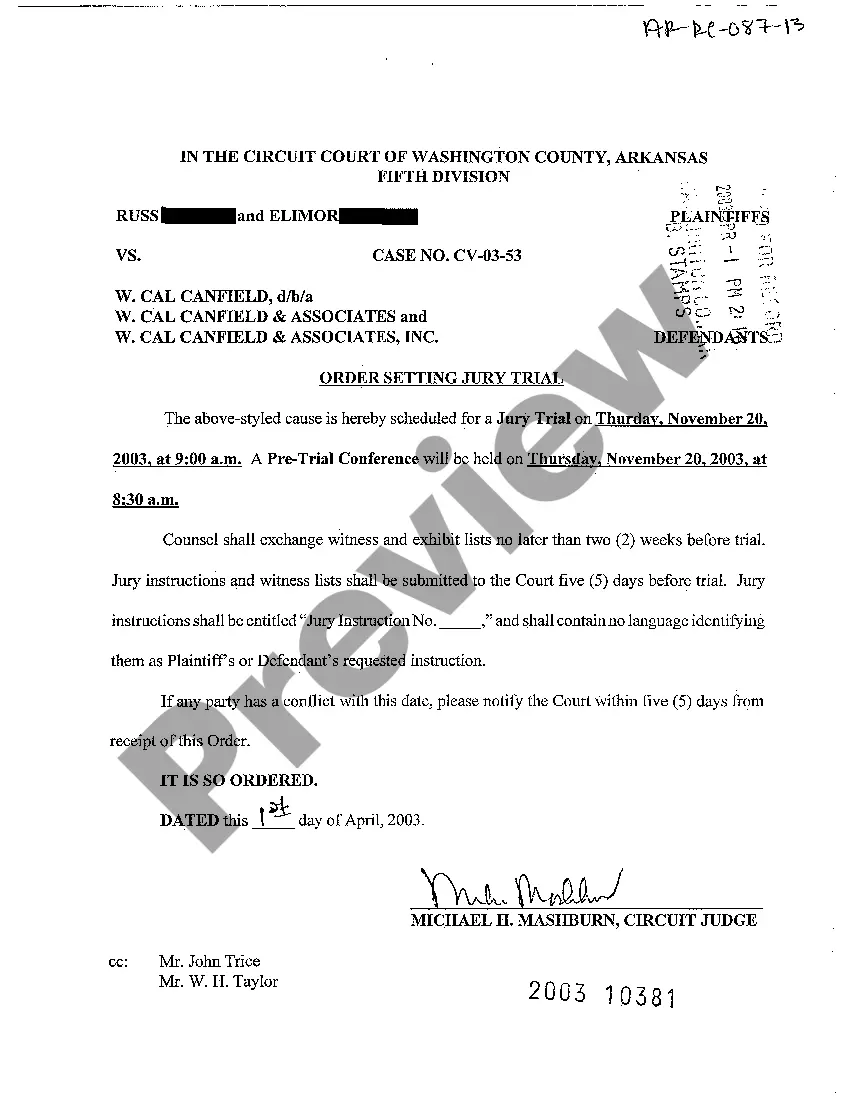


Form popularity
FAQ
Exhibits may include: Photographs, either digital or physical. Audio or video recordings as digital file types, DVDs, CDs, etc.
At the trial stage, you may need to: Fill out an exhibit list with a description and exhibit number or letter. Identify exhibits as physical, electronic, or both. Use specific file naming protocol and sequencing for digital files. Bookmark and annotate PDFs.
From the Upload page, you can submit exhibits to cases in a particular court. To do so, first select the appropriate court from the "Select A Court" drop-down. Then, enter the case number for the case you wish to submit an exhibit for.
1. Check the box next to the exhibit(s) from the list that you would like to share. 2. Click Share.
Four search tabs are available to help users access court records and documents: Case Search allows users to search for court cases by person name, business name, attorney name, case number, citation number, or attorney bar number.
You may join a court hearing held using Zoom from either the Zoom Mobile App or an internet browser. The hearing link is encrypted, so if you received an electronic hearing notice, please join the hearing by clicking the link rather than copying and pasting the link into the app or the browser's address bar.
If the deponent was supposed to bring documents, ask for them to be produced. Give them to the court reporter and ask him/her to mark them as exhibit one, two, three, etc. Describe them verbally as you do, e.g.
NOTE: Most courts are using the Minnesota Digital Exhibit System (MNDES) to upload digital exhibits (audio, video, documents, and images) for hearings and trials (if your case is in Hennepin County, contact court administration to ask whether you will be able to use MNDES for your exhibits).
A losing party pays attorney fees only if the winner is specifically given the right to recover legal fees in a contract between the parties or through a state or federal law. Learn about preparing a defense in Disputing a Small Claims Court Case: Fight Back.
If the judge's name is "John Smith," then in references to him that would be read by others (e.g., the mailing address on a letter) you would refer to him "The Honorable John Smith" (or some might just use "Hon."). In directly communicating with him in writing, I would start with "Dear Judge Smith."

