Court Letter Sample For Financial Assistance In Franklin
Description



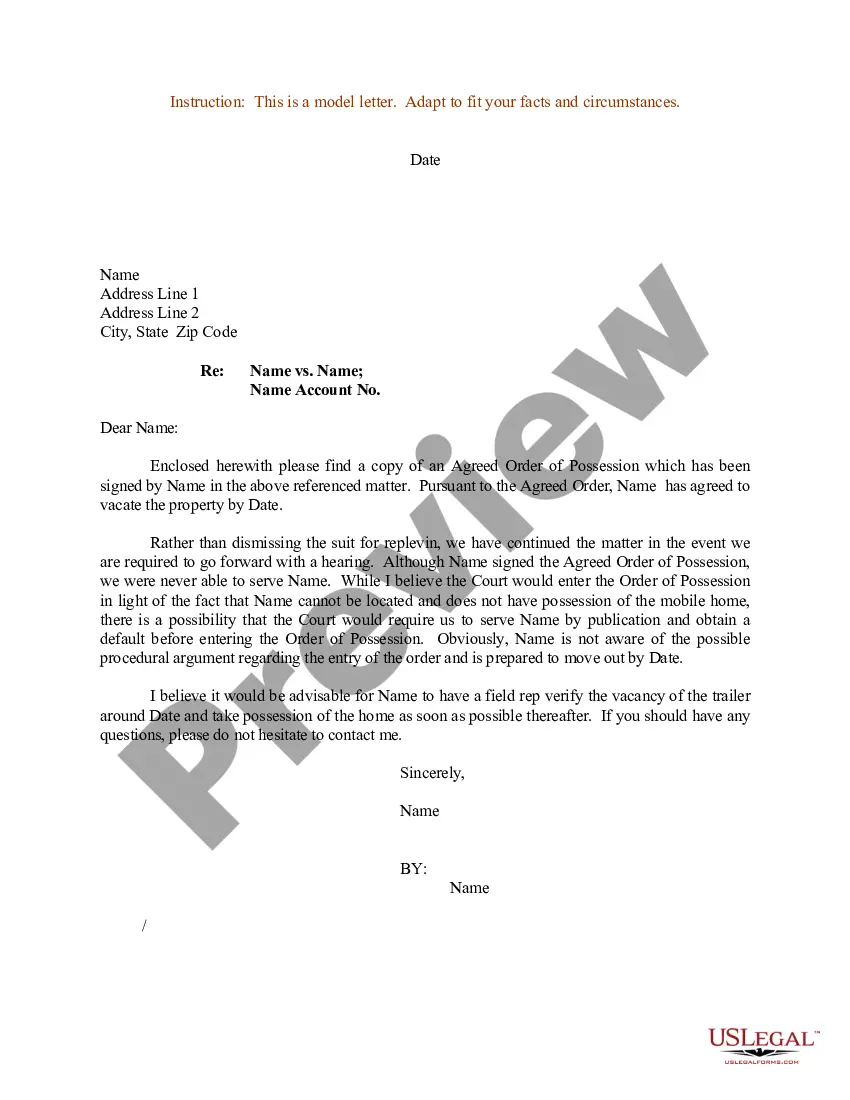
Get your form ready online
Our built-in tools help you complete, sign, share, and store your documents in one place.
Make edits, fill in missing information, and update formatting in US Legal Forms—just like you would in MS Word.
Download a copy, print it, send it by email, or mail it via USPS—whatever works best for your next step.
Sign and collect signatures with our SignNow integration. Send to multiple recipients, set reminders, and more. Go Premium to unlock E-Sign.
If this form requires notarization, complete it online through a secure video call—no need to meet a notary in person or wait for an appointment.
We protect your documents and personal data by following strict security and privacy standards.

Make edits, fill in missing information, and update formatting in US Legal Forms—just like you would in MS Word.

Download a copy, print it, send it by email, or mail it via USPS—whatever works best for your next step.

Sign and collect signatures with our SignNow integration. Send to multiple recipients, set reminders, and more. Go Premium to unlock E-Sign.

If this form requires notarization, complete it online through a secure video call—no need to meet a notary in person or wait for an appointment.

We protect your documents and personal data by following strict security and privacy standards.
Looking for another form?






Form popularity
FAQ
In New York State, a child is entitled to be supported by his or her parents until the age of 21. However, if the child is under 21 years of age, and is married, or self-supporting, or in the military, the child is considered to be "emancipated" and the parents' support obligation ends.
How do I drop my child support case in NY? The child support case can be dropped only when the child matures to 21 years of age or is emancipated before 21 due to significant life events. In that case, the non custodial has to file a termination petition with the NY Family Courts to stop the payments.
How do I drop my child support case in NY? The child support case can be dropped only when the child matures to 21 years of age or is emancipated before 21 due to significant life events. In that case, the non custodial has to file a termination petition with the NY Family Courts to stop the payments.
Typically you can do this either by contacting the child support enforcement agency and having the order terminated through administrative channels, or by filing a motion directly with the court that issued the original order.
Modification: A court can modify a child support order based on the filing of a petition requesting that it do so. The party seeking to modify must demonstrate to the court that there has been a change of circumstances warranting an upward modification since the child support order was issued.
A custodial parent may file a petition with their local child support agency. That petition will then be forwarded to the New York City Law Department office in the county where the non-custodial parent resides. This matter will then be litigated in the New York City Family Court located in the same borough.
If you are asked to write a character letter for someone, it can be helpful to keep the following tips in mind when creating your letter: Address Your Letter to the Judge. Establish a Clear Relationship with the Defendant. Be Truthful. Be Positive. Include a Discussion of the Crime. Do Not Suggest Penalties for the Crime.
The letter should be addressed to the Judge, but mailed to the defendant's attorney. Who are you? ... Make it personal when describing the defendant's characteristics. Only talk about what you know. Be truthful. Never attack the victims or law enforcement. Never allow the defendant to write the letter for you.
How to write a family court motion Introduction: State your argument and what you're asking for. Body: Specify the relevant facts and the evidence you have to support them. Conclusion: Formally ask the court to grant your motion for relief.
How to Fill Out an Order to Show Cause Write the county name. Write the Article for your case type. Write the name(s) of the petitioner(s). Write the name(s) of the respondent(s). Write the docket number, if it exists. Write your name. Write the date you signed the affidavit. Write the month you signed the affidavit.

