Court Letter Sample For Child In Cook
Description



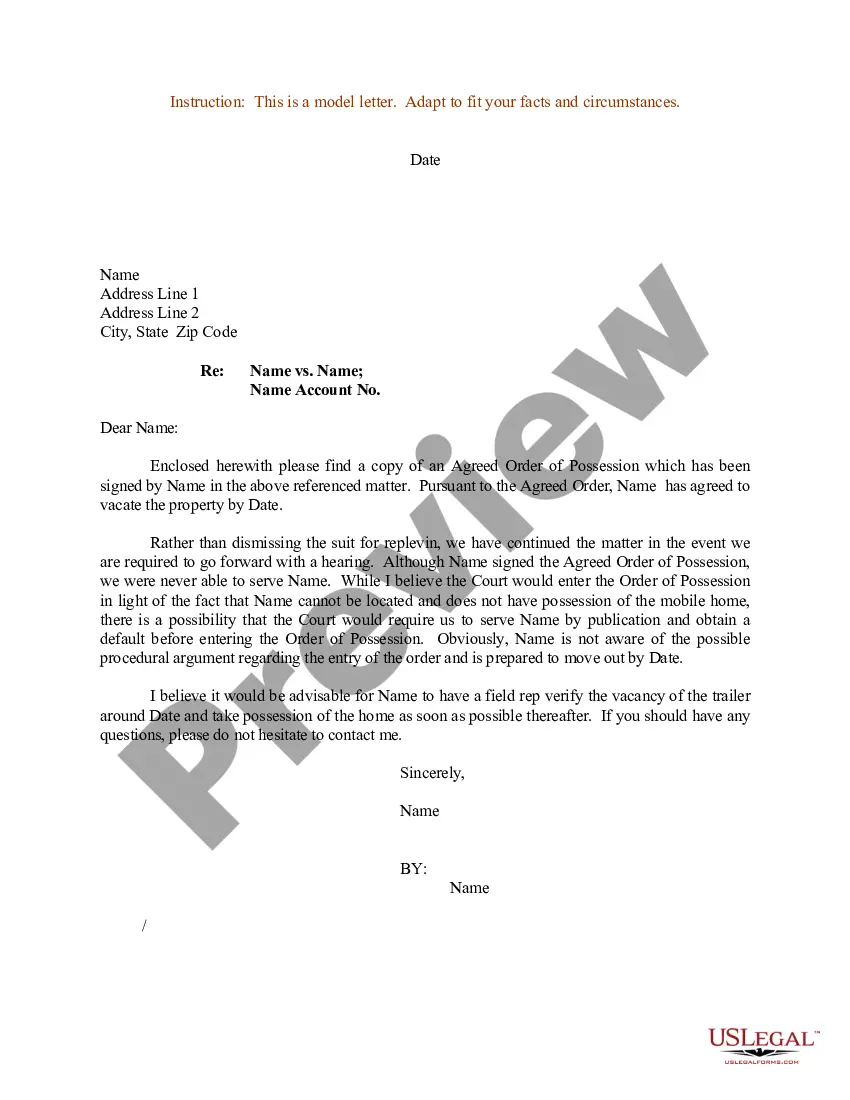
Get your form ready online
Our built-in tools help you complete, sign, share, and store your documents in one place.
Make edits, fill in missing information, and update formatting in US Legal Forms—just like you would in MS Word.
Download a copy, print it, send it by email, or mail it via USPS—whatever works best for your next step.
Sign and collect signatures with our SignNow integration. Send to multiple recipients, set reminders, and more. Go Premium to unlock E-Sign.
If this form requires notarization, complete it online through a secure video call—no need to meet a notary in person or wait for an appointment.
We protect your documents and personal data by following strict security and privacy standards.

Make edits, fill in missing information, and update formatting in US Legal Forms—just like you would in MS Word.

Download a copy, print it, send it by email, or mail it via USPS—whatever works best for your next step.

Sign and collect signatures with our SignNow integration. Send to multiple recipients, set reminders, and more. Go Premium to unlock E-Sign.

If this form requires notarization, complete it online through a secure video call—no need to meet a notary in person or wait for an appointment.

We protect your documents and personal data by following strict security and privacy standards.
Looking for another form?







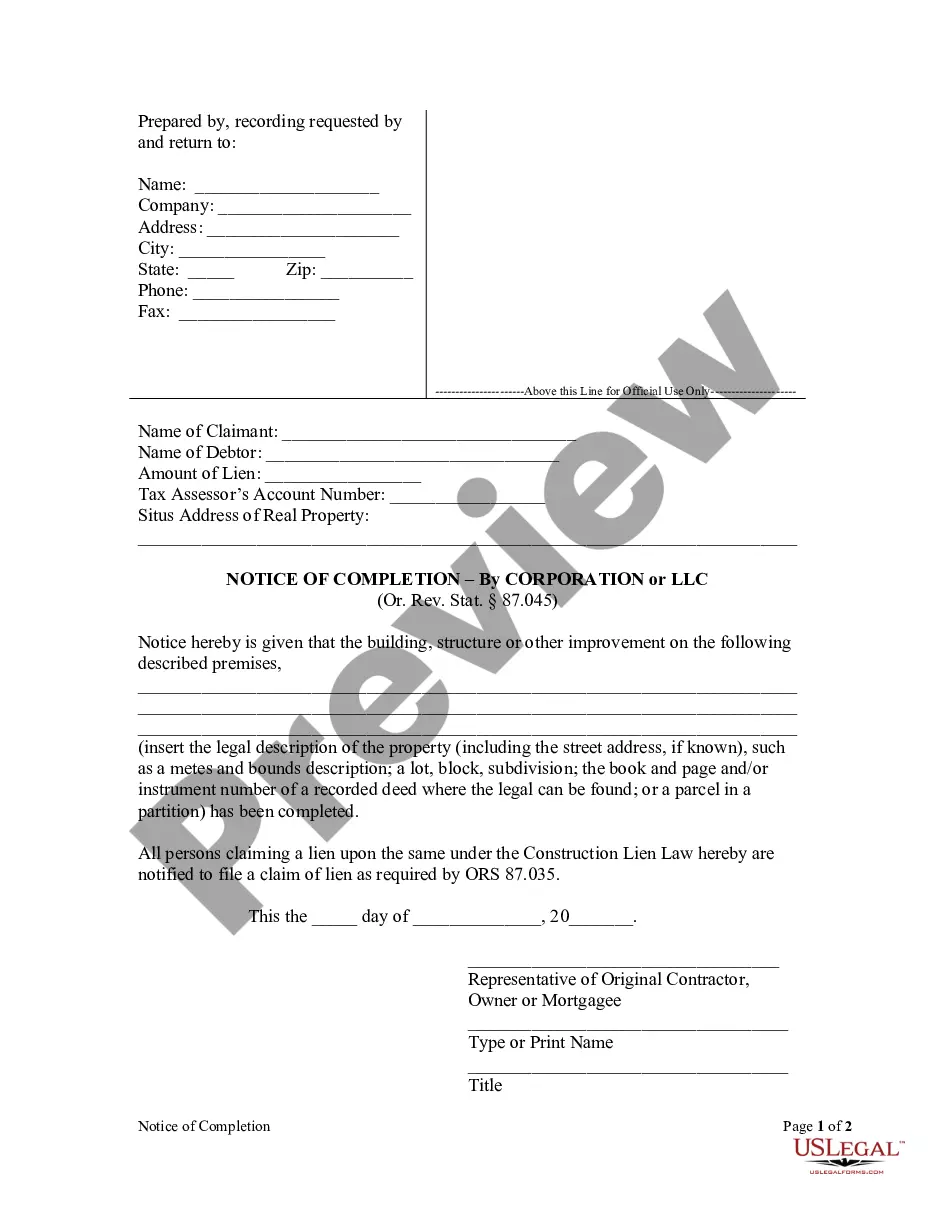
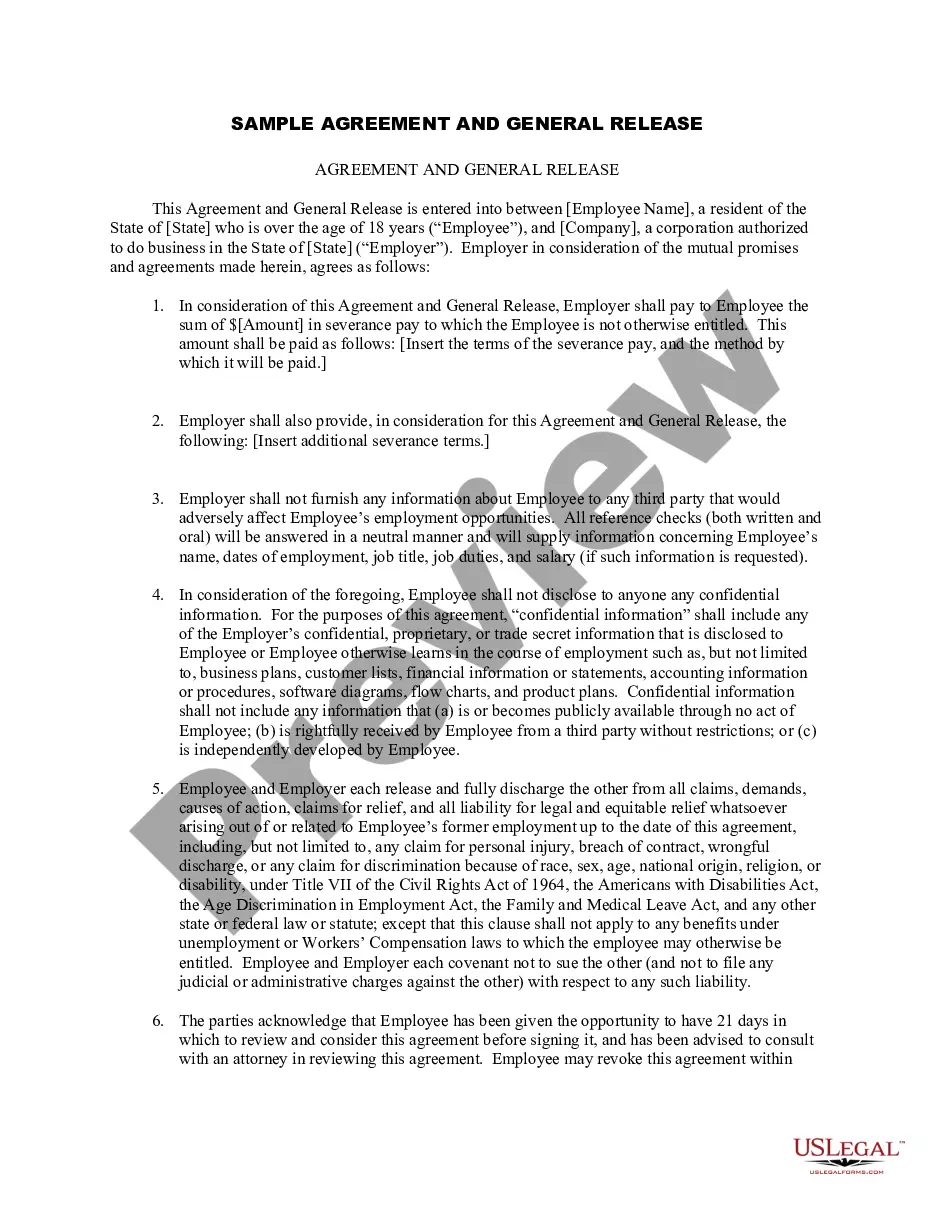
Form popularity
FAQ
You can take two approaches: 1- Provide an objective summary of the person, and his/her morals, values, actions as you know them. Then, let the legal process take its course. Or 2- Analyse why this person is being introduced into a court case, and why you have been chosen to write the letter.
Letters from non-lawyers to judges are absolutely to be avoided. They are inappropriate and violate many rules regarding proper communication with judges. Some letters may be in violation of criminal law that prohibits improper efforts to influence the judge. Being a judge is not entering a popularity contest.
Provide a concise summary of the key issues and events pertaining to the custody situation. Focus on highlighting factors that would be in the best interests of any children involved, such as stability, safety, and meeting the children's needs. Avoid making accusations or attacking your former spouse directly.
Your letter should be well-organized and specific to your situation. It should demonstrate your genuine commitment to being a good co-parent, make a thoughtful argument in favor of your custody arrangement and show that you prioritize your child's best interests.
Provide a concise summary of the key issues and events pertaining to the custody situation. Focus on highlighting factors that would be in the best interests of any children involved, such as stability, safety, and meeting the children's needs. Avoid making accusations or attacking your former spouse directly.
Content of a character reference letter for custody Parenting skills: Detail the parent's interactions with their child, noting examples of nurturing, guidance, and care. Emotional stability: Comment on the parent's emotional stability and maturity, which are crucial for raising a child.
Tips for writing a character reference letter for custody Keep it relevant: Align the content with what is important for raising a child, such as emotional support, stability, and active involvement in the child's life. Be concise: While detail is important, the letter should be concise—typically one page.
There are two ways to look at electronic court case records: On a computer at the courthouse. On a computer, tablet, or smart phone anywhere with an internet connection, such as your home, or the public library. This is known as “remote access.”
If you need copies of your court records in Cook County Circuit Court, you need to go in person to the courthouse. While Cook County provides online case information access to some types of records, it does not provide online access to formal criminal records.
By Confidential OIG Fax: 312-603-9676 You may also submit your complaint via our Confidential OIG Hotline at 312-603-3424.

