Court Letter Template With Address In Clark
Description



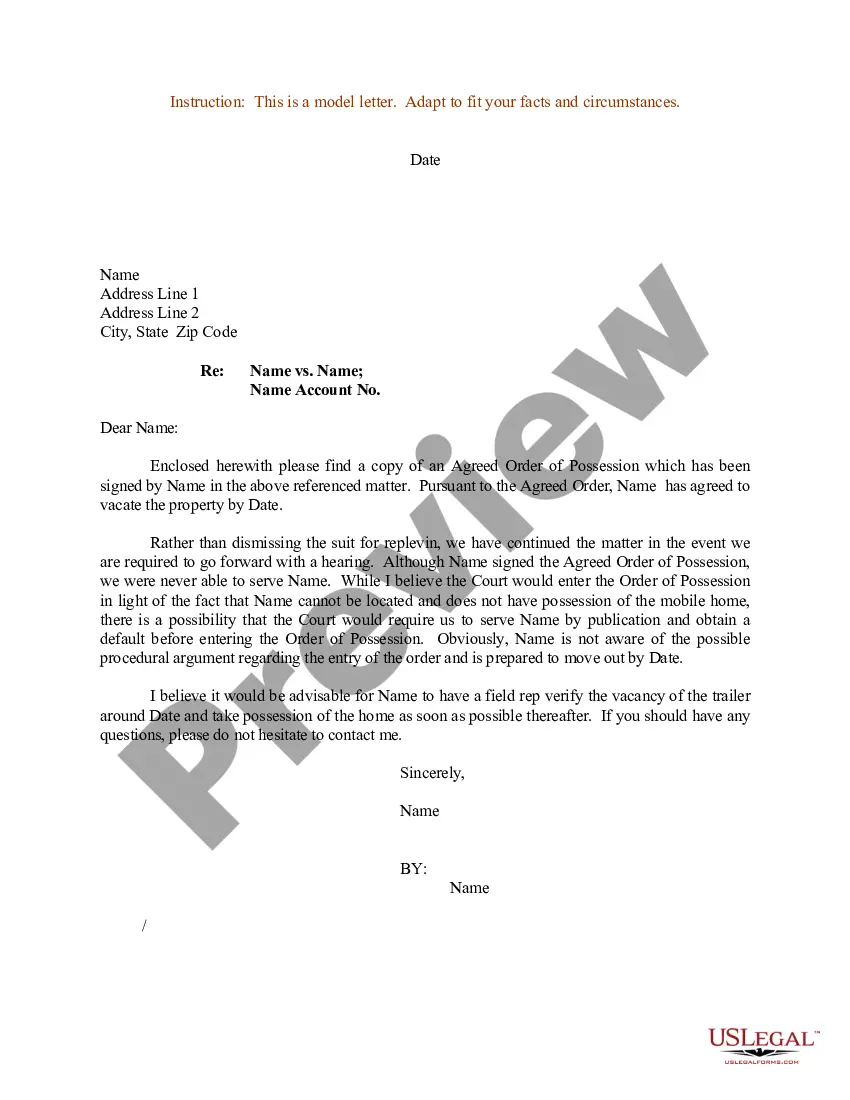
Get your form ready online
Our built-in tools help you complete, sign, share, and store your documents in one place.
Make edits, fill in missing information, and update formatting in US Legal Forms—just like you would in MS Word.
Download a copy, print it, send it by email, or mail it via USPS—whatever works best for your next step.
Sign and collect signatures with our SignNow integration. Send to multiple recipients, set reminders, and more. Go Premium to unlock E-Sign.
If this form requires notarization, complete it online through a secure video call—no need to meet a notary in person or wait for an appointment.
We protect your documents and personal data by following strict security and privacy standards.

Make edits, fill in missing information, and update formatting in US Legal Forms—just like you would in MS Word.

Download a copy, print it, send it by email, or mail it via USPS—whatever works best for your next step.

Sign and collect signatures with our SignNow integration. Send to multiple recipients, set reminders, and more. Go Premium to unlock E-Sign.

If this form requires notarization, complete it online through a secure video call—no need to meet a notary in person or wait for an appointment.

We protect your documents and personal data by following strict security and privacy standards.
Looking for another form?







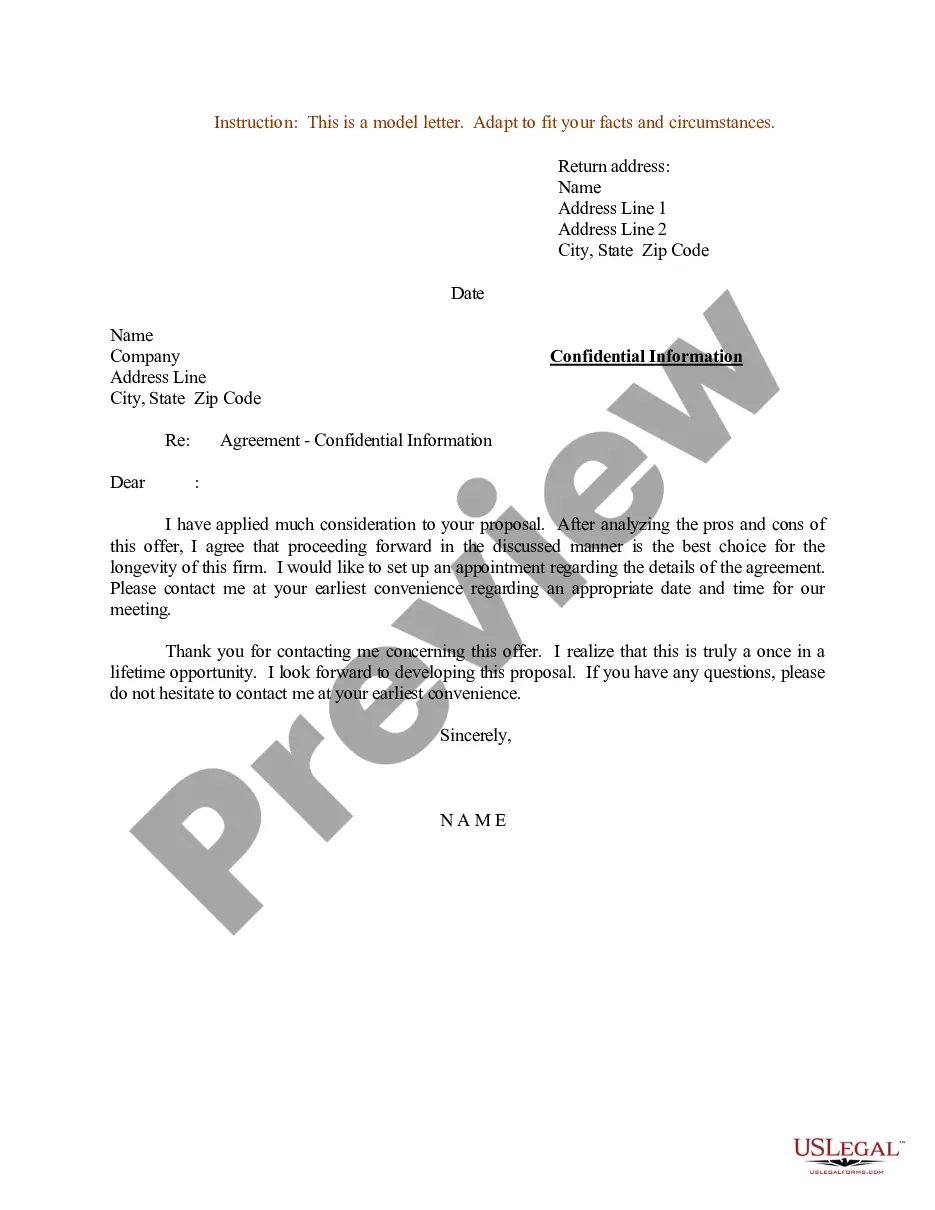
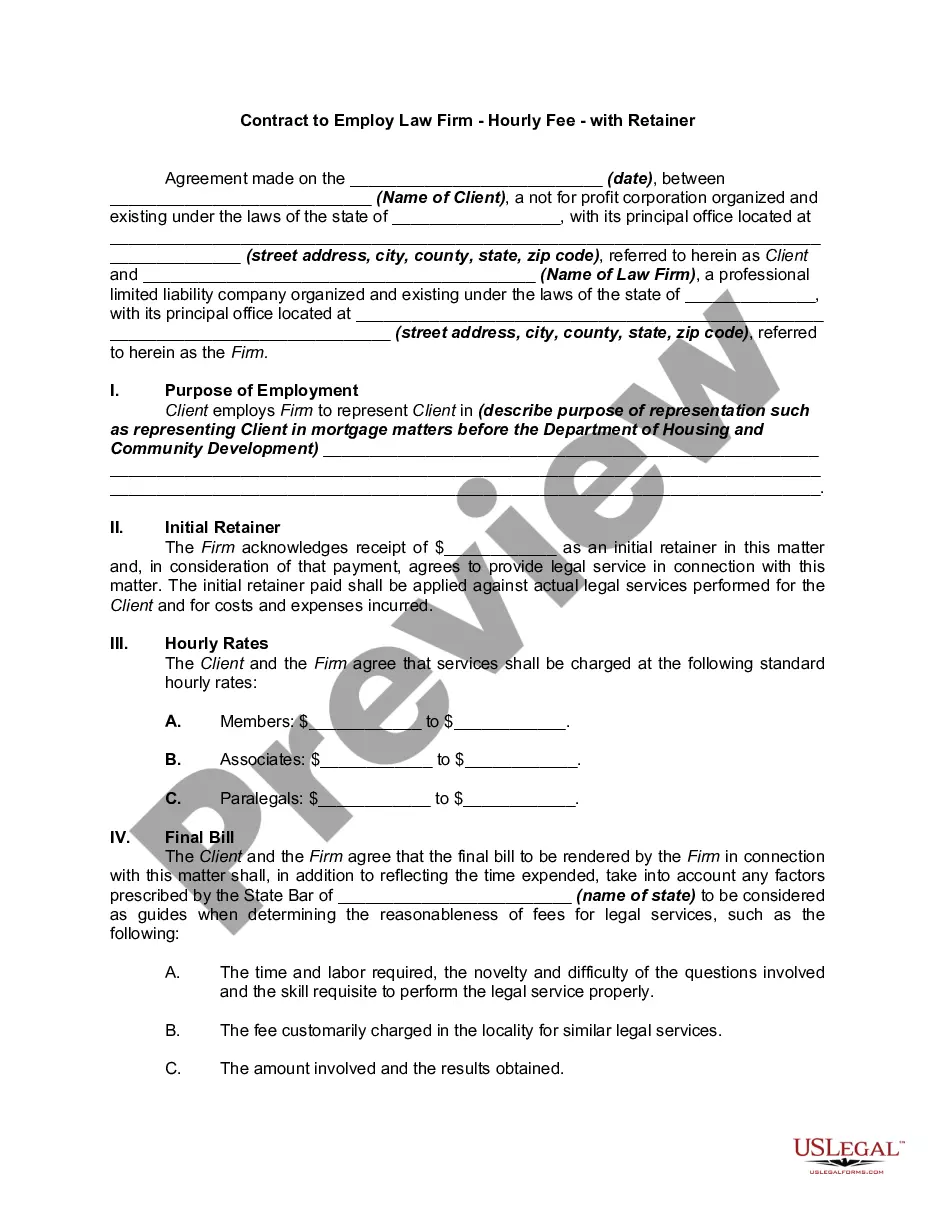

Form popularity
FAQ
Hello, I hope this letter finds you well. My name is INSERT NAME and I am with INSERT ORGANIZATION. I am writing because I need any and all written records pertaining to the case(s) and/or person(s) listed below. As well, please find enclosed a print out of the Judicial Case Search and/or CJIS document(s).
Introduce yourself in the opening paragraph. Outline your relationship with the person who is the subject of the legal proceedings. Acknowledge the charges that have been brought against the person. State your opinion of the person's general character.
Follow the order of this format, leaving a space in between each section: Your Information (first thing that goes on the inside of the letter) Name. The Date. The Judge's Information. Honorable Judge First Name Last Name. What the Letter Is Going to Address. Salutation. Body. Signature.
The best bet is, ``Your Honor'' and if they ask you a question (any lawyer, any officer of the court), always address your answer to the judge, so, answer ``Yes, sir'' or ``Yes, ma'am'' or ``Yes, Your Honor.'' Sounds archaic, but really, this formal address is showing respect for the authority of the judge.
How to Write a Good Court Statement Be clear and concise in your writing. Keep your sentences and paragraphs short, making them easier to read and understand. Make sure all of your facts are accurate and complete. Proofread your statement before submitting it to the court.
Write the Salutation If you are addressing it to a member of the court staff, type "Dear Ms. Smith:" and include a colon after the person's name. If you are addressing the letter generally, type "Dear Clerk of Court:" and include a colon after the last word.
They should be addressed either to the Honorable FIRST NAME LAST NAME or Judge FIRST NAME LAST NAME. Although you can put the case number on the letter, it is not necessary, as it will be submitted by the lawyer.
Best Way to Write a Letter to a Judge Address a piece of professional letterhead to the judge at the top of the letter. At the start of the letter, introduce yourself and explain how you know the defendant. Write statements that show support for the defendant and give examples of their good character.
Be polite and professional start your letter with a formal salutation. Such as dear clerk of courtsMoreBe polite and professional start your letter with a formal salutation. Such as dear clerk of courts or Dear Mr Ms Clerk's. Last name maintain a respectful tone throughout the letter 6.
Court clerks and deputy sheriffs should be addressed without the use of pronouns. Instead of “madam/Mr. deputy sheriff or court clerk”, they should be addressed as “deputy sheriff/sheriff or court clerk”.

