Meeting Annual Consider Withholding In Texas
Description




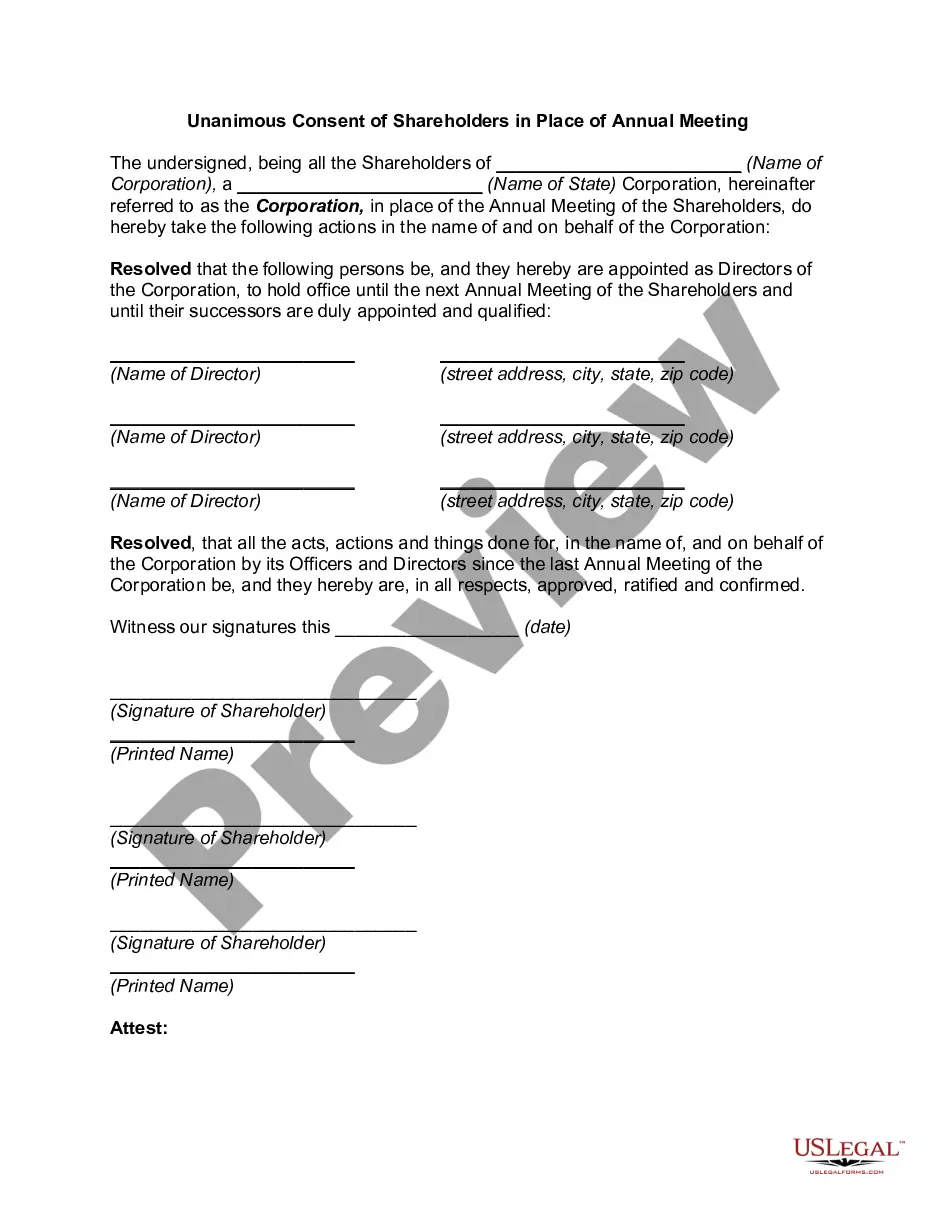
Get your form ready online
Our built-in tools help you complete, sign, share, and store your documents in one place.
Make edits, fill in missing information, and update formatting in US Legal Forms—just like you would in MS Word.
Download a copy, print it, send it by email, or mail it via USPS—whatever works best for your next step.
Sign and collect signatures with our SignNow integration. Send to multiple recipients, set reminders, and more. Go Premium to unlock E-Sign.
If this form requires notarization, complete it online through a secure video call—no need to meet a notary in person or wait for an appointment.
We protect your documents and personal data by following strict security and privacy standards.

Make edits, fill in missing information, and update formatting in US Legal Forms—just like you would in MS Word.

Download a copy, print it, send it by email, or mail it via USPS—whatever works best for your next step.

Sign and collect signatures with our SignNow integration. Send to multiple recipients, set reminders, and more. Go Premium to unlock E-Sign.

If this form requires notarization, complete it online through a secure video call—no need to meet a notary in person or wait for an appointment.

We protect your documents and personal data by following strict security and privacy standards.
Looking for another form?





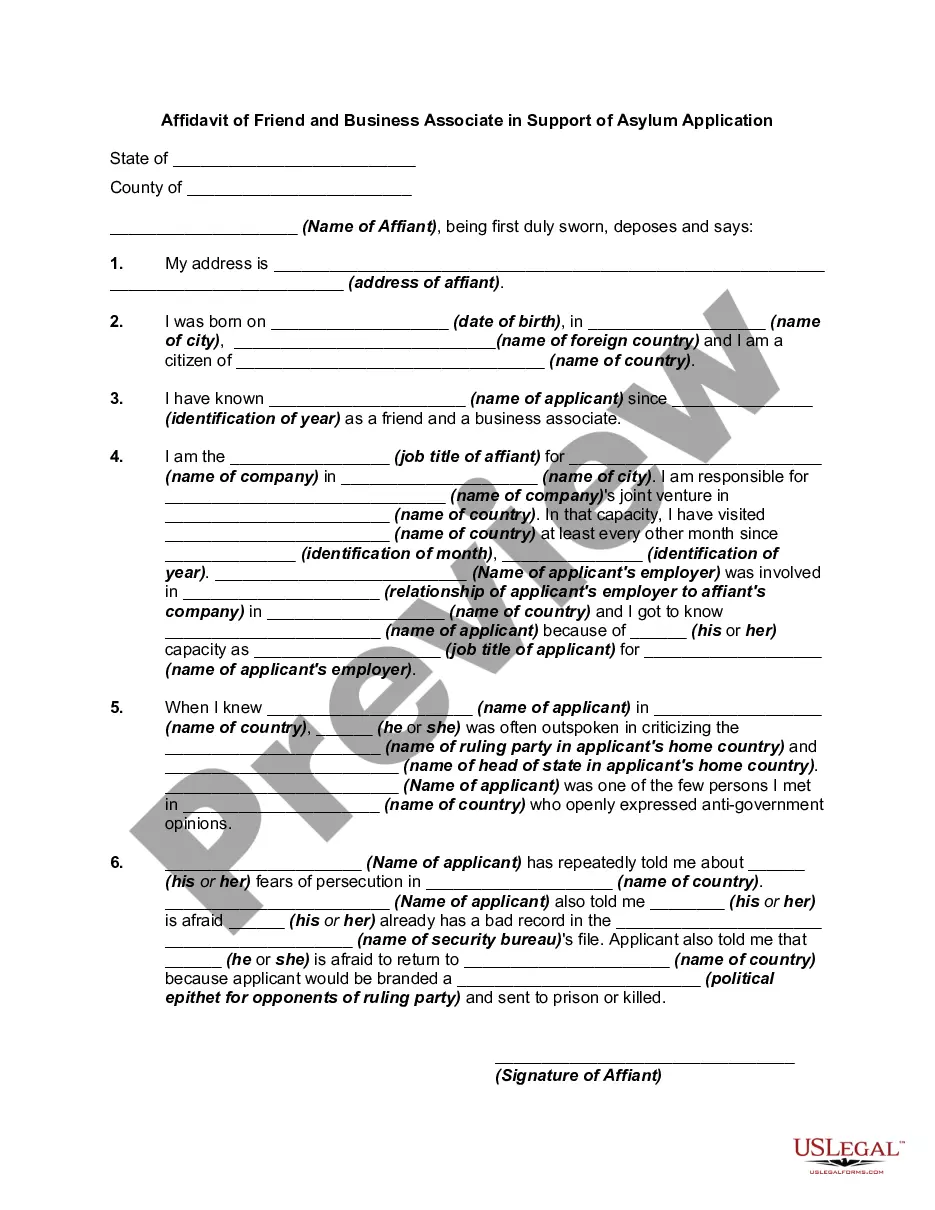




Form popularity
FAQ
Withholding tax is a set amount of income tax that an employer withholds from an employee's paycheck. Employers remit withholding taxes directly to the IRS in the employee's name. The tax withholding is a credit against the employee's annual income tax bill.
California has four state payroll taxes: Unemployment Insurance (UI) and Employment Training Tax (ETT) are employer contributions. State Disability Insurance (SDI) and Personal Income Tax (PIT) are withheld from employees' wages.
Employers are required by law to withhold employment taxes from their employees. Employment taxes include federal income tax withholding and Social Security and Medicare Taxes.
Employers are required by law to withhold employment taxes from their employees. Employment taxes include federal income tax withholding and Social Security and Medicare Taxes.
If an employee doesn't have enough tax withheld, they may face an unexpected tax bill and a possible penalty when they file a tax return next year.
For most businesses, the franchise tax rate on taxable margin is 0.75%. However, for businesses primarily engaged in retail or wholesale trade the tax rate is 0.375%, reflecting the lower profit margins of these businesses.
You can claim either 0 or 1 on your W-4. It won't create problems with the IRS, it will just determine how much you'll get back on your tax return next year. If you claim 0, you will get less back on paychecks and more back on your tax refund.
How to fill out a W-4 Step 1: Enter your personal information. Fill in your name, address, Social Security number and tax filing status. Step 2: Account for multiple jobs. Step 3: Claim dependents, including children. Step 4: Refine your withholdings. Step 5: Sign and date your W-4.
Your First Job As a new employee, you will be asked to fill out a number of forms, including a Form W-4 and possibly a DE 4. These forms will determine how much income tax is withheld from your paycheck. You will receive a paycheck statement along with your check that shows the tax withheld and any other deductions.

