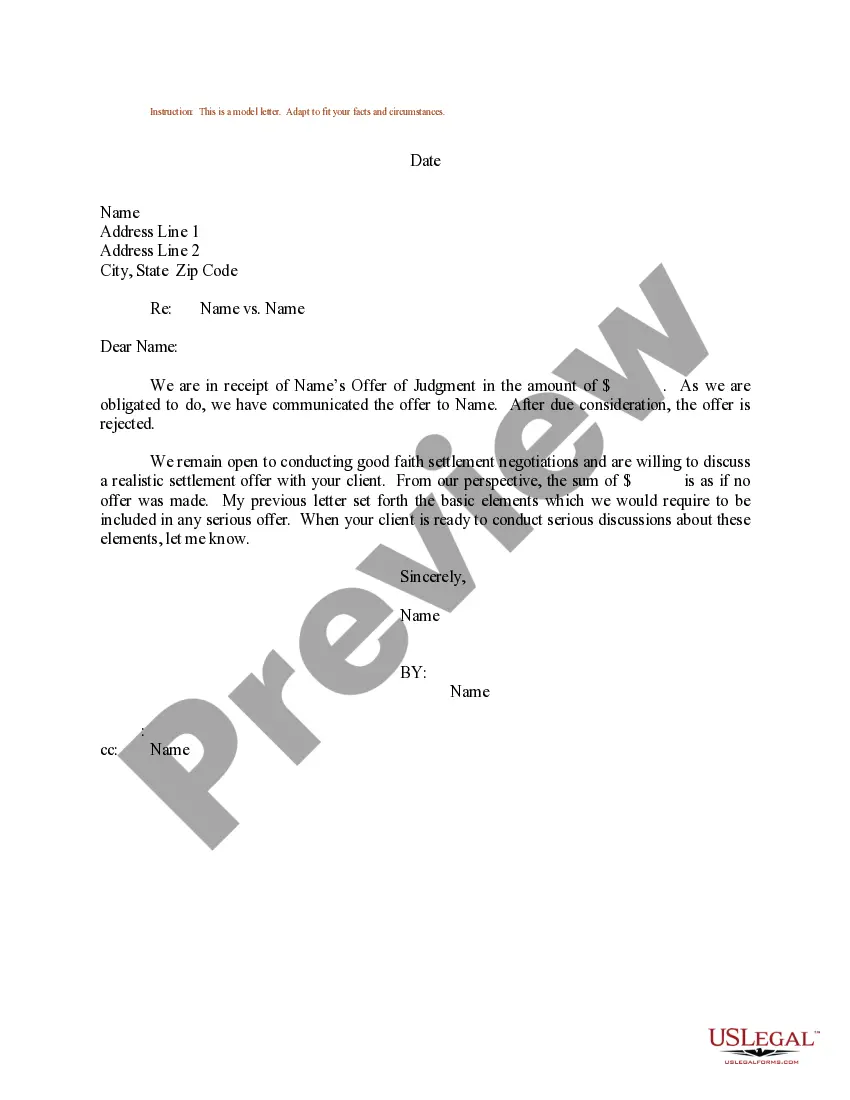
Sample Letter Rejecting Settlement Offer Without Prejudice Template In San Antonio
Description


Get your form ready online
Our built-in tools help you complete, sign, share, and store your documents in one place.
Make edits, fill in missing information, and update formatting in US Legal Forms—just like you would in MS Word.
Download a copy, print it, send it by email, or mail it via USPS—whatever works best for your next step.
Sign and collect signatures with our SignNow integration. Send to multiple recipients, set reminders, and more. Go Premium to unlock E-Sign.
If this form requires notarization, complete it online through a secure video call—no need to meet a notary in person or wait for an appointment.
We protect your documents and personal data by following strict security and privacy standards.

Make edits, fill in missing information, and update formatting in US Legal Forms—just like you would in MS Word.

Download a copy, print it, send it by email, or mail it via USPS—whatever works best for your next step.

Sign and collect signatures with our SignNow integration. Send to multiple recipients, set reminders, and more. Go Premium to unlock E-Sign.

If this form requires notarization, complete it online through a secure video call—no need to meet a notary in person or wait for an appointment.

We protect your documents and personal data by following strict security and privacy standards.
Looking for another form?
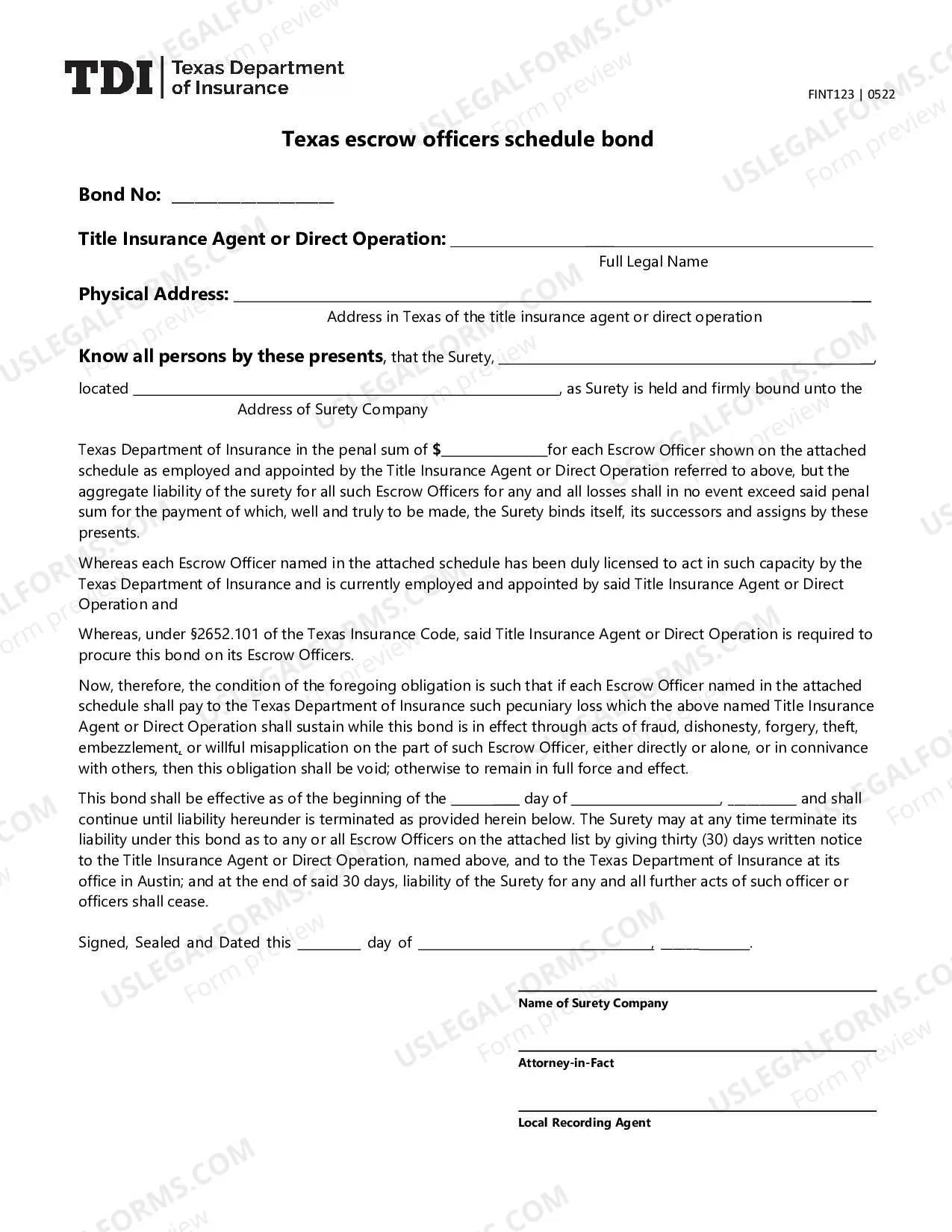



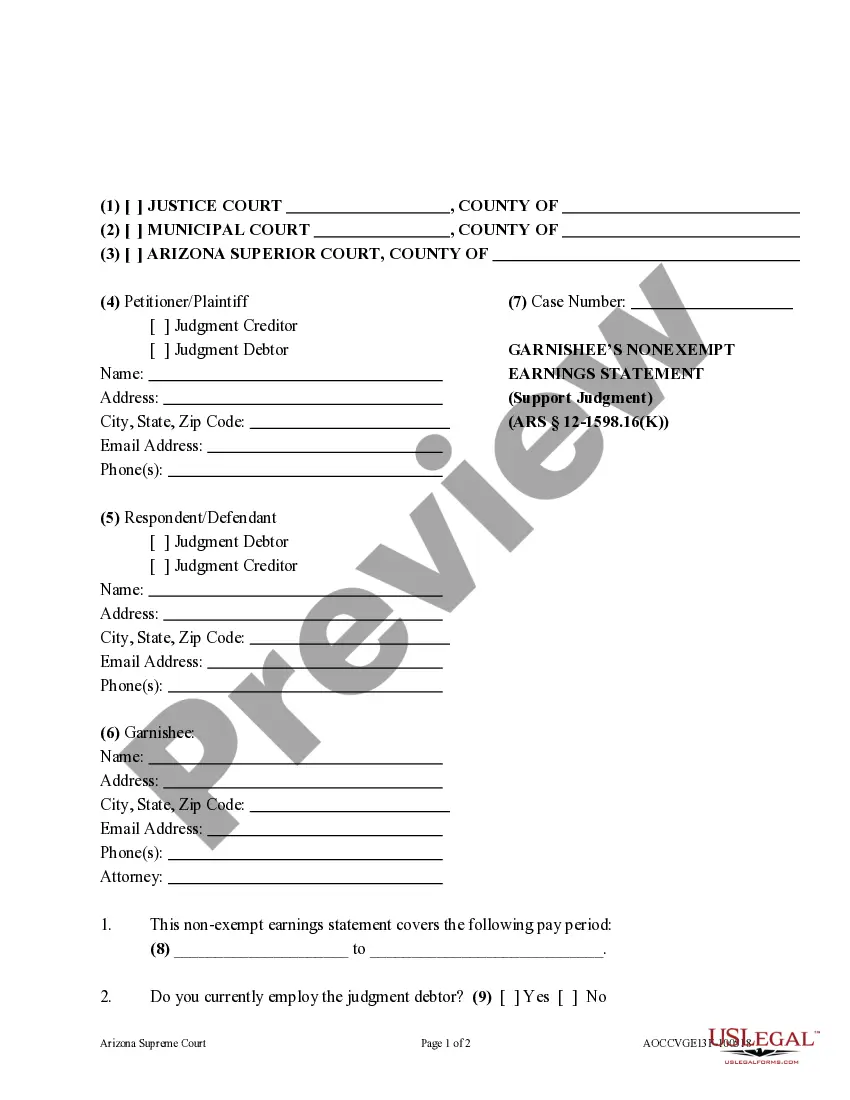




Form popularity
FAQ
The WP rule is to encourage settlement discussions without parties weakening their position in the formal dispute. Basically, if this rule applies, people can speak and write openly without fear that what they are saying may be used against them in court or arbitration.
Dismissal without prejudice means that the judge dismissed the plaintiff's or prosecutor's case without damaging their right to have their matter heard in court later. A prosecutor may ask to withdraw the case against a person to have more time to make a case stronger, find more evidence or question other witnesses.
In legal disputes, “without prejudice” correspondence plays a crucial role in facilitating settlement negotiations by offering parties a degree of protection in the negotiation process. However, this term is often misunderstood, and its application can sometimes lead to confusion or unintended consequences.
Communications marked as 'without prejudice' cannot be used by the other party as evidence in court. This means that parties can speak openly about the matters in dispute without the risk of the other party using that information against them later.
What does without prejudice mean? 'Without prejudice' is a legal term used to describe written or verbal communications aimed at settling disputes which cannot later be referred to in court. During attempts to settle a dispute, emails, letters and conversations are often defined as without prejudice.
If you do not accept a settlement agreement, your case will proceed to the next steps. If you have already filed a lawsuit, this means you might have more hearings and eventually go to trial. When a case goes to trial, that introduces the chance you could lose in court.
Always reject a settlement offer in writing. Type a letter to your contact at the insurance company listing the reasons you think that their offer is too low. Back up these reasons with concrete evidence attached to the letter. Finally, provide a counteroffer of a sum you think is more reasonable.
However, refusing a settlement offer does extend the life of your claim and delays when you receive compensation. If you have pressing medical bills or other expenses, this is a factor to consider. You'll also need to invest more time and energy into your case, including providing more documentation of your damages.
Critical Elements of a Settlement Demand Letter Introduction and Background Information. Start by introducing yourself and providing a brief overview of the incident. Statement of Facts. Liability. Injuries and Medical Treatment. Damages. Settlement Demand. Deadline for Response. Closing.
Provide specific reasons for your rejection, highlighting the damages and losses not covered by the proposed settlement. These reasons could include medical expenses, lost wages, property damage, pain and suffering, and other relevant costs.
