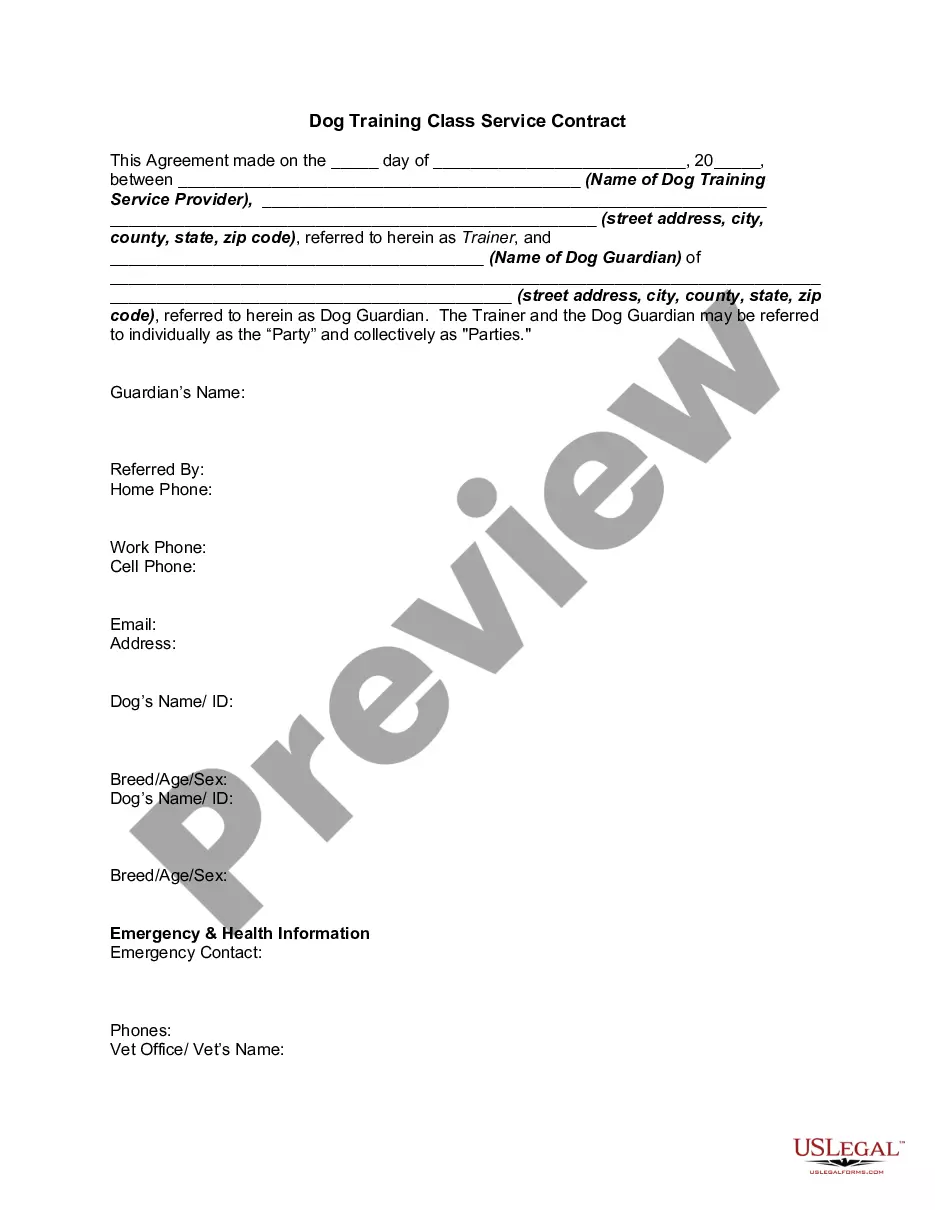
Sample Settlement Letter For Credit Card Debt In Maricopa
Description


Get your form ready online
Our built-in tools help you complete, sign, share, and store your documents in one place.
Make edits, fill in missing information, and update formatting in US Legal Forms—just like you would in MS Word.
Download a copy, print it, send it by email, or mail it via USPS—whatever works best for your next step.
Sign and collect signatures with our SignNow integration. Send to multiple recipients, set reminders, and more. Go Premium to unlock E-Sign.
If this form requires notarization, complete it online through a secure video call—no need to meet a notary in person or wait for an appointment.
We protect your documents and personal data by following strict security and privacy standards.

Make edits, fill in missing information, and update formatting in US Legal Forms—just like you would in MS Word.

Download a copy, print it, send it by email, or mail it via USPS—whatever works best for your next step.

Sign and collect signatures with our SignNow integration. Send to multiple recipients, set reminders, and more. Go Premium to unlock E-Sign.

If this form requires notarization, complete it online through a secure video call—no need to meet a notary in person or wait for an appointment.

We protect your documents and personal data by following strict security and privacy standards.
Looking for another form?







Form popularity
FAQ
On average, debt settlement programs result in paying 30% to 50% less than the full balance on successful negotiations. But creditors aren't required to settle your debt for less than what you owe, meaning that there's no guarantee that your debt will be settled at all.
These are the steps to follow: Work out what you can offer the people you owe. Send your offer to them in writing. Ask them to confirm they accept your offer in writing. Keep any letters your creditors send you about the settlement offer. Negotiate with your creditors if you need to.
Clearly define objectives before drafting the settlement offer. If monetary compensation is involved, the offer should specify the amount, payment schedule, and contingencies for non-payment. Non-monetary terms, such as confidentiality clauses, mutual releases, or other protective measures, should also be considered.
How to Write a Credit Card Settlement Letter (Step-by-Step Guide) Include Your Personal & Account Details. Explain Your Financial Hardship. Propose a Settlement Amount. Request a No Objection Certificate (NOC) Request a Written Agreement. Template 1: Basic Settlement Request Letter.
Settling out of court Make sure the process is perceived to be fair. Identify interests and tradeoffs. Insist on decision analysis. Reduce discovery costs.
Treat the following as a set of general guidelines: Gather complete information before you start writing. Describe your injuries and medical treatment. List your medical expenses, lost wages, and non-economic damages. Make a settlement demand. Include a deadline for legal action if you want to, but don't bluff.
On average, successful debt settlements typically result in forgiveness of anywhere from 30% to 50% of the original debt amount. This means that if you owe $10,000 in credit card debt, you might be able to settle for between $5,000 and $7,000.
Introduction A settlement letter is an official documentation from the insurer that clarifies your medical expenses and highlights the resolution.
Gather all relevant information and documents to support your claim. Address the letter to the appropriate recipient. Begin the letter with a professional salutation and a clear, concise statement of the purpose of the letter. Explain the details of the claim in a clear and organized manner.
Key Elements of a Claim Settlement Letter Policyholder's Information: Name and policy number. Claim Details: Reference number and details of the claim. Settlement Amount: The total amount agreed upon for settlement. Terms and Conditions: Any terms related to the settlement, including payment methods and timelines.