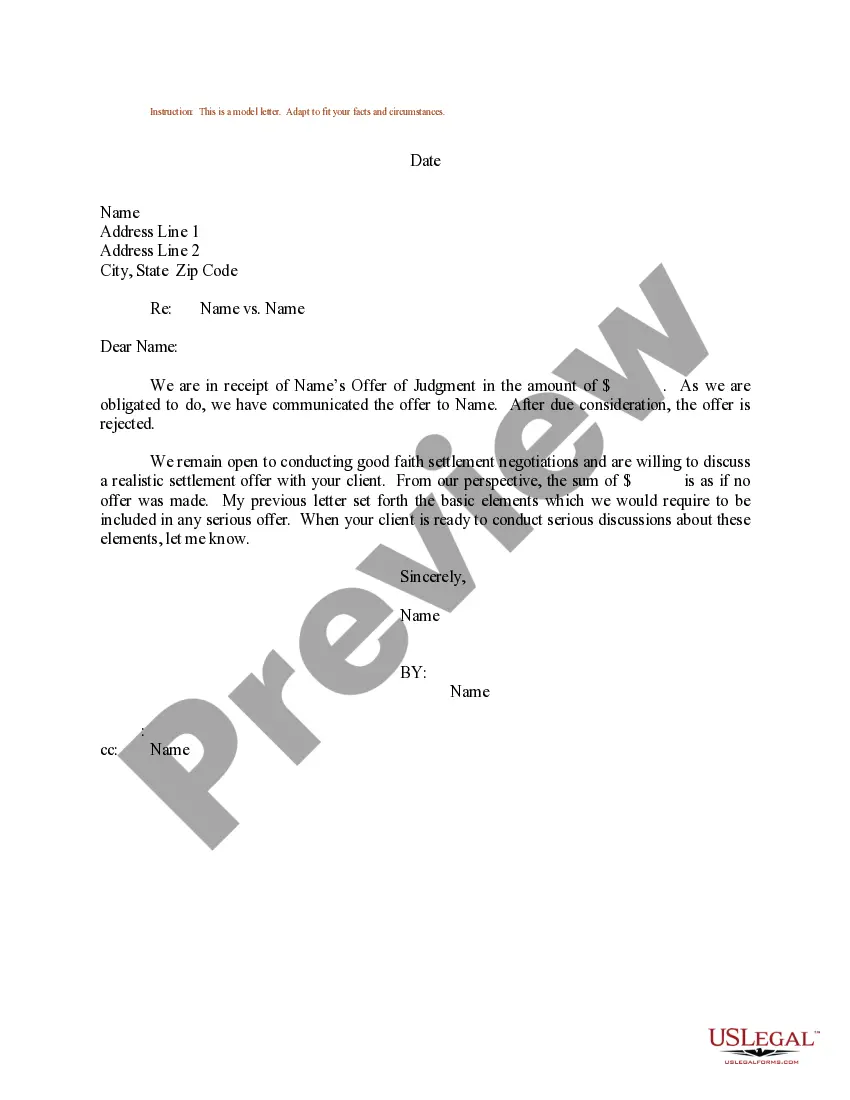
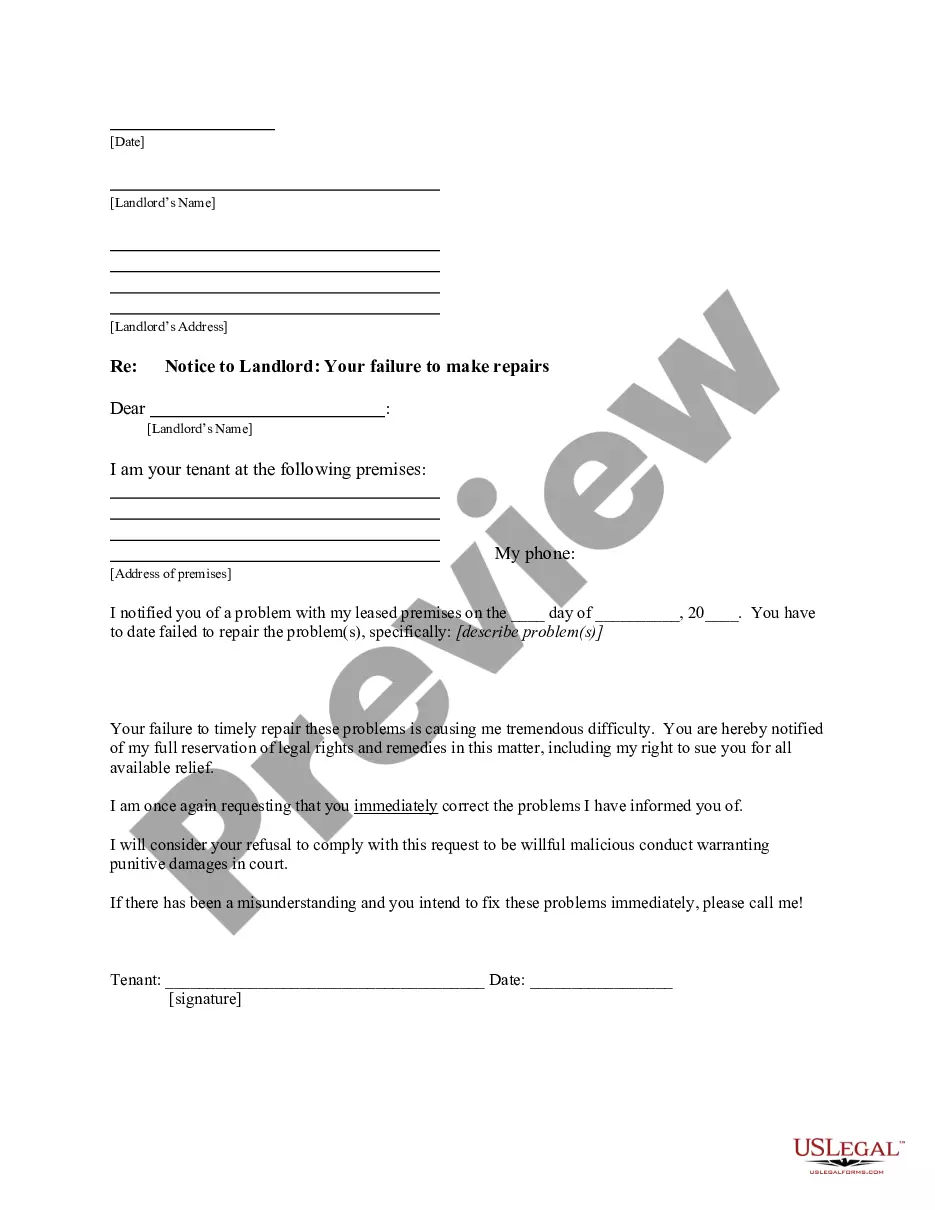
Sample Settlement Letter Without Prejudice In King
Description


Get your form ready online
Our built-in tools help you complete, sign, share, and store your documents in one place.
Make edits, fill in missing information, and update formatting in US Legal Forms—just like you would in MS Word.
Download a copy, print it, send it by email, or mail it via USPS—whatever works best for your next step.
Sign and collect signatures with our SignNow integration. Send to multiple recipients, set reminders, and more. Go Premium to unlock E-Sign.
If this form requires notarization, complete it online through a secure video call—no need to meet a notary in person or wait for an appointment.
We protect your documents and personal data by following strict security and privacy standards.

Make edits, fill in missing information, and update formatting in US Legal Forms—just like you would in MS Word.

Download a copy, print it, send it by email, or mail it via USPS—whatever works best for your next step.

Sign and collect signatures with our SignNow integration. Send to multiple recipients, set reminders, and more. Go Premium to unlock E-Sign.

If this form requires notarization, complete it online through a secure video call—no need to meet a notary in person or wait for an appointment.

We protect your documents and personal data by following strict security and privacy standards.
Looking for another form?









Form popularity
FAQ
Settlement is simply quicker, easier, and cheaper than going through a trial. One of the first steps in settling a case is to write and send a settlement demand letter to the party responsible for paying your claim—typically, an insurance company. You need to draft your demand letter with care.
Treat the following as a set of general guidelines: Gather complete information before you start writing. Describe your injuries and medical treatment. List your medical expenses, lost wages, and non-economic damages. Make a settlement demand. Include a deadline for legal action if you want to, but don't bluff.
Ideally full and final settlement is to be made on the last day of work yet most of the companies in India take around 30--45 days to complete the same. You may write (official email/ postal service) to the management and request them to release the FnF at the earliest.
I am writing this letter to state that on _ (Day) i.e. (Date), I got relieved from your _ (Company/ Organization) but my full and final settlement has not been done. I request you to kindly do the full and final settlement and send me all dues (if any).
I am writing this letter to state that on _ (Day) i.e. (Date), I got relieved from your _ (Company/ Organization) but my full and final settlement has not been done. I request you to kindly do the full and final settlement and send me all dues (if any).
Where do I put the words "without prejudice" on a document or email? There are no rules about this but generally, at the top of any document or in the subject line etc - so that it is instantly clear to the reader.
When does the Rule apply? The starting point is that there must be a bona fide attempt to resolve a dispute. If not, then the without prejudice rule is not engaged, even if the label 'Without Prejudice' is attached to the correspondence.
In the context of mediation, “without prejudice” means that the parties are able to propose and explore possible solutions to the dispute under consideration without having to worry that their discussions will in some way be regarded as an admission should the parties not reach an agreement.
If a decision or action is made without prejudice to a right or claim, it is made without having an effect on that right or claim: My client accepts the formal apology without prejudice to any further legal action she may decide to take.

