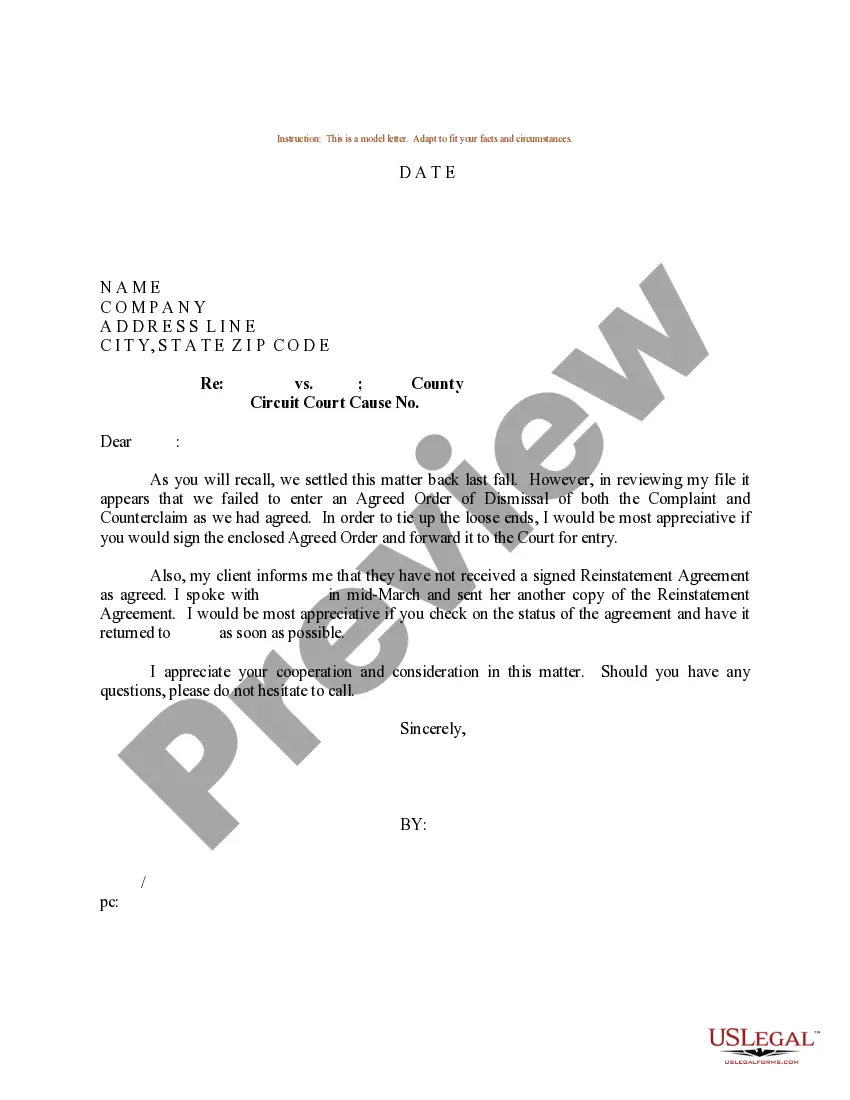
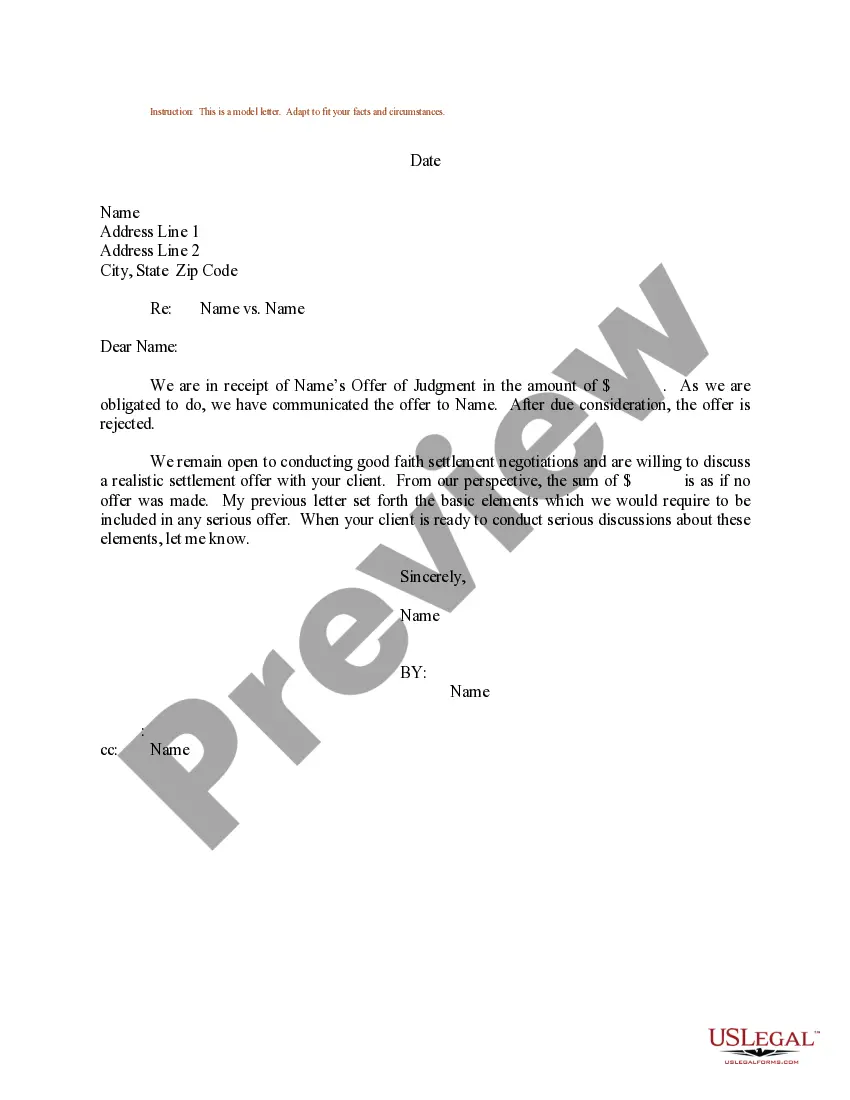
Sample Letter For Settlement In Illinois
Description

Get your form ready online
Our built-in tools help you complete, sign, share, and store your documents in one place.
Make edits, fill in missing information, and update formatting in US Legal Forms—just like you would in MS Word.
Download a copy, print it, send it by email, or mail it via USPS—whatever works best for your next step.
Sign and collect signatures with our SignNow integration. Send to multiple recipients, set reminders, and more. Go Premium to unlock E-Sign.
If this form requires notarization, complete it online through a secure video call—no need to meet a notary in person or wait for an appointment.
We protect your documents and personal data by following strict security and privacy standards.

Make edits, fill in missing information, and update formatting in US Legal Forms—just like you would in MS Word.

Download a copy, print it, send it by email, or mail it via USPS—whatever works best for your next step.

Sign and collect signatures with our SignNow integration. Send to multiple recipients, set reminders, and more. Go Premium to unlock E-Sign.

If this form requires notarization, complete it online through a secure video call—no need to meet a notary in person or wait for an appointment.

We protect your documents and personal data by following strict security and privacy standards.
Looking for another form?







Form popularity
FAQ
Frequently Asked Questions (FAQ) Type your letter. Concisely review the main facts. Be polite. Write with your goal in mind. Ask for exactly what you want. Set a deadline. End the letter by stating you will promptly pursue legal remedies if the other party does not meet your demand. Make and keep copies.
Treat the following as a set of general guidelines: Gather complete information before you start writing. Describe your injuries and medical treatment. List your medical expenses, lost wages, and non-economic damages. Make a settlement demand. Include a deadline for legal action if you want to, but don't bluff.
You can write it yourself. A demand letter is literally what it says, letter that demands something. It's not legally significant. Most people don't take them seriously unless they're from a lawyer, though.
Treat the following as a set of general guidelines: Gather complete information before you start writing. Describe your injuries and medical treatment. List your medical expenses, lost wages, and non-economic damages. Make a settlement demand. Include a deadline for legal action if you want to, but don't bluff.
Factors such as the complexity of the case, negotiation processes, and administrative procedures can impact the timing of the settlement check. It's essential to note that while the general range is 3 to 6 weeks, the specific duration can be shorter or longer based on the unique details of your situation.
Some personal injury claims settle quickly. However, it could take a year or longer to obtain a settlement, depending on the facts of your case. If the insurance company and other parties refuse to negotiate a fair settlement amount, filing a personal injury lawsuit might be the only option to pursue damages.
UK Ancestry If you apply to extend an Ancestry visa from within the UK then you should usually receive a decision within 8 weeks. If you are applying for settlement you should usually receive a decision within 6 months.
Once your property settlement takes place, you'll be issued a settlement letter from your conveyancer. This is an official letter written on the conveyancer's letter head that simply states your lot number and the settlement date to confirm that land settlement has taken place.

