Release With Prejudice Without A Trial In Queens
Description

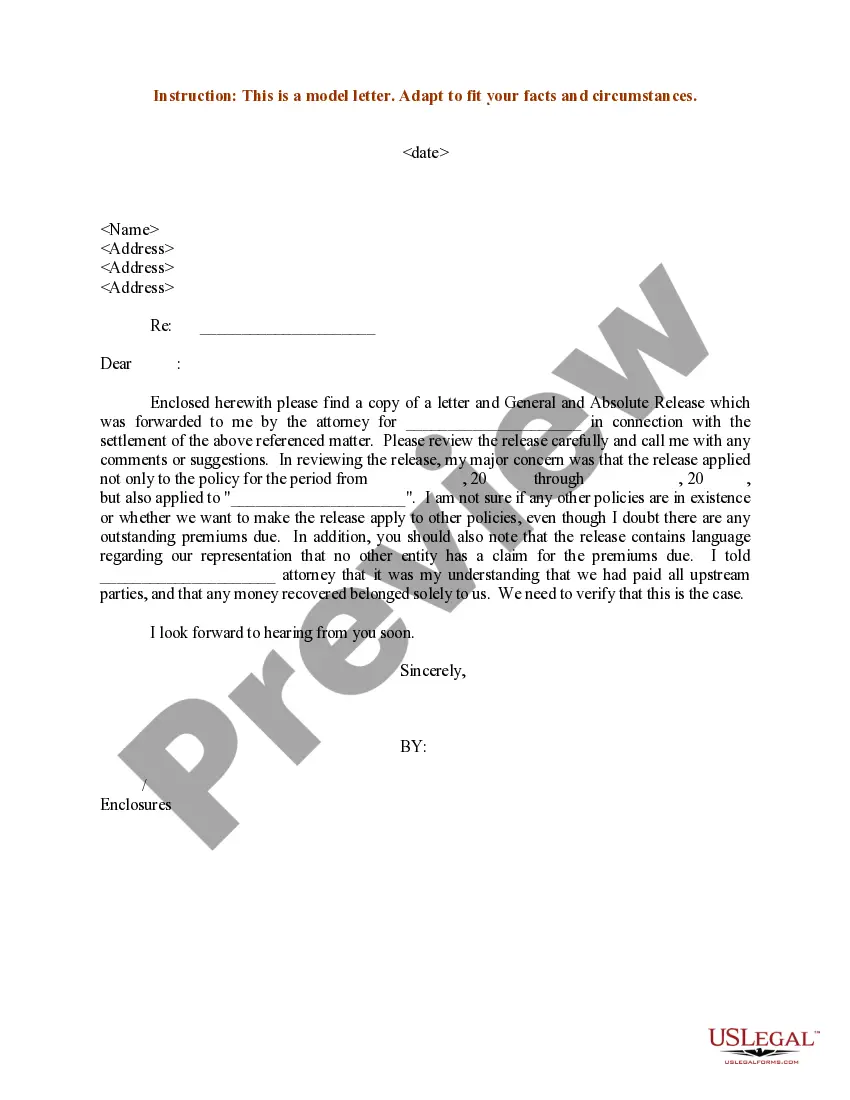
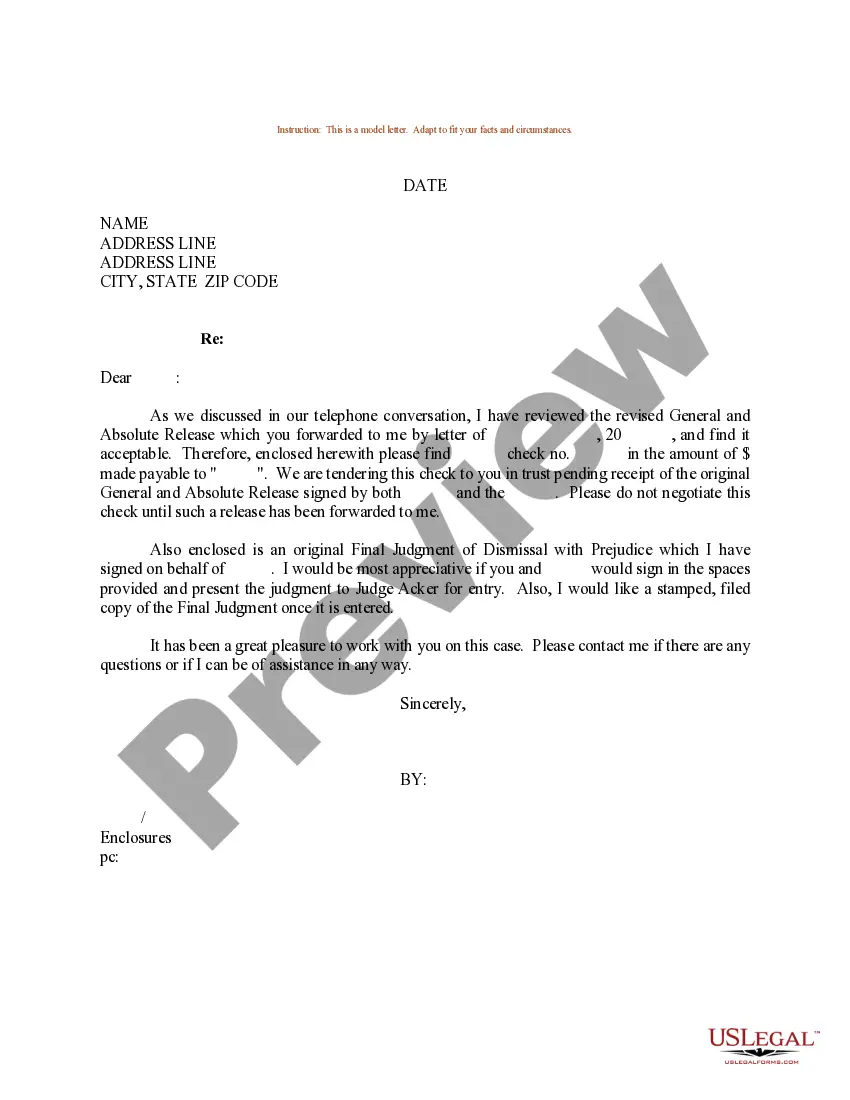
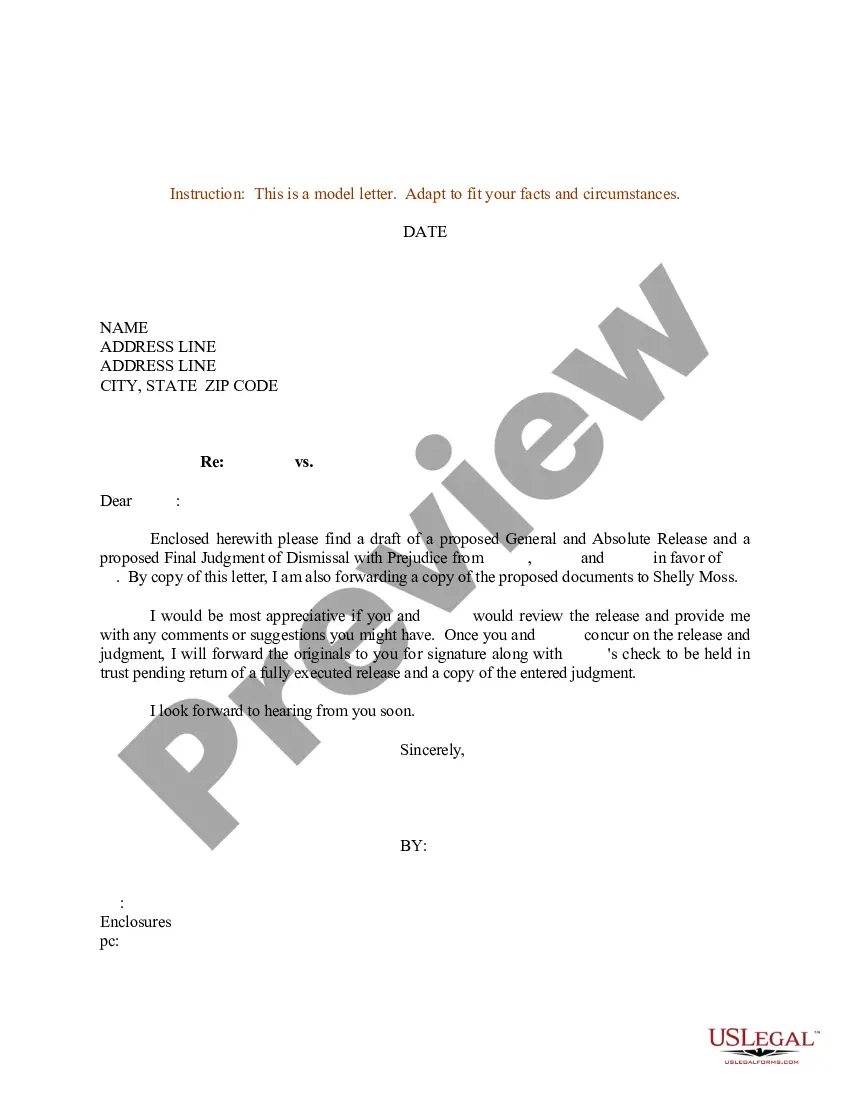
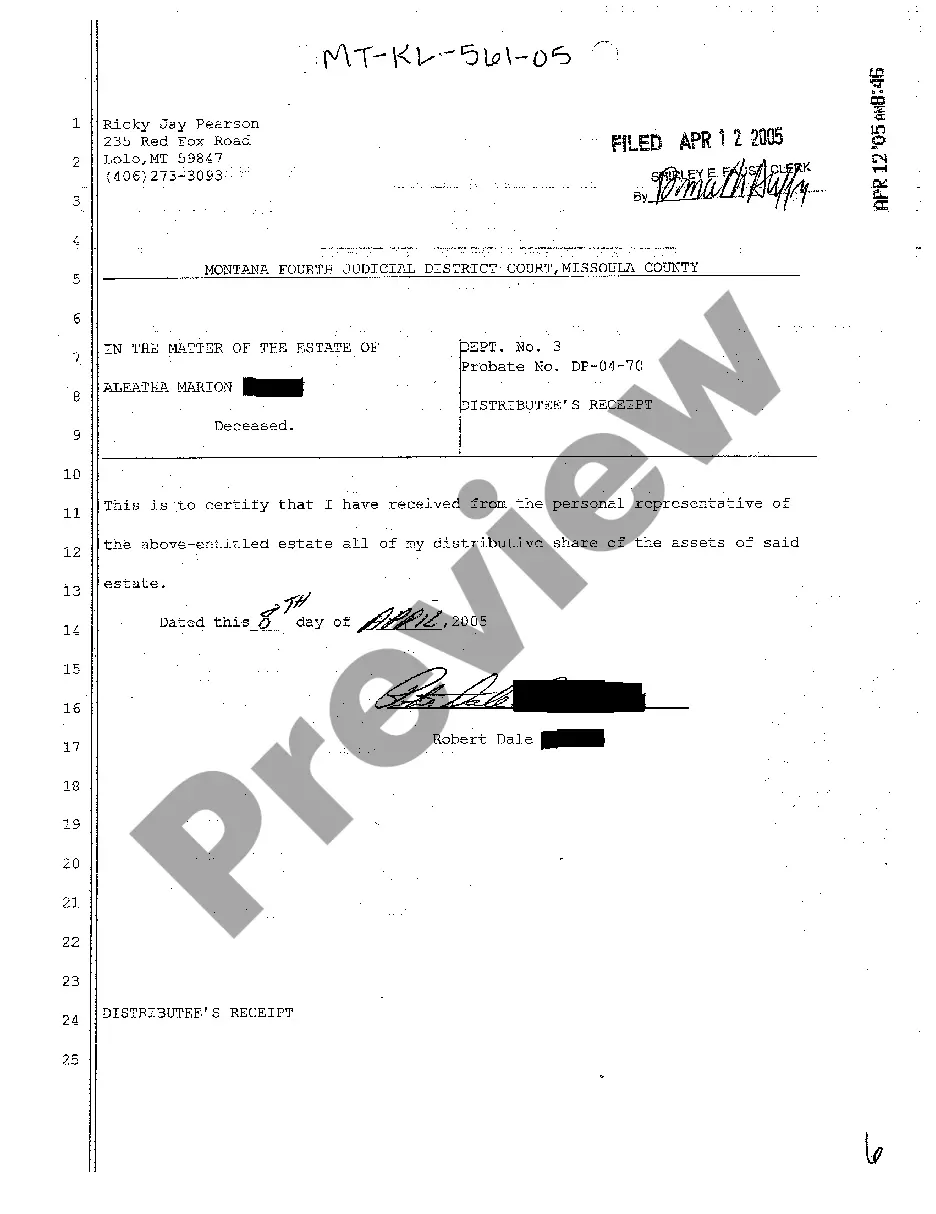
Get your form ready online
Our built-in tools help you complete, sign, share, and store your documents in one place.
Make edits, fill in missing information, and update formatting in US Legal Forms—just like you would in MS Word.
Download a copy, print it, send it by email, or mail it via USPS—whatever works best for your next step.
Sign and collect signatures with our SignNow integration. Send to multiple recipients, set reminders, and more. Go Premium to unlock E-Sign.
If this form requires notarization, complete it online through a secure video call—no need to meet a notary in person or wait for an appointment.
We protect your documents and personal data by following strict security and privacy standards.

Make edits, fill in missing information, and update formatting in US Legal Forms—just like you would in MS Word.

Download a copy, print it, send it by email, or mail it via USPS—whatever works best for your next step.

Sign and collect signatures with our SignNow integration. Send to multiple recipients, set reminders, and more. Go Premium to unlock E-Sign.

If this form requires notarization, complete it online through a secure video call—no need to meet a notary in person or wait for an appointment.

We protect your documents and personal data by following strict security and privacy standards.
Looking for another form?








Form popularity
FAQ
A motion is a formal request made by any party for a desired ruling, order, or judgment. The party that makes the motion is known as the movant. A motion can be written or spoken, as the relevant rules require. Various motions can be made throughout a proceeding, but only after the initial complaint has been filed.
After a summons with notice is served, the defendant will demand that the plaintiff serve a complaint. The plaintiff must then have the complaint served within 20 days after being served with the demand, or the case may be dismissed.
Other motions to dismiss ask for dismissal with prejudice. This means that the case can't be started again. For example, if the case is legally time barred by the statute of limitations or the plaintiff or petitioner does not have the right to start the case.
Did you ever hear the term motion to preclude. Hi come on in I'm Jerry o jinsky of New York medicalMoreDid you ever hear the term motion to preclude. Hi come on in I'm Jerry o jinsky of New York medical malpractice. And personal injury trial attorney. Today's video I want to explain to you what is a
It is a “final disposition” and the idea behind a dismissal with prejudice is that a plaintiff's claim has been resolved adversely to the plaintiff, whether or not it is on the merits or it is barred from recovery (e.g. sovereign immunity or the statute of limitations).
The court may grant a motion to dismiss if the plaintiff's complaint fails to allege all the elements of a claim adequately. Or the court may grant it if the complaint fails to allege a measurable injury.
Common grounds for a motion to dismiss in New York include: – Lack of subject matter jurisdiction: The court does not have the authority to hear the case. – Lack of personal jurisdiction: The court does not have power over the defendant.
A summons is a pre-printed legal form that tells a defendant that he or she is being sued. The defendant must file an appearance and responsive pleading or answer within 30 days of being served with the summons.

