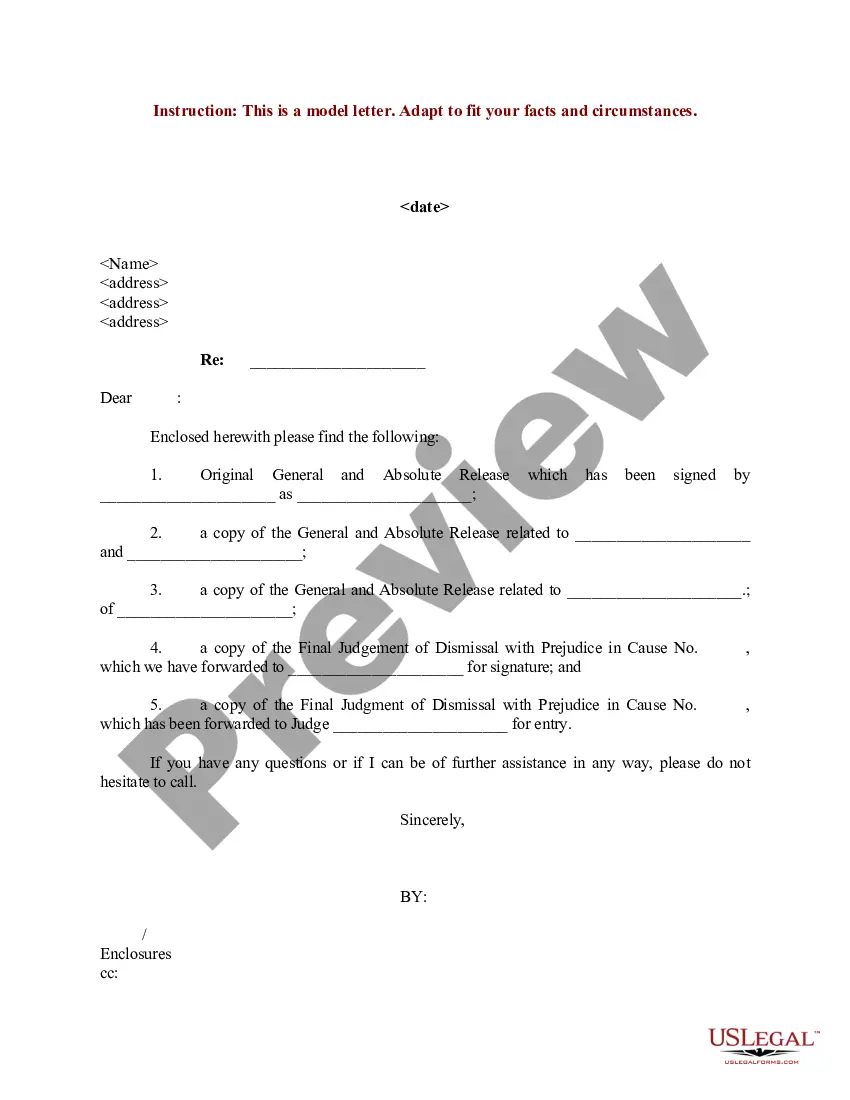
Release Letter Sample With Reference In Queens
Description
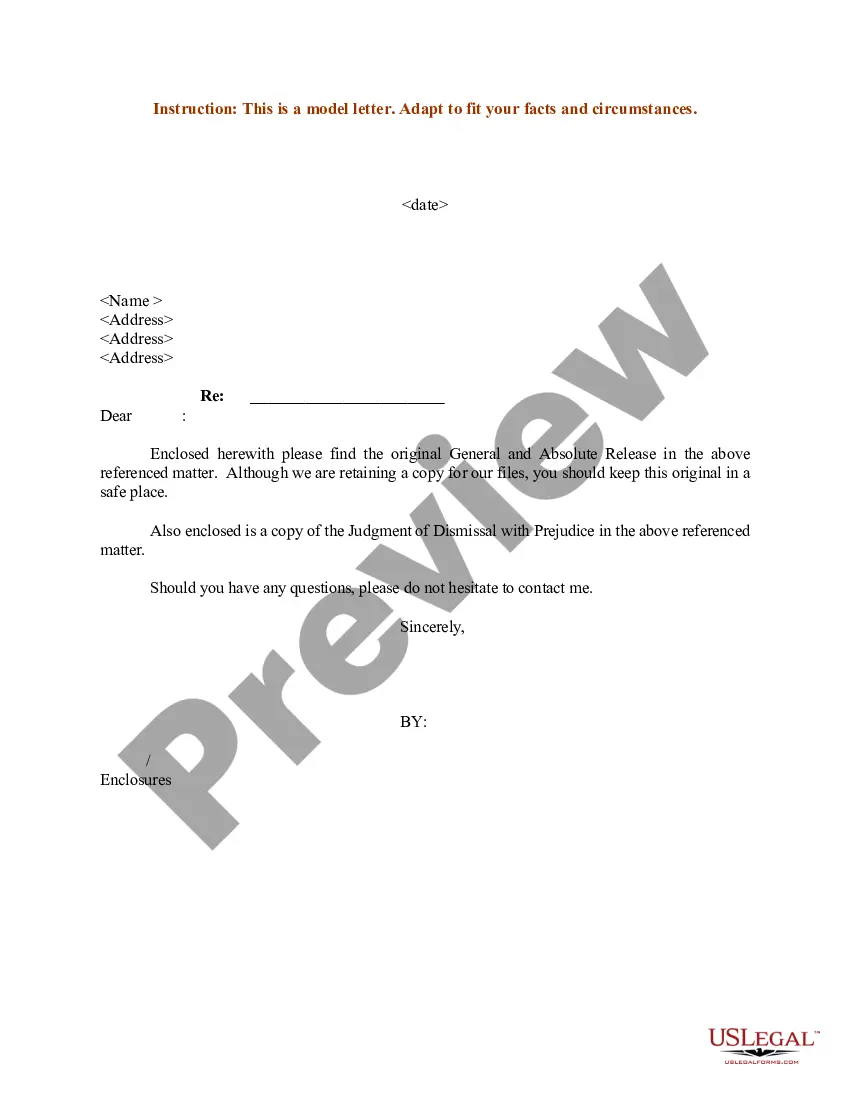
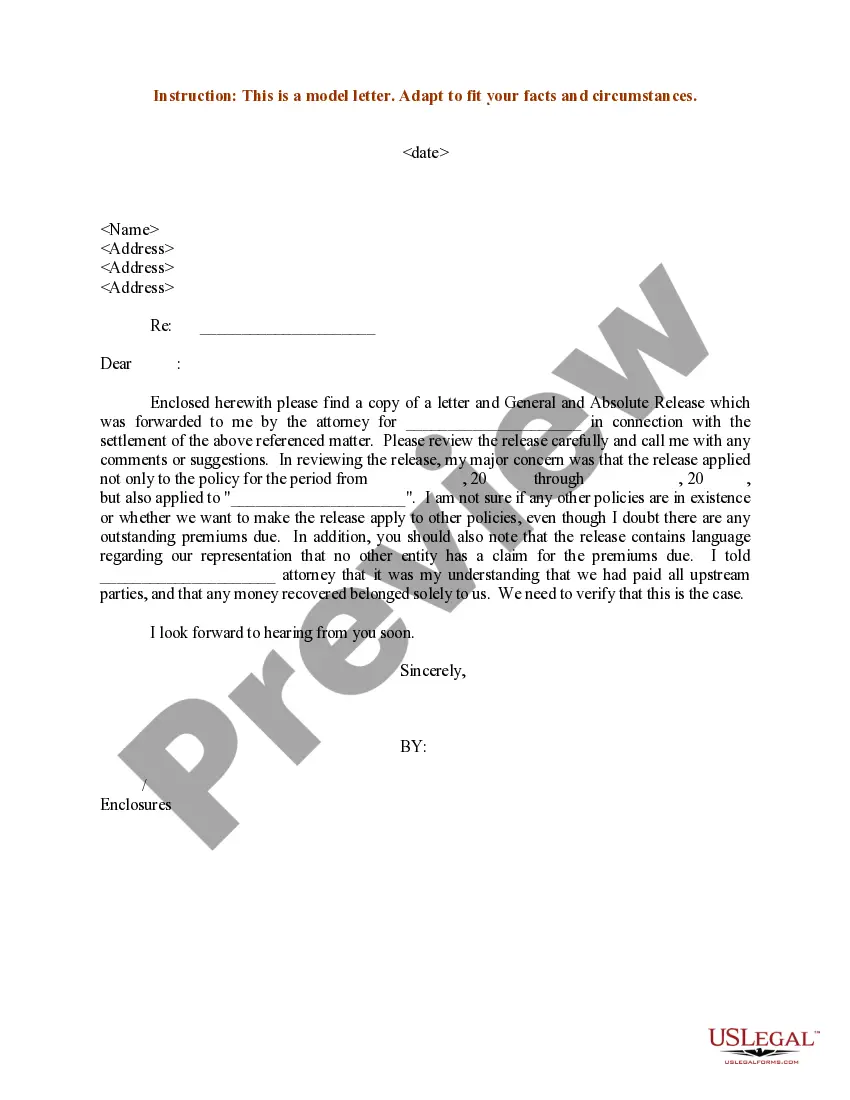
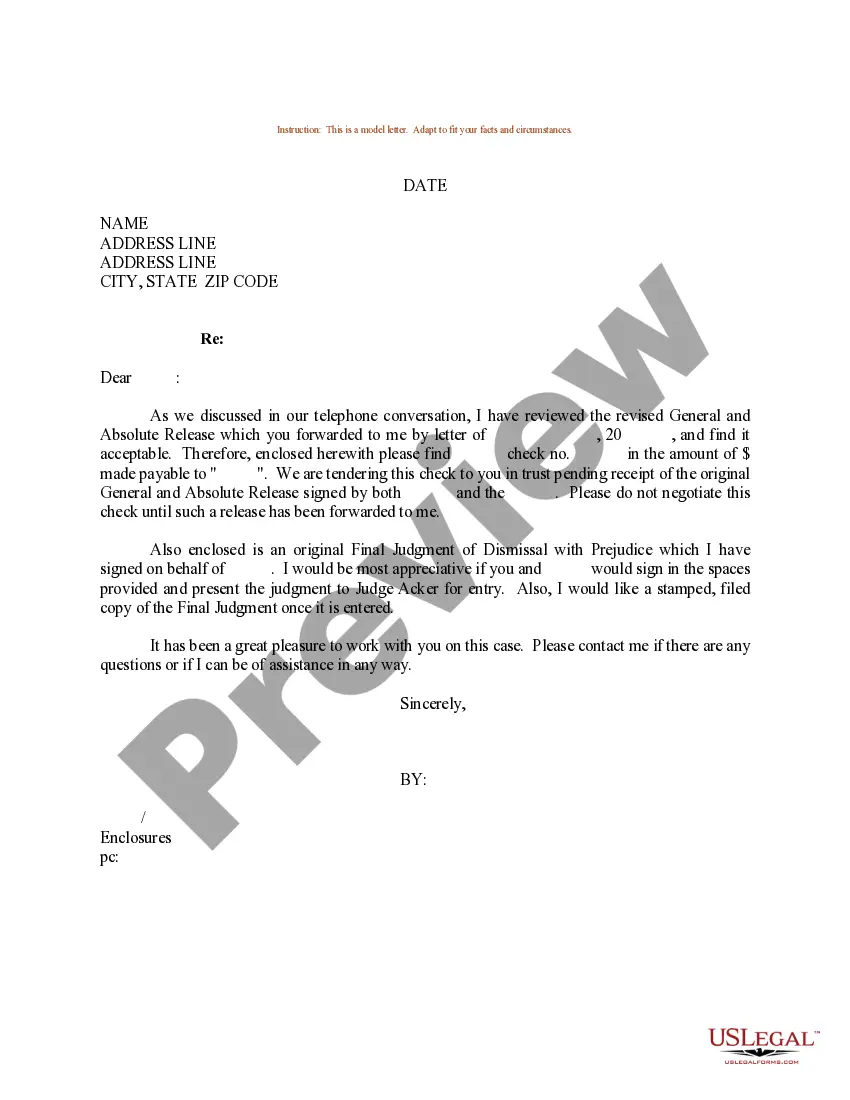
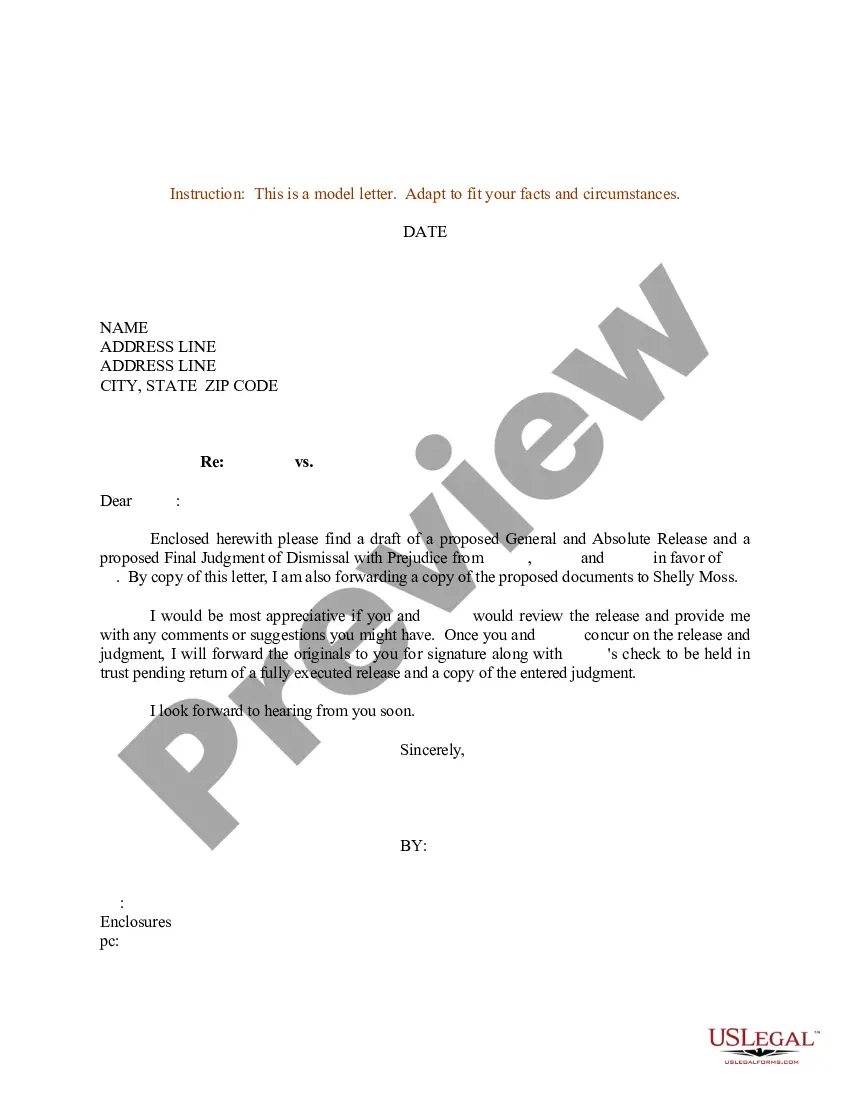
Get your form ready online
Our built-in tools help you complete, sign, share, and store your documents in one place.
Make edits, fill in missing information, and update formatting in US Legal Forms—just like you would in MS Word.
Download a copy, print it, send it by email, or mail it via USPS—whatever works best for your next step.
Sign and collect signatures with our SignNow integration. Send to multiple recipients, set reminders, and more. Go Premium to unlock E-Sign.
If this form requires notarization, complete it online through a secure video call—no need to meet a notary in person or wait for an appointment.
We protect your documents and personal data by following strict security and privacy standards.

Make edits, fill in missing information, and update formatting in US Legal Forms—just like you would in MS Word.

Download a copy, print it, send it by email, or mail it via USPS—whatever works best for your next step.

Sign and collect signatures with our SignNow integration. Send to multiple recipients, set reminders, and more. Go Premium to unlock E-Sign.

If this form requires notarization, complete it online through a secure video call—no need to meet a notary in person or wait for an appointment.

We protect your documents and personal data by following strict security and privacy standards.
Looking for another form?


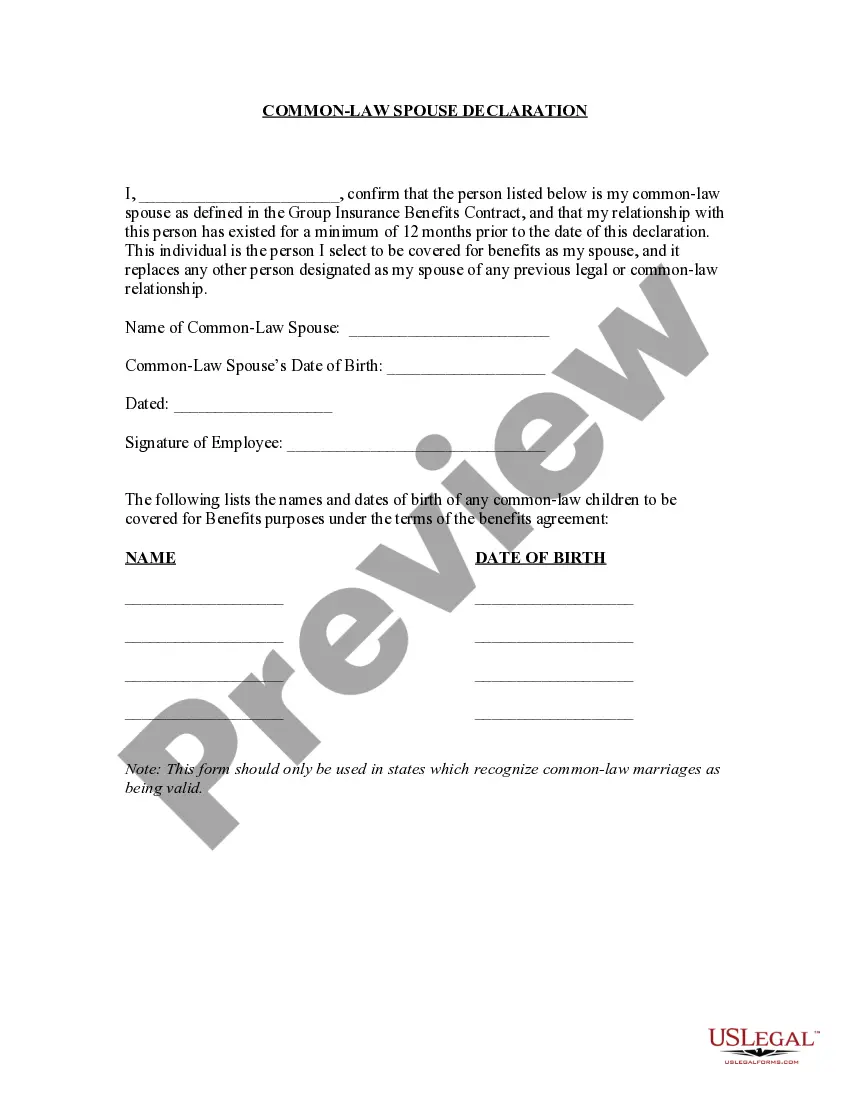



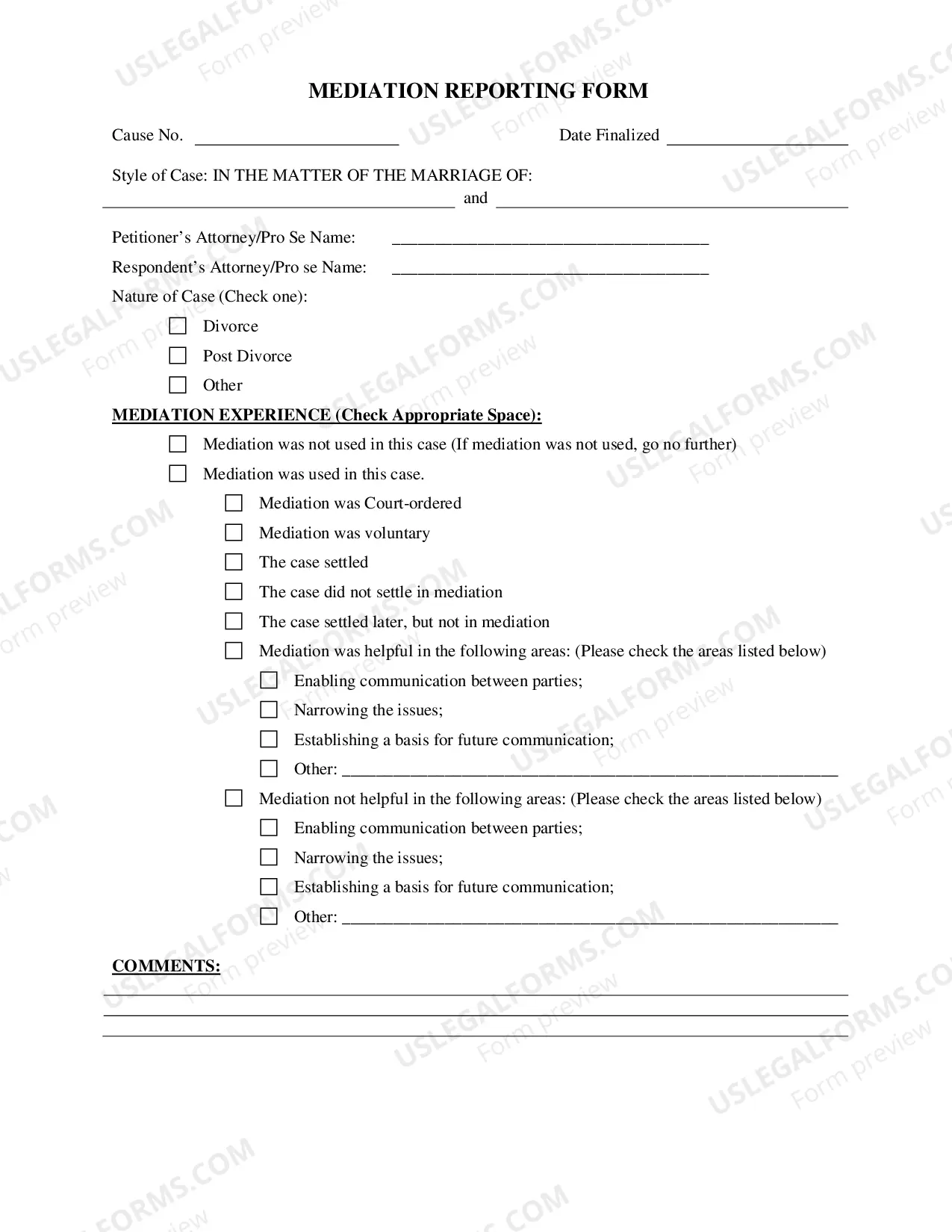


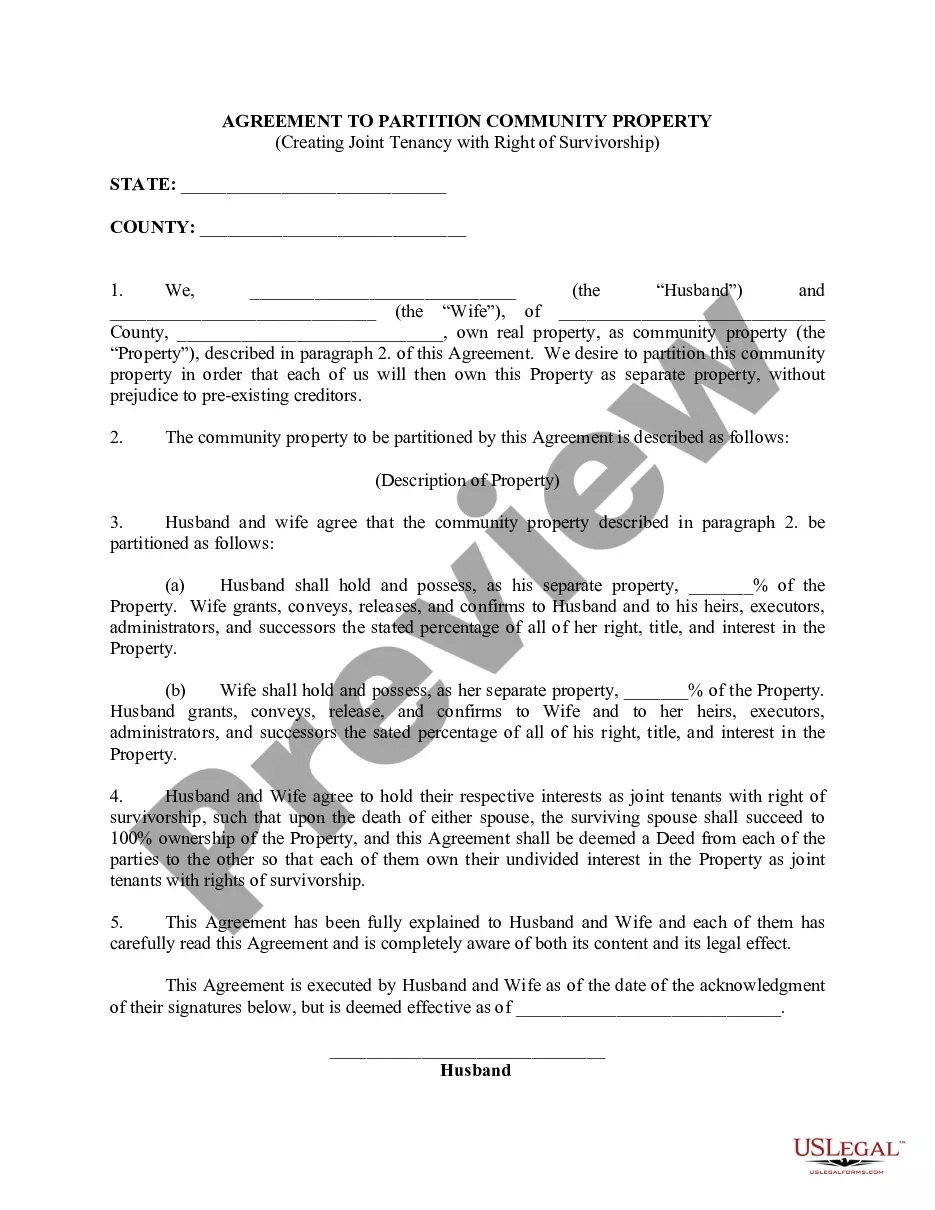
Form popularity
FAQ
The disposition on a criminal record is the current status or final outcome of an arrest or prosecution. Common dispositions are: Convicted: means you have plead or been found guilty by a court of law. Acquitted: means you have been found not guilty by a court of law in a criminal trial.
Certificates of Disposition are available from the clerk's office in either the Criminal Court or the Supreme Court, Criminal Term, both trial courts in New York City. It is also available in all other city courts in Upstate New York, for example, Binghamton, New York, and Plattsburgh, New York.
"Disposition" is defined by the FBI as "an action regarded by the criminal justice system to be the final result of a committed offense." While the most common disposition are court findings (e.g., guilty plea and placed on probation, acquitted, etc.), a disposition can also indicate that law enforcement elected not to ...
If you live in NYC or the surrounding counties listed below, it is necessary that you personally appear in Court to file your Letters of Administration request. If you live outside of NYC, you have the option to call the Court or electronically file your Letters of Administration request.
A certified disposition can only be issued by the court where the case took place. Courts have different procedures and requirements for how to get a certified disposition. Some courts may require that you make your request in person, while others may honor requests made by mail, phone, or online.
Proof of service shall specify the papers served, the person who was served and the date, time, address, or, in the event there is no address, place and manner of service, and set forth facts showing that the service was made by an authorized person and in an authorized manner.
Except as provided in subdivisions (2), (3) and (4), punishment for a contempt, specified in section seven hundred fifty, may be by fine, not exceeding one thousand dollars, or by imprisonment, not exceeding thirty days, in the jail of the county where the court is sitting, or both, in the discretion of the court.
To file a motion for contempt in New York, certain criteria must be met. There must be an existing order of the court that is clear and unambiguous, and the accused must be proven to have known about this order and willfully disobeyed it.
The Elements of Criminal Contempt in the First Degree Refusing to be sworn as a witness or answering questions before a grand jury; Violating an order of protection by displaying a weapon to place another person in fear of physical injury; Violating an order of protection by stalking or harassing another person;